





 Portuguese
  English
  Spanish
  3 min of reading
  0 comments


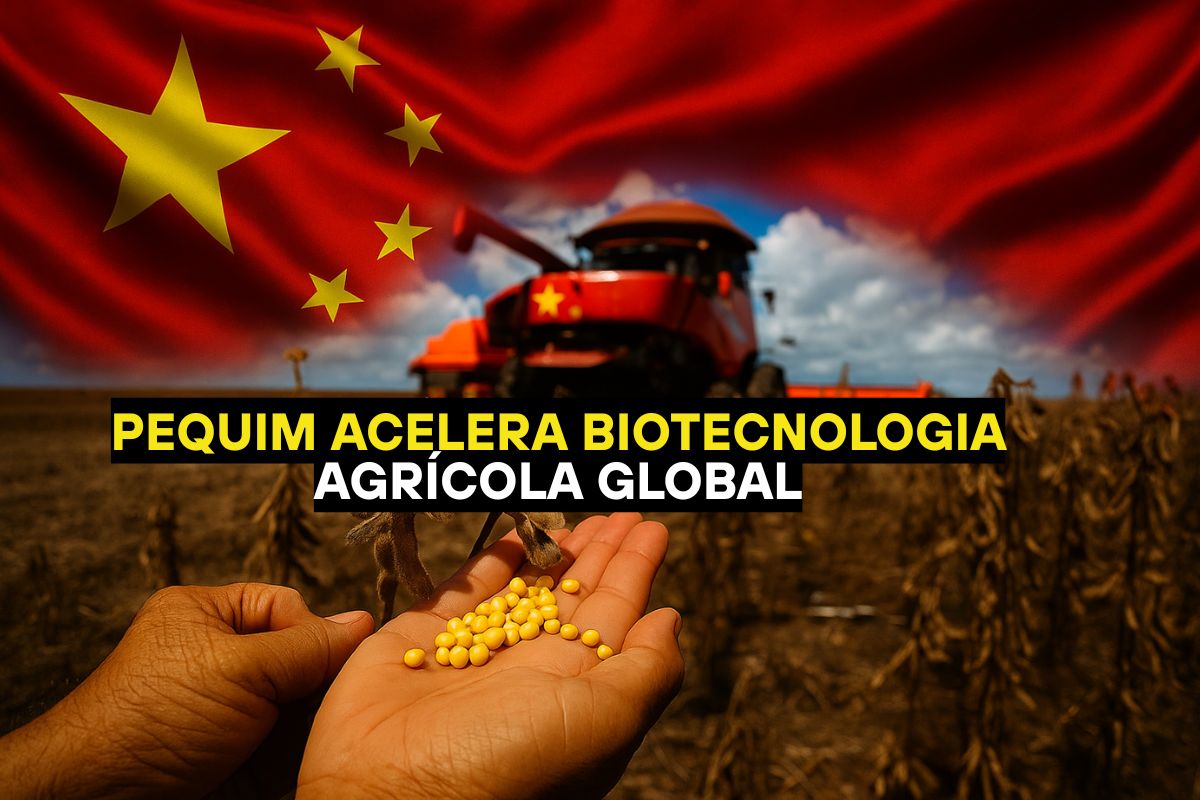
Decision Accelerates Global Race for Agricultural Biotechnology and Reinforces China’s Protagonism in the Sector.
China has just taken a decisive step in the field of agricultural biotechnology by approving 98 new genetically modified corn and soybean varieties. The announcement, made by the Ministry of Agriculture, reinforces Beijing’s strategy to reduce dependence on imports and increase domestic productivity.
According to information from the portal Compre Rural, the decision includes 96 corn varieties and 2 soybean varieties, all approved after undergoing the biosafety process required by the Chinese government.
This is a shift that could redefine global competitiveness and directly influence exporting markets such as Brazil and the United States.
-
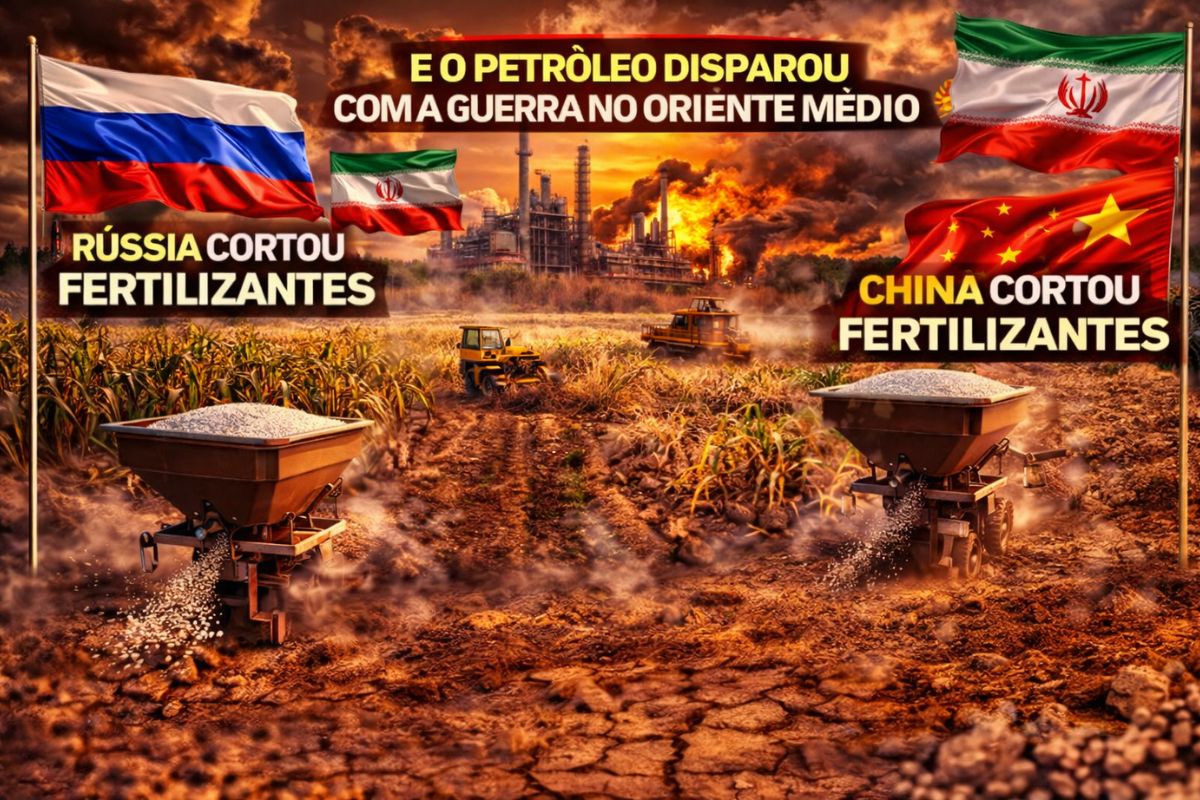
Russia cut fertilizers, China cut fertilizers, and oil prices soared with the war in the Middle East: sugarcane producers in the interior of São Paulo are seeing costs explode from all sides and warn that the effects will take months to be absorbed.
-
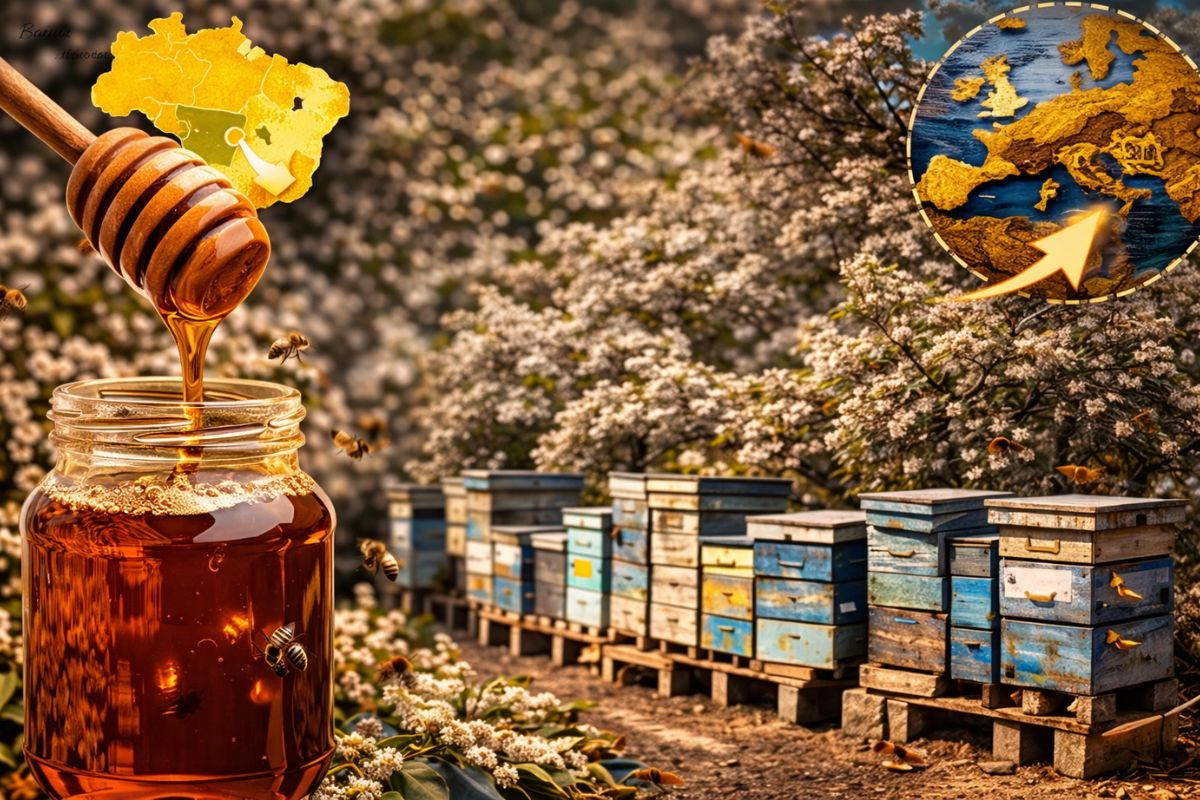
It does not come from flowers, is produced only every two years, and more than 90% goes straight to Europe: meet the bracatinga honeydew honey from Santa Catarina, considered one of the rarest in the world and overlooked by Brazil itself.
-
They said no to 26 million dollars and would do it all over again: mother and daughter from Kentucky reject a million-dollar offer from a mysterious company that wants to build the largest data center in the state on more than 2,000 acres of rural land.

-
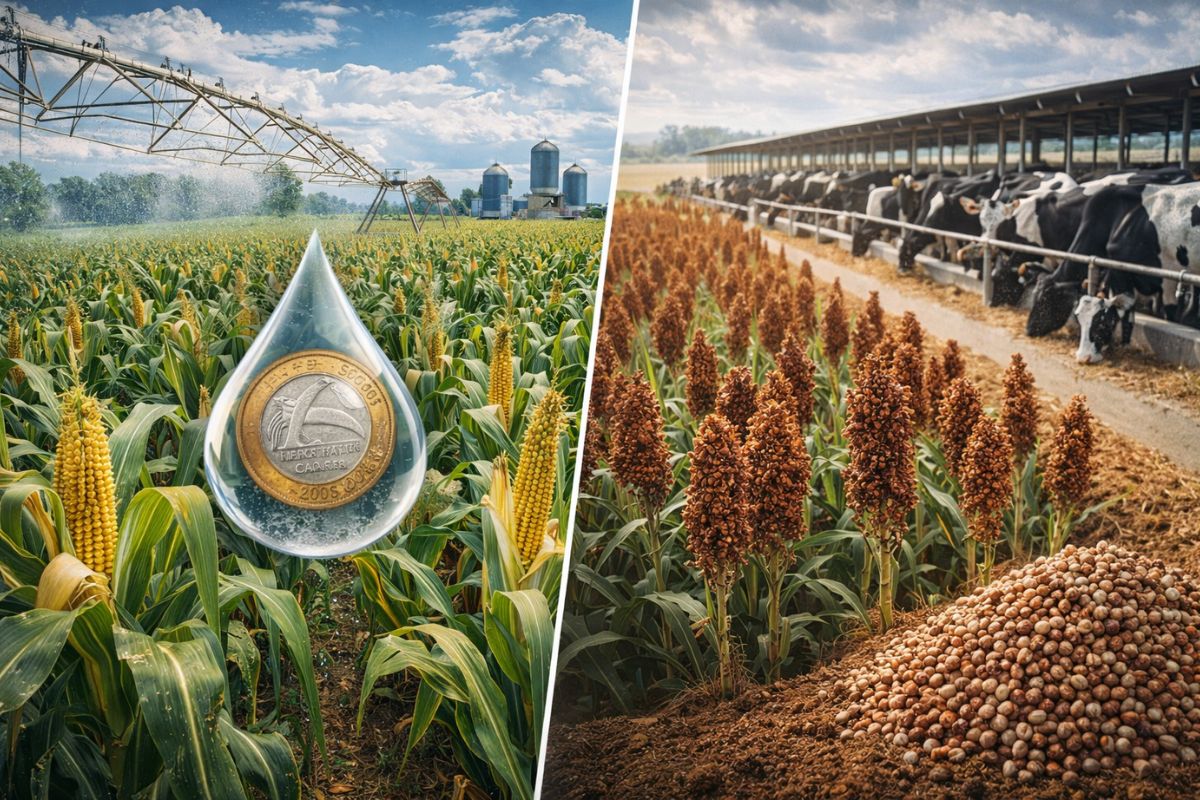
While corn requires rain and is expensive, sorghum produces almost the same volume per hectare at a cost up to 80% lower and uses less water, and it is revolutionizing dairy farming in the Triângulo Mineiro, where producers save hundreds of reais per hectare.

What Changed in the Approval Process
In China, the commercial cultivation of genetically modified seeds depends on a biosafety certificate and the specific approval of each variety.
Until recently, the country maintained strict controls, lengthy testing, and public skepticism, which limited large-scale adoption.
Now, with the official release, experts project that the planting of genetically modified corn in 2025 should be four to five times greater than in the previous year, consolidating the largest expansion movement ever recorded in the Chinese agricultural sector.
Impacts on the Global Agricultural Market
The release of the 98 new varieties signals not only an internal change but also a clear message to the global market.
China seeks to reduce external vulnerabilities, as it is one of the world’s largest importers of soybeans, while simultaneously challenging major players in agricultural biotechnology.
Analysts highlight that this decision may pressure exporting countries to accelerate their own innovation and regulatory processes, so as not to fall behind in an increasingly fierce technological race.
Furthermore, it paves the way for strategic partnerships between global companies and Chinese research centers.
Brazil and the Direct Effect of the Chinese Decision
For Brazil, the world’s largest soybean exporter, the measure represents both opportunity and challenge.
On one hand, Chinese demand may adjust in the face of greater local production; on the other hand, the movement amplifies the relevance of agricultural biotechnology as a decisive factor for competitiveness.
According to specialists cited by Compre Rural, Brazil will need to reinforce its innovation strategy to maintain its leadership in productivity and quality.
Quick adaptation to new trends may determine whether the country continues to occupy a prominent position in the Chinese market.
The approval of the 98 new transgenic varieties of corn and soybeans confirms that China has fully entered the global race for agricultural biotechnology.
More than an internal decision, the move reposition the country as a protagonist in a strategic sector and pressures competitors to accelerate their own innovation policies.
And you, do you believe this change could reduce China’s dependence on imports or create negative impacts for exporters like Brazil?
How do you see the future of agricultural biotechnology in this scenario? Please leave your opinion in the comments; we want to hear from those who live this in practice.








-

Uma pessoa reagiu a isso.