





 Portuguese
  English
  Spanish
  5 min of reading
  0 comments


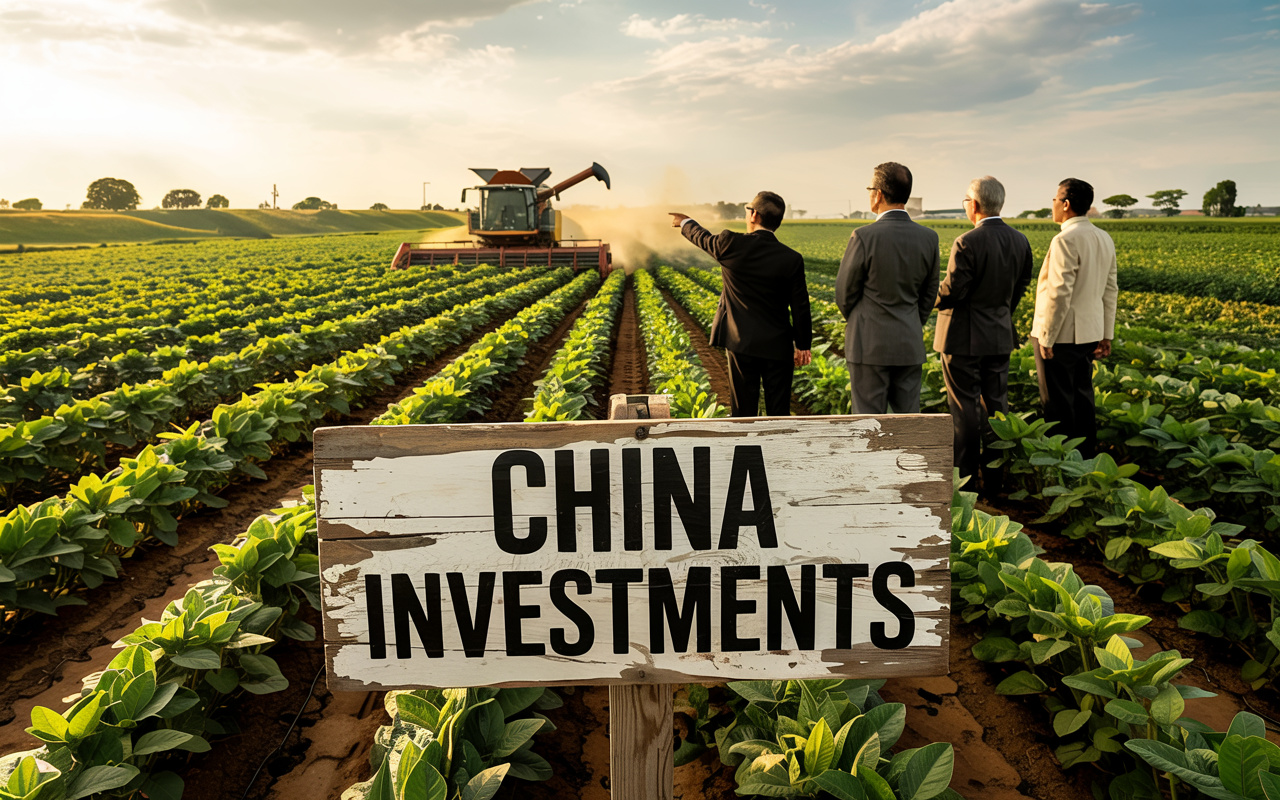
The Chinese Presence in Brazilian Agribusiness Goes Beyond Soy and Meat Purchases: Investments in Land and Infrastructure Raise Debate on Sovereignty, Export, and the Future of the Countryside.
Little is said about the topic outside specialized circles, but a silent movement has caught the attention of economists, diplomats, and rural producers: the growing presence of China in Brazilian agribusiness, including the purchase of agricultural land and direct investments in production and logistics. For Beijing, the objective is clear — to ensure food supply for 1.4 billion people. For Brazil, the issue is more complex: how to receive billions in investments without giving up sovereignty over the countryside?
China Is Already the Largest Buyer, Now It Wants to Be a Producer Too
For years, China has been the largest trade partner of Brazilian agribusiness. In 2024, the Asian country purchased over US$ 60 billion in soybeans, corn, beef, and chicken.
But Beijing wants more than just to buy: it wants to produce. Chinese companies have already acquired stakes in trading companies, cooperatives, and even in warehouses and ports, creating a direct logistical corridor between Brazil and Asia.
-
With nearly 500 thousand tons per year, barley production is growing in Brazil, while a decline in beer consumption among Generation Z raises alarms in the sector.

-
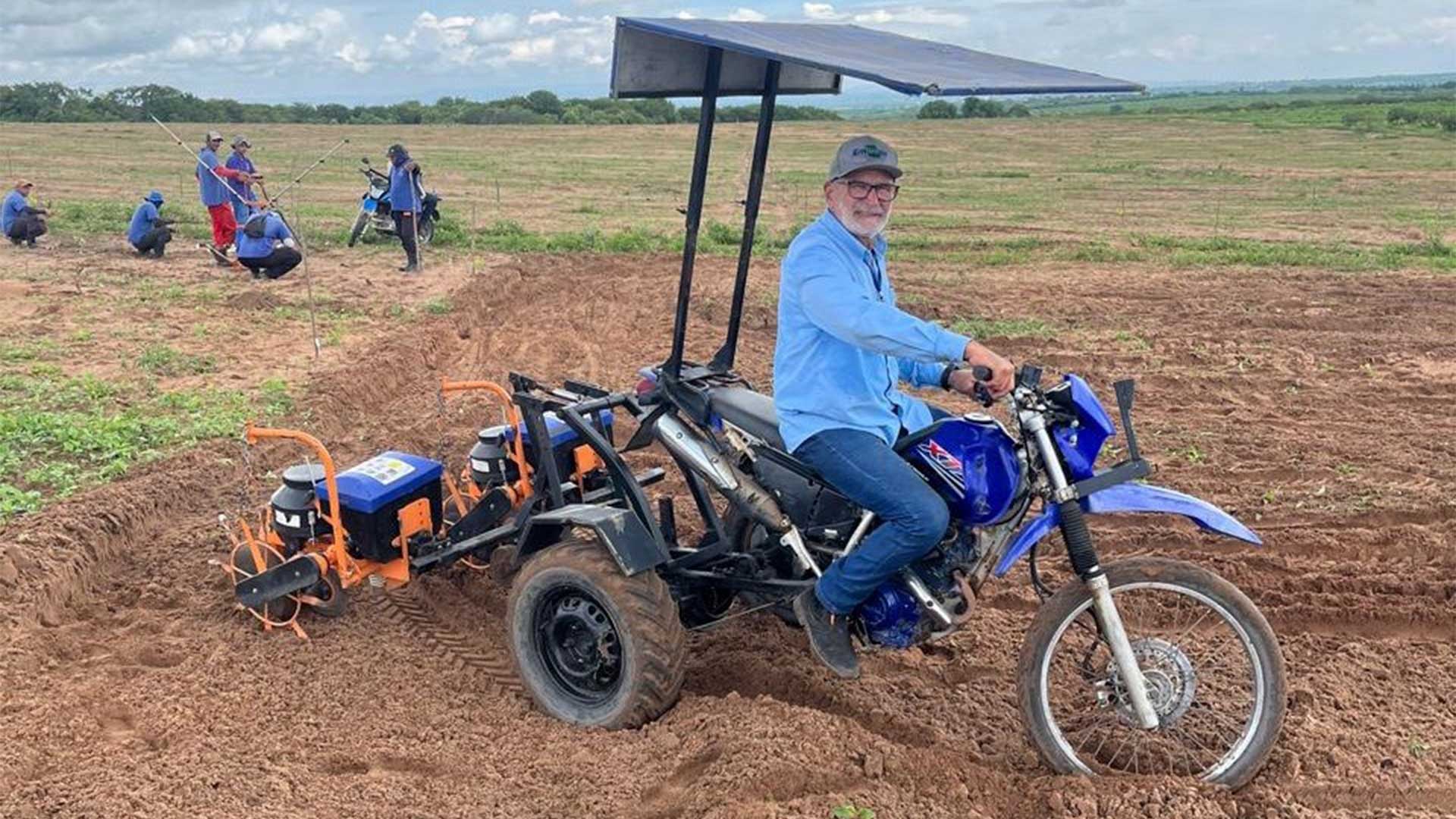
With tractors out of reach for small producers, a tricycle created by Embrapa Algodão becomes a cheap and efficient solution and gains national prominence.
-
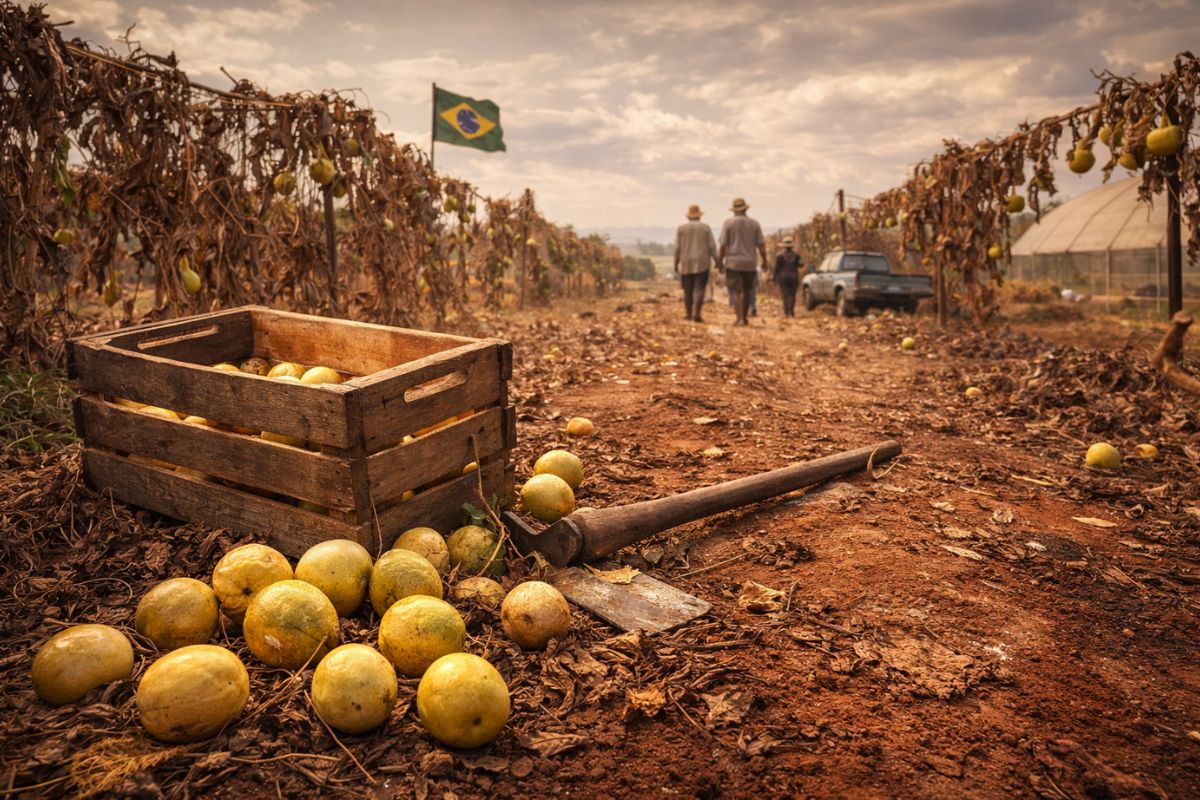
From 130 producers in the year 2000 to just 15 today: the dramatic decline of passion fruit in Araguari shows how the lack of labor in the Brazilian countryside is killing a decades-old agricultural tradition, even with Brazil being the largest producer in the world.
-
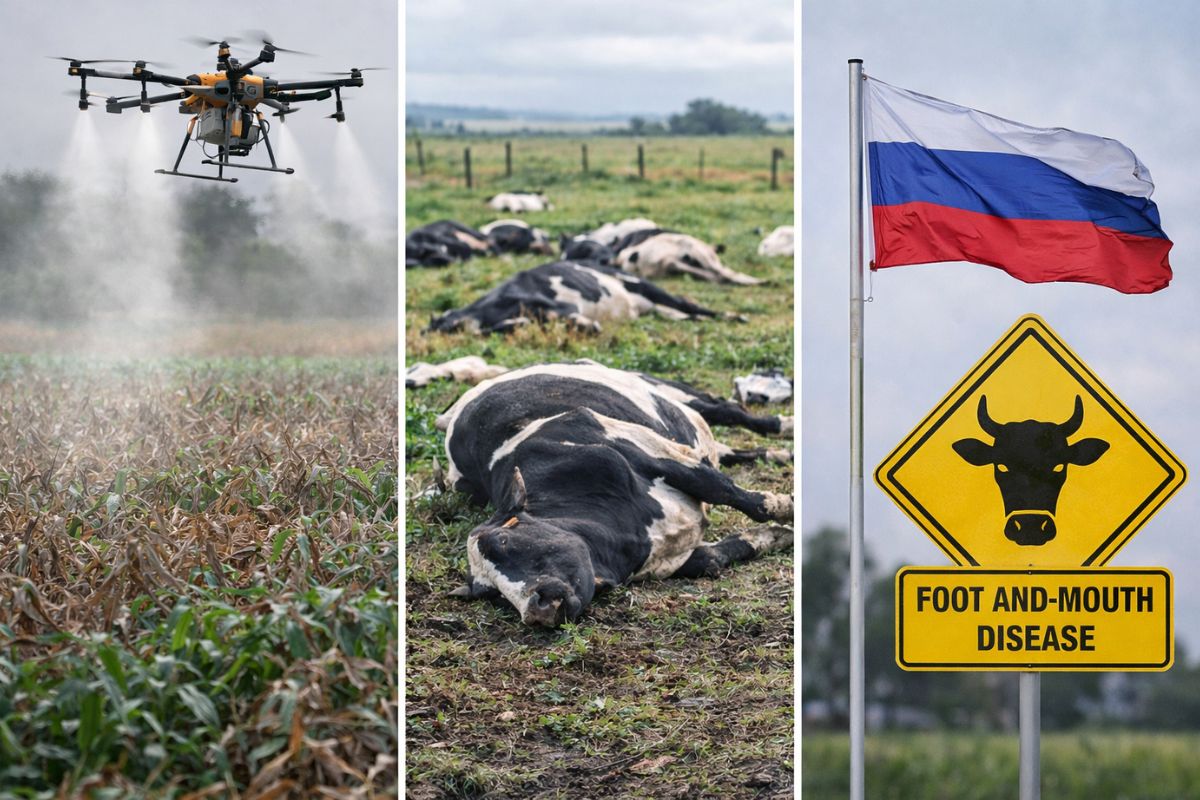
Agricultural drone sprayed poison into the air and destroyed the neighbor’s crops, causing 1 million in damages; 48 cows died from nitrite poisoning in the pasture, and Russia is hiding a possible outbreak of foot-and-mouth disease: the week was brutal for the rural sector.

Now, the movement is advancing to land. Reports from the National Institute of Colonization and Agrarian Reform (INCRA) and private consultancies indicate a significant increase in the indirect purchase of agricultural areas by foreign companies, many of them linked to Chinese capital.
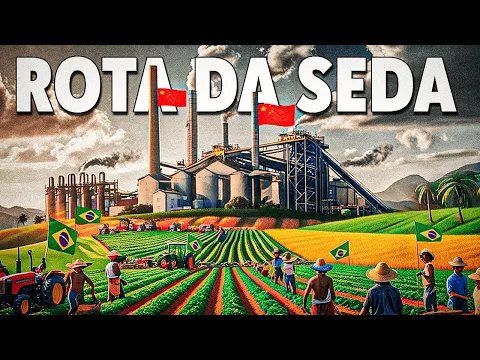

The most common model is the creation of Brazilian subsidiaries to acquire properties legally — since Brazilian law imposes restrictions on direct purchases by foreigners.
Billion-Dollar Investments in Land and Infrastructure
Market surveys estimate that, since 2010, Chinese investors have already invested over US$ 15 billion in the Brazilian agribusiness sector, including the acquisition of cultivation areas, partnerships with large producers, and investments in infrastructure related to the countryside, such as silos, ports, and railways. The most symbolic case was the purchase of the Cofco International port terminal in the Port of Santos, responsible for shipping grains to China.
This strategy gives China more than food security: it gives control over entire production chains, from planting to shipping. And it raises an uncomfortable question: to what extent are Brazilian agricultural lands, in practice, under foreign influence?
The Debate on Agrarian Sovereignty Gains Momentum
The purchase of land by foreigners is a sensitive topic in Brazil. Since 1971, there has been a law imposing restrictions, but legal loopholes allow Brazilian companies with foreign capital to acquire properties. The Federal Court of Accounts (TCU) and the Office of the Comptroller General (CGU) have already warned about the difficulty of mapping the true extent of these areas.
For specialists in geopolitics, the risk is not the sale of one plot here or there, but the possibility of creating large blocks of land under the indirect control of capital from a single country. “China is not just investing in commodities. It is designing a global supply network, and Brazil is a central link,” explains a researcher from Esalq-USP.
What Brazilian Producers Gain and What They Could Lose?
For producers and cooperatives, the influx of Chinese money has a positive side: capital to expand, technology to modernize, and guaranteed purchase contracts. In regions such as Mato Grosso and Bahia, there are examples of farms that doubled productivity after joint ventures with Chinese investors.
But there are points of concern. In selling land to foreign companies, the Brazilian producer may lose decision-making power over what to plant, whom to sell to, and at what price.
In an extreme scenario, Brazil could become merely an export platform to meet the demands of a single market, limiting diversification and autonomy in agribusiness.
Impacts on the Domestic Market and the Daily Lives of Brazilians
The expansion of Chinese agribusiness on Brazilian soil also raises a practical question: could this affect food prices in Brazil? Experts say that if large areas are used exclusively to meet the Chinese market, production for domestic consumption could take a back seat, putting pressure on prices.
Another point is the environmental impact. There are concerns that the pursuit of productivity and intensive export may lead to greater pressure on biomes such as the Cerrado and the Amazon. Environmental NGOs and regulatory bodies are closely monitoring operations, especially in areas of agricultural expansion.
What Is the Brazilian Government Doing in Response to This Advancement?
In recent years, different governments have discussed the need to revise the law on land purchases by foreigners. There are projects in Congress that tighten the rules and others that relax them, to attract investments.
The debate is delicate: on one side, there is the interest in bringing in foreign capital; on the other, the fear of seeing strategic areas of the territory under indirect control of global powers.
Meanwhile, Beijing continues to expand its map of influence. Purchases and partnerships are discreet, often mediated by Brazilian holdings. But the cumulative effect is clear: the Chinese presence in the countryside grows every year.
Is the Future of Brazilian Agribusiness in Dispute?
The trend is that Chinese investments will increase. China needs to secure the supply of soybeans, corn, cotton, and meat for its population and industry, and Brazil is the natural partner. But to what extent is this relationship beneficial for both sides?
For some, the influx of foreign capital is inevitable and positive: it helps modernize, creates jobs, and boosts the economy. For others, clear limits must be set so that the country does not wake up one day with entire blocks of its rural territory controlled by external interests.
What is at stake is more than money. It is sovereignty over the land, production, and the future of one of the most important sectors of the Brazilian economy. And, while this debate gains strength, one thing is certain: China is no longer just a buyer of Brazilian agribusiness. It is also, increasingly, a part owner of it.







-

Uma pessoa reagiu a isso.