





 Portuguese
  English
  Spanish
  4 min of reading
  0 comments



Have You Ever Stopped to Think About How the Lack of Immigration and Demographic Crises Are Shaping the Economic Future of China in Unexpected Ways?
According to Ruy Alves, manager at Kinea, these are central challenges that this country is facing today. During his participation in Os Economistas Podcast, Alves detailed how these issues are impacting the global economy and what this might mean for the future of the economic powerhouse.
The Demographic Problem in China
According to Ruy Alves, China is in the midst of a severe demographic crisis. “The situation has reached a point where many people were buying their third or fourth house, often leaving the property closed without even renting it out,” the manager explained.
He detailed that culturally, in China, properties were not rented out because the system penalized the financial returns obtained from rents. People purchased apartments solely for appreciation, resulting in many properties remaining vacant.
-
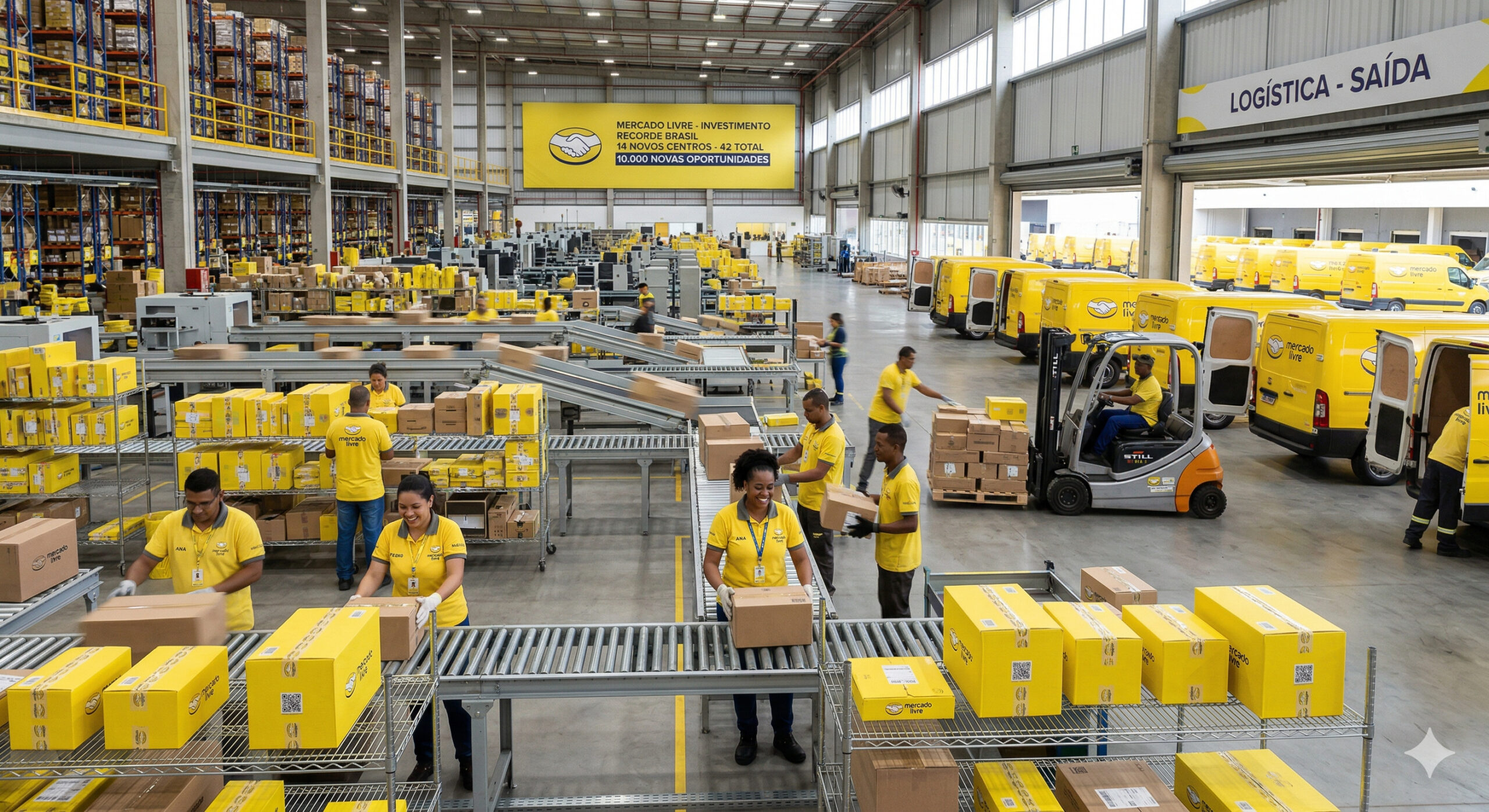
Mercado Livre “opens the vault” and announces a record investment of R$ 57 billion in Brazil in 2026, a value 50% higher than the previous year, with an expansion plan that includes 14 new logistics centers, totaling 42 units in the country and hiring an additional 10,000 employees.
-
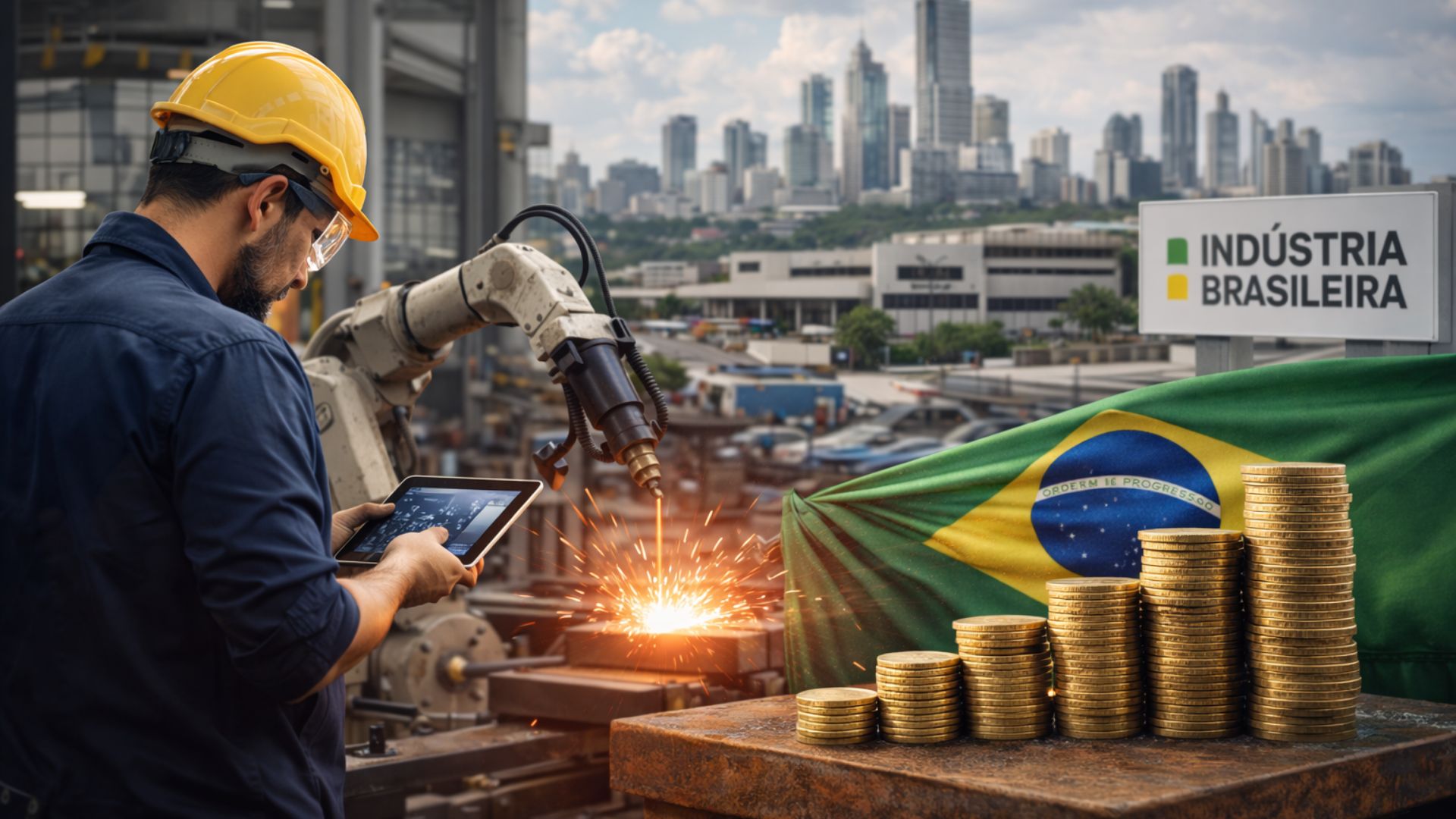
How investment in technology can revolutionize the national economy and enhance industrial gains, according to a study that highlights the direct impact on productivity, innovation, and wealth retention within Brazil.
-
The largest food company on the planet, JBS, has just opened a 4,000 square meter laboratory in Florianópolis to develop customized proteins that modulate muscle mass gain, immune response, and metabolic performance.

-
After nearly 30 bids and competition among industry giants, a Spanish company purchases one of the largest airports in Brazil for almost R$ 3 billion and takes over the management of Galeão in a concession that will last until 2039.


As Ruy Alves noted, this system has proven unsustainable. “Now, China will have to spend a few years adjusting its real estate market and dealing with the internal costs of the economy,” he stated. The manager points out that this crisis is not just a real estate issue, but reflects a broader problem related to the country’s economic and social structure.
Cost and Education Challenges
According to the manager, education in China has become extremely expensive. “The healthcare system is also becoming increasingly expensive. With costly healthcare, expensive education, and high housing costs, who will marry to have children?” Ruy Alves questioned.
He emphasized that these high costs are discouraging the formation of new families, further exacerbating the demographic problem. In addition, Alves mentioned that China faces a deficit of women, with about 50 million fewer than men.
“This deficit was created in a harmful way, as we can imagine,” he explained. The combination of these factors is creating a worrying scenario for the future of the Chinese population, making demographic recovery an even greater challenge.
China’s Economic Rebalancing
For the manager, the Chinese economy urgently needs rebalancing. “We have tried enough to stimulate the Chinese economy, but it seems to be not working,” Ruy Alves stated.
China is trying to stand out in the production of electric vehicles and in the chip manufacturing chain, but, according to the manager, “the avenues for growth seem limited at the moment.”
In this regard, he reports that the oversupply of electric cars in the global market and the technology restrictions imposed by the U.S. are further complicating China’s economic recovery.
The Economic Future of China
According to Ruy Alves, the Chinese economy faces significant challenges not only in its internal market but also in its international trade relations.
“The United States has already restricted the sale of certain products, such as semiconductors, to China, trying to limit its access to advanced technologies,” the manager explained.
This technology blockade is an attempt to control China’s advancement in strategic sectors and has profound impacts on the country’s economy.
Moreover, according to Ruy Alves, China is facing difficulties in its real estate market and in the stock market. “Even the Chinese people themselves seem not to trust the local market,” he stated. This sentiment of distrust is exacerbating the internal economic crisis and making it more difficult for China to find effective solutions.
Similarities with the Brazilian Market
For the manager, the Chinese market shares similarities with the Brazilian market. “Both have not shown significant growth in terms of value since 2006,” Ruy Alves remarked.
He highlighted that the situation is so critical that even copper, one of the valuable natural resources, has been resold due to China’s oversupply.
“China has started to export excess copper,” the manager explained, reflecting on how policies and economic conditions can have global repercussions.
The Situation in Europe
Ruy Alves also addressed the economic situation in Europe, which is at a critical turning point. “Europe is literally between two giants: the United States, which dominates the technology sector, and China, which is increasingly growing,” the manager stated.
In this regard, he observed that despite its reputation for quality and innovation, Europe has few technology companies and faces significant challenges in its economy.
Additionally, Ruy Alves highlighted that Europe is facing intense competition in the automotive sector.
“Asians are producing better and more competitive electric cars,” the manager emphasized. This growing competition has sparked debates over potential sanctions on electric cars in Europe, highlighting the impact of Asian pressure on the European automotive industry.
Reflections on the Global Economy
Finally, according to Ruy Alves, the global economy is constantly changing. “Geopolitical and economic decisions made today will shape the future of countries like China and Europe,” the manager concluded, warning that what is certain is that China faces complex challenges that require a quick and effective adaptation to ensure long-term economic stability.
Watch the full video:











Seja o primeiro a reagir!