





 Português
  Inglês
  Espanhol
  4 min de leitura
  0 comentários


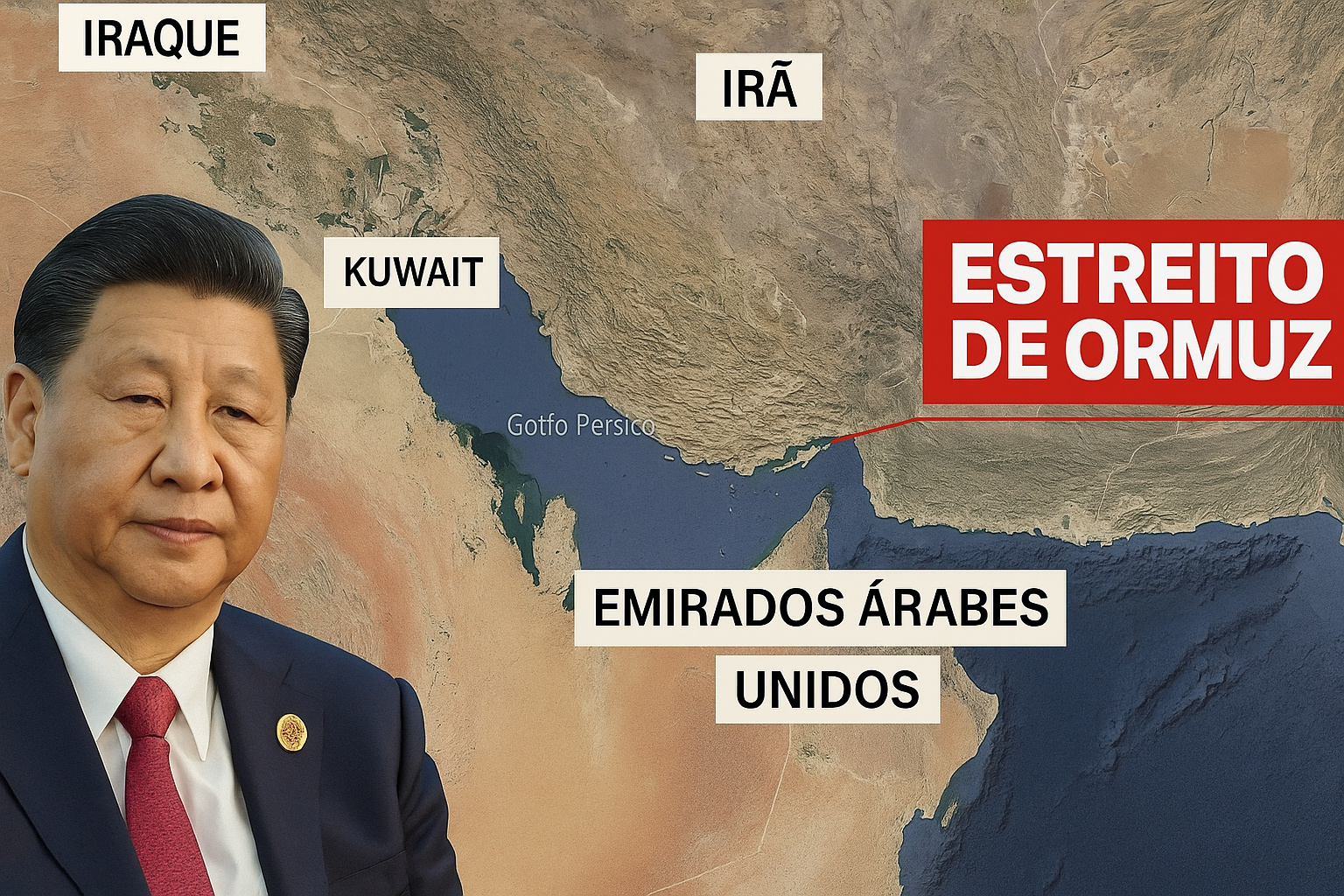
China Demands Daily Reports from Chinese Ships in the Strait of Hormuz as Iran Threatens to Close Crucial Oil Route Following U.S. Attacks.
China has intensified monitoring of Chinese ships transiting the Strait of Hormuz in response to rising tensions in the region following airstrikes by the United States against Iran. The fear of a possible closure of the crucial trade route for global oil flow has led Beijing to issue an unprecedented guideline to maritime sector companies: starting this week, all companies must submit daily reports detailing the movements of their vessels in the waters of the Persian Gulf, the Gulf of Oman, and the Strait of Hormuz itself.
Mandatory Reports to Strengthen National Security
According to a statement released by the China Shipowners’ Association (CSA), which is linked to the Ministry of Transport, the data must include the vessel’s name, IMO number, type of ship, flag, capacity, ports of origin and destination, crew number, expected times, and data on trips already made since the beginning of last year. The objective is to enhance surveillance and protect the strategic interests of the country in an area of central importance for energy trade.
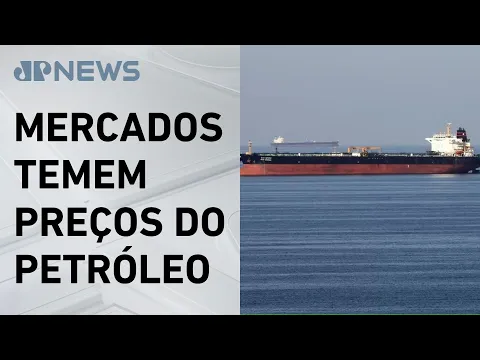

The association highlighted that the current scenario, exacerbated by conflicts in the Red Sea and escalating tensions in the Middle East, demands exceptional measures. The Strait of Hormuz, through which nearly half of the oil imported by China passes, has become even more sensitive in the face of the Iranian government’s threatened blockade following U.S. bombings.
-
Neither the USA nor China: a small European nation has become one of the largest maritime powers on the planet, controlling one of the largest merchant fleets in the world with thousands of ships and dominating the global transportation of oil and strategic cargo.
-
Scotland and the United Kingdom have created a new anchoring system that floats in the water without touching the seabed, after discovering that the current from a conventional anchor destroys up to 50 m² of seagrass meadow per event and that ship-damaged reefs showed no signs of recovery even ten years later.

-
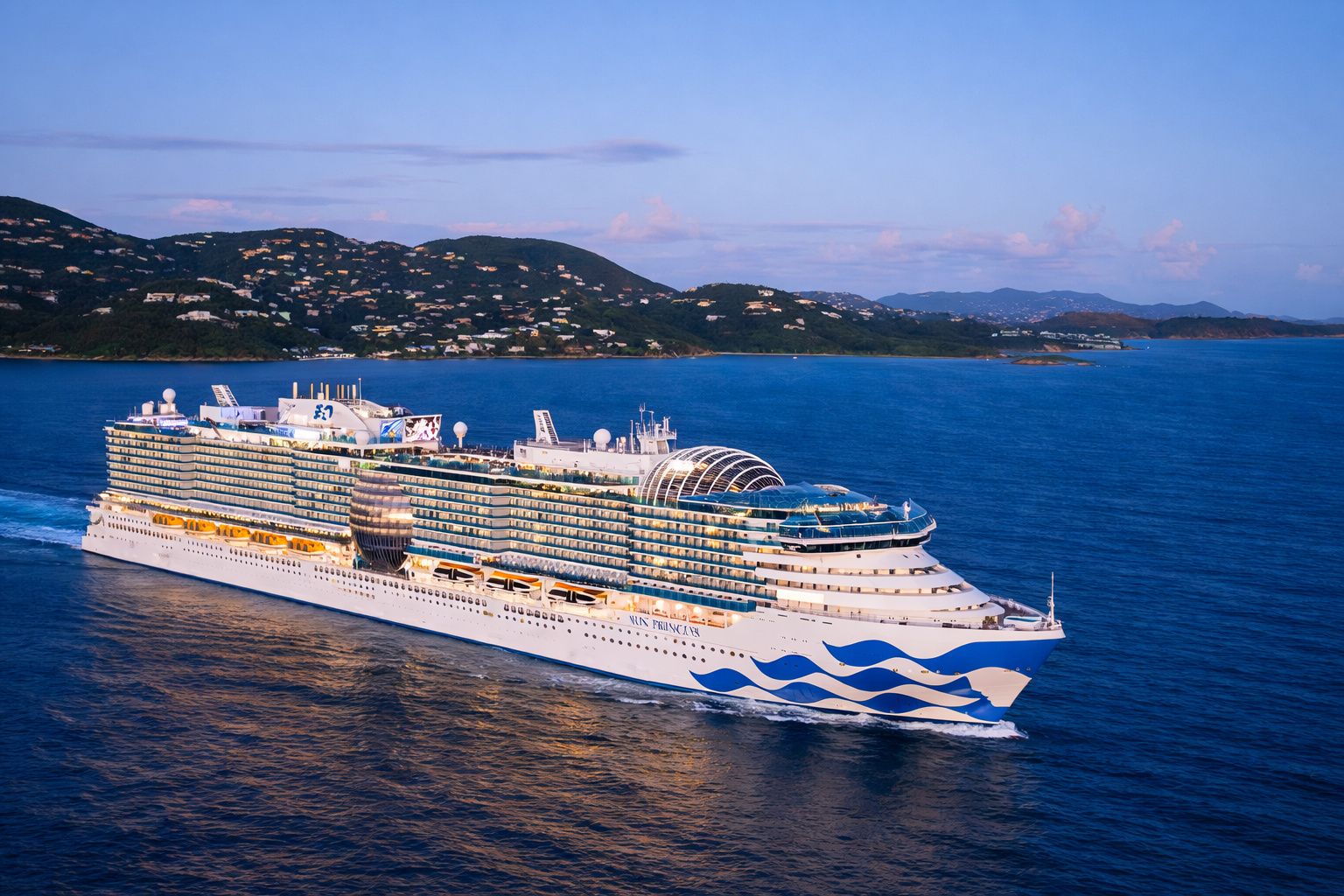
Weighing 175,500 Tons, Measuring 345 Meters Long, and With Capacity for Over 4,300 Passengers, the Sun Princess Becomes the Largest Ship Ever Built by Princess Cruises and Attracts Global Attention for Its Huge Glass Dome Inspired by Santorini’s Architecture Installed on Top of the Vessel
-
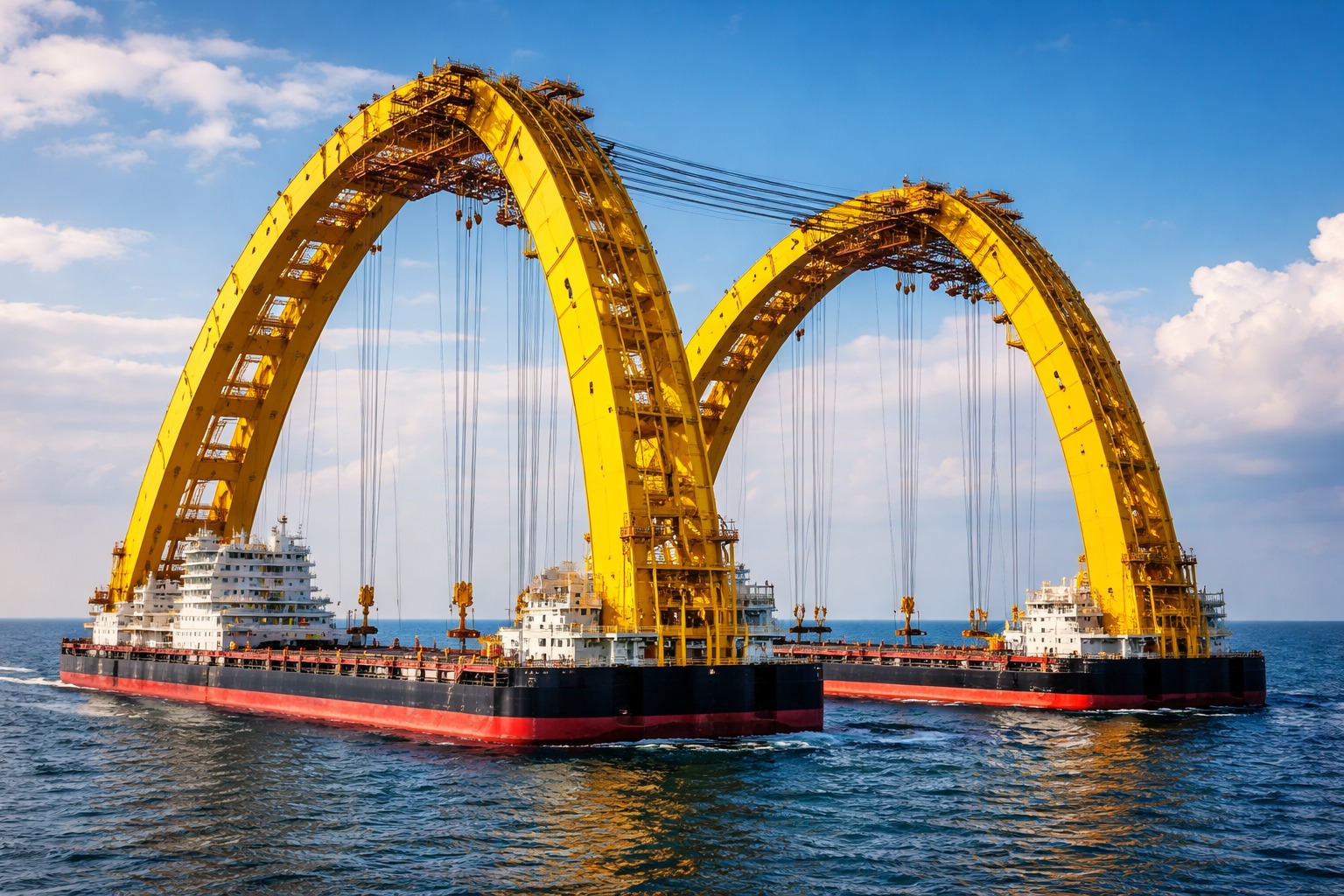
TX-10, The Colossus of The Sea: Largest Lifter Ship in The U.S., With Two Giant Barges, 73-Meter Tall Structure, and Strength to Raise 7,500 Tons of Sunken Oil Rigs

Iran Considers Closing Hormuz in Reaction to Attacks
Last Sunday, the Iranian parliament approved a proposal that authorizes the eventual closure of the Strait of Hormuz as a form of retaliation against the United States. The measure comes after Washington attacked nuclear facilities on Iranian territory amid rising tensions with Israel.
Despite the parliament’s authorization, experts indicate that the final decision will rest with Iran’s Supreme National Security Council and that, at the moment, the possibility of closure is considered remote. Nonetheless, the risk is already affecting the behavior of the maritime sector and worrying economic powers such as China, which directly depends on stability in the trade route to maintain its energy supply.
United States Pressures China for Diplomatic Action
In an interview granted on Sunday, U.S. Secretary of State Marco Rubio urged China to work with Iran to prevent the closure of Hormuz. “They heavily rely on the Strait of Hormuz for their oil.
It is in China’s interest to ensure that this waterway remains open,” Rubio stated. The U.S. government sees Beijing as an actor with sufficient influence to curb a potential more radical move by Tehran.
During a press conference, the Chinese Ministry of Foreign Affairs emphasized that the Persian Gulf region is vital for international trade and advocated for joint efforts from the global community to reduce the risk of escalation and maintain economic stability.
Companies Adjust Operations While Monitoring Risks
The growing tension in the Strait of Hormuz is already impacting companies’ and governments’ planning. Maersk and CMA CGM, two of the largest shipping companies in the world, reported that they continue to monitor the situation and are maintaining operations in the area for now. Maersk highlighted that it is ready to reassess its routes and take operational measures as new developments occur.
In parallel, Greece’s Ministry of Maritime Transport recommended that national shipowners reexamine planned transits through the region, warning of rising risks following recent U.S. attacks.
For Lars Jensen, CEO of consulting firm Vespucci Maritime, the main decision factor for companies is not the attack itself, but the perceived level of risk. “The question is whether the risk is enough to provoke a change in routes and reduce traffic in the Strait of Hormuz,” Jensen stated.
Closure of Hormuz Would Harm China and Iran
Experts assess that closing the Strait of Hormuz would be highly detrimental to Iran itself and would directly affect its largest trading partner, China. According to Kpler data, 90% of Iran’s oil exports are destined for the Chinese market. Disrupting the trade route would jeopardize Iranian government revenues and Beijing’s energy security.
Homayoun Falakshahi, head of crude oil analysis at Kpler, estimates the chance of an effective closure of the strait at less than 5%. He noted that, in addition to the economic impact, the closure would violate Omani waters, a regional partner of Iran, creating a new focus of diplomatic friction.
If the strait were blocked, China would need to seek alternative supply sources, which could pose a significant stress test on its logistics chain and refining systems.
China Seeks to Protect Its Trade and Fleet
The decision to reinforce control over Chinese ships in the region is a way to anticipate possible impacts and maintain a direct communication channel with industry companies. The Chinese government intends to closely monitor traffic on the trade route and act quickly if the situation deteriorates.
For experts, the measure reflects China’s role as a global power with a strong dependence on maritime trade and oil supply. In an increasingly uncertain scenario, the country relies on rigorous monitoring and a cautious foreign policy to avoid disruptions in its energy matrix and supply chains.










Seja o primeiro a reagir!