





 Portuguese
  English
  Spanish
  5 min of reading
  3 comments


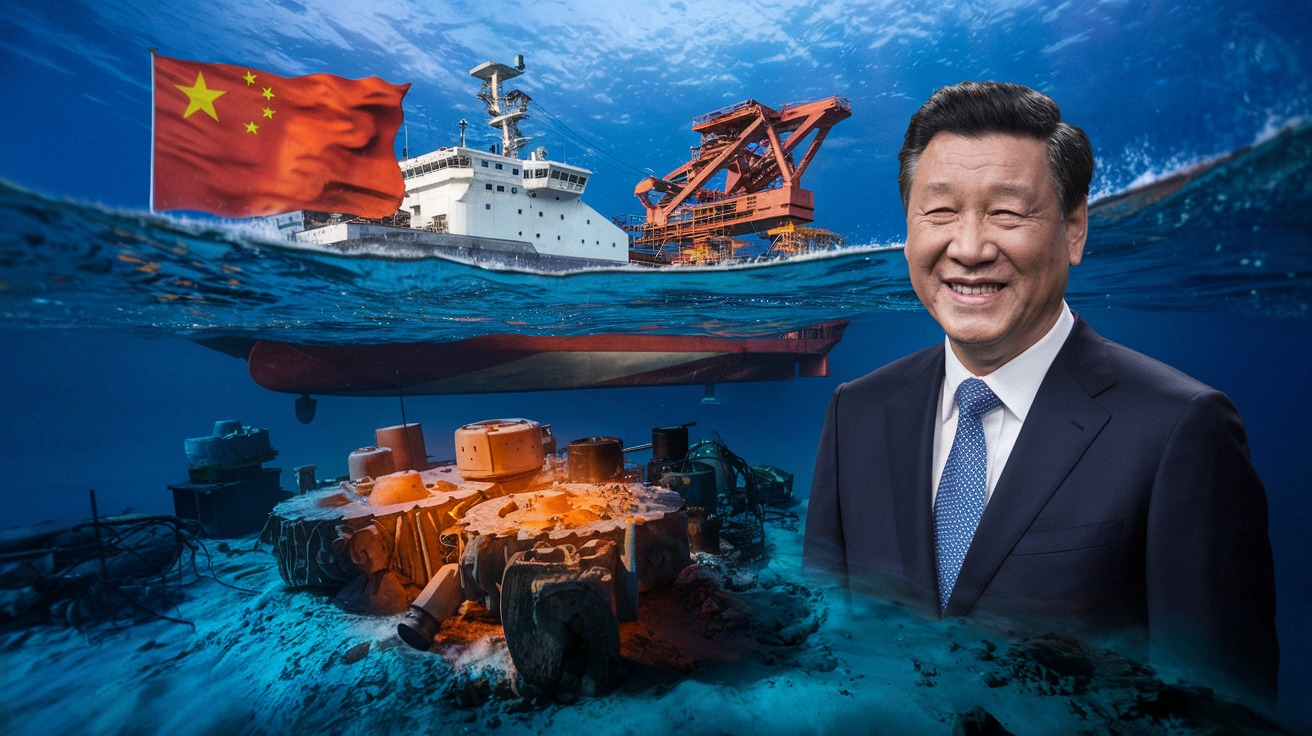


China, The Largest Manufacturer of Solar Panels, Electric Cars, and Batteries, Wants the World Hostage to Its Supremacy in Critical Minerals and Aims Deep in the Ocean to Extract Trillions of Nodules of Copper, Nickel, Cobalt, and Manganese.
China, always ambitious, is eyeing a new territory to expand its dominance: the ocean floor. With trillions of nodules of nickel, copper, cobalt, and manganese scattered in the deep seas, seabed mining seems to be the next logical step. These “critical minerals” are fundamental for the green economy the world is pursuing, but the path to extracting them is still fraught with regulatory uncertainties.
The International Seabed Authority (ISA), an agency of the UN, is still deliberating on the rules for this practice. On one side, environmental groups are calling for a total ban, fearing irreparable damage to the marine ecosystem. On the other, companies and governments, especially China, are pushing for regulations that allow controlled exploitation. Recently, at an ISA meeting in Jamaica, between July 29 and August 2, these debates intensified even further.
China Is a Global Leader in the Manufacturing of Solar Panels, Electric Cars, and Batteries, Items That Depend on These Minerals
The demand for critical minerals is expected to more than double by 2040, primarily driven by China. The Asian giant is a global leader in the manufacturing of solar panels, electric cars, and batteries, items that depend on these minerals. In the past year, clean energy industries accounted for 40% of China’s GDP growth, according to the Clean Energy and Air Research Center, a Finnish think tank.
-
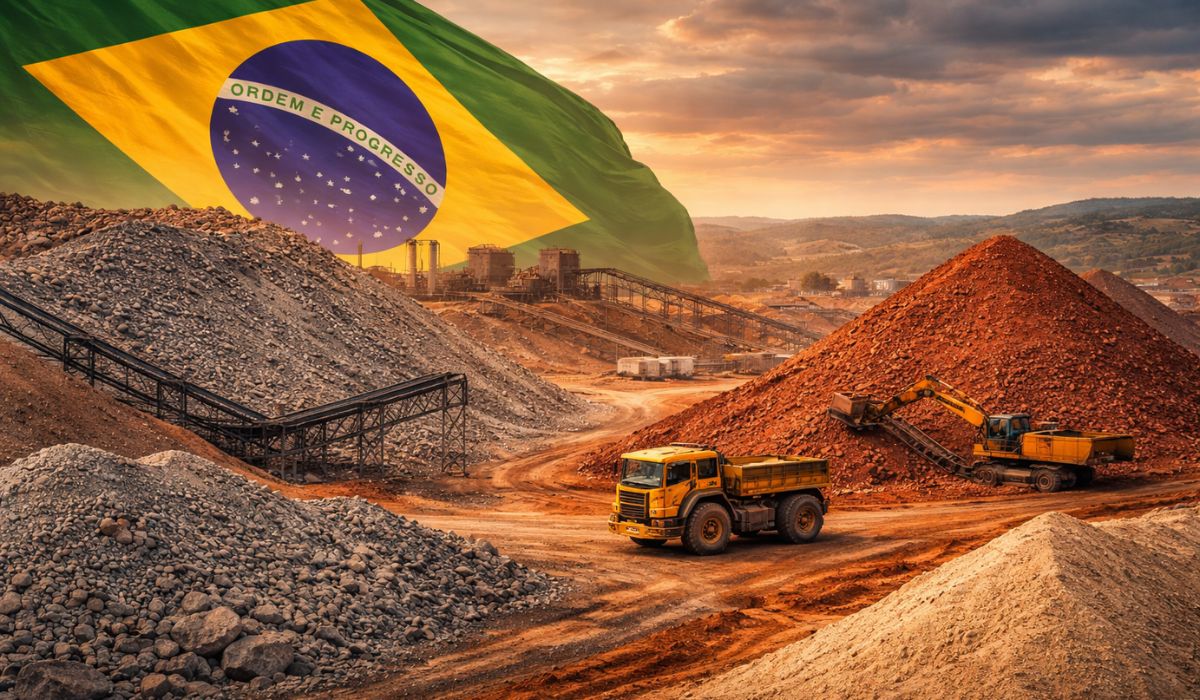
Brazil extracts 26.3 million tons of ore from what was previously treated as waste, transforming residues into wealth, producing over 3 million tons of sand, and demonstrating how national mining is relearning to generate value.
-
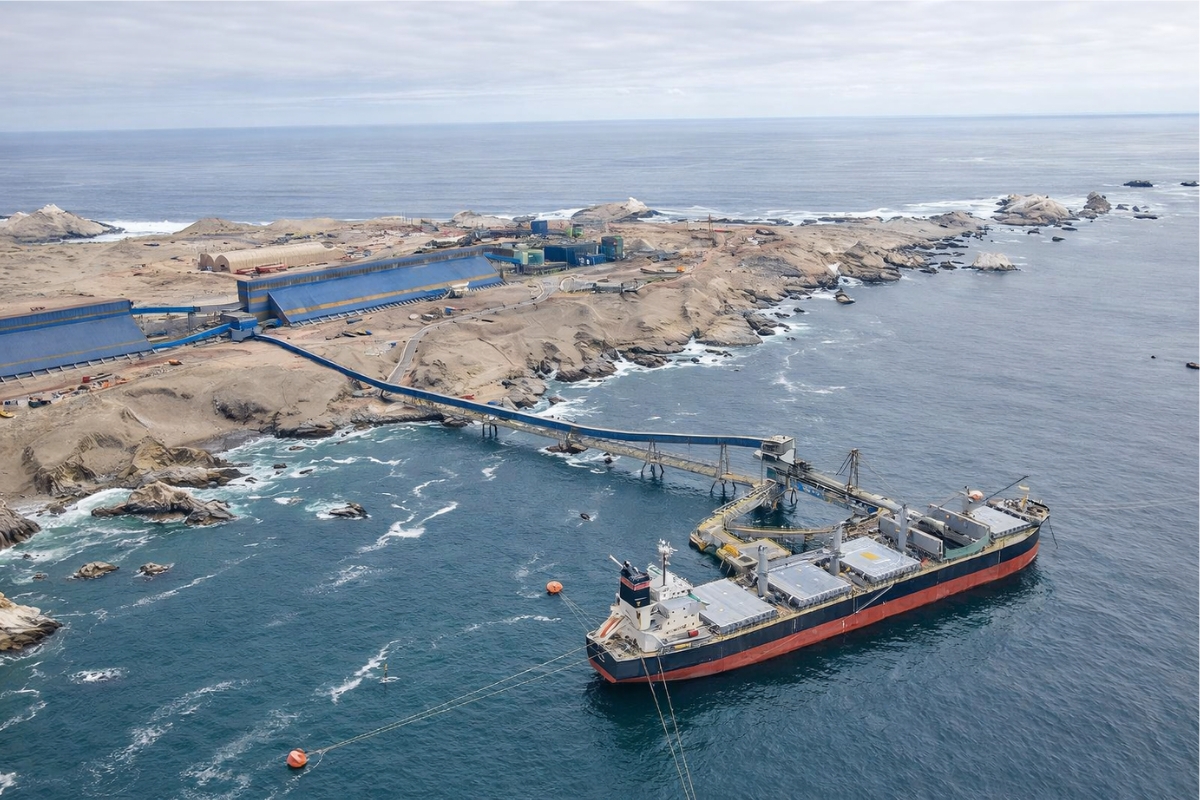
A $3.5 billion megaproject in Latin America pumps desalinated seawater at 1,050 liters per second over 194 km to keep a copper supermine in the Andes operational for another 20 years.
-
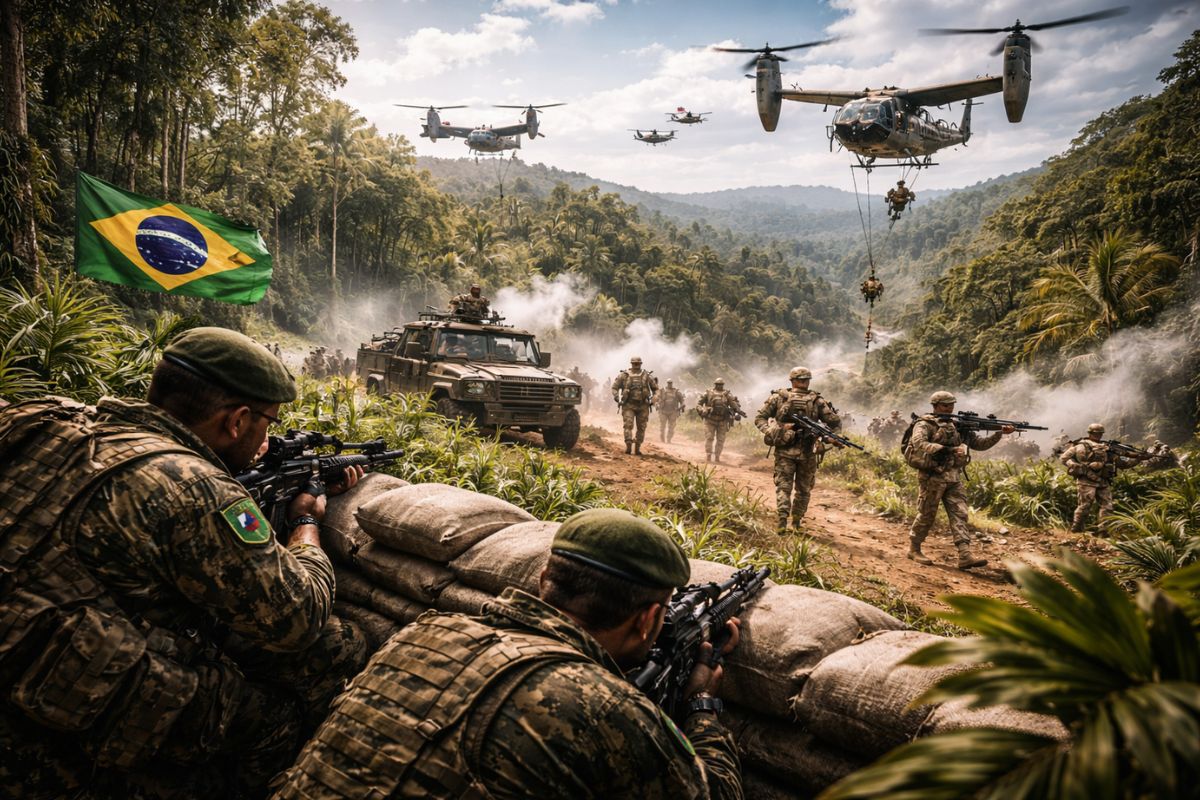
If the USA were to go to war with Brazil, Washington’s greatest fear would not be the attack itself, but facing a vast territory, prolonged resistance, and a costly, chaotic, and unpredictable occupation.
-
In 2013, Nicaragua sold the concession for a canal to rival Panama to a Chinese billionaire who lost 85% of his fortune, disappeared, and was declared bankrupt. Now the project resurfaces with a new route, a new Chinese partner, and a cost of $64.5 billion.
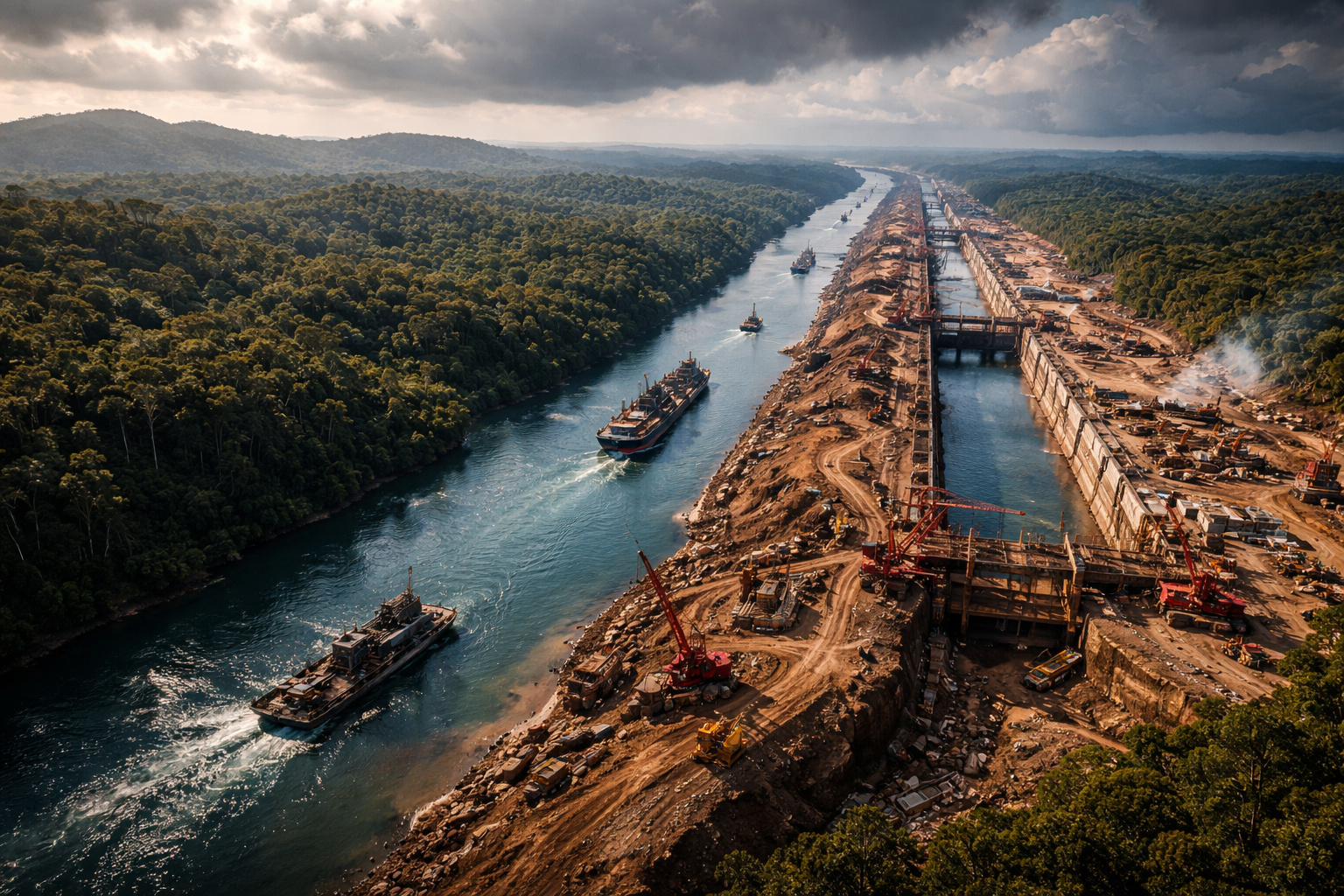

However, China’s dependence on importing these minerals from other nations, such as South Africa, Gabon, Australia, and the Democratic Republic of the Congo, worries its leaders. They fear that political instability or pressure from rivals, such as the United States, could disrupt the supply of these essential materials. Thus, the race for critical minerals has become a new front in global strategic competition.
The Importance of These Minerals for China’s Future Is Compared to Oil and Gas
The importance of these minerals for China’s future is compared to oil and gas. Deep-sea mining emerges as a solution to ensure a secure supply, far from the sovereign borders of other countries. In 2016, Xi Jinping, China’s leader, highlighted the need to explore the “hidden treasures” of the ocean, initiating a national effort to conquer the seabed.
To achieve this goal, China has spent years building influence within the ISA. This body, responsible for regulating the seabed in international waters, is funded by its members, with China being the largest donor. Additionally, in 2020, the country offered a training facility in the port city of Qingdao, further strengthening its ties with the ISA.
In recent ISA meetings, some countries attempted to impose a moratorium on seabed mining but were blocked by Chinese pressure. China’s goal is to establish a permissive mining regime, free from external interference, as noted by Isaac Kardon from the Carnegie Endowment for International Peace. So far, the ISA has issued 31 licenses for mineral exploration, with China holding five of them, more than any other country.
Chinese mining companies include the China Ocean Mineral R&D Association, China Minmetals, and Beijing Pioneer Hi-Tech Development. Three of the Chinese licenses cover areas in the Clarion-Clipperton Zone in the eastern Pacific Ocean, where mineral deposits are comparable to all land reserves. The other two are located in the western Pacific and the Indian Ocean.
However, Chinese companies are not just seeking profit. They have broader goals, such as securing the supply of minerals to strengthen the nation. In March, the president of China Minmetals, a state-owned giant, promised to expand operations to ensure that China cannot be dislodged from global supply chains. He emphasized that seabed mining is crucial for “rejuvenating the Chinese nation.”
China’s Ability to Build Ships and Robots Quickly
Deep-sea mining involves advanced technology, with large robots sent to the ocean floor to collect polymetallic nodules. Although Chinese technology is still not the most advanced, it is evolving rapidly. In July, a team from Shanghai Jiao Tong University tested a robot at over 4,000 meters depth, collecting 200 kg of material. Chinese state media highlighted the use of domestic components, breaking international monopolies.
If commercial mining begins, Chinese companies will likely lead the sector. China’s ability to build ships and robots quickly, alongside generous government support, positions the country ahead of any competitor. Moreover, the vast domestic demand for these minerals ensures a certain market for the riches extracted from the seabed.
World on Alert: Seabed Mineral Extraction May Serve as a Front for Military Operations
However, this prospect worries environmentalists. The ocean floor is home to thousands of unique species, from microbes to sponges, which may be severely impacted by mining. Even with strict regulation, robots could cause irreversible damage, destroying habitats and creating sediment plumes that threaten marine life. Additionally, the history of Chinese mining companies in terms of environmental responsibility is concerning, even on dry land, where enforcement is easier.
China’s rivals also have their concerns, not just with the environment. There is fear that deep-sea mining could serve as a front for military operations, such as submarine research that would benefit the navigation of Chinese submarines. In 2021, for example, a research vessel from China Minmetals made an inexplicable detour near Hawaii, where the U.S. maintains large military bases.
The greatest Western concern, however, is about who will control the supply chains of clean energy industries. China already holds a significant advantage in this field, and seabed mining could further consolidate that position. Meanwhile, the United States, which has not ratified the United Nations Convention on the Law of the Sea (UNCLOS), is excluded from ISA discussions. In March, a group of former American officials urged the Senate to ratify the treaty, emphasizing that the absence of the U.S. has benefited China.
These concerns are seized upon by Western companies advocating for seabed mining, such as Canada’s The Metals Company, which hopes to apply for a commercial license from the ISA later this year. In Washington, the company has received support, with many fearing that China could dominate this emerging industry. “The possibility of China controlling this industry is a very strong motivator,” stated Gerard Barron, founder of The Metals Company.


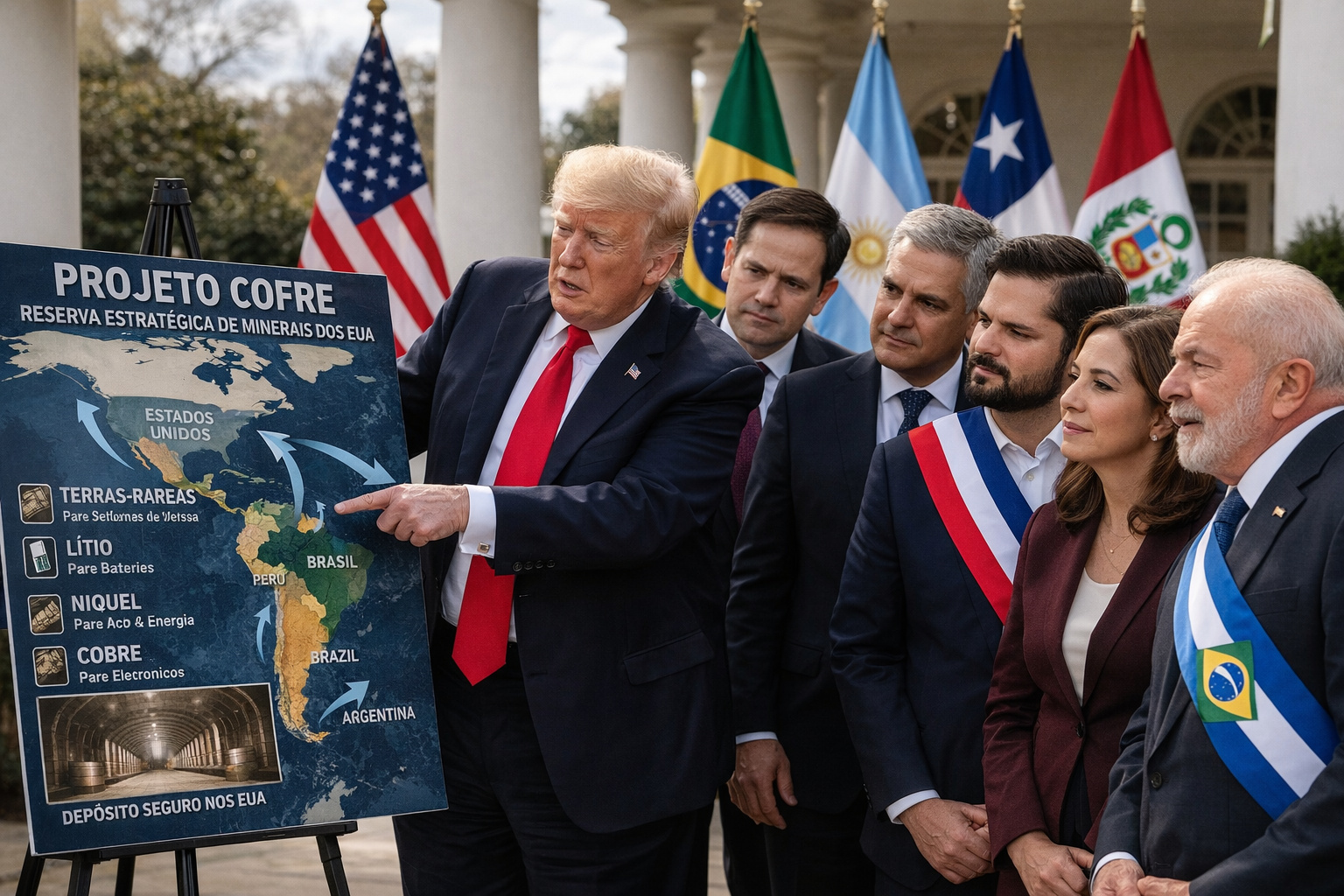







Se o nome troca “EUA e Europa mira fundo do oceano para extrair trilhões de toneladas de cobre, níquel, cobalto e manganês para tornar operações de indústria civil militares de **** críticos e sustentável ” viu ocidente Parece sem problema??? Quando foi china e vai deixar mundo refém ??? Para com essa arrogância discriminação….
Tem razão, os ocidentais esqueceram que foram piores predadores no passado recente na África, América Latina e uma parte da Ásia , as sequelas até hoje
E viva a China. Mineração na Lua mineração no fundo do mar mineração na Terra.