





 Portuguese
  English
  Spanish
  6 min of reading
  22 comments


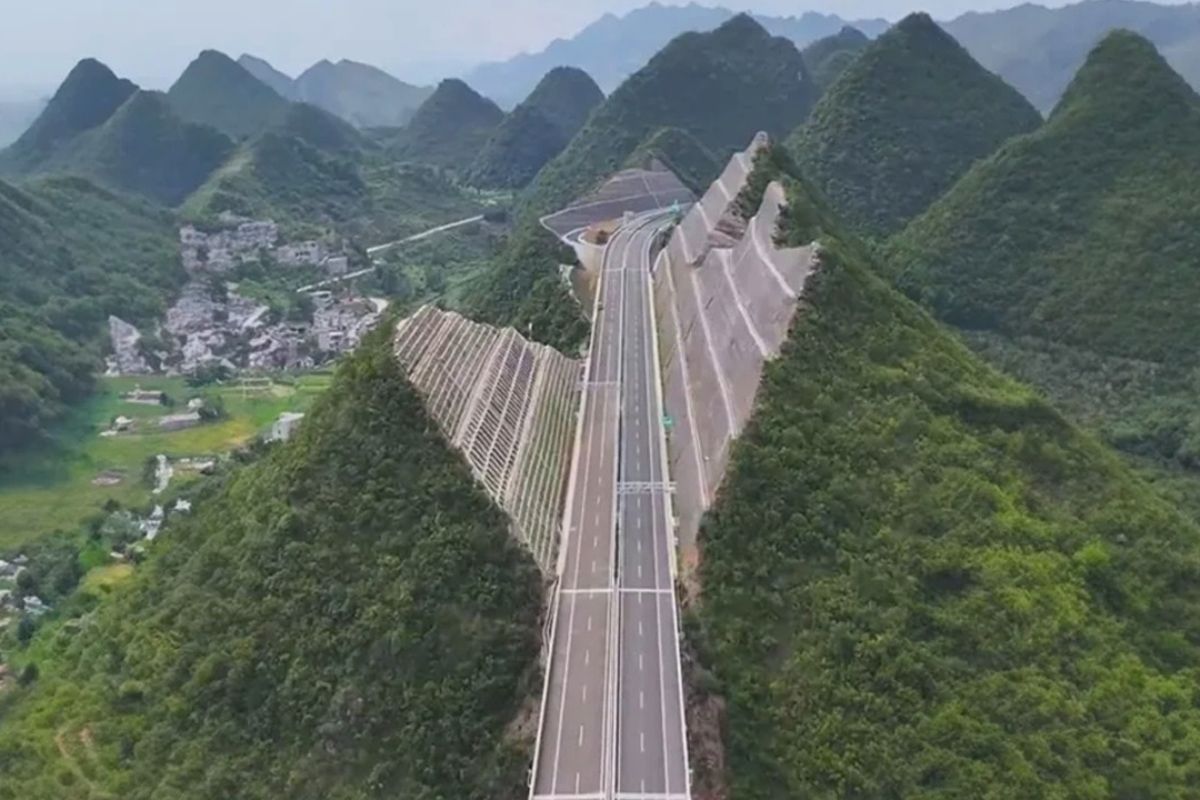


In China, The Huajiang Bridge Crosses The Huajiang Canyon In Guizhou, Born After A Mountain Split In Half, Consolidates The Highest Bridge In The World, Reduces Journey From Two Hours To Two Minutes And Transforms Ancient Isolation Into A Touristic, Logistical And Symbolic National And International Showcase Of Engineering In Guizhou
At the beginning of this year, China put into operation the Huajiang Bridge, a structure inaugurated 625 meters above the gorge and the river, in Guizhou, and integrated into the S57 highway. The Huajiang Bridge crosses the Huajiang canyon with the highest bridge in the world and reduces a journey that used to take up to two hours on mountain roads to just two minutes of continuous travel.
Since the late 1990s, when the country inaugurated the Guiyang international airport, and throughout a cycle of intensified investment starting in 2012, China has been using large projects in Guizhou to break the isolation of mountainous regions. In this context, the Huajiang Bridge becomes the most recent symbol of the strategy that combines infrastructure, tourism, and economic integration in a province with more than 32,000 bridges in operation.
Why Guizhou Needed The Huajiang Bridge

The province of Guizhou is described by a local saying that states there are no three feet of flat land, an expression that summarizes the mountainous and fragmented relief of the region.
-
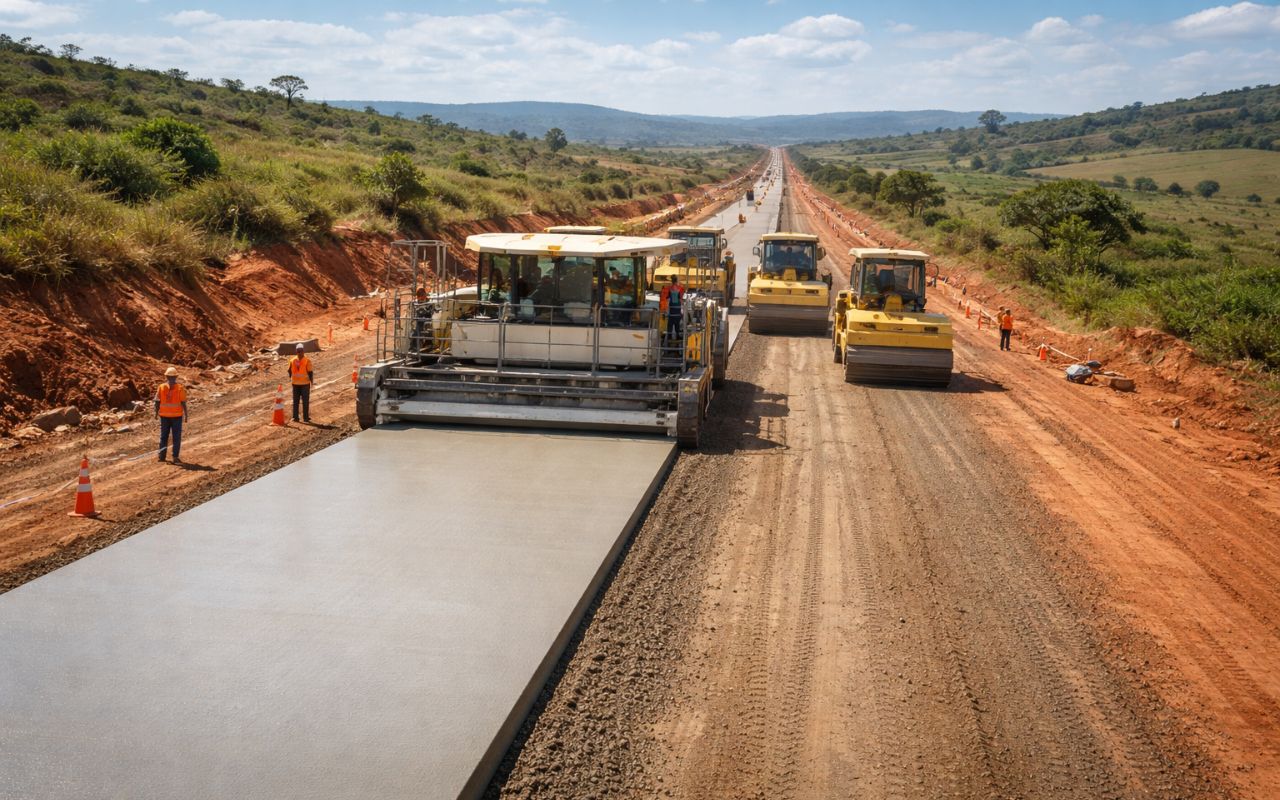
New CCR concrete paving technology promises roads up to 3x more durable, less maintenance, and cost reduction in Brazil.
-
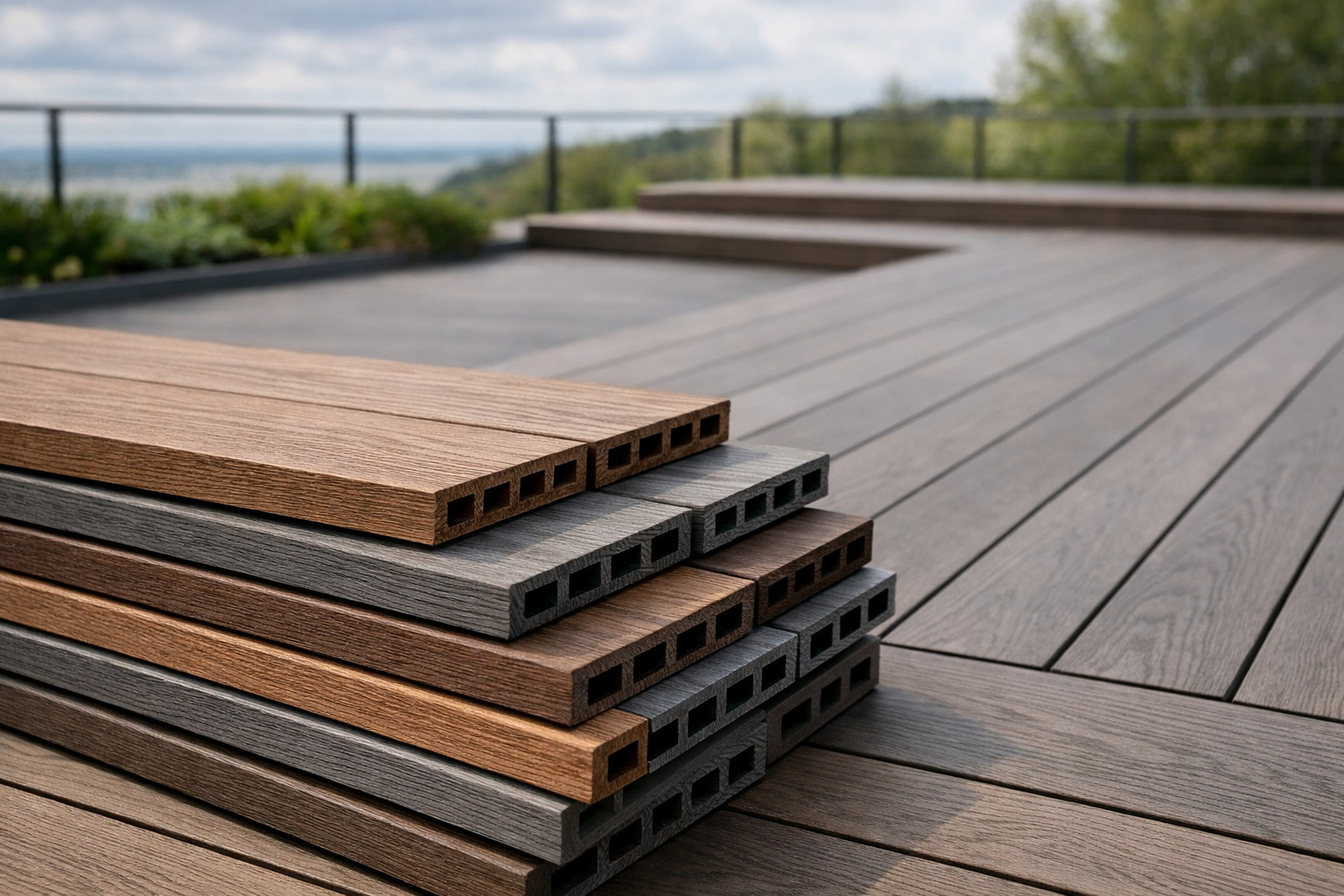
Made from recycled plastic, plastic wood is gaining space in the construction industry because it does not rot, resists moisture, and reduces maintenance costs over the years.
-
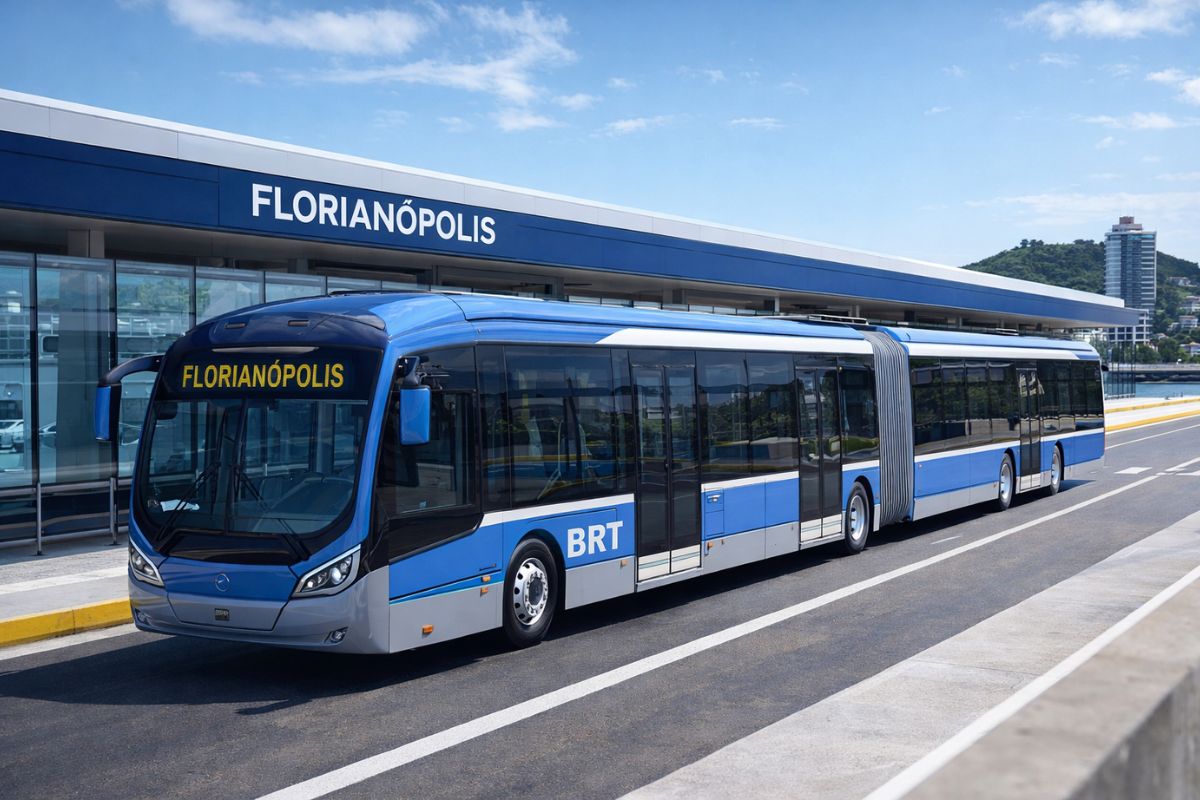
Florianópolis will receive a million-dollar BRT that will begin construction in 2026 with nearly 400 million in funding from the federal government and the Inter-American Development Bank, and the map already shows the routes for the exclusive bus corridors.
-
Without a blueprint, without an engineer, and using scrap from the dump, a father spends 15 years building an 18-room castle for his daughter, featuring tram tracks, 13 fireplaces, and over 700 m², which may now be demolished.
More than 90 percent of the territory is made up of mountains and hills, a scenario that explains why, historically, China faced great difficulties in reaching and moving around Guizhou, despite the landscape being compared to Switzerland in beauty and tourism potential.
Before the Huajiang Bridge, those who needed to cross the Huajiang canyon took a long detour through winding roads, going up and down slopes on tight curves until reaching the other side of the valley.
This crossing could take up to two hours by car and limited access for tourists, trucks, and residents to services, jobs, and markets in other parts of the province.
By shortening this route to two minutes, the highest operational bridge in the world alters the logic of daily commuting and redesigns the map of opportunities in Guizhou.
How China Split A Mountain In Half To Connect The Highway
The Huajiang Bridge is a central part of the Guizhou S57 highway, a corridor of about 150 kilometers that cuts through the heart of the region, with 14 interchanges distributed between the Liuzhi Special District and the
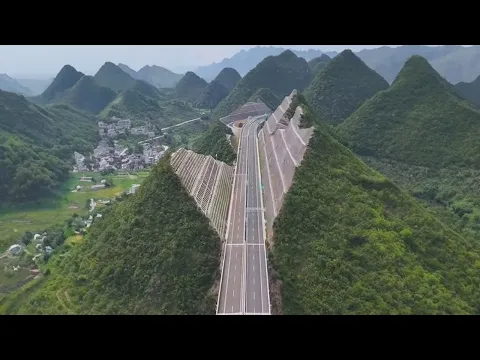
County of Anlong. To connect this highway to the crossing over the Huajiang canyon, China literally split a mountain in half, opening a V-shaped cut with explosives and large drilling machines, to fit the roadway at the right height to reach the suspended structure.
This V-shaped cut allowed the road surface to reach directly to the anchorage level of the Huajiang Bridge, avoiding excessively steep ramps and dangerous curves approaching the Huajiang canyon.
The solution integrates the highway with the highest bridge in the world on a single axis, so that the driver does not practically notice the transition between the excavated section of the mountain and the crossing hundreds of meters above the valley.
The result is a continuous travel experience in which engineering hides the complexity of the terrain beneath an apparently simple asphalt surface.
Dimensions Of The Highest Bridge In The World In The Huajiang Canyon

Seen from the Beipan river, at the bottom of the Huajiang canyon, the bridge stands out as a kind of suspended metal line 625 meters high above the gorge.
The total structure of the Huajiang Bridge spans 2,890 meters, with a main span of 1,420 meters between the towers, which places it among the largest suspension bridges on the planet in terms of length and solidifies its title as the highest bridge in the world in terms of elevation above the ground.
The deck is supported by a steel lattice composed of 93 sections, with ropes and panels that, combined, reach 22,000 tons, approximately three times the steel used in the Eiffel Tower.
To keep this mass suspended over the Huajiang canyon, the main cables of the bridge are anchored in hard rock on the slopes of Guizhou, a solution that allows loads to be distributed without compromising stability on uneven terrain.
By bringing together these dimensions, the Huajiang Bridge reinforces China’s image as a global hub for large-span constructions and solidifies its title as the highest bridge in the world with a scale difficult to replicate in other countries.
Asymmetrical Tower, Extreme Winds And Real-Time Monitoring
The geology of the Huajiang canyon prevented any perfect symmetrical design.
Therefore, the northern tower of the Huajiang Bridge is 262 meters high, while the southern tower measures 205 meters, with anchorages positioned at different levels of rock to adapt to the slopes of Guizhou.
This calculated asymmetry allows China to accommodate the terrain variations without compromising the structural performance of the highest bridge in the world in an environment subject to strong winds and moderate seismic activity.
Engineers had to deal with the so-called Venturi effect, in which wind accelerates as it passes through a bottleneck, a phenomenon present in the Huajiang canyon, where gusts can reach speeds comparable to an express train.
Before construction, wind tunnel models and measurements with Doppler LiDAR helped map air behavior in three dimensions, anticipating turbulence zones.
After inauguration, optical fiber sensors installed within the cables allow real-time monitoring of tension and steel expansion, ensuring that the Huajiang Bridge remains safe even under extreme height, variable winds, and small seismic oscillations characteristic of Guizhou.
How The Huajiang Bridge Turned Into A Global Tourist Showcase In China
Although the main function of the Huajiang Bridge is to transport vehicles and shorten the journey across the Huajiang canyon, the project was designed from the beginning to attract visitors from around the world.
A glass panoramic elevator with about 800 meters of elevation connects the highway level to the base of the canyon, while a two-story cafeteria installed in one of the towers offers a direct view of the highest bridge in the world and the slopes of Guizhou.
At the bottom of the parking platform, a glass walkway allows tourists to observe the Huajiang canyon beneath their feet, while an artificial waterfall stretches for hundreds of meters along the structure, reinforcing the visual appeal.
China has also set aside space for extreme sports, with a bungee jumping platform on the Huajiang Bridge, plans for professional base jumping events, and studies to install a center dedicated to adventure sports inside the canyon.
By transforming a road link into a destination in itself, the country aims to convert infrastructure into continuous tourism revenue and a public demonstration of technological capability.
Guizhou, Combating Poverty And China’s National Strategy
Since 2012, China has allocated hundreds of billions of dollars to develop infrastructure in poorer and mountainous provinces, such as Guizhou, in a policy known as the war on poverty.
The multiplication of highways, high-speed railways, dams, and bridges, including the Huajiang Bridge, integrates these regions with the rest of the country and the Belt and Road Initiative, which aims to create economic corridors connecting China to several continents.
By transforming the Huajiang canyon from a logistical bottleneck into a global tourist showcase, the highest bridge in the world symbolizes this strategic shift: instead of viewing Guizhou as an isolated periphery, the government is trying to reposition the province as a tourism destination, logistical hub, and engineering showcase, while also improving local communities’ access to markets, jobs, and public services.
Whether the combination of height records, mountain cutting, and roadway corridors will be sufficient to sustainably reduce regional inequality remains a central question in the Chinese internal debate.
After learning about the numbers and engineering of the Huajiang Bridge, would you cross this structure in China just as a driver in two minutes, or would you face the glass elevator, the transparent walkway, and even a bungee jump over the Huajiang canyon?








Ótimo para desgraçar cada vez mais a natureza.
Na China eles abrem rodovias no meio de florestas e montanhas, é um dos paises que mais desmatam e um dos mais poluentes do mundo e os almbientalistas como greta “tumba” se calam, pq la tem soberania e nao essa nossa soberania que so grita quando é ruim para os ambientalistas e bom para o país. No Brasil o desgoverno abre uma estrada inteira no meio da floresta amazônica para um evento sobre desmatamento e meio ambiente e “todes” ficam quietos. Mas o agro não pode fazer uma rua para o escoamento da safra que os ambientalistas de plantão abrem processos e mais processos contra. A ferrograo foi proibida pq dizem que vai prejudicar o meio ambiente.
Só falou besteira.
Comentário recheado de fake News, ódio e alienação!
Qual foi a mentira que ele disse no comentário, aproveita e explica pra nós tbm onde está o ódio e o que significa a palavra ódio que boa parte das pessoas no Brasil adoram repetir igual papagaio, retirando qualquer assunto do contexto só para utilizar como xingamento ou desqualificação do argumento. Procure a definição de ódio no dicionário e analise se ela se encaixa no comentário do cidadão acima. Brasileiro fica repetindo as coisas que ouve igual r3t4rd4do.
Vc está certíssimo. A grande diferença não é só a soberania, mas também a questão que os planos de governo são de longo prazo. A China bebe do capitalismo mas não se entrega ao capitalismo financeiro. Eles estão trabalhando, transformando o país, se desenvolvendo, evoluindo e nós, cheios de polarização e falta de conhecimento, ficamos apenas fazendo bravatas e votando nós corruptos e **** que nos governam. Colocamos palhaços analfabetos no poder, porque achamos engraçado ver o cara dizer “pior que está não fica” e enquanto isso nossa população só empobrece e emburrece. Não temos um plano de desenvolvimento, nossas escolas são muito atrasadas, a concentração de renda muito desequilibrada e isso só piora. Enquanto isso os **** de plantão soltam suas máximas, tiradas das mídias sociais, falando sobre desmatamento, ódio, Fake News, sem nem exatamente saber o que estão falando. Se duvidar estes mesmos **** não sabem nem o de fica a China se mostrar o globo terrestre (isso se não for um terraplanista ainda).
Enfim… Nosso país só vai mudar quando as pessoas pararem de se preocupar com **** e começarem a olhar para a própria situação e tentarem fazer algo para mudar. Continua votando no Lula e no Bolsonaro pra vcs verem aonde podemos chegar. Ainda dá pra piorar meu povo.
Parabéns pelo comentário meu querido.
Se fosse aqui, o meio ambiente não iria aprovar. Enquanto isso, a China se estrutura e se desenvolve e domina o mundo. Por aqui, com enes auxílios e nem um centavo em estruturas, logo acaba a galinha dos ovos de ouro.