





 Portuguese
  English
  Spanish
  4 min of reading
  0 comments


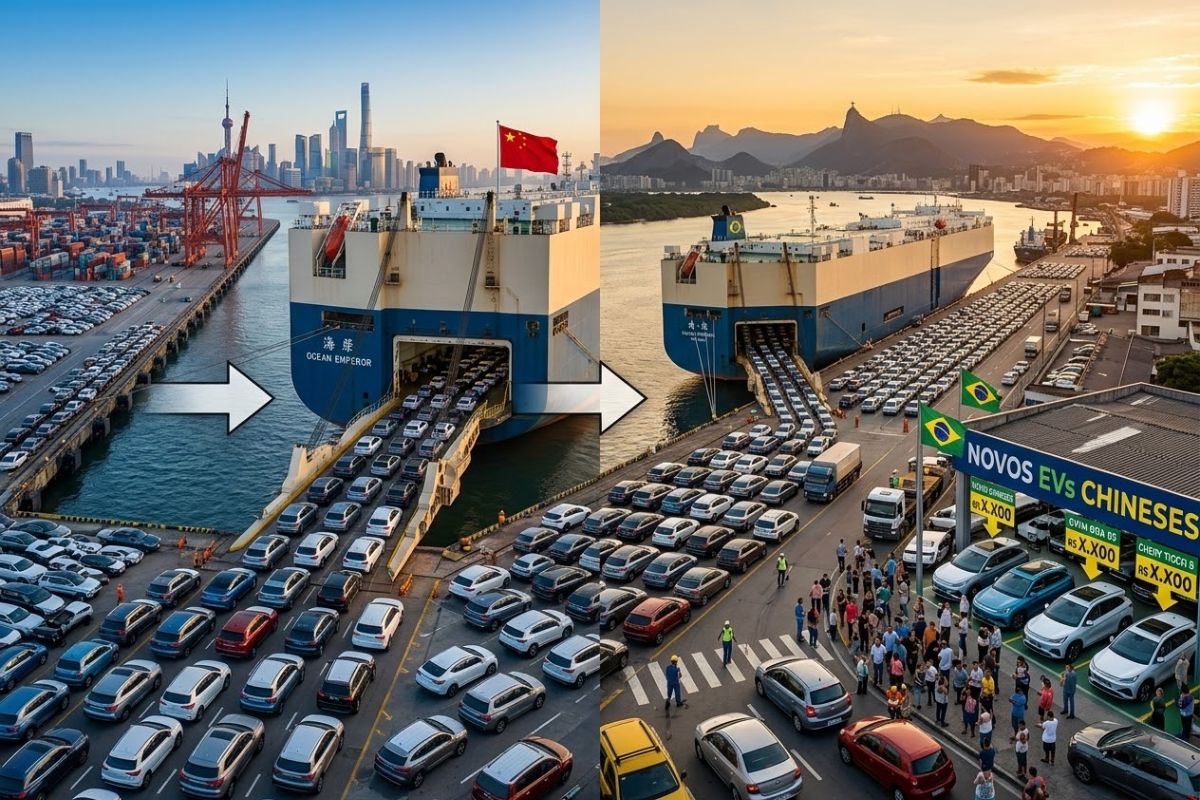
The Decision Of China To Prevent Manufacturers From Selling Cars At A Loss Within The Country May Seem Just A Regulatory Measure, But Analysts Point Out That It May Slow Down The Price War, Boost Exports And Increase The Presence Of Chinese Vehicles In International Markets, Pressuring The Automotive Industry And Expanding Global Competition
The China has made a decision that could provoke direct effects on the global automotive market. The government has started to prohibit manufacturers from selling vehicles at a loss within the country, ending a price war that has been pressuring manufacturers for years.
The measure from China, as reported by Bloomberg and Automotive News, seemingly technical, could generate an unexpected effect: accelerate the export of Chinese vehicles to other markets, increasing international competition and pressuring prices in countries like Brazil.
The Price War That Led China To Intervene
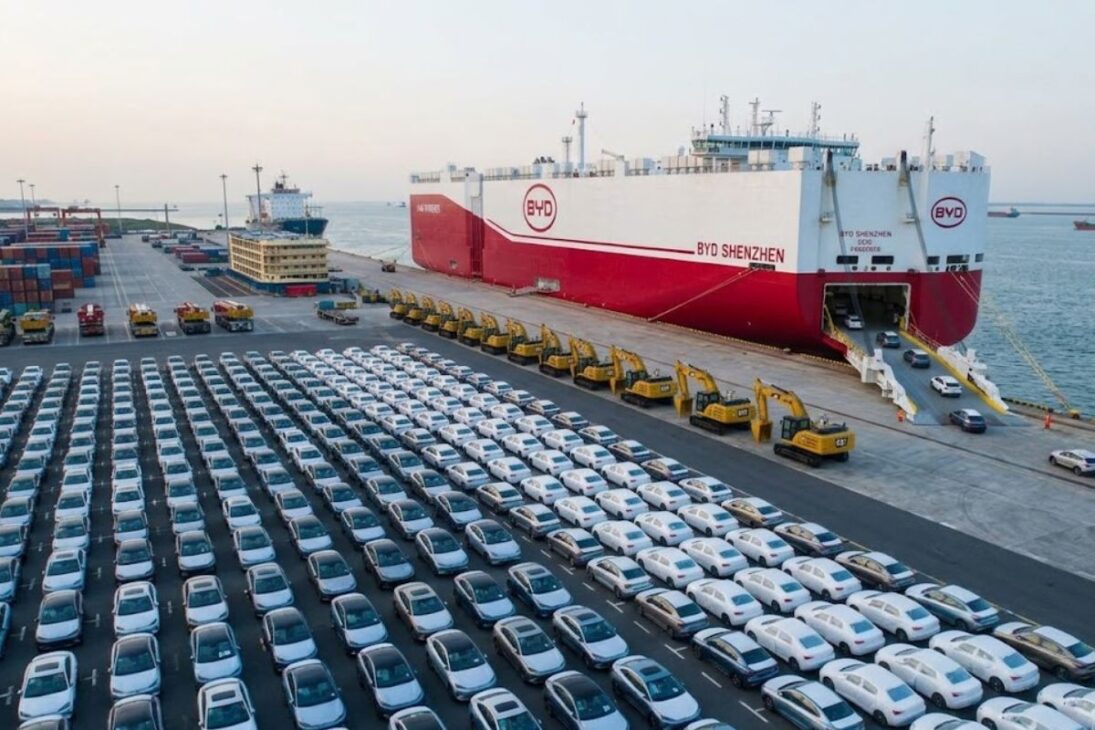
In recent years, the automotive industry in China has entered into an intense commercial dispute among manufacturers.
-
Unemployment rises again to 5.8% at the beginning of 2026, raising alarms about the end of temporary positions and its impact on the Brazilian job market.

-
Document organization can cut invisible costs in small businesses, a simple step that prevents waste, rework, and losses in daily operations.

-
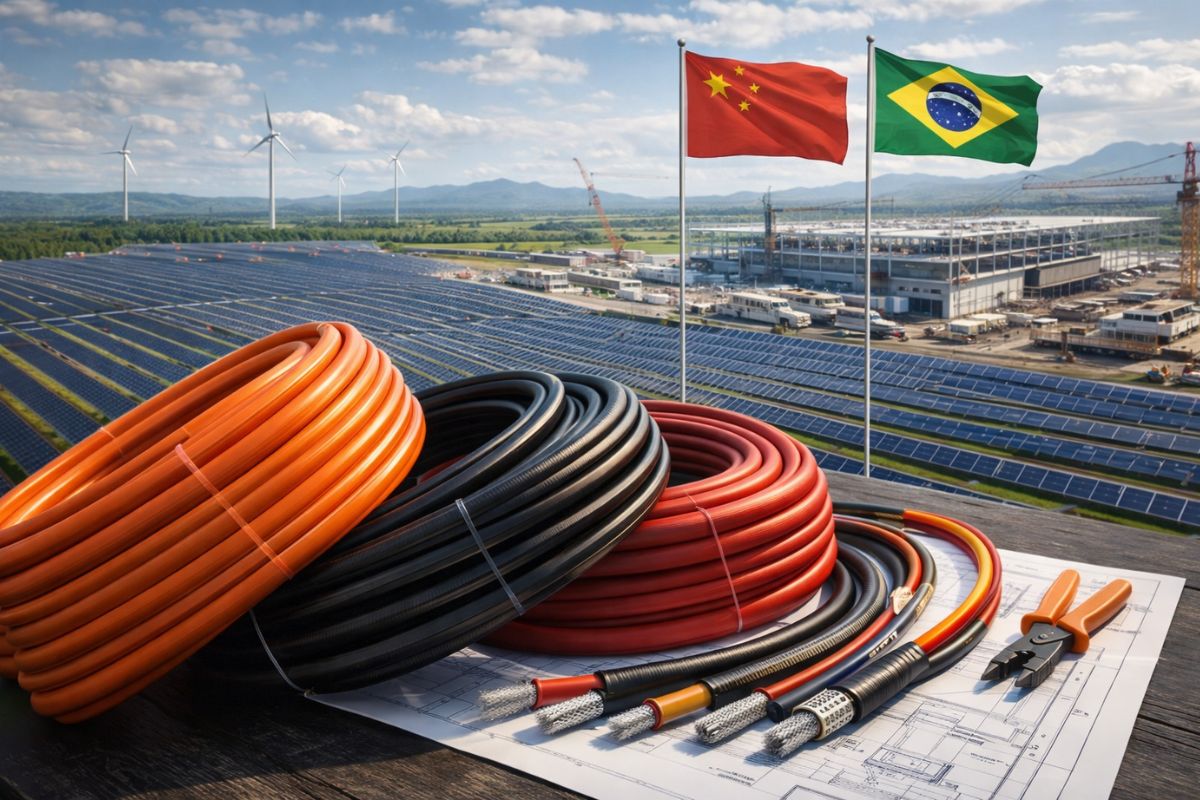
Chinese giant worth nearly R$ 4 billion that manufactures cables for electric cars, solar energy, and robotics wants to open a factory in SC.
-
Many employers do not know, but the law guarantees domestic workers a 25% increase in salary during trips, 50% for overtime, 20% for night shifts, and 17 additional benefits that can lead to labor lawsuits if not paid.


With dozens of companies competing for the same consumer, many manufacturers drastically started to reduce prices to gain market share.
In some cases, vehicles were sold below production cost, a practice that generated concern within the Chinese government itself.
The so-called price war became a common strategy among brands seeking to survive in an extremely competitive market.
This scenario eventually led Beijing to impose new rules to prevent a financial collapse in the sector.
A Gigantic Market With Excess Production
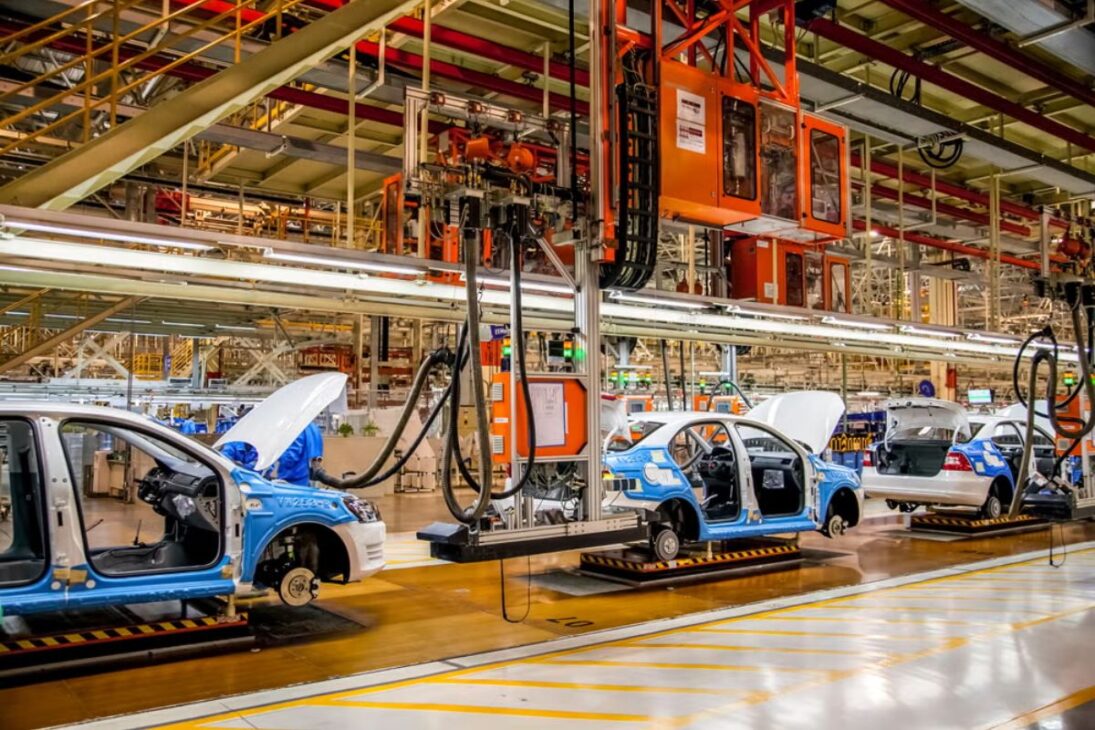
The scale of the automotive industry in China helps to understand the size of the problem.
Currently, the country produces about 35 million vehicles per year, a volume much higher than that of other major automotive markets.
The United States produces approximately three times less.
Brazil, on the other hand, produces about 15 times fewer vehicles than China.
Even with this size, the Chinese domestic market absorbs about 27 million cars per year.
This means that millions of vehicles need to find buyers outside the country.
This difference creates a natural incentive for export.
More Than A Hundred Brands Competing For Space
Another factor that makes the automotive market in China particularly competitive is the number of manufacturers.
Today, there are approximately 129 active automotive brands in the country.
This number has been even higher.
At certain times, more than 500 different brands existed in the Chinese automotive sector.
The government knows that many of these companies will not survive in the long term.
Still, allowing the price war to continue could trigger chain bankruptcies.
This would affect not only manufacturers but also suppliers of parts, batteries, tires, and electronic components.
Export Controls And Reputation Concerns
In addition to prohibiting sales at a loss, China has also begun requiring licenses for the export of vehicles.
The measure aims to control the quality of cars sold abroad.
Chinese authorities fear that vehicles parked for years in lots or dealerships could be exported as used, harming the image of the country’s automotive industry.
The goal is to prevent low-quality cars from damaging the reputation of Chinese brands abroad.
The strategy indicates that Beijing does not want to just export more vehicles.
It also wants to consolidate a quality image for its automotive industry.
The Possible Impact On The Brazilian Market


Changes in the China industry may directly influence emerging markets, including Brazil.
With excess production and a greater focus on exports, Chinese manufacturers tend to intensify their international presence.
This means more vehicles available and greater competition with traditional brands.
In some cases, Chinese cars are already reaching the market offering more technology for competitive prices.
This movement may pressure global manufacturers to lower prices or improve equipment.
In Brazil, where the automotive sector is highly competitive, the entry of new models may accelerate this dispute.
The Global Race For Electric Cars
The transformation of the automotive industry is also linked to China’s strategy in the electric car market.
Chinese companies are leading the production of batteries and essential components for electric vehicles.
Manufacturers like CATL and BYD have become world references in this segment.
If production continues to grow, the export of these vehicles may increase even more.
This reinforces China’s ambition to dominate the global electric mobility market.
The decision to control the internal price war may be part of this larger plan.
The decision of China to prohibit manufacturers from selling cars at a loss may seem just a domestic regulatory measure.
However, its effects may cross borders and alter the dynamics of the global automotive market.
With high production and new internal rules, Chinese manufacturers may intensify exports and expand international competition.
This could mean more options, technology, and possibly lower prices for consumers in various countries.
Now an inevitable question arises.
With more cars coming from China, do you believe that vehicle prices in Brazil could truly fall, or will the local market remain expensive despite more competition?









-

Uma pessoa reagiu a isso.