





 English
  Francês
  Alemão
  Italiano
  Japonês
  Norueguês
  Portuguese
  Spanish
  3 min of reading
  0 comments


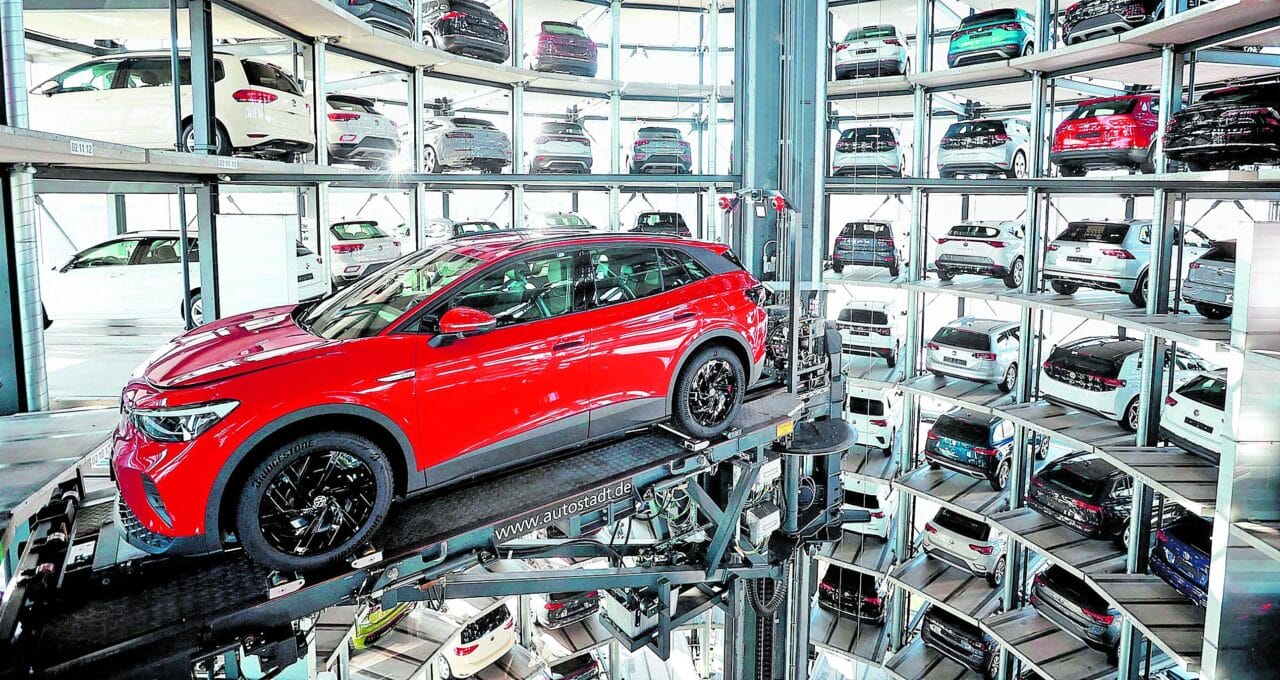
China Reduces Price of Electric Cars and Solar Panels, Shaking the Entire International Market. Country Is Becoming a Power and Worries the USA and Other Countries.
Chinese companies, especially in the electric car and solar panel sector, are adopting the strategy of lowering prices to expand their presence in international markets. This approach is a response to the weakening domestic demand these companies are facing. Aggressive expansion, however, is generating new trade tensions, as global competitors begin to view Chinese companies as a significant threat to their financial stability.
Consequences of China’s Price Reduction on Electric Cars and Solar Panels


Tensions are more acute in Europe, where EU regulators have opened a counter-subsidy investigation reflecting concerns that China is flooding the region with low-cost electric cars.
Beijing claims that the investigation is a blatant protectionist act that will disrupt the global vehicle supply chain. Meanwhile, the USA recently announced tariffs on tin-plated metal products, a type of metal sheet manufactured in China and two other countries, after stating that their steel producers were selling at unfairly low prices.
-
Chinese giant worth nearly R$ 4 billion that manufactures cables for electric cars, solar energy, and robotics wants to open a factory in SC.

-
Many employers do not know, but the law guarantees domestic workers a 25% increase in salary during trips, 50% for overtime, 20% for night shifts, and 17 additional benefits that can lead to labor lawsuits if not paid.

-
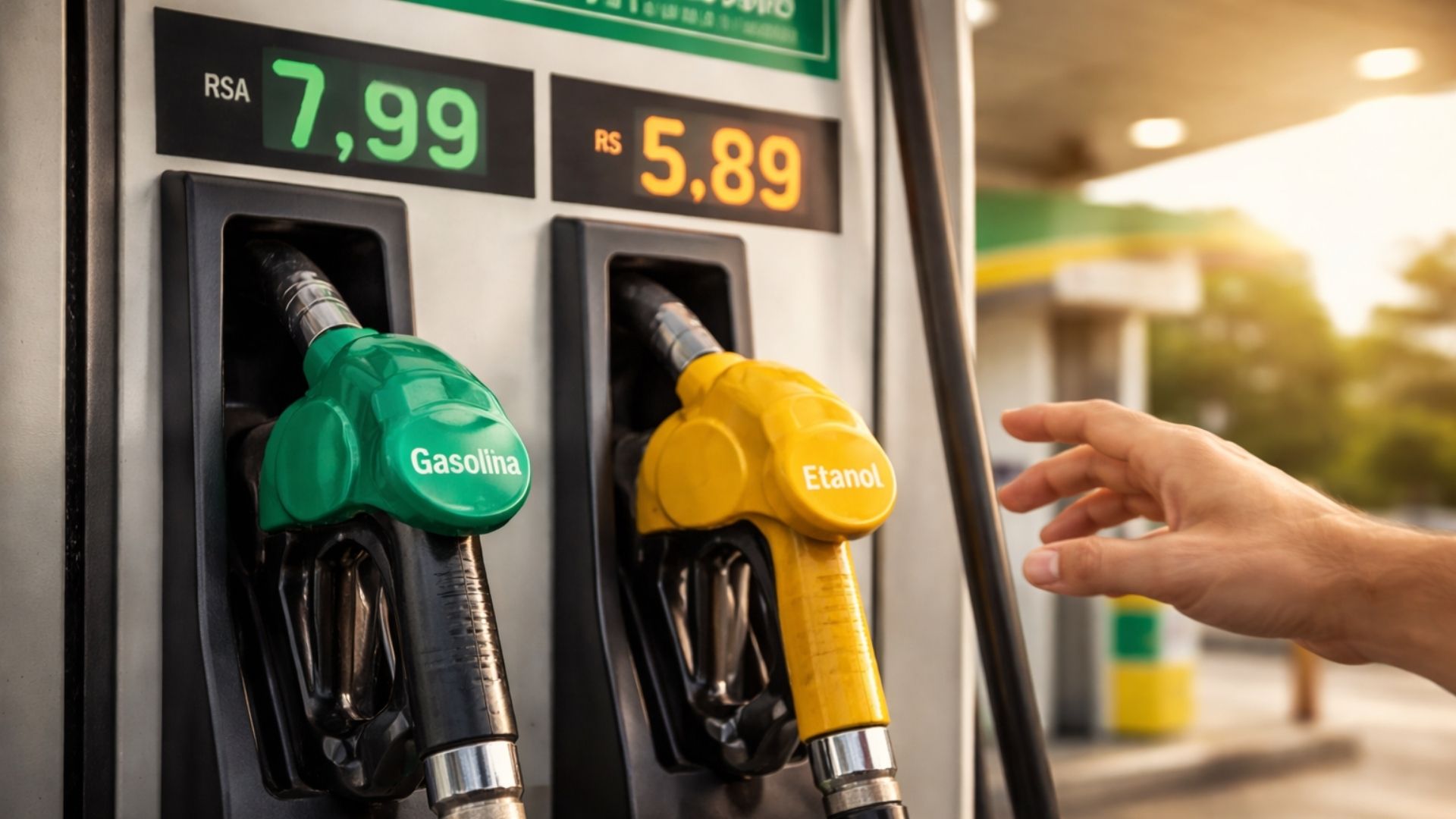
Gasoline prices soar and the question arises: is ethanol more advantageous? The 70% rule reveals the limit with gasoline.
-
The government has made a decision and is starting a test with more ethanol in gasoline, anticipating a mixture of up to 35%, diesel with 25% biodiesel, and a study to assess the impacts on engines.

The India is investigating whether China has flooded the country with a range of products, from chemicals to construction parts, at unfair prices. Vietnam has begun to examine whether wind turbines imported from the Asian giant have harmed domestic manufacturers. Chinese authorities have claimed that the manufacturers of electric cars and solar panels in the country are competing fairly and that their products are gaining market share abroad because they are attractive to foreign buyers.
Local governments in China have subsidized overseas trips for companies to sell more, and they are urging banks to make loans to companies wishing to expand in the countries participating in China’s Belt and Road Initiative.
80% of Solar Panels Will Be Produced in China by 2026
Beijing has also requested that financial institutions direct credit to the industrial sector. The manufacturers of electric cars and solar panels in the country have an additional advantage with a devalued currency, as the yuan hits its lowest level against the US dollar in over 15 years, making their products cheaper overseas.
According to Wood Mackenzie, the estimate is that China will be responsible for more than 80% of the global production capacity of polysilicon, wafers, cells, and photovoltaic modules in the coming years, even in the face of efforts from other countries to promote their local industries.
This strengthened leadership by China in the solar panel sector will have a significant impact on the international market. According to a report, the country’s growing fluency in the global solar energy supply chain could result in an increasing gap in terms of technology and costs. The country made investments exceeding US$ 130 billion just in 2023 in the solar panel industry.
Europe and China May Collide in the Electric Car Market
The trade crisis between the European Union and China in the electric car sector is becoming increasingly dramatic. While German engineers announce advances in hybrid technologies, Chinese manufacturers flood the global market with cheaper electric cars, raising alarms in Brussels. The scenario puts diplomacy and the foundations of global trade at stake, with no signs of a ceasefire in sight.
The manufacturers in Germany, which are giants in the Chinese automotive sector, are extremely concerned about the recent movements of the European Union. Ursula Von Der Leyen, president of the European Commission, has taken the first step in an investigation that could lead to serious trade consequences. This context leaves Germany, a leader in car sales in China, in a delicate situation.









Seja o primeiro a reagir!