





 Portuguese
  English
  Spanish
  5 min of reading
  0 comments


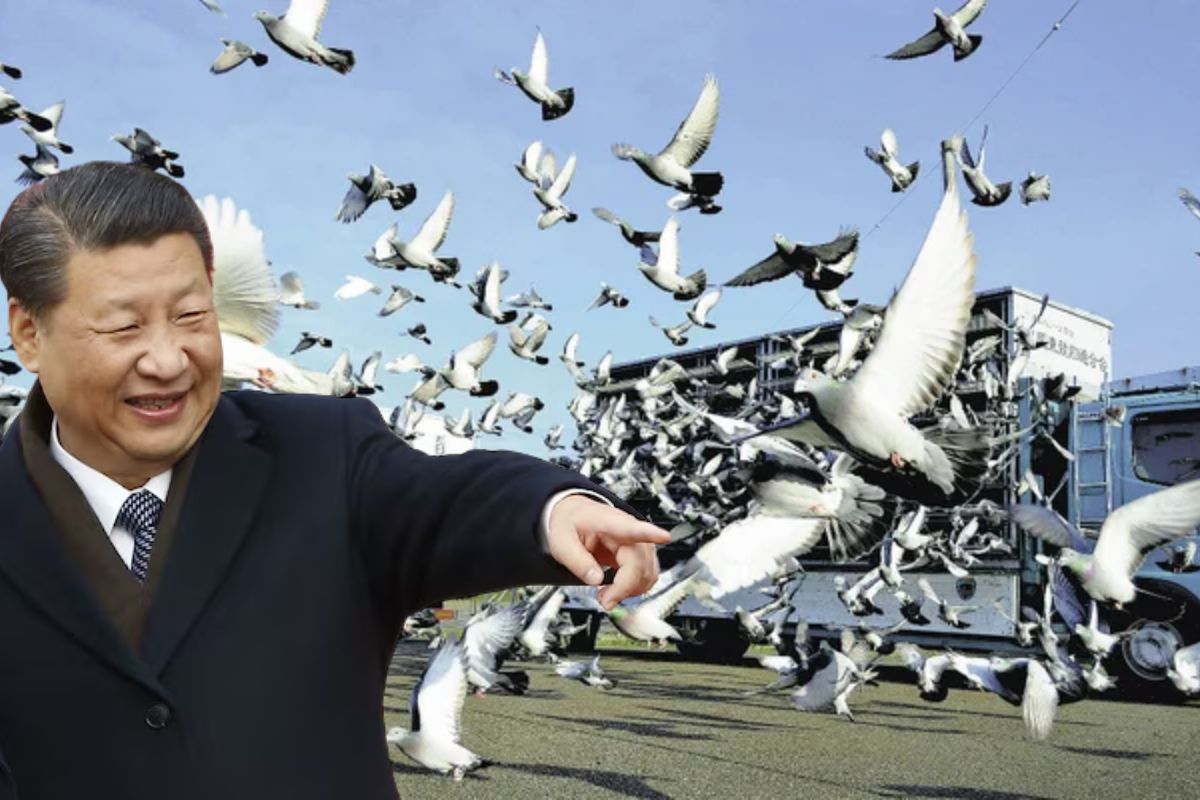
Forget The Urban Pest Image. In China, Pigeons Generate Income, Star In Million-Dollar Races and Have A Thousand-Year History. Discover How.
Many think of pigeons as “winged rats”. Birds that just dirty statues. But in China, the reality is quite different. There, these animals have become a source of livelihood. They are symbols of economic opportunity and stars of valuable competitions.
The country produces about 680 million pigeons annually. This represents 80% of global production. Understand how China transformed the perception of these birds.
From Urban Pest To Economic Engine: The Pigeon Revolution In Rural China
The common idea of pigeons as pests does not apply in modern China. They have become a key to development. Previously poor rural communities are now thriving with the breeding of these birds. Totkurban, a breeder in the Shashi desert, is an example. He used to raise a few pigeons in his backyard. Recently, he joined a larger project with a modern breeding facility. His annual income doubled, going from 5,000 to 12,000 yuan.
-
A forgotten cord on the floor of a basement in Vienna leads a plumber to a box containing 30 kilograms of gold with Mozart’s face, hidden before World War II. The treasure, worth 2.3 million euros, was just centimeters away from a worker who ignored the sign a day earlier.

-
A couple buys an old chalet, breaks the kitchen floor for renovation, and finds over a thousand coins of gold and silver hidden since the English Civil War over 4 centuries ago.

-
Rigid bags with their days numbered: new trend prioritizes comfort in 2026.

-
YouTuber creates an excavator equipped with a giant 4.5-meter sword to challenge his brother to a rematch, and the invention quickly goes viral on social media.

The local government of Shashi invested 20 million yuan in an automated breeding facility. Farmers like Totkurban received training. They learned new techniques and transformed breeding into a business. Entire villages followed the example. Pigeon breeding became a local industry. Children learn to care for the birds and process products. Trucks carry the production to large cities.
But why pigeons? Breeding them is cheap and efficient. They do not require much space. They eat little and breed quickly. A pair can produce dozens of birds in months. This without major investments. This ease has made pigeons a vital component in Chinese rural development. In Luopo, another city in Shinjang, a farm raised 23,000 chicks simultaneously. The Chinese government adopted breeding as an official strategy against rural poverty. The activity consumes less water and feed. It is ideal for arid regions and small properties. Additionally, it helps keep people in the countryside, combating rural exodus.
The Thousand-Year Relationship of China With Pigeons
China’s relationship with pigeons is ancient. It dates back over 2,000 years. During the Zhou dynasty (11th to 3rd century BC), they were already a source of protein. Long before chickens and pigs dominated. Over time, they gained a strategic role. They became “winged messengers” during the Sui and Tang dynasties (6th to 9th centuries). They carried military messages over long distances. The Chinese expression feige chuanshu (delivering letters by pigeon post) still exists today.
Breeding pigeons also became a hobby for the elite. During the Qing dynasty (17th to 20th centuries), owning exotic pigeons was a sign of status. Nobles in Beijing displayed their cages and birds. This custom still lives on in the hutongs, traditional alleys in Beijing. It is common to see elderly people caring for their pigeons there.
Pigeons In Cuisine And In Chinese Skies
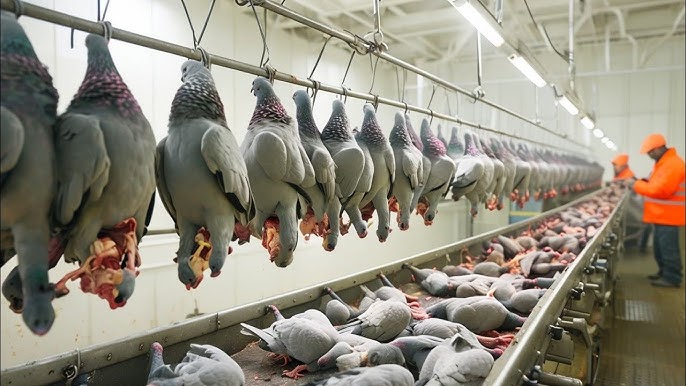
In China, the pigeon also shines in gastronomy. The meat, called squab, is tender and flavorful. It is considered a delicacy in regions like Canton. The city of Zongshan is famous for its roasted pigeon from Shiqi. The dish attracts tourists from all over the country. In 2024, Zongshan broke a Guinness record. It showcased 500 different pigeon meat dishes in a competition. The success is so great that they created a “pigeon index”. It informs how many dishes are available daily for visitors. The meat is seen as nutritious, with low cholesterol and high protein. Even the eggs are used in cuisine and traditional medicine.
Another unique tradition is the pigeon whistles (ge shao). Small bamboo or gourd whistles are attached to the birds’ tails. When the flock flies, the wind creates a distinctive sound. They call it “the echo of paradise”. In 2021, at the centenary ceremony of the Communist Party, 100,000 pigeons were released. Many had whistles, creating a sound spectacle.
Million-Dollar Races: The Fascinating World Of Competitive Racing Pigeons
In addition to cuisine and economy, pigeons are athletes in China. Racing pigeons are a huge sport. They resemble horse races, but with wings. And they move a lot of money. Hundreds or thousands of pigeons are taken far away. They have microchips to record their arrival. Once released, they fly back home guided by instinct. The owner of the fastest one wins.
The prizes are enormous. In 2015, they surpassed 28 billion yuan. Individual races can have billion-dollar prizes. A champion pigeon is worth a fortune. They become coveted stars at auctions. In 2018, a pigeon was sold for 22 million yuan (almost 3 million dollars). In 2020, the Belgian female New King was sold for 1.9 million euros to a Chinese magnate. This same buyer had previously paid 1.4 million euros for another pigeon, Armando. His plan was to breed the two and create super pigeons.
Millionaires invest heavily. They build modern lofts. Hire trainers. Use imported feeds. European breeders sell their best birds to Chinese buyers. In 2013, a pigeon named Bolt was sold for 400,000 euros. That same year, a batch of 530 Belgian pigeons was sold for nearly 6 million dollars.
Curiosities And Controversies: Winged Spies And The Hidden Side Of The Races


The world of pigeons has curious stories. In 2023, Indian authorities arrested a pigeon near Mumbai. They suspected espionage because of markings on its wings. The pigeon was detained for 8 months. It was discovered to be a racing pigeon from Taiwan. It had gotten lost during a competition. It was released after the investigation.
But not everything is positive. Where there is money, there are controversies. There are doping scandals in pigeons. Theft of valuable birds is common. There are fraud schemes in races. Bettors have smuggled pigeons on trains to shorten the distance. There are the “pigeon pirates”. They kidnap birds during races. They demand ransom from the owners or use the pigeons to falsify results.
Despite the controversies, the fascination with pigeons in China only grows. They are part of the economy, history, culture, and sport of the country. A nation that used pigeons for messages now uses them to fulfill dreams of wealth.









-

2 pessoas reagiram a isso.