





 Portuguese
  English
  Spanish
  5 min of reading
  0 comments


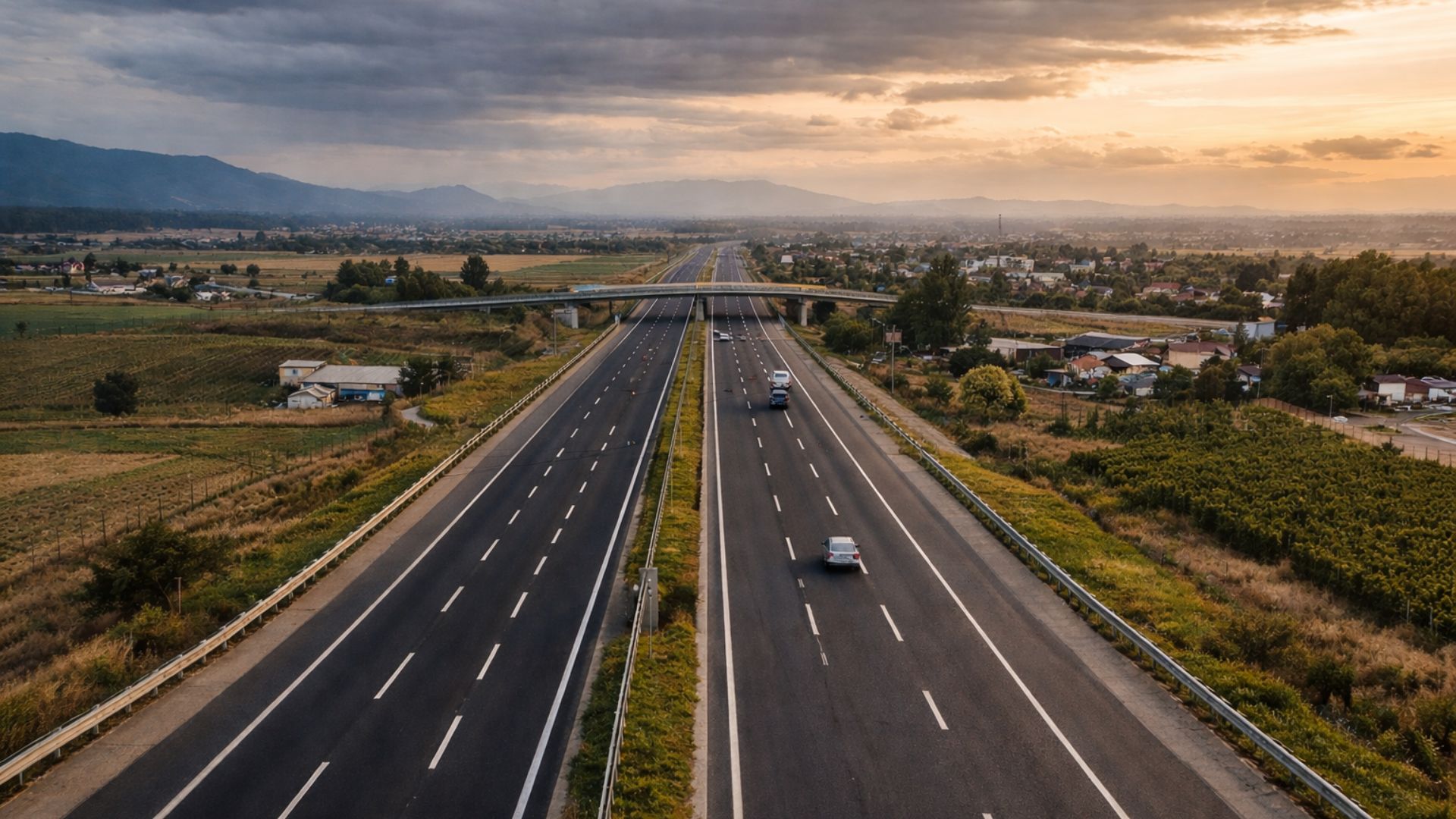
Chinese Investment in Strategic Highway in Chile Involves Billion-Dollar Concession, Extended Delays, and Request for Financial Compensation, While Brazil Monitors the Project for Regional Impact and Bilateral Relations in South America.
China has expanded its presence in infrastructure projects in Chile by taking over, through China Railway Construction Corporation Limited (CRCC), the modernization of a strategic stretch of Ruta 5, the country’s main longitudinal highway.
The contract provides for interventions between Talca and Chillán, covering an approximate length of 195 kilometers, with an estimated investment of US$ 804 million, an amount often converted to about R$ 4.2 billion in market terms.
The initiative also draws attention in Brazil, as Chile maintains a relevant position as an economic and institutional partner in South America.
-
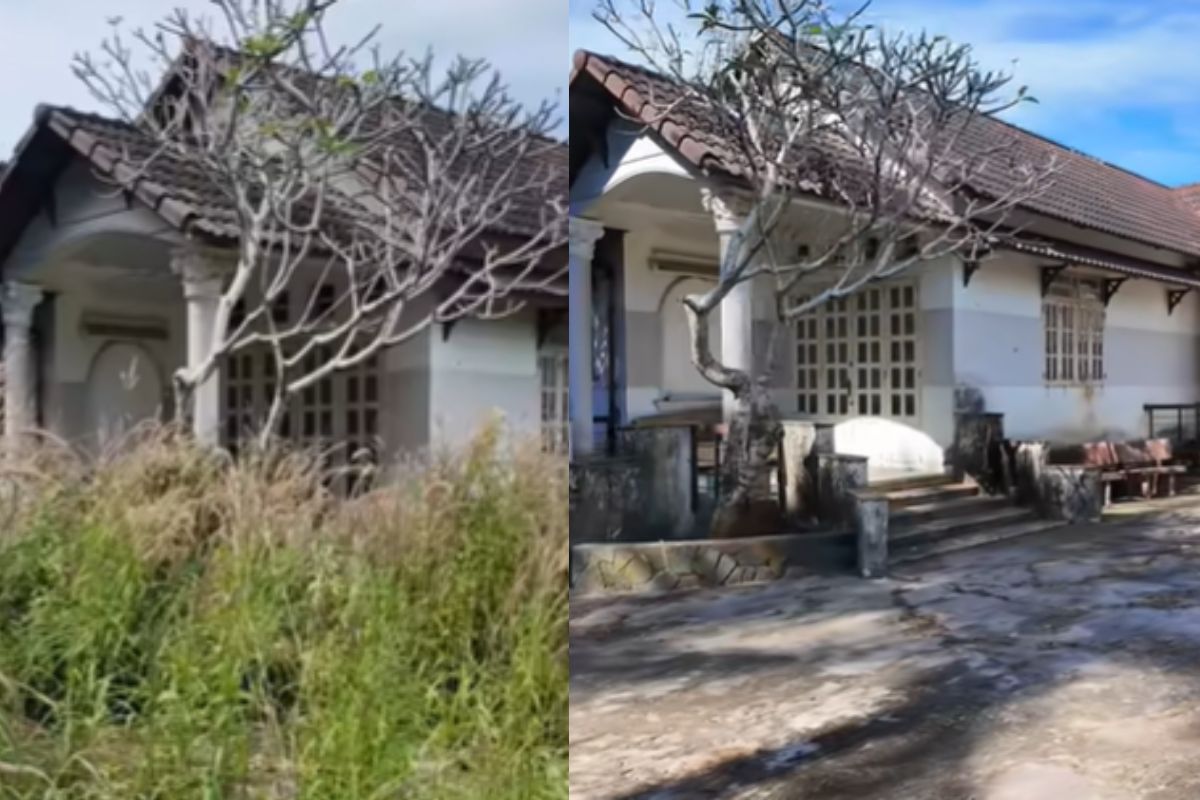
Abandoned house for 15 years disappears in the woods, shocks owner with unrecognizable scenery and is reborn in an intense transformation after almost 90 hours of work in just 10 days.
-
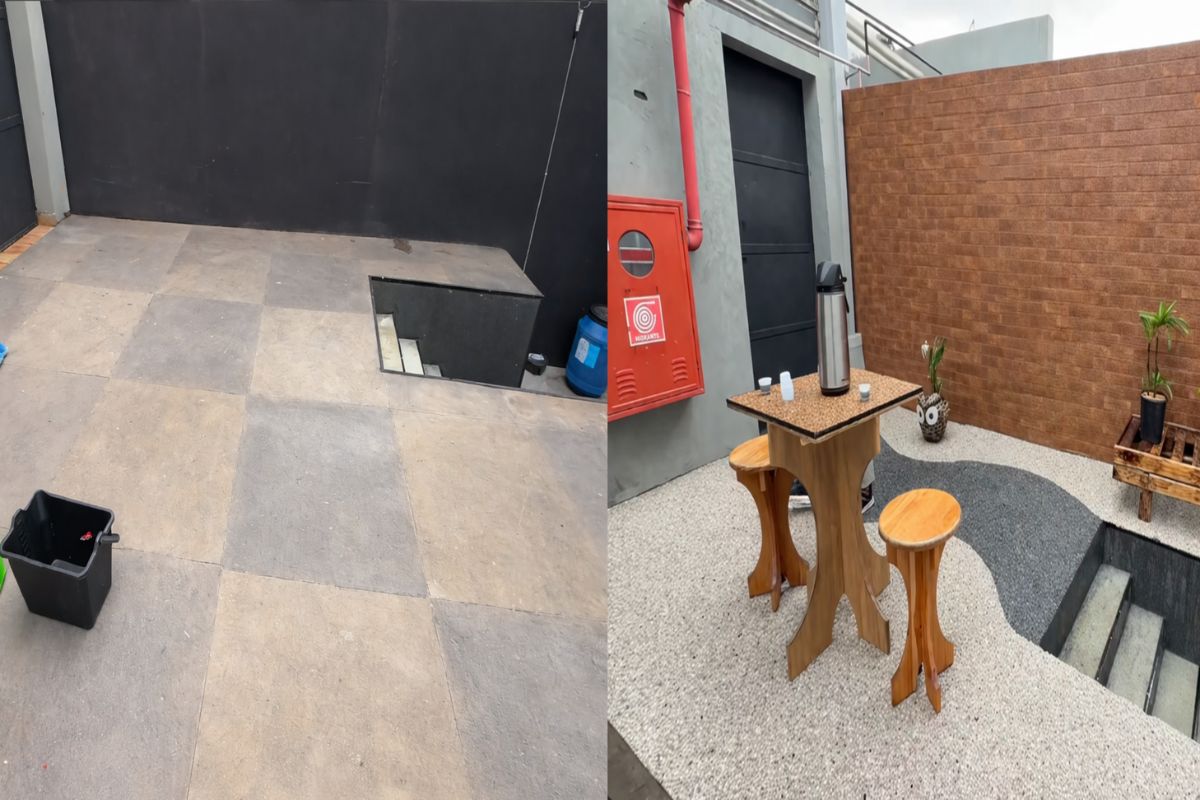
In just three hours, a natural stone floor transforms the entrance of the house with an organic effect, immediate drainage, and a sophisticated non-slip finish that doesn’t puddle water, dries quickly, and impresses with the final result.
-
‘Interlocking brick’ made of earth arrives in the construction industry with cost reductions of up to 40% on the project.

-
Espírito Santo will receive the largest engineering project in its history with the duplication of BR 262, which will have 50 viaducts, 28 bridges, and 2-kilometer tunnels cutting through the most challenging mountainous region of the entire state.


According to official documents from the Chilean government, the expectation is that the expansion and modernization of the corridor will help improve logistical flow, increase road safety, and reduce bottlenecks on one of the most used corridors in the country for the transportation of goods and passengers.
Concession of Ruta 5 Between Talca and Chillán
The concession was awarded to CRCC in March 2021, under the Chilean model of partnerships with the private sector.
The scope includes improvements to the existing highway and the implementation of alternative routes in urban areas, especially around Talca, aiming to separate local traffic from long-distance flow.
Additionally, the contract includes capacity expansion in critical sections, with additional lanes and structural adjustments.
According to the Chilean Ministry of Public Works, the interventions were designed to meet the projected traffic growth and raise the operational standards of the highway throughout the concession period.
In initial communications, the schedule indicated a gradual advance of the engineering and licensing stages, followed by the start of physical works.
The most recent projections published by Chilean agencies indicated that the most intense phase of the work would occur from the second half of the decade, with a direct impact on job generation and regional activity.

Administrative Delays and Technical Dispute
Despite the initial planning, the project began to face administrative and technical hurdles.
CRCC formally raised a disagreement with the Technical Concessions Panel, an entity linked to the Ministry of Public Works, claiming delays in reviewing projects and requests for modifications throughout the process.
According to the concessionaire, uncertainties about the final scope and adjustments requested after the award affected the schedule and the project’s financing structure.
In documents cited by the Chilean media, the company claims that these circumstances prevented the commencement of construction within the originally expected timeframe.
As a result, the schedule has been shifted to March 2027, which represents a postponement of over 30 months compared to the previously publicly disclosed forecasts.
The Chilean government, in turn, is analyzing the arguments within the mechanisms provided for in the concession contracts, without there being, as of now, a definitive decision on the merits of the dispute.
Request for Financial Compensation
Amid the delays, CRCC filed a formal request for compensation in the approximate amount of US$ 142 million.
According to publicly released information, the company claims there were cost overruns resulting from unforeseen changes in the original contract, as well as requests related to the recognition of expenses with value-added tax, the VAT.
The issue is being monitored by parliamentarians and representatives from the infrastructure sector in Chile.
In statements to the media, authorities and experts interviewed by local outlets stated that the case is likely to follow the technical and contractual rituals before any potential judicialization, as occurs in other concession projects in the country.
The Technical Concessions Panel has the role of issuing recommendations, but not binding decisions, which means that any developments still depend on negotiations between the parties or subsequent administrative and judicial instances.
Logistical Importance of Ruta 5


Ruta 5 is considered the main road axis of Chile, connecting productive regions, urban centers, and port areas.
For this reason, interventions in central stretches, such as the segment between Talca and Chillán, tend to reflect on transportation costs, travel times, and traffic organization.
Logistics and infrastructure experts, interviewed in Chilean reports, highlight that works of this scale tend to produce medium and long-term effects on regional competitiveness.
Still, they note that prolonged delays may postpone these benefits and create uncertainties for users and economic operators who depend on the highway.
In the Brazilian case, the interest is indirect but relevant.
Brazil and Chile maintain established trade relations and frequent dialogue in regional forums.
Infrastructure projects in the neighboring country are monitored as part of the broader context of economic integration and the presence of foreign investors in South America.
Brazil-Chile Cooperation in Public Policies
In parallel to discussions about the Ruta 5 concession, Brazil and Chile have deepened cooperation in other areas.
The Brazilian government recently participated in technical missions in Santiago aimed at exchanging experiences in public policies, focusing on urban development initiatives and sustainable cities.
According to officially released information, the meetings sought to share methodologies and programs adopted in Chile, as well as to assess possibilities for adaptation to the Brazilian context.
The agenda included topics such as urban planning, sustainability, and the management of social policies at the local level.
This cooperation occurs independently of the controversy surrounding the highway, but highlights that the bilateral relationship is progressing on multiple fronts simultaneously.









-

-

-

-

-

20 pessoas reagiram a isso.