





 Portuguese
  English
  Spanish
  3 min of reading


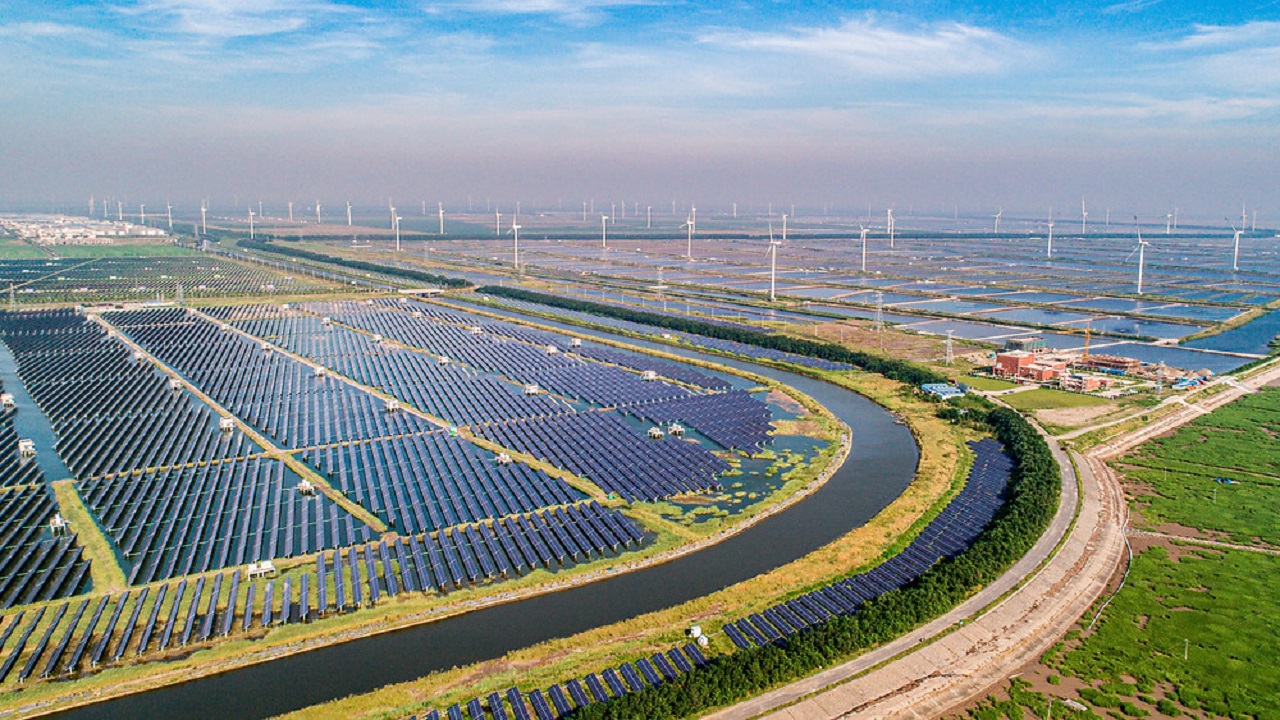
China Is Developing The First Standard Renewable Energy System That Will Serve As A Basis For Other Countries. The Asian Country Is One Of The World Leaders In Clean Energy And Plans To Have Half Of Its Energy Generated From Renewable Sources By 2025.
China Is Planning To Develop The First International Standard For The New Renewable Energy System (NEPS). Contrary To The Traditional System, Which Relies On Energy Generation Through Coal, The New System Uses Natural Resources Such As Wind, Sunlight, Biomass, And Nuclear Energy For Its Operations. It Is The Main Method To Promote The Transformation Of Clean Energy And Low Carbon Focused On Achieving Carbon Neutrality.
China Is One Of The Main Leaders In Renewable Energy
The Announcement Of China’s Leadership Was Made By The International Electrotechnical Commission (IEC), During This Year’s International Standardization Forum, Which Took Place In Nanjing, Jiangsu Province, Eastern China, On The 20th Of This Month. According To The Organization, China Has Been A Leader For Several Years In Installed Capacity And Energy Generation From Renewable Energy Sources.
The Country Is Also The Global Leader In The Industrial Scale And Market Size Of Wind Energy And Lithium Batteries. The International Commission Reported That It Will Include The Concepts Generated By China In Its Strategic Plan, Including Carbon Peak And Carbon Neutrality, Renewable Energy System, And Energy Transformation.
-
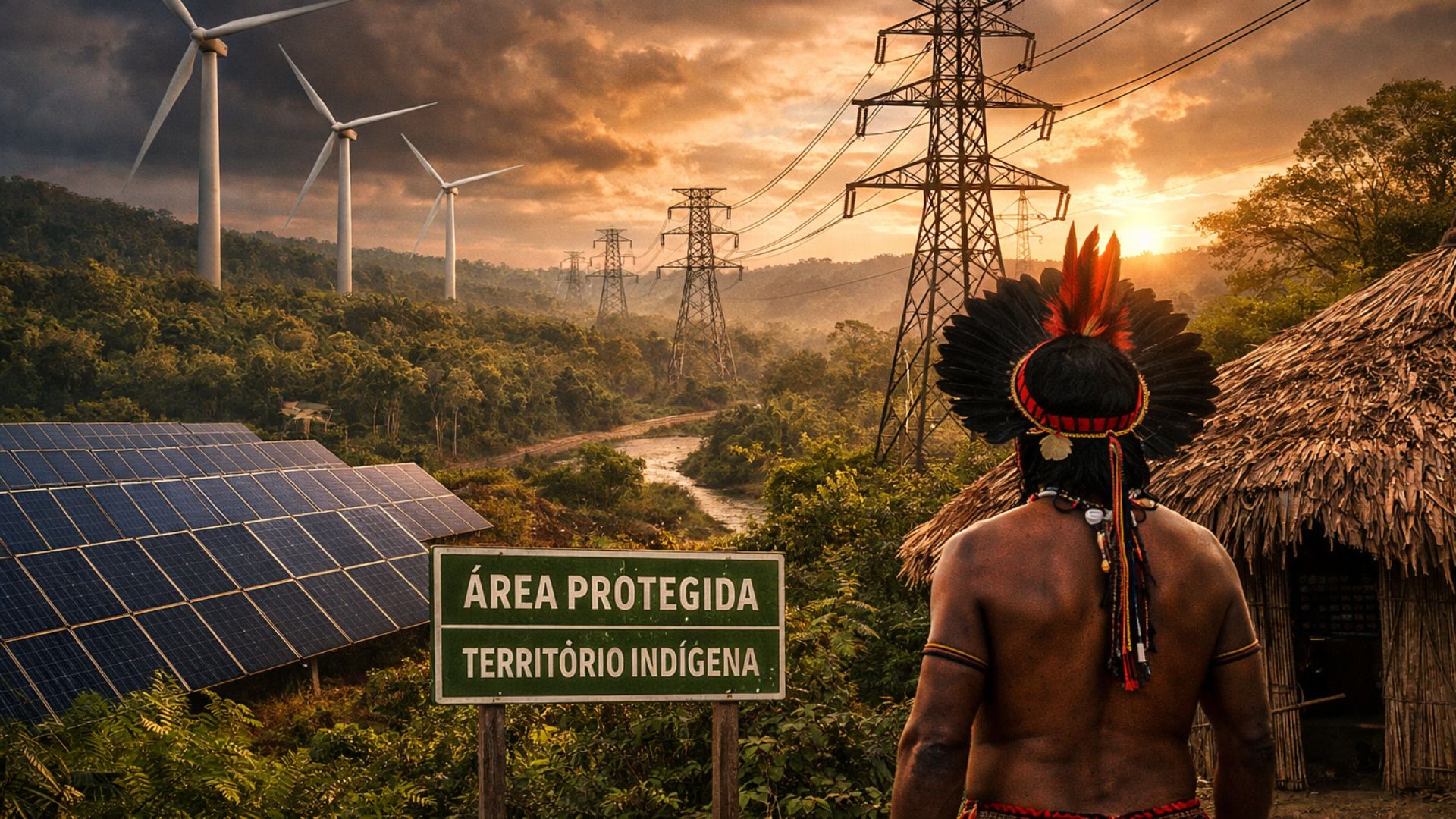
Renewable energy advances over protected areas in Brazil, and a survey by the Energy Transition Observatory reveals silent impacts that challenge environmental conservation and pressure sensitive traditional territories.
-
Rio Grande do Sul accelerates energy transition: State invests in renewable technologies and consolidates decarbonization strategies and pathways to attract billions in new industrial investments.

-
With 160,000 m² of collectors, an area larger than 20 football fields, Silkeborg, in Denmark, hosts a solar thermal plant that heats 19,500 homes and could become the largest solar heating plant in the world.

-
A study reveals the expansion of renewable energy procurement in Brazil and shows how companies are taking advantage of opportunities to reduce expenses, ensure energy efficiency, and strengthen strategic environmental commitments.


In The Next Five Years, The IEC Is Expected To Establish About One Or Two Committees For New Technologies And Set Up 10 To 20 International Standards.
China Will Operate Only With Renewable Energy System By 2025
Renewable Energy Sources Will Represent More Than Half Of The Total Installed Energy Capacity In China By 2025. Thus, In Three Years, Energy From Sources Such As Wind, Solar, Nuclear, And Hydroelectricity Will Be Responsible For 51% Of The Total Electricity Generation Capacity In The Asian Country, Which Will Reach 3 Billion Kilowatts. This Information Comes From A Study Conducted By The China Electricity Council, Which Predicts That The Total Energy Consumption Of The Asian Country Will Grow By Up To 6% This Year.
By 2025, The Annual Electricity Consumption Across The Entire Country Will Reach 9.5 Trillion Kilowatt-Hours With An Average Growth Rate Of 4.8%. By The End Of Last Year, China’s Installed Renewable Energy Capacity Was 1,118.45 Billion Kilowatts, Representing 47% Of The Total Capacity, 13.5 Percentage Points Higher Than In 2020.
Coal Power Plants With Ultra-Low Emission Standards Have A Total Capacity Of Approximately 1.03 Billion Kilowatts, Representing 93% Of The Country’s Total Coal Generation Capacity.
China’s High-Quality Clean Energy Plan
The State Council Of China Released A Plan In April To Promote The Construction Of A Renewable Energy System That Is Low Carbon, Highly Efficient, And Safe.
The Country’s Goal Is To Achieve A Total Installed Capacity Of Wind And Solar Energy Of 1.2 Billion Kilowatts By The Next Decade. A Circular Developed By The National Development And Reform Commission And The National Energy Administration Detailed The Plan To Promote The High-Quality Development Of New Energies.
China Has Accelerated Sustainable Growth In Recent Years, Generating Significant Development In The New Energy Sector, With Installed Capacity Surpassing That Of Other Countries. Energy Generated From Wind And Solar Power Accounted For 11.7% Of The Country’s Total Energy Generation.









Seja o primeiro a reagir!