






 Portuguese
  Spanish


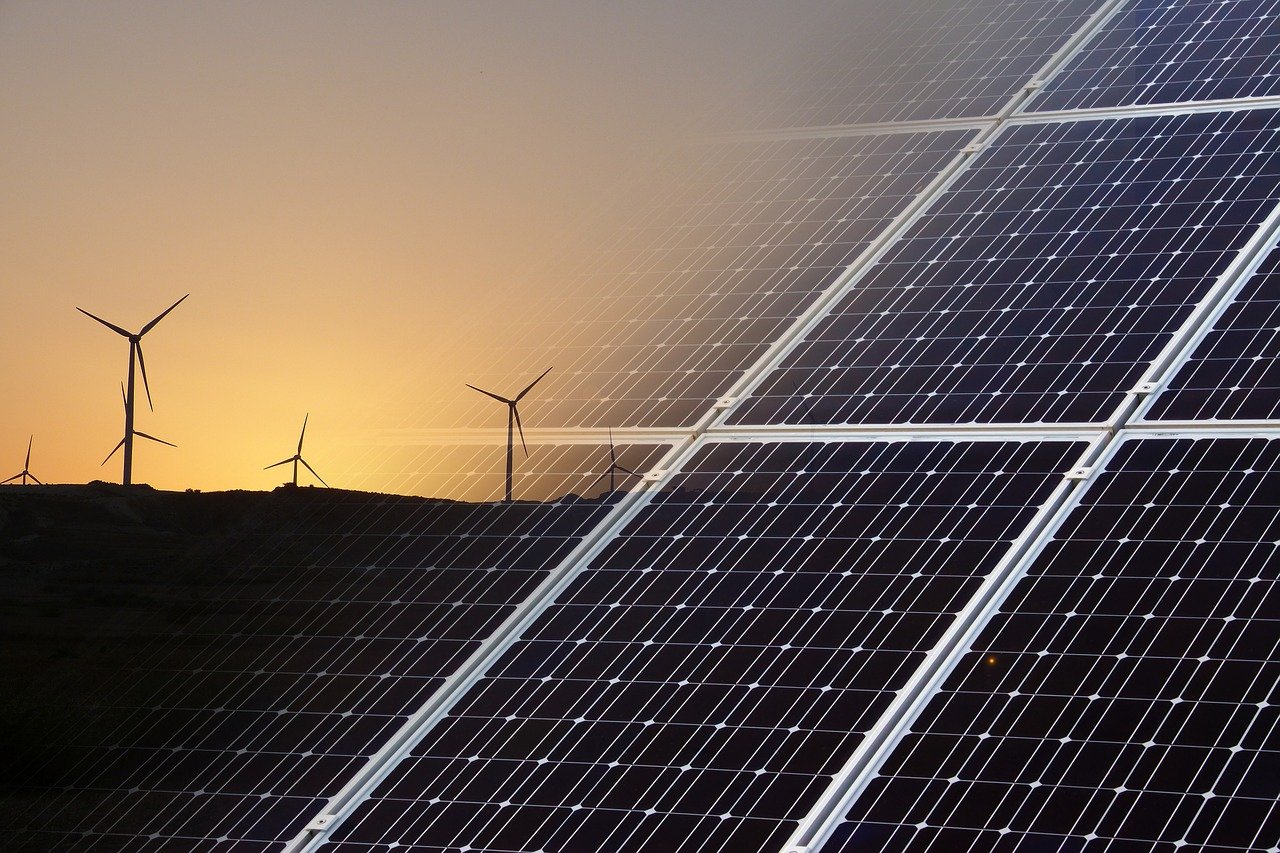
The Search For New Renewable Sources Has Never Been Greater Than It Is Now And Brazil Is The Country Leading The Capacity For Clean Energy Generation In Latin America.
On Wednesday, (07/20), data gathered by a study from RECAI indicates that Brazil is the leading country in renewable energy production in Latin America and that the challenges to global energy production after the scale of Russian gas has led more and more countries to invest in clean energy generation capacity around the world.
The Search For Clean Energy Generation Is Becoming Stronger
The constant search for new renewable sources has never been as strong as it is now. Even before the current war in Ukraine, the unstable global natural gas market prompted many countries, especially in Europe, to seek to reduce reliance on Russian gas and invest in other energy sources. In this sense, Latin America, especially Brazil, stands out for its potential in clean energy generation.
“With gas prices high, the investment climate in renewable energies is becoming more attractive as the relative cost of new technologies is decreasing compared to gas. A clear opportunity is presenting itself for emerging green technologies,” states a section of the study produced by Recai.
-
Brazilian scientists are simultaneously advancing two research projects on clean hydrogen and driving solutions that could transform the energy matrix, enhance industrial competitiveness, and accelerate large-scale emission reduction targets.

-
Advancement in renewable energy: A R$ 150 million project launched by Petrobras and Finep aims to create state-of-the-art electrolyzers for green hydrogen, strengthening national research and preparing Brazil to compete in a billion-dollar energy market.
-
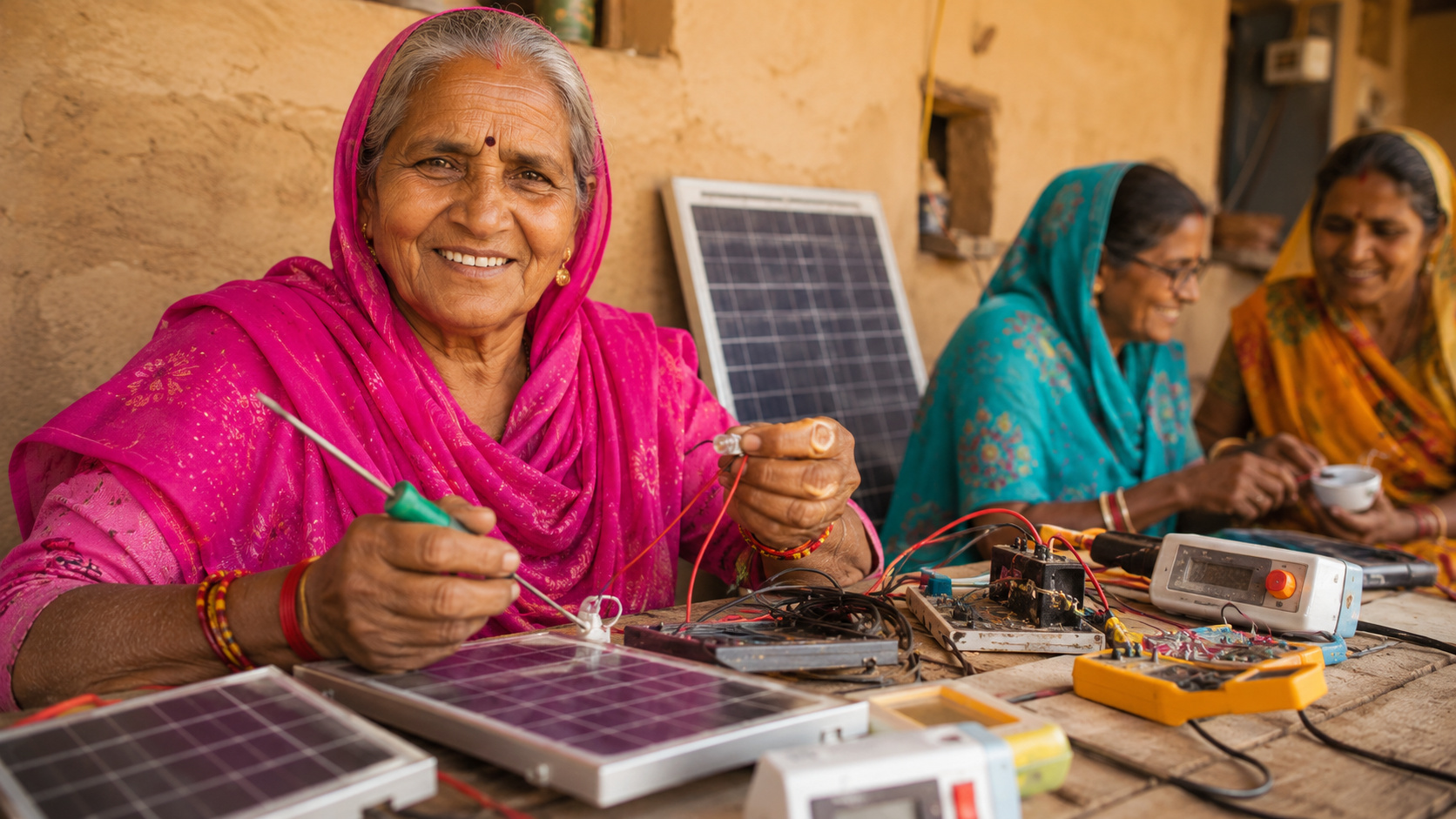
Illiterate or semi-literate grandmothers were trained to repair solar systems, open rural workshops, and light up homes that still depended on kerosene.
-
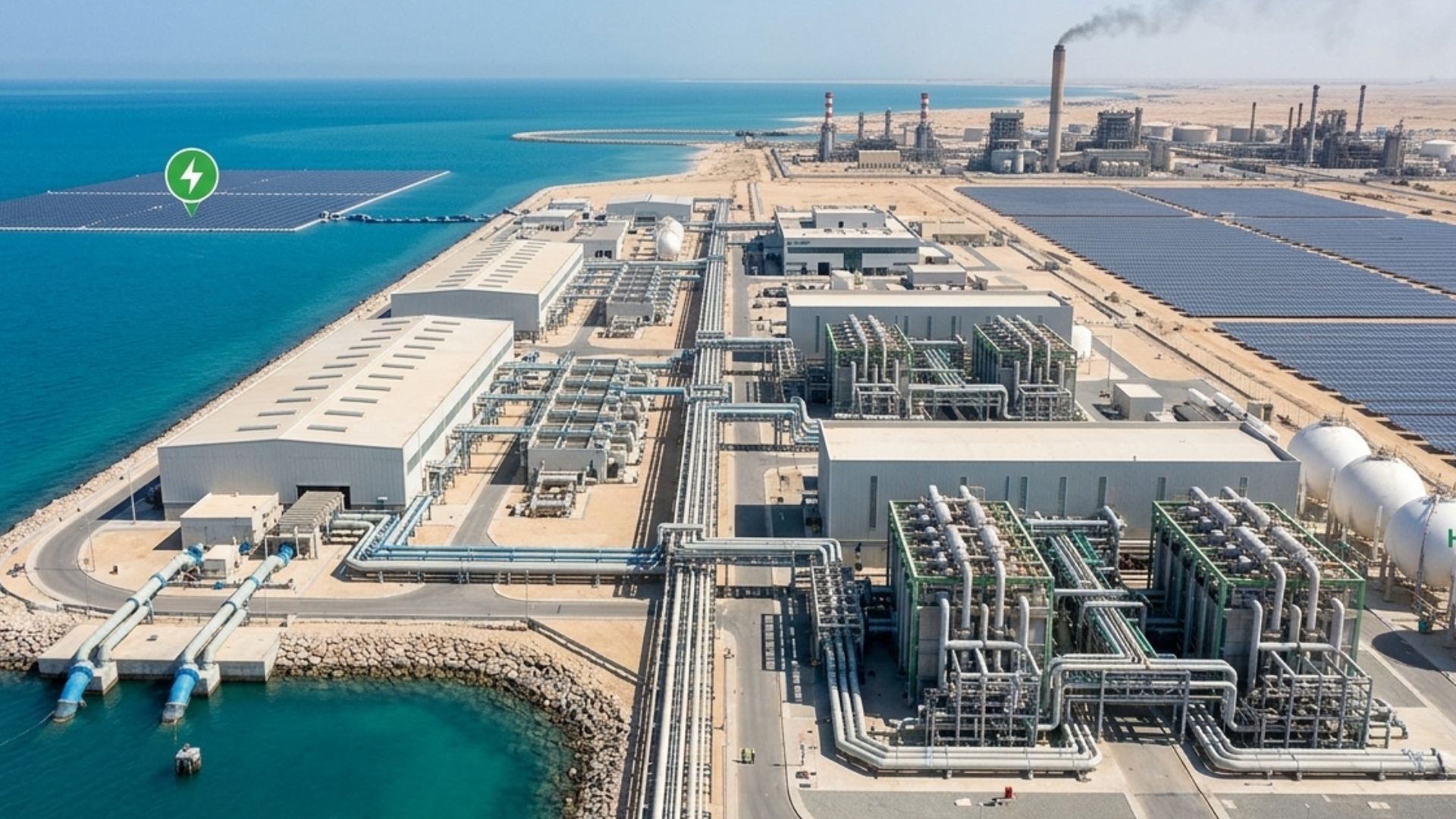
The world has bet on green hydrogen as the fuel of the future, but now faces the side effect: producing 1 kilogram requires about 9 liters of ultrapure water, and the largest projects on the planet are precisely in the driest regions of the Earth, where water is already scarce for people.



According to the EY survey, the growing demand for new green energy sources will drive research and stimulate technological advancements that will reduce production costs in the coming years.
This is why governments are taking initiatives to increasingly reduce their dependence on Russian energy commodities. Additionally, a massive investment in sources that can replace fossil fuels is being planned and analyzed worldwide, especially concerning green energy.
Reliance On Hydropower Makes Brazil More Vulnerable To Droughts
The global ranking produced by RECAI is led by countries such as the United States, China, and the United Kingdom. Brazil ranks 13th in the global ranking but remains the leader in Latin America regarding renewable energy generation capacity. Brazilian hydropower plants alone account for about 60% of all the energy generated in the country.
However, on the other hand, the study states that this reliance on hydropower makes Brazil more vulnerable to droughts, an impasse the country faces much more frequently in recent years, especially in regions where the major reservoirs are located, such as the Southeast.
“Brazil has a large part of its electric supply from hydropower plants. This characteristic makes the country more vulnerable to extreme droughts, as seen in recent years. The solution would be a substitute for the hydropower source in case of scarcity, which has predominantly been done in recent decades by thermal plants,” explains André Flávio, executive director of the energy sector at EY.
Thus, to ensure a reduction in dependence on hydropower, alternative sources, such as wind energy, for example, have been gaining traction in recent years and are expected to grow even more. In Brazil, wind energy already represents about 10% of the total energy produced in the country, considering the natural characteristics favorable for energy generation from winds.
According to André Flávio, onshore wind farms, which are wind farms installed on land, already constitute a mature market. However, offshore wind farms—installed at sea—have seen little investment.







Be the first to react!