





 English
  Francês
  Alemão
  Italiano
  Japonês
  Norueguês
  Portuguese
  Spanish
  4 min of reading
  0 comments


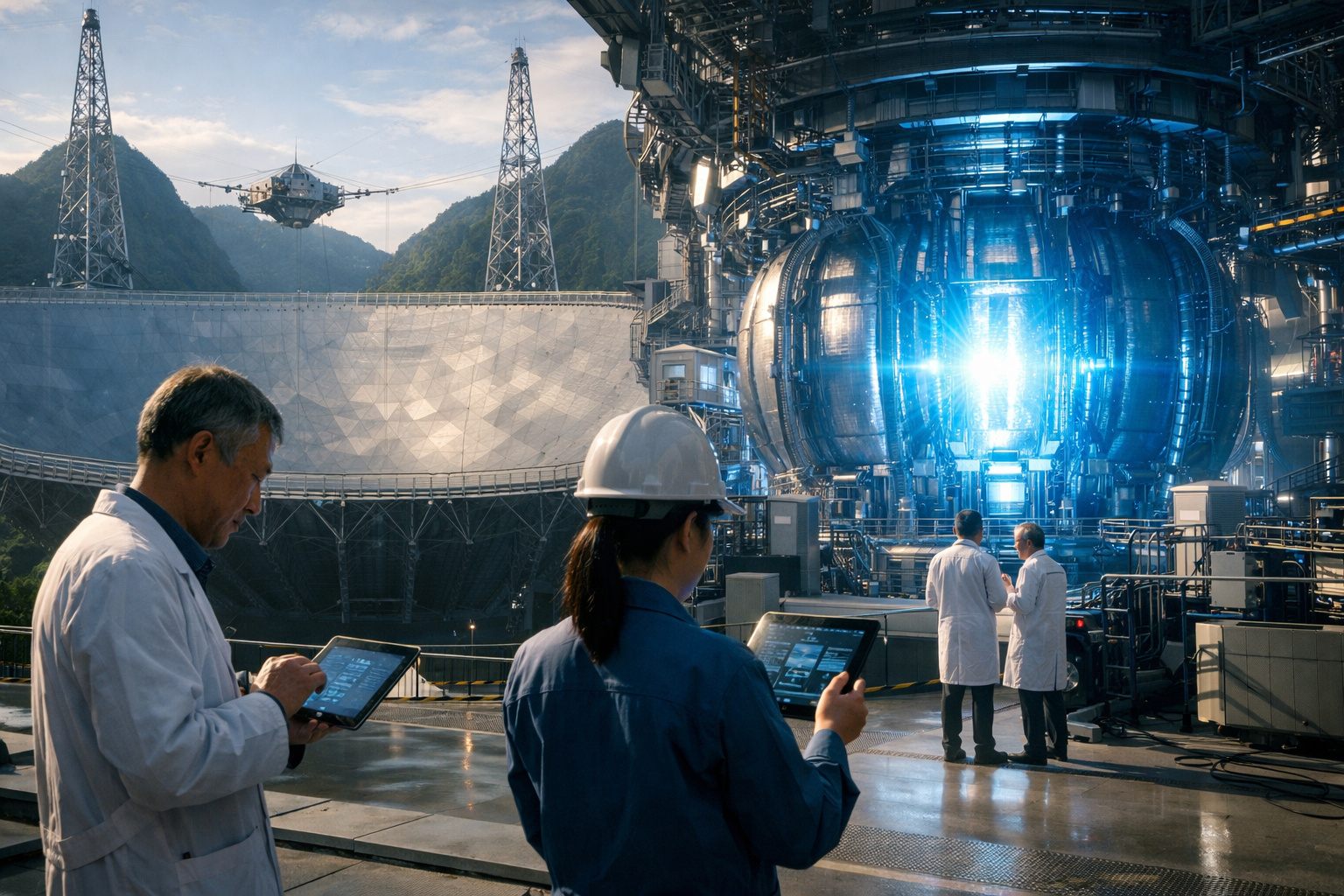
Inauguration of cutting-edge scientific centers for international researchers marks new phase of global cooperation in science, focused on innovation, space exploration, and advanced energy
China has taken a strategic step that could redefine the global balance of science and technology in the coming years. In 2026, the Asian country announced that it will open 10 major scientific facilities for researchers from around the world, allowing access to some of the most advanced structures ever built on the planet.
The information was disclosed by the official Chinese agency “Xinhua” during the opening ceremony of the annual Zhongguancun Forum (ZGC Forum), held in Beijing. The event, considered one of the most relevant in Asia in the field of innovation, served as a platform for the announcement that is already resonating among scientists and governments.
Furthermore, the initiative reinforces a clear trend: China not only wants to advance technologically but also to position itself as one of the leading global centers for scientific production and international cooperation.
-
350-year mystery may have been solved: remains of a soldier who inspired the hero of The Three Musketeers found beneath a church in the Netherlands.

-
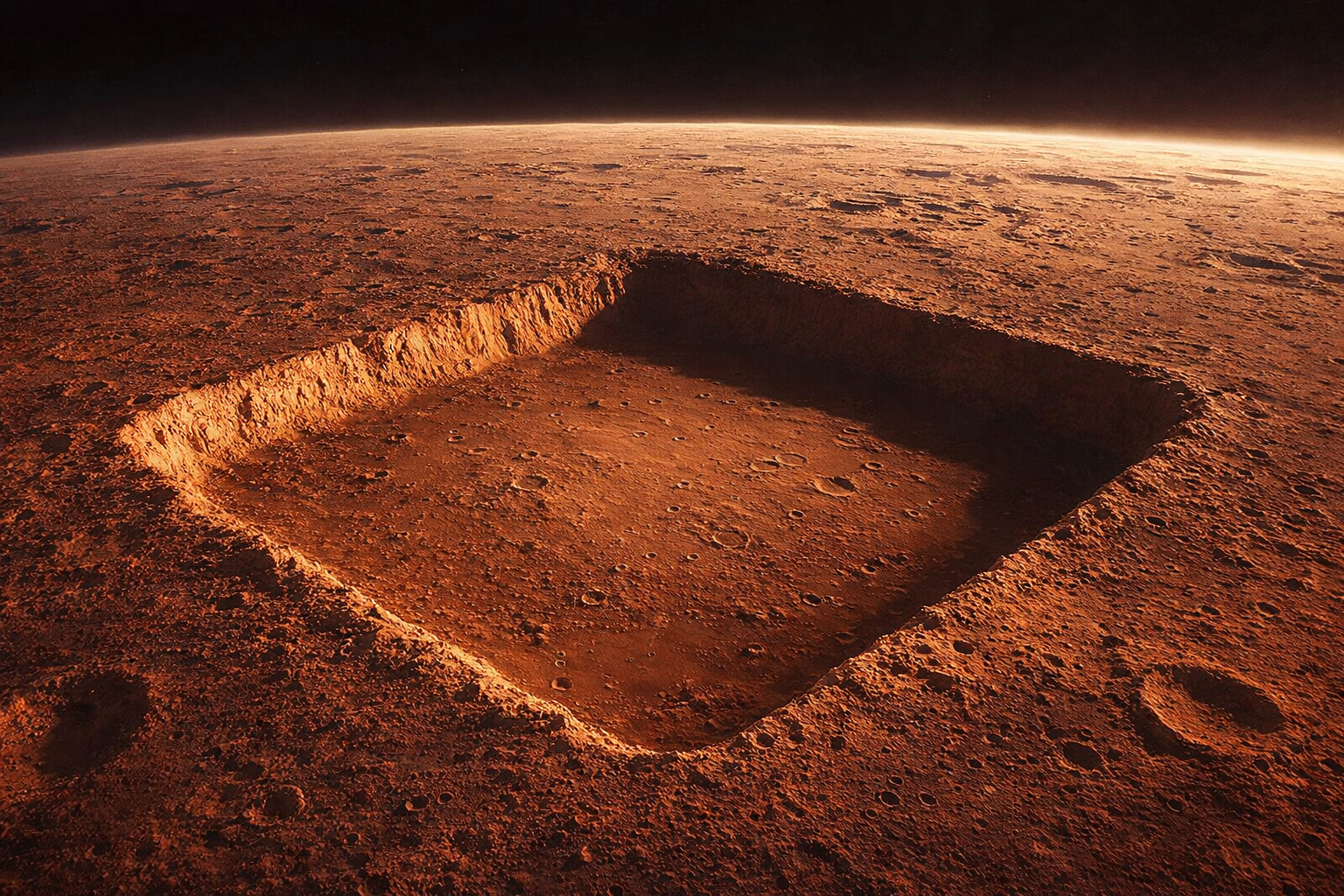
NASA photographed a nearly perfect square with 3 km sides on Mars, 13 times larger than the Great Pyramid of Giza, but the official explanation is natural erosion; still, no one has explained why the four sides have almost identical lengths.
-
Starlink breaks the barrier of 10,000 satellites in orbit and takes its expansion to an unprecedented level, with a direct impact on global internet, technological competition, and the race for space.

-
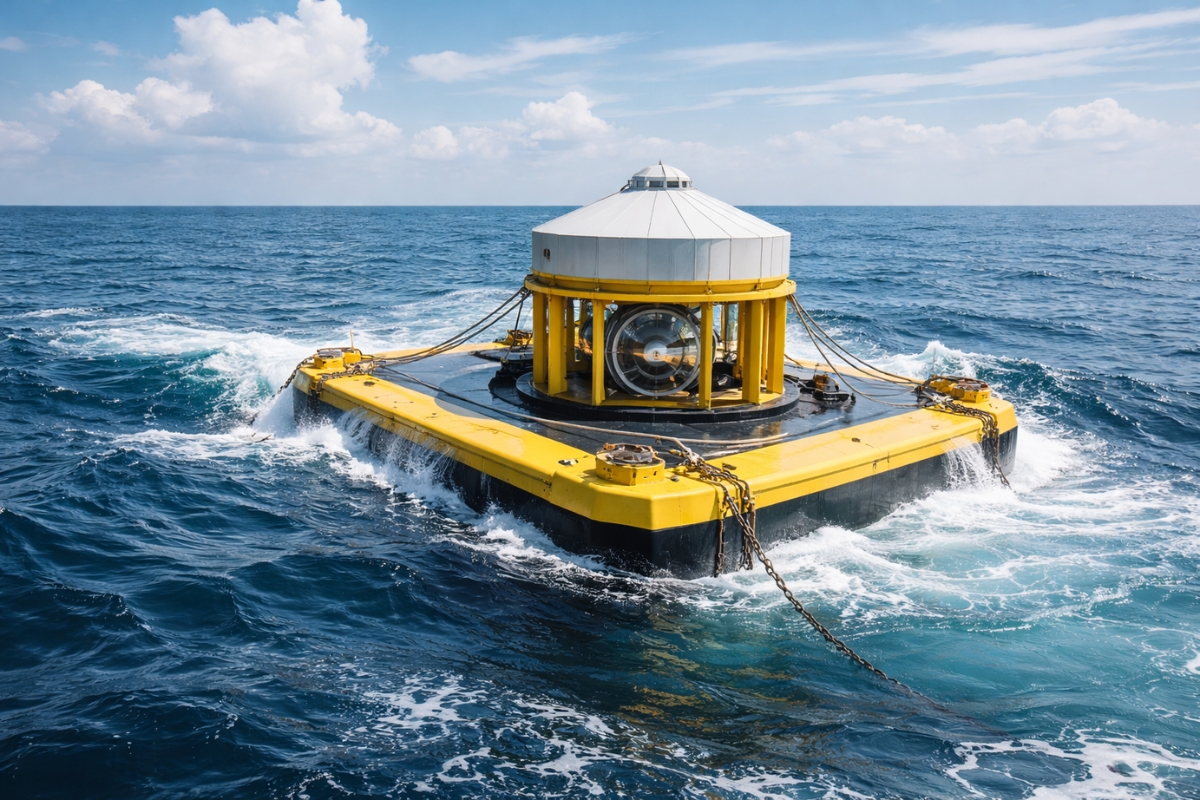
Japan finds an alternative to oil amid rising prices by transforming ocean balance into electricity with a new technology that maintains efficiency even when the sea changes.

Cutting-edge facilities include giant telescope and nuclear fusion reactor
Among the facilities that will be opened to the international public are some of the most impressive ever built by modern science. One of the highlights is the Five-hundred-meter Aperture Spherical Radio Telescope (FAST), located in Guizhou province in the southwest of the country.
The FAST is currently the largest radio telescope in the world and plays a crucial role in observing the deep universe, including the search for extraterrestrial signals and the study of extreme cosmic phenomena. Thus, the opening of this equipment represents a unique opportunity for researchers from various fields.
In addition, another project that draws attention is the Experimental Advanced Superconducting Tokamak (EAST), located in Anhui province. It is one of the most advanced experimental nuclear fusion reactors on the planet, often referred to as an “artificial sun,” due to its ability to replicate reactions that occur inside stars.
Similarly, the infrastructure for space environment simulation and research, located in Heilongjiang province in northeastern China, will also be available. This center allows for the simulation of extreme space conditions, being essential for the development of aerospace technologies and future missions.
Therefore, by opening these facilities, China not only shares resources but also significantly expands the possibilities for global scientific advancements.
International plan seeks open science and global collaboration
This decision is part of a larger strategy. According to the official announcement, the measure is directly linked to the Action Plan for International Cooperation in Open Science, launched in 2025 in partnership with other countries.
The goal is clear: to create a more open, fair, balanced, and discrimination-free global environment for scientific and technological development. In this way, researchers from different nations will be able to collaborate on high-impact projects, reducing barriers and accelerating discoveries.
Moreover, the initiative is also connected to the recently released 15th Five-Year Plan of China (2026-2030), which outlines the country’s economic and social goals for the coming years. In this document, the Chinese government emphasizes its intention to build an innovative, open ecosystem with global competitiveness.
Consequently, the country seeks to attract international talent and strengthen strategic partnerships, especially in areas considered critical, such as energy, artificial intelligence, space exploration, and materials science.
On the other hand, this movement also occurs in a context of increasing technological competition among major powers. Still, China bets on cooperation as a tool to expand its influence and accelerate scientific advancements.
China bets on cooperation to lead the next generation of innovation
In recent years, China has been consistently investing in high-level scientific infrastructure. Now, by opening these facilities to the world, the country signals an important shift: transforming its internal capacity into a global asset.
Furthermore, this strategy could position the country as one of the main innovation hubs on the planet, attracting researchers, universities, and international research centers.
Meanwhile, experts assess that the opening of these centers could accelerate discoveries in fundamental areas of science, from clean energy to deep space exploration.
Thus, the decision to grant access to these facilities is not only scientific but also strategic, reinforcing China’s role in the global technology and innovation landscape.
In light of this scenario, an inevitable question arises: does this scientific opening represent genuine cooperation or is it part of a silent contest for global technological leadership?






Seja o primeiro a reagir!