





 Portuguese
  English
  Spanish
 3 min of reading
  0 comments


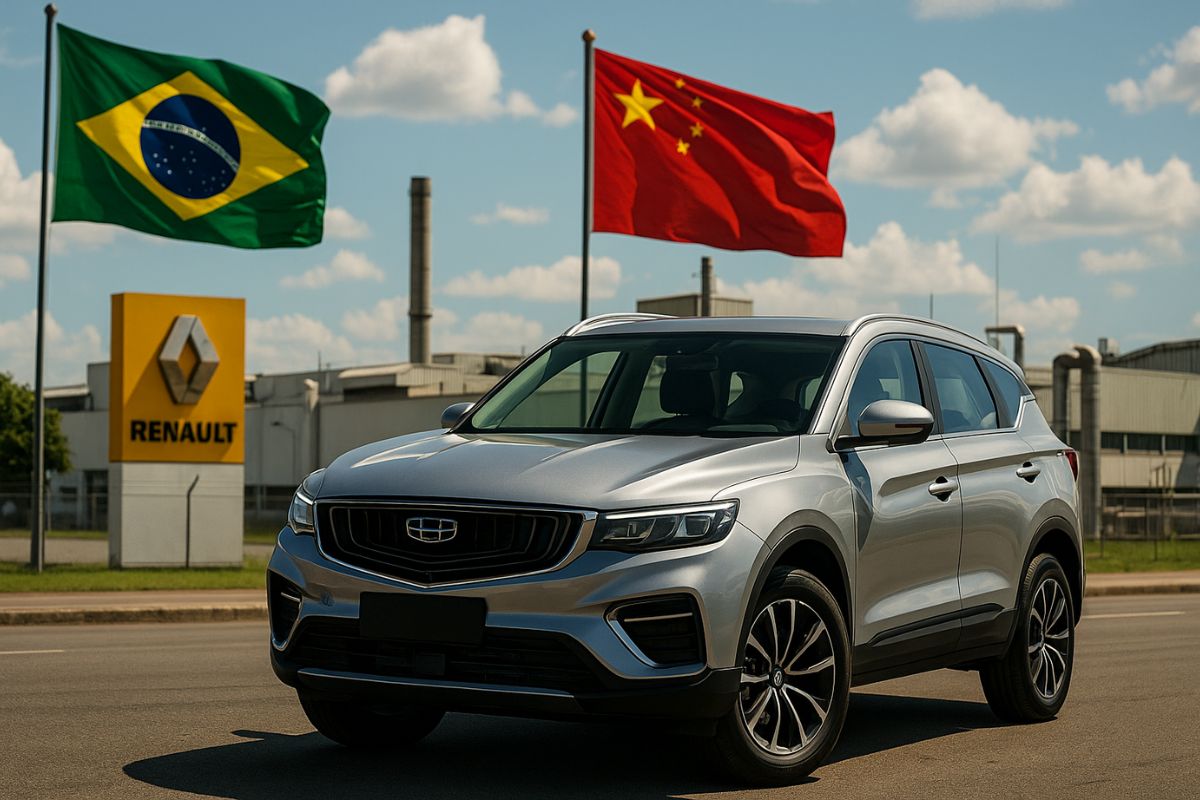
Geely’s Entry Expands Chinese Presence in the Automotive Sector and Gives New Life to Renault in Brazil, with Production Forecasted at Up to 400,000 Vehicles Per Year at the Ayrton Senna Complex in Paraná, Within the Global Electrification and Industrial Expansion Strategy.
The Chinese automaker Geely confirmed the purchase of 26.4% of Renault in Brazil, in a deal that positions the country at the center of one of the most strategic industrial alliances in the global automotive sector. The agreement, with no disclosed values, will allow Geely to utilize Renault’s structure and engineering center in São José dos Pinhais, Paraná, to manufacture low and zero emission models.
As a result, the Ayrton Senna complex could increase its production capacity from 180,000 to 400,000 vehicles per year, becoming one of the largest industrial hubs in South America in terms of volume and technological diversity. The partnership also includes the integration of hybrid and electric platforms, and is expected to reposition Renault in Brazil as a protagonist in the energy transition in the national automotive sector.
Structure and Industrial Impact
Renault and Geely already had partnerships abroad, such as Horse Powertrain, established in 2024 to produce hybrid and combustion engines.
-
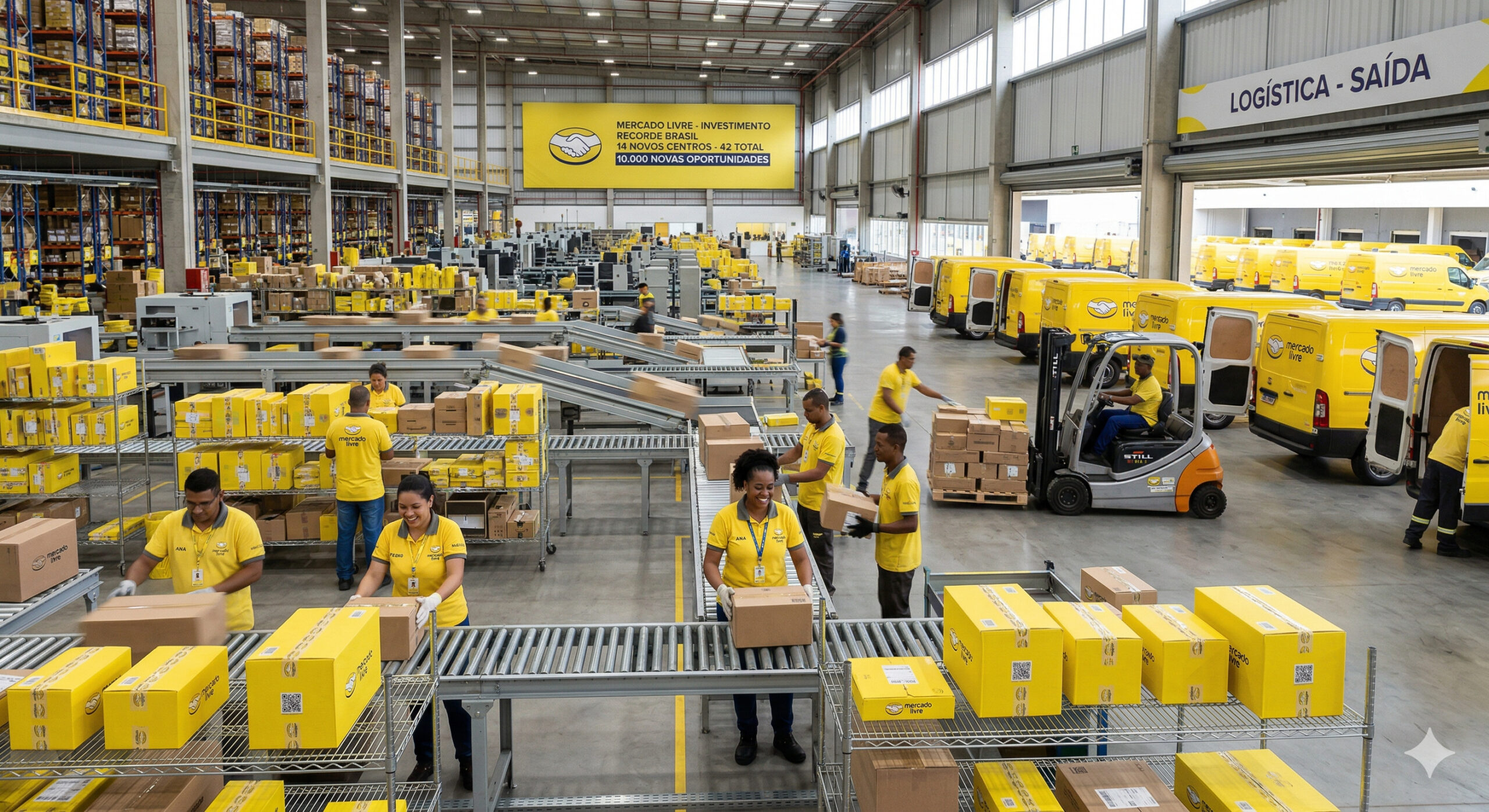
Mercado Livre “opens the vault” and announces a record investment of R$ 57 billion in Brazil in 2026, a value 50% higher than the previous year, with an expansion plan that includes 14 new logistics centers, totaling 42 units in the country and hiring an additional 10,000 employees.
-
How investment in technology can revolutionize the national economy and enhance industrial gains, according to a study that highlights the direct impact on productivity, innovation, and wealth retention within Brazil.
-
The largest food company on the planet, JBS, has just opened a 4,000 square meter laboratory in Florianópolis to develop customized proteins that modulate muscle mass gain, immune response, and metabolic performance.

-
After nearly 30 bids and competition among industry giants, a Spanish company purchases one of the largest airports in Brazil for almost R$ 3 billion and takes over the management of Galeão in a concession that will last until 2039.

In Brazil, cooperation gains scale with Geely’s direct investment in the subsidiary’s capital, consolidating an industrial axis focused on electrification and production efficiency.
The operation includes access to Renault’s network of 250 dealerships and the engineering structure located in Paraná.
The new business arrangement envisions the formation of a joint council and the renaming of the local operation, with the presidency chosen among Renault executives.
Shared production in the same industrial complex is unprecedented in the country and will allow for optimized lines, reduced costs, and accelerated launches.
Renault’s Expansion Strategy in Brazil
The growth plan aims to double market share in five years, surpassing the current rate of 5%.
The enhancement of capacity and access to Geely’s technologies, which controls brands like Volvo and Lotus, will enable the expansion of the portfolio of light hybrid and electric models.
Renault in Brazil will also become an export base for South America, leveraging the logistical potential of the southern region and the local supplier network.
The Ayrton Senna complex will operate as a multiproduct platform, with synergies in design, propulsion, and automotive software, aligned with the global strategy of Vision 2030 from Saudi Arabia and China in the field of industrial decarbonization.
The Role of Geely and Technological Integration
Geely, one of the largest Chinese automakers, seeks to expand its international presence after acquiring brands such as Volvo, Lotus, and a stake in Renault Korea.
In Brazil, the goal is to introduce compact electric and hybrid vehicles, combining production scale and local development.
Integration with Renault in Brazil will allow for the use of flexible platforms with multiple energy sources and the implementation of digital manufacturing processes and advanced automation.
Geely brings expertise in electric propulsion systems and modular architecture, while Renault offers established experience in local production and distribution networks.
Competition and Transformation of the Brazilian Market
The Brazilian automotive market is undergoing a transition.
The entry of Chinese manufacturers, such as BYD and Great Wall, is already putting pressure on the traditional European operational model.
The alliance between Renault and Geely is, therefore, a strategic response to the advancement of electrification and the pursuit of competitive costs.
Renault executives highlighted that the demand for light hybrids and electric vehicles is growing rapidly, even with the current small base.
Joint production is seen as a way to preserve competitiveness against the arrival of new players and maintain relevance in a market where technological innovation will be the main differentiator.
Geely’s purchase of 26% of Renault in Brazil marks a reconfiguration of the national automotive sector, aligning the country with a global axis of clean production and high technology.
The partnership expands Chinese presence, strengthens the local industry, and positions Paraná as a regional center for automotive innovation.
Do you believe this alliance could redefine Renault’s future in Brazil and boost electrification in the country?









Seja o primeiro a reagir!