





 Portuguese
  English
  Spanish
  5 min of reading
  20 comments


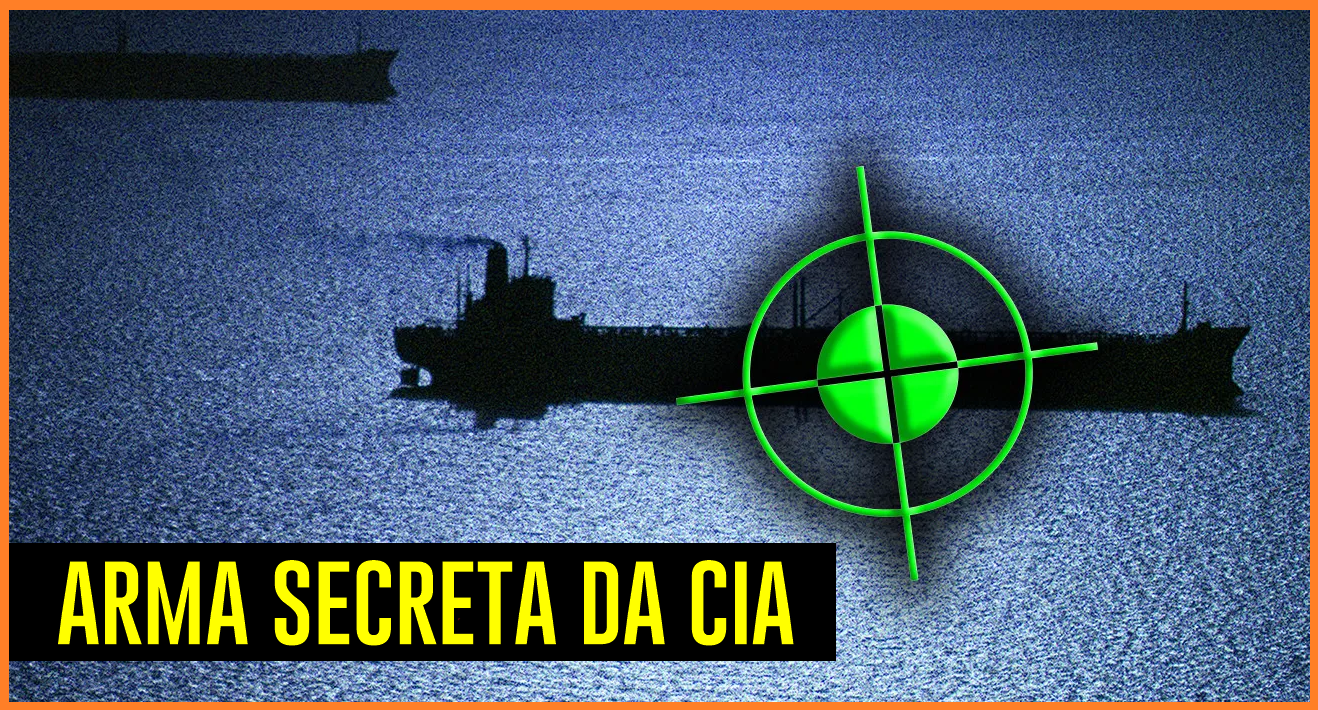

Report Indicates That Trump Considered Using CIA Ship Interception System to Disable Venezuelan Oil Tankers Non-Violently
Behind the scenes of American foreign policy, especially during Donald Trump’s administration, details emerge about espionage technologies and special operations that are rarely discussed in public. One of the most intriguing examples involves the CIA and a secret system that, it appears, has the ability to disable ships non-violently.
The CIA’s system was considered for use against Venezuelan tanker ships transporting fuel to Cuba, as an attempt to weaken both Nicolás Maduro’s regime and Miguel Díaz-Canel’s government in Cuba.
According to a report published in Wired, the idea was to intercept or sabotage Venezuelan fuel ships heading to Cuba to undermine the mutual support relationship between the two countries.
-
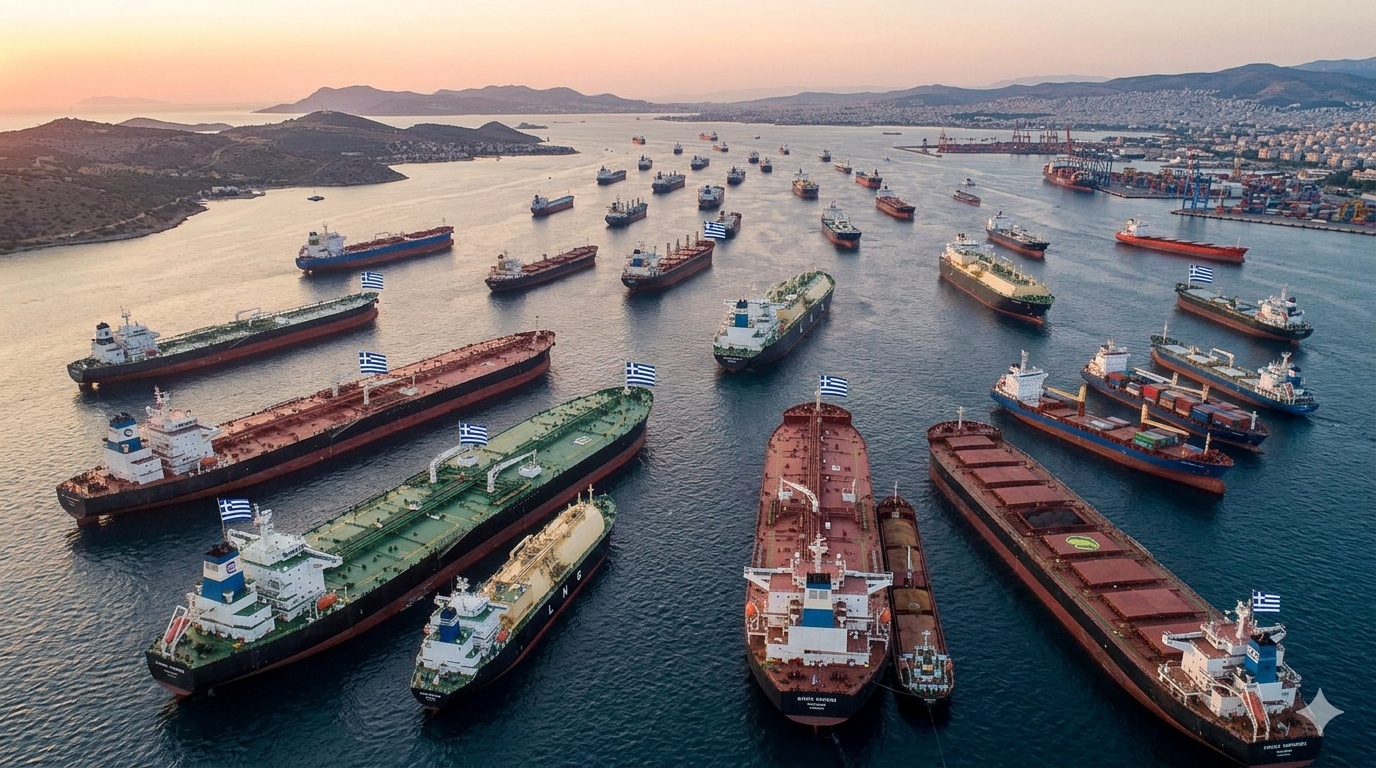
Neither the USA nor China: a small European nation has become one of the largest maritime powers on the planet, controlling one of the largest merchant fleets in the world with thousands of ships and dominating the global transportation of oil and strategic cargo.
-
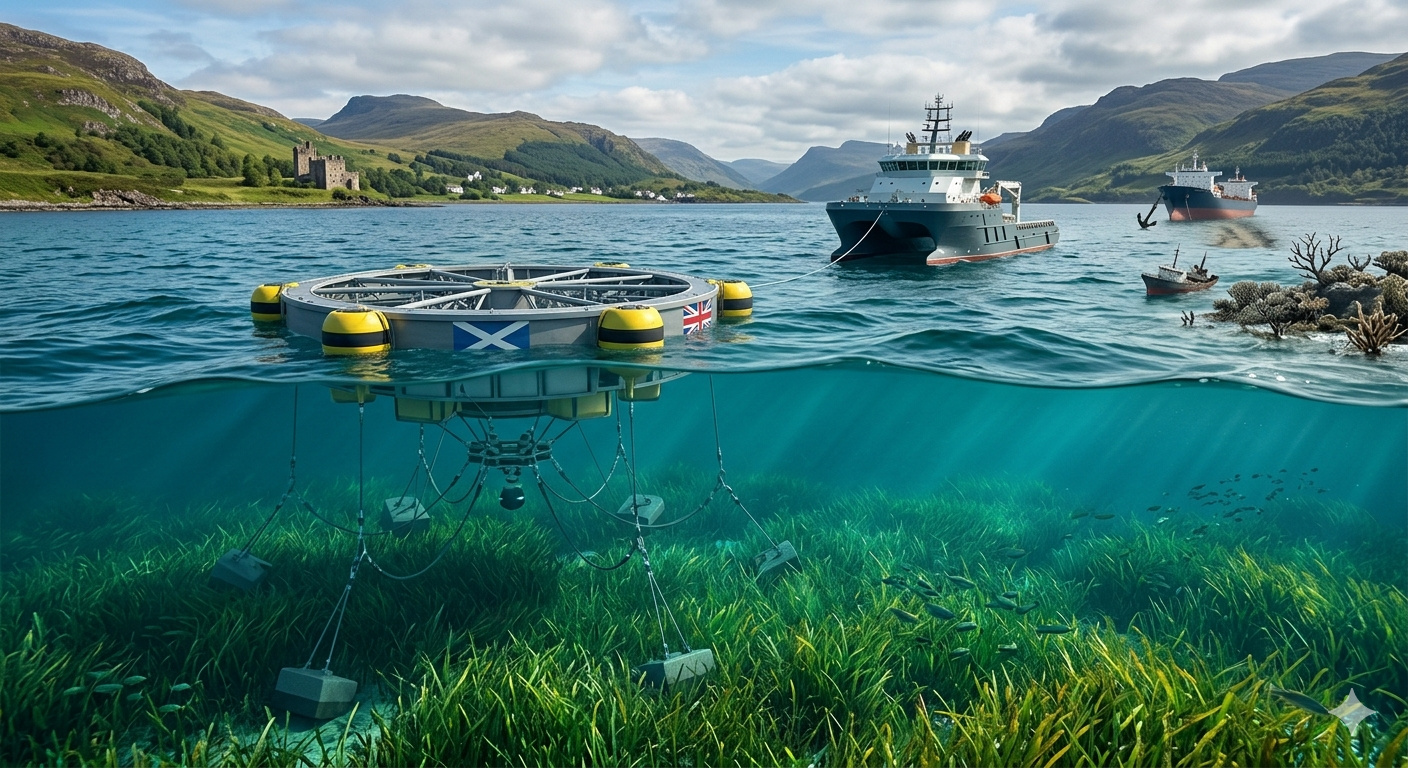
Scotland and the United Kingdom have created a new anchoring system that floats in the water without touching the seabed, after discovering that the current from a conventional anchor destroys up to 50 m² of seagrass meadow per event and that ship-damaged reefs showed no signs of recovery even ten years later.
-
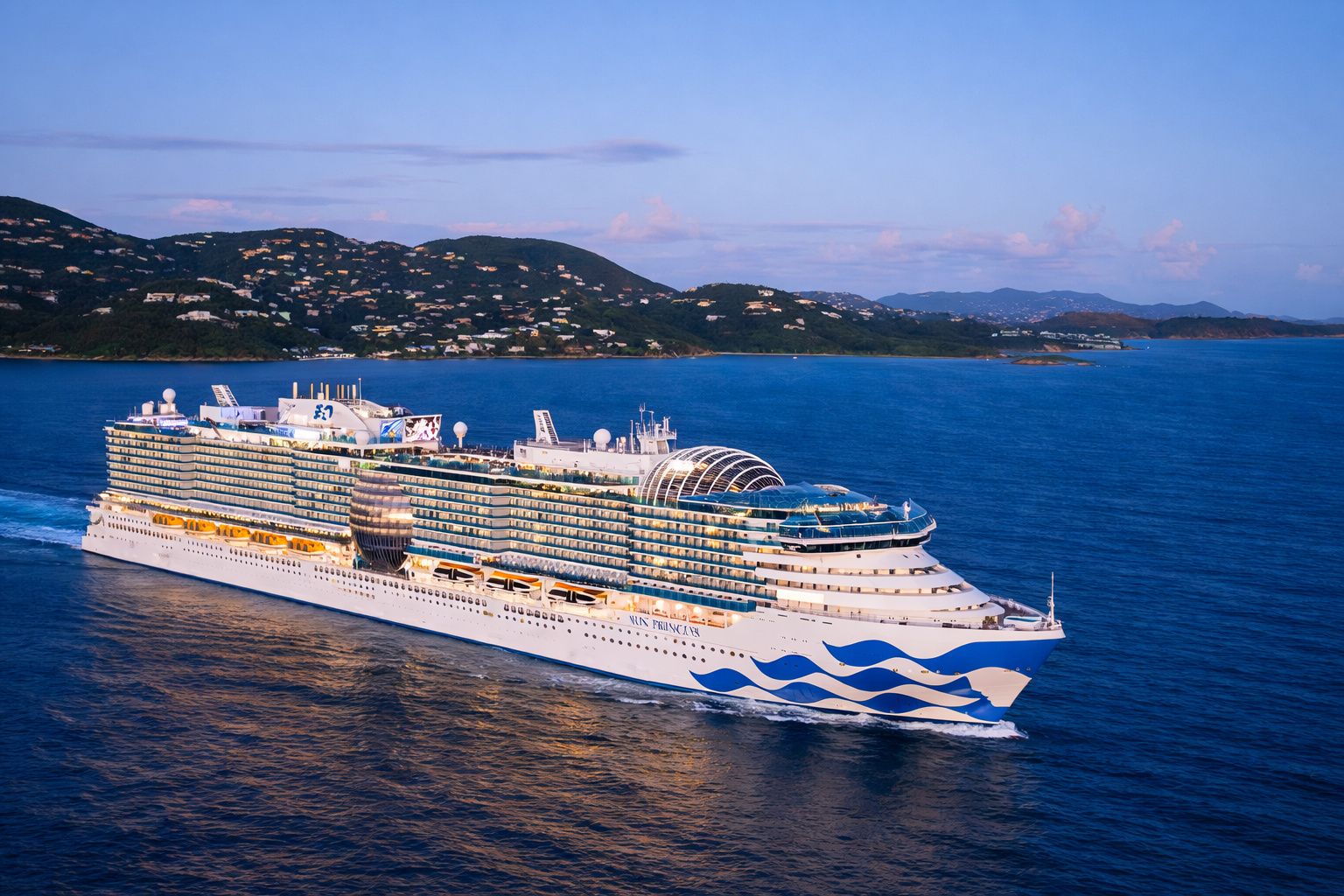
Weighing 175,500 Tons, Measuring 345 Meters Long, and With Capacity for Over 4,300 Passengers, the Sun Princess Becomes the Largest Ship Ever Built by Princess Cruises and Attracts Global Attention for Its Huge Glass Dome Inspired by Santorini’s Architecture Installed on Top of the Vessel
-
TX-10, The Colossus of The Sea: Largest Lifter Ship in The U.S., With Two Giant Barges, 73-Meter Tall Structure, and Strength to Raise 7,500 Tons of Sunken Oil Rigs

This plan did not materialize, as the CIA declined to move the system to the South American region, indicating that the equipment was in another hemisphere and they did not want to risk its exposure.

Functioning and Speculations About the CIA Technology
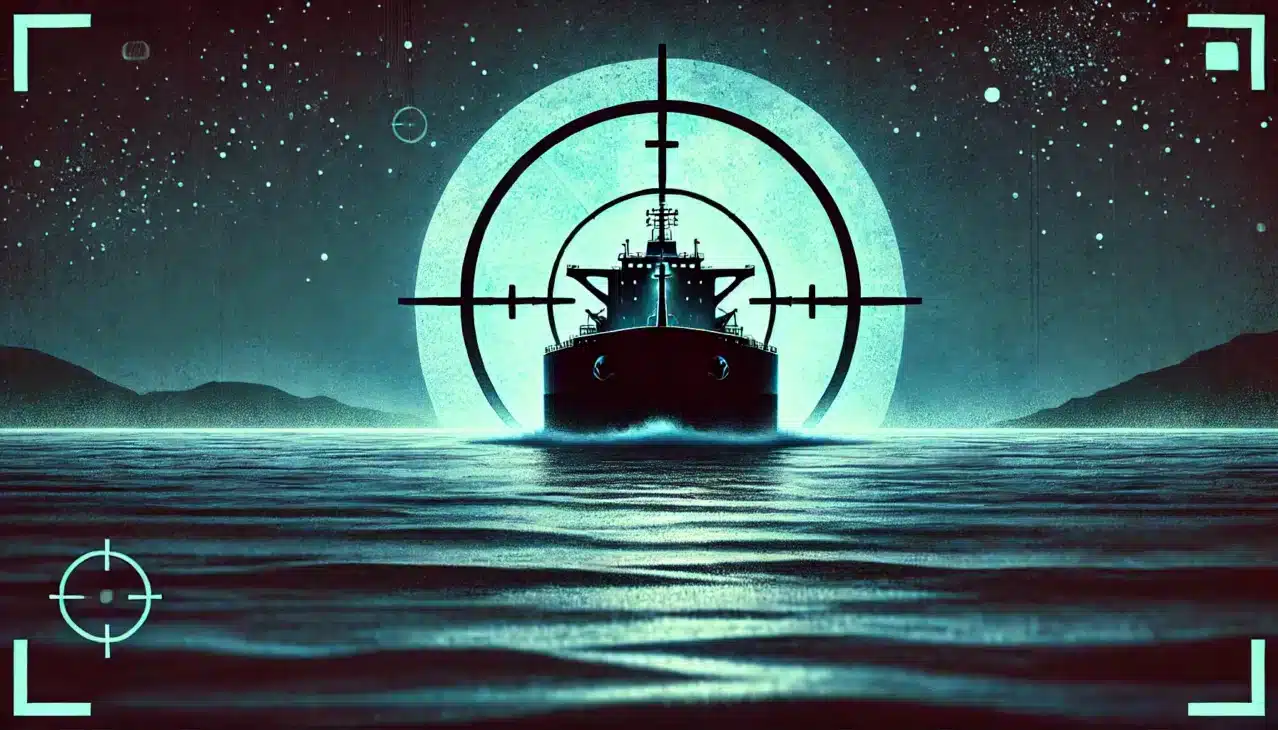
The specific method of operation of this ship disabling system is kept secret, but some possibilities have been raised by experts.
The first hypothesis involves the use of high-power microwave (HPM) technology to interfere with the electronic systems of ships, causing failures in radars, navigation systems, communication, and engines, without direct action on the crew or the physical structure of the vessel.
HPM weapons emit beams of electromagnetic energy that can cause temporary or permanent effects on electronic devices, ranging from freezes to physical damage to control systems.
The U.S. Air Force and Navy have programs like HiJENKS that explore this technology jointly for military use. One of their applications successfully demonstrated in tests is the destruction of electronic systems from a certain distance, creating possibilities for covert use.
Another possible mechanism would be the use of cyber attacks or electronic warfare. This type of approach can, for example, blind sensors or disable important industrial control systems, forcing the ship to stop. However, this would require some type of access to the vessel’s digital systems.
Challenges and Limitations of the System
Despite its potential, the practical use of an HPM system to disable ships faces limitations.
The short distance required between the microwave emission source and the target makes covert operations difficult, especially against large moving vessels. Additionally, there are risks of exposing the attack source, such as disguised maritime or aerial drones, which could compromise the operation.
There are also physical methods that could be used, such as devices that obstruct a ship’s propeller to force it to stop.
However, this type of approach presents greater logistical difficulties, as it requires high precision and, in many cases, direct contact with the vessel, which would not fit well in the context of a clandestine and non-violent operation.
Other Examples and Historical Context
Although the use of HPM and electronic warfare technologies against ships is recent, there are indications that the United States has explored non-lethal disabling alternatives in other situations. In 2011, rumors arose that the U.S. government used “shock bombs” in Libya and “electric bombs” in Syria in 2017.
These devices were allegedly capable of temporarily neutralizing electronic systems, facilitating troop advances without causing direct destruction or civilian casualties.
These innovations reflect the United States’ ongoing search for asymmetric warfare methods, where they can target adversaries without resorting to lethal weaponry.
In addition to making detection and attribution of actions more difficult, these approaches also offer political flexibility, as they limit humanitarian impact and reduce diplomatic consequences.
Implications for the Future of Intelligence and Defense
The existence of just one of these systems, as mentioned by the CIA, raises some questions. The technology is possibly experimental or has limitations in its development and applicability. This fact indicates that, despite being promising, the capacity to stop ships still faces challenges for broader implementation.
The possibility of expanding the inventory of HPM systems is something the American government likely considers, especially for use in high-risk operations or in regions with significant movement of sensitive cargoes, such as nuclear materials or biological weapons.
In fact, the application of these systems is not limited to covert operations: they could be used for security approaches in conflict zones or in rescue missions, facilitating the control of suspicious vessels without the use of lethal force.
Ultimately, the ability to disable a vessel without firing a shot offers a significant tactical advantage in “Visit, Board, Search, and Seizure” (VBSS) operations, which are common in special operations forces.
In these scenarios, the ability to quickly stop a vessel and neutralize its security systems before boarding allows the mission to be completed with less risk to the involved team.
Conclusion
While the Wired report provides limited information about the CIA’s ship disabling system, it illustrates the evolution of American military strategies towards less lethal and more technological tactics.
In a world where cyber warfare and electronic attacks are gaining increasing relevance, the ability to disable a vessel without causing physical damage or alerting the enemy can be a valuable tool for U.S. defense and intelligence forces.
High-power microwave technology is one of the most promising in this context, allowing electronic systems to be temporarily incapacitated.
The practical application of these systems, however, still faces logistical and security obstacles, but it is likely that development will continue, as these tools represent a new era of non-lethal and silent combat methods.
The future may hold an increasing sophistication of these systems, which could become a viable option to reduce the use of force in military, diplomatic, and intelligence operations, with still unknown impacts on global geopolitics.









Well-written and insightful. Would love to see case studies next.
Thank you for the clear roadmap — it makes the process less intimidating.
I just like the helpful information you provide in your articles