





 Portuguese
  English
  Spanish
  5 min of reading
  1 comment


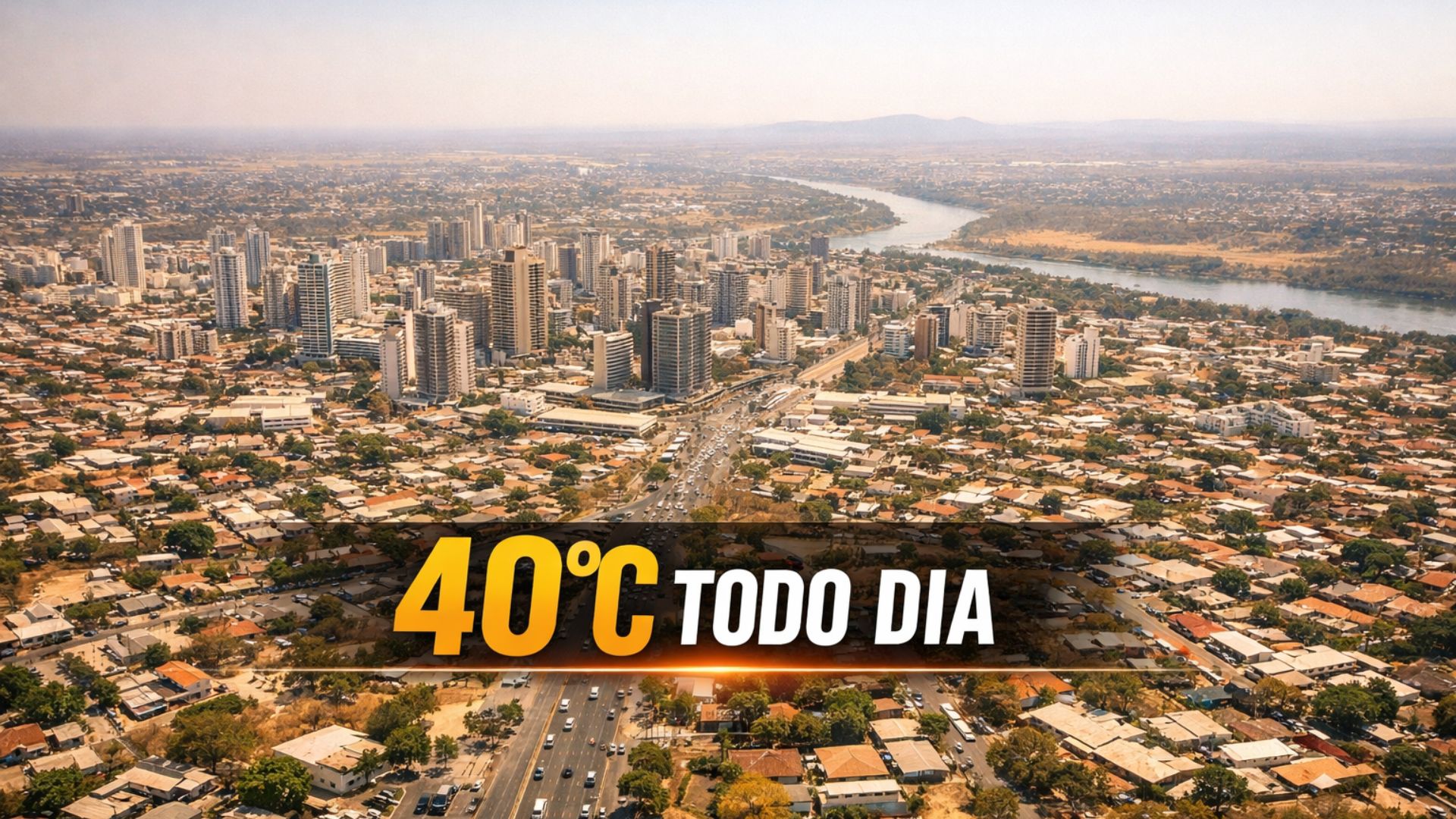


Persistent Heat, Dry Air, and High Perceived Temperature Reorganize Schedules, Press Infrastructure, and Change Habits in Cuiabá, Where Construction Begins Before Dawn and Air-Conditioned Transport Becomes the Norm.
In Cuiabá, the capital of Mato Grosso, temperatures above 40 °C frequently occur throughout much of the year, and during the driest periods, it can be accompanied by a perceived temperature above 45 °C and humidity below 20%, a combination that alters schedules, services, and even the way people move around the city.
In everyday life, the adaptation starts on the asphalt, which on extreme days can soften and deform stretches of road heavily exposed to the sun, and continues to the simplest habits, such as choosing shaded routes, carrying water, and avoiding long trips in the early afternoon.
To reduce health risks and keep the city functioning, heavy work and activities tend to be brought forward, with job sites starting their day as early as 4 a.m., when the temperature is usually lower and physical effort is less dangerous.
-
Spain surprises the world by erecting 62 artificial dunes, mixing sand with natural remains of posidonia, and causing the structure to lose only 1.4% of its volume in 1 year.

-
With 16 Bulava missiles, improvements in acoustic stealth, and a design focused on silent patrols, Russia’s nuclear submarine was born to ensure Moscow’s invisible retaliation and has become one of the pillars of its maritime strength.

-
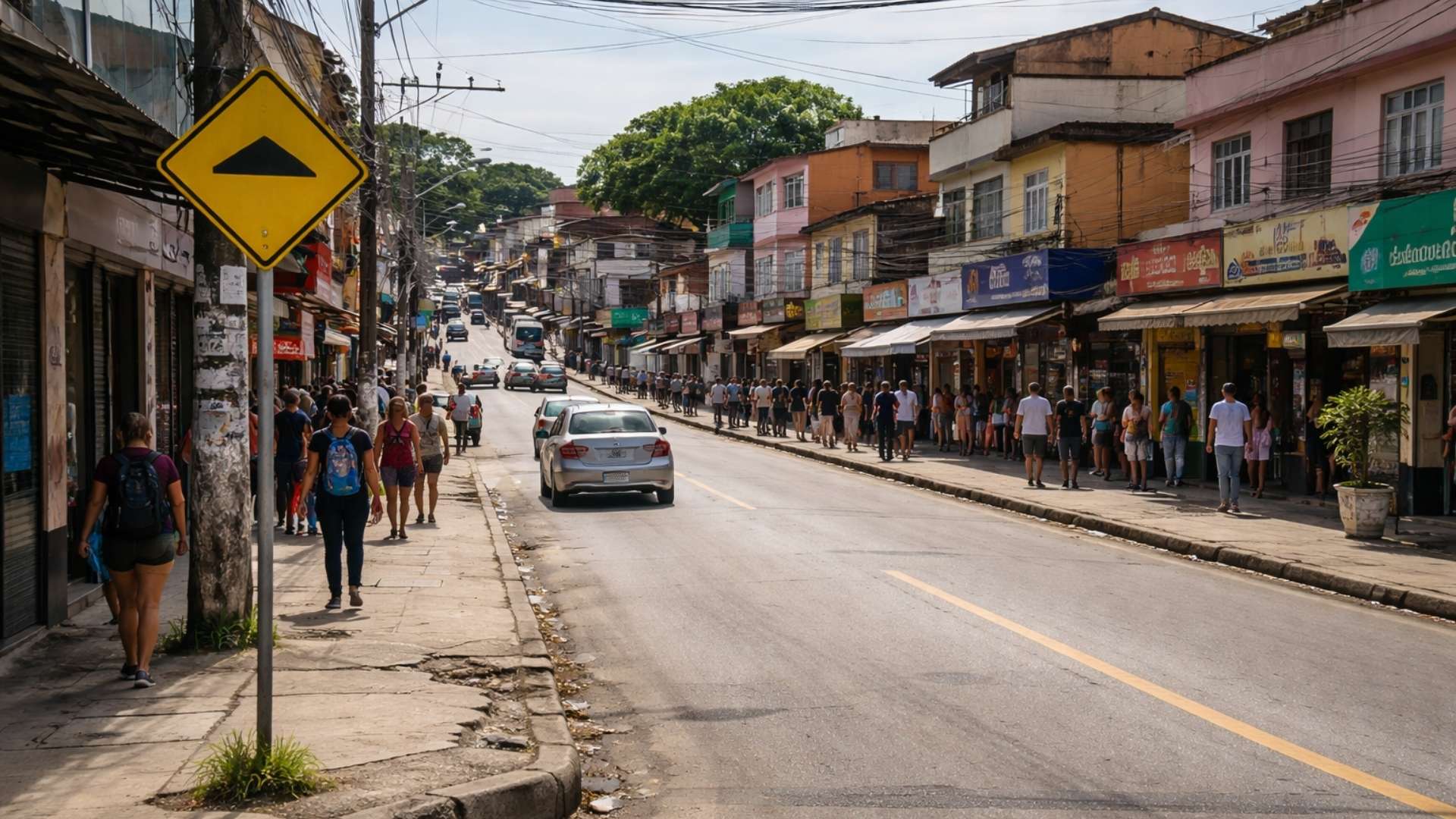
‘Populous’ city in Rio among the worst in Brazil in national ranking and exposes silent development crisis.
-
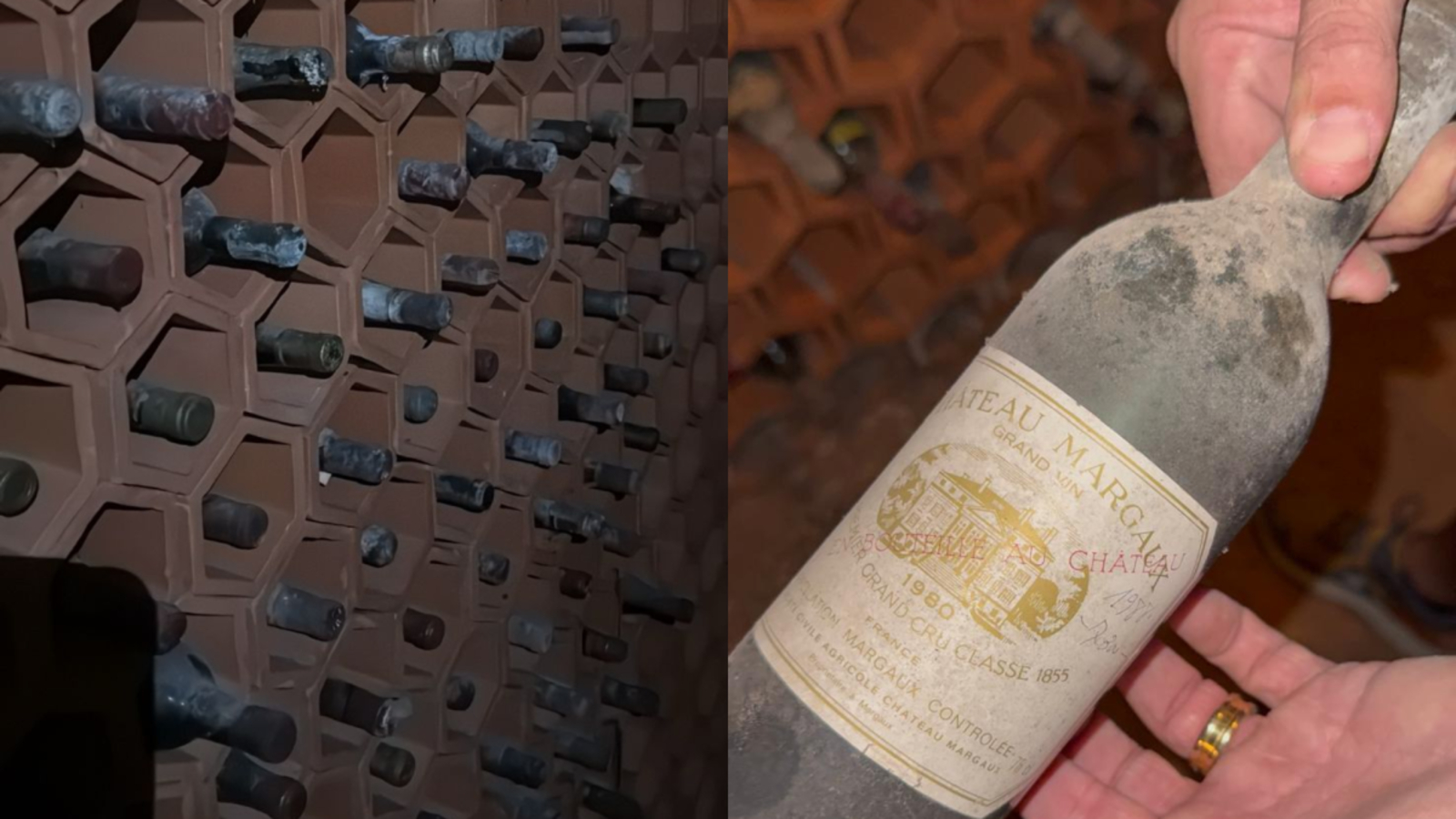
Couple buys house in the South Zone of São Paulo, opens a hidden door in the garage, and finds a secret wine cellar with dozens of old wines forgotten since the 1970s.

Meanwhile, sectors of commerce and service provision, even without officially stopping, often slow down between 12 p.m. and 3 p.m., a period when the heat reaches more aggressive levels and discomfort intensifies, especially in areas with little greenery.
Why Is Heat So Concentrated in the Capital of Mato Grosso?
The local geography is cited as a determining factor for the maintenance of high temperatures, as Cuiabá is located in a depression area surrounded by plateaus, a condition that hinders the circulation of winds and favors the accumulation of warm air over the urban area.
According to the original text, a study attributed to UFMT relates this relief configuration to reduced ventilation and an increase in perceived heat, which, combined with urban growth, lowers the chance for thermal relief in several neighborhoods, especially the denser ones.
In addition to the terrain, the city experiences the urban heat island effect, a common phenomenon in urban centers where concrete, tiles, and pavement absorb energy during the day and release some of that heat at night, prolonging the feeling of stuffiness.
In dry months, relative humidity can drop to very low levels, aggravating discomfort, because the body loses water more easily, and respiratory irritation tends to become more frequent, especially among sensitive groups.
Routine Reorganized to Escape the Heat Peak
Shifting work hours in construction and logistics appears to be one of the most visible responses to the climate, as the strategy allows heavier tasks to be concentrated before noon, reducing prolonged sun exposure and the risk of malaise.
Throughout the day, the city changes its pace, and part of the population reserves outdoor activities for the early morning or late afternoon, when direct exposure to radiation tends to lessen, even if the heat persists.
As night falls, squares and leisure areas tend to fill up, as many people shift their walking, running, and outdoor meeting times to after sunset, when the perceived temperature becomes less hostile.
Indoors and at work, air conditioning ceases to be merely a comfort and becomes an adaptation tool, as staying in climate-controlled indoor environments helps to get through critical hours without requiring continuous physical effort from the body.
Architecture and Urbanism as a Response to Climate
The local architecture, as described in the original text, has shifted from more traditional solutions to modern strategies focused on shading and insulation, incorporating features such as brises, facades designed to reduce direct sunlight, and materials that lower heat gain.
In commercial and residential buildings, the challenge lies in cooling large areas for extended periods, which can lead to increased energy demand, especially during weeks of persistent heat, when air conditioning operates almost nonstop.
In urban planning, the expansion of green areas emerges as a recurring response, because well-distributed trees create shade corridors, reduce the temperature of the immediate surroundings, and make short trips more viable, something crucial on sunny days.
More recent projects mentioned in the text include cross ventilation and passive solutions, such as roofs with better thermal performance, measures that aim to lower internal temperatures without solely relying on equipment, although the effectiveness varies according to construction standards.
Effects on the Body and Basic Care on Extreme Days
Repeated exposure to intense heat demands constant attention to hydration, as the body regulates temperature through sweating and dilation of peripheral blood vessels, processes that increase fluid loss and can accelerate fatigue if replenishment fails.
Another frequent impact is the choice of times for physical activity, as many people move their workouts indoors or to cooler periods, avoiding the combination of effort, strong sun, and dry air, which tends to quickly elevate discomfort.
The original text also links the weather to changes in routine related to sleep and mood, as hot nights and days with low humidity can hinder rest, especially when natural ventilation is limited and the house receives direct heat.
Urban Mobility and Infrastructure Pressured by Heat
In terms of mobility, air conditioning in public transport is presented as a central measure, and the fleet is described in the text as 100% air-conditioned, indicating that air conditioning has ceased to be a differentiator and has become a necessity to reduce thermal exhaustion.
Still concerning daily commutes, bus stops with better coverage and materials less exposed to the sun help reduce discomfort while waiting, although the surrounding heat remains high on wide roads with little shade, where the pavement radiates heat.
Road infrastructure also feels the impact, as the pavement can suffer from expansion and softening during periods of high temperature, requiring more frequent maintenance and technical choices that consider material resistance to prolonged heat.
With these cascading adaptations, Cuiabá continues to function in a scenario where the climate influences work decisions, urban design, and commuting, and the city is continually adjusting routines and structures to cope with relentless heat.







Uma providência urgente é trocar o asfalto por concreto.