





 Portuguese
  English
  Spanish
 5 min of reading
  134 comments





São Sebastião City Hall Proposes Creation of Environmental Preservation Fee for Vehicles Entering the City, with Daily Rates Varying by Category and Expectation of Million-Dollar Revenue to Fund Urban and Environmental Services.
The City Hall of São Sebastião, on the North Coast of São Paulo, sent to the City Council a complementary bill that creates the Environmental Preservation Fee (TPA) for the entry of vehicles into the municipality.
The charge would be daily, with rates reaching R$ 143.10 depending on the type of vehicle, and provides for exemption only for stays shorter than two hours.
The proposal, presented by Mayor Reinaldinho (Republicanos) last Monday (15), still does not have a date for voting.
-
Tourists were poisoned on Everest in a million-dollar fraud scheme involving helicopters that diverted over $19 million and shocked international authorities.

-
Hidden beneath the dense forest of the Sierra Nevada, Betoma emerges in a neighbor of Brazil as the greatest archaeological discovery of the century, revealing a colossal ancestral city covering over 18 km², with 8,334 stone structures and the potential to rewrite the history of South American civilizations.

-
Goodbye iron: new technology from Xiaomi promises to revolutionize the way we iron clothes with 500 kPa steam, continuous flow of 120 g/min, heating in 65 seconds, and six smart modes for different fabrics.

-
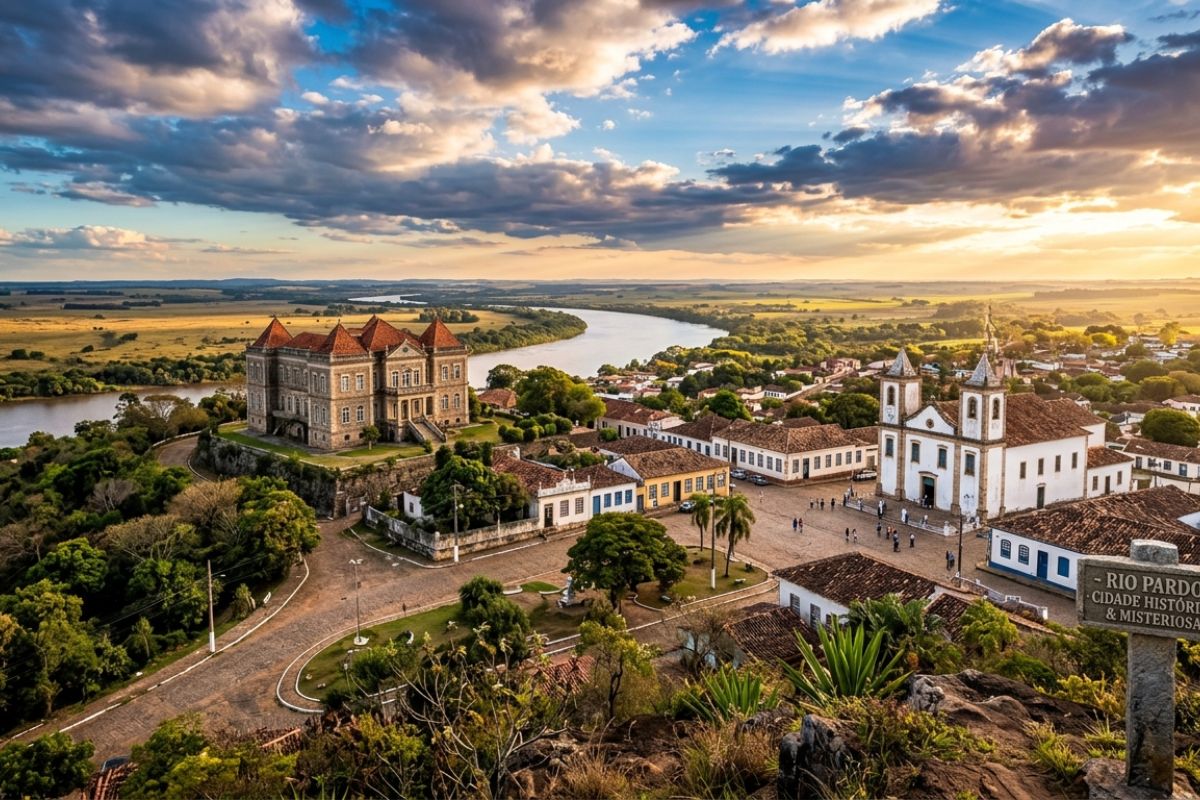
Rio Pardo, the most mysterious city in Rio Grande do Sul: untouched Pampas castle, the missing treasure of the Devil Boy, bride’s saint, invisible tunnels, and a 200-year curse today.

What the Environmental Fee Provides
According to the text sent to the legislature, the TPA would apply to every vehicle entering São Sebastião for tourism purposes.
The municipal administration argues that the measure aims to reduce urban and environmental impacts caused by the seasonal increase of visitors, especially on holidays and during peak season.
The proposed rates vary by category.
The suggested fees are:
- R$ 5.25 for motorcycles
- R$ 20 for cars
- R$ 24.80 for pickup trucks
- R$ 64.40 for vans and microbuses
- R$ 119.25 for buses
- R$ 143.10 for trucks
The charge would be made per day of stay, with exemption for vehicles that stay less than two hours in the municipal territory.
Exemptions and Stay Rules


In addition to the time criterion, the text provides for exemption for vehicles registered in Bertioga, Ilhabela, Caraguatatuba, and São Sebastião.
Vehicles of public agencies, ambulances, police, and transport for people with disabilities would also be exempt from paying the TPA.
The goal, according to the City Hall, is to preserve local traffic and essential services, avoiding additional costs for residents and emergency services.
The proposal does not change the circulation rules on the road network but adds a public environmental fee for the entry of motorized visitors.
The administration maintains that the fee has a preservation and compensation character, linked to expenses with urban cleaning, solid waste and sewage management, and ecosystem protection.
Executive Argument
When presenting the project, the mayor defended the need for a financial instrument to deal with the tourist pressure on infrastructure.
“The Municipality of São Sebastião, due to its tourism vocation and environmental relevance, receives a significant number of visitors annually, especially with the entry of motor vehicles,” stated Reinaldinho.
According to him, the intense flow causes significant impacts on the urban network, the cost of cleaning, and waste management, as well as effects on sensitive coastal areas.
The City Hall estimates to collect about R$ 45 million per year with the TPA.
The projection takes into account the volume of visitors and the seasonality of the destination, indicating that the revenue would be directed toward preservation actions and the maintenance of public services related to tourism.
How Management and Collection Would Work
The project opens the possibility of contracting a private company to manage the collection.
Any outsourcing, according to the text, would allow structuring access control systems, citizen service, and supervision.
However, there is no detailed information about technology, monitoring points, or implementation schedule in the document sent.
Operationally, the daily charge assumes a record of entry and exit to determine the length of stay, with exemption applied when the period is less than two hours.
In case of overnight stays or longer stays, the fees by vehicle category would apply, observing the legal exemptions.
Situation in the City Council and Next Steps
According to the Executive’s message, the proposal was presented to the councilors last Monday (15).
There is still no forecast for voting.
The legislative process includes analysis in thematic committees, the possibility of amendments, and subsequent deliberation in plenary.
If approved, the text goes to the mayor for sanction and regulation, a stage that defines procedures, deadlines, and application rules.
While the process is ongoing, the City Hall maintains that the TPA is a tool to balance tourist use with the municipality’s supporting capacity.
The administration claims that the increase in cleaning and waste management costs during peak periods justifies the creation of the fee.
Comparison with Neighboring Municipalities
The initiative replicates the model adopted recently in Ilhabela, where the City Council approved an environmental fee to regulate vehicle entry.
On the North Coast, the discussion about similar instruments has been associated with the seasonal pressure of tourism and the challenges of infrastructure in coastal cities.
Outside the coastal strip, inland cities in São Paulo are also discussing charges for tourists to fund public services and preserve local attractions.
Aparecida and Campos do Jordão are among the municipalities planning their own models, under debate in their respective legislative houses.
The proposals vary, but they share the common goal of internalizing costs arising from the high flow of visitors.
Expected Impacts on Tourism and Residents
If the project is approved and regulated, the Executive’s expectation is to deter short-term trips during peak demand times and financially compensate for the municipality’s extra expenses.
For residents, the exemptions based on licensing location prevent charges for daily commutes, while public and emergency services remain exempt from payment.
From the visitor’s perspective, the daily charge and the two-hour exemption period are likely to influence travel planning and length of stay.
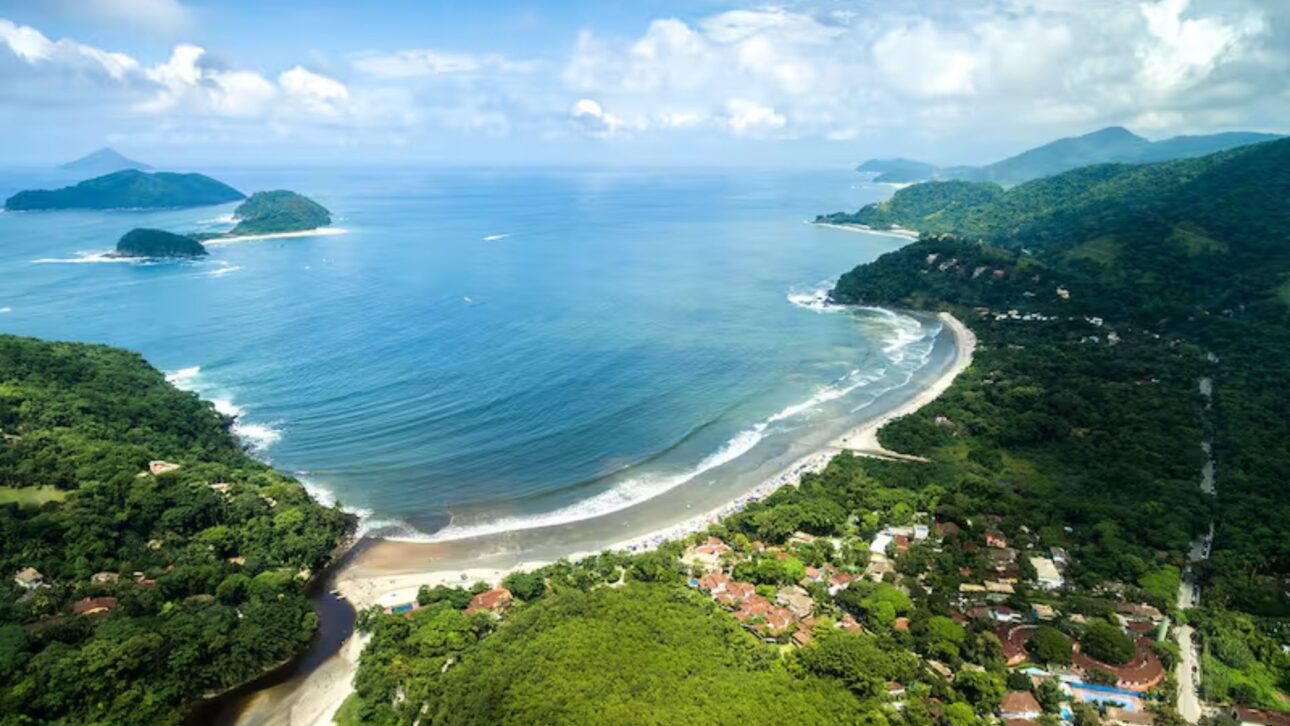
The municipal management argues that the measure could organize the flow, reduce impacts on beaches and roads, and finance environmental actions.
What Is Still Not Defined
Despite the estimate of R$ 45 million annually, operational points depend on the regulation.
These include start date of enforcement, any control points, the method of payment, and supervision.
There is also no calendar for voting in the City Council.
These steps should be detailed if the project advances in committees and is approved in plenary.
The discussion about tourism and preservation fees has spread to Brazilian destinations with high demand.
In São Sebastião, the proposal puts on the agenda the balance between economic activity and environmental protection.
In your opinion, is the TPA an adequate tool to finance preservation without driving away visitors?








PEDESTRE paga?
Só não ir para essas cidades,elas que vão perder com a arrecadação de impostos… infelizmente os trabalhadores que depende do turismo serão prejudicados!
Tudo tem solução é só não ir para essas cidades pois são cidades turisticas vivem do turismo ai quero ver sobreviver do turismo da cidade essa e a democracia da esquerda bem eu não vou, japagamos pedagios ipva que já é um absurdo.