





 Portuguese
  English
  Spanish
 4 min of reading
  5 comments





São Paulo Municipality Draws Attention for Its Record Demographic Density in Brazil, Where Each Square Kilometer Houses More Than 13 Thousand People and There Are Practically No Available Land for New Constructions.
Taboão da Serra, in the metropolitan region of São Paulo, has the highest demographic density in the country.
It has 13,416.81 inhabitants per square kilometer, according to the 2022 Census by IBGE, in a territory of 20.388 km² that is fully urbanized.
In absolute numbers, the municipality recorded 273,542 residents in the most recent survey, which helps explain the nickname “human anthill.”
-
One of the most important lakes in the United States for birds, the balance of nature, and the climate has dried to historic levels, leaving boats stranded, revealing salt flats, and showing how the lack of water can transform an entire landscape.

-
It’s not Cristiano Ronaldo or Messi: the richest football player in the world is only 27 years old, has a fortune of 100 billion reais, and is the nephew of a sultan from an Asian country that few people know about.

-
At 77, the king of one of the most famous and powerful crowns on the planet is said to be under pressure to leave the throne, while behind the scenes there are already talks of a new coronation that could cost R$ 260 million.

-
Chinese researchers have created bamboo drones that fly with the same precision as conventional models and have released the flight control software for free to the entire world in a technology that could revolutionize sustainable aviation.


To the West of the Capital, Fully Urbanized Territory
Located west of the São Paulo capital and integrated into the metropolitan urban sprawl, Taboão da Serra has a 100% urbanization rate, according to data from IBGE.
This means that the entire territory is occupied by buildings, roads, and urban facilities, with no large free areas.
Municipal surveys indicate that there is no available land for new horizontal developments.
Rural Origin and Emancipation in the 1950s
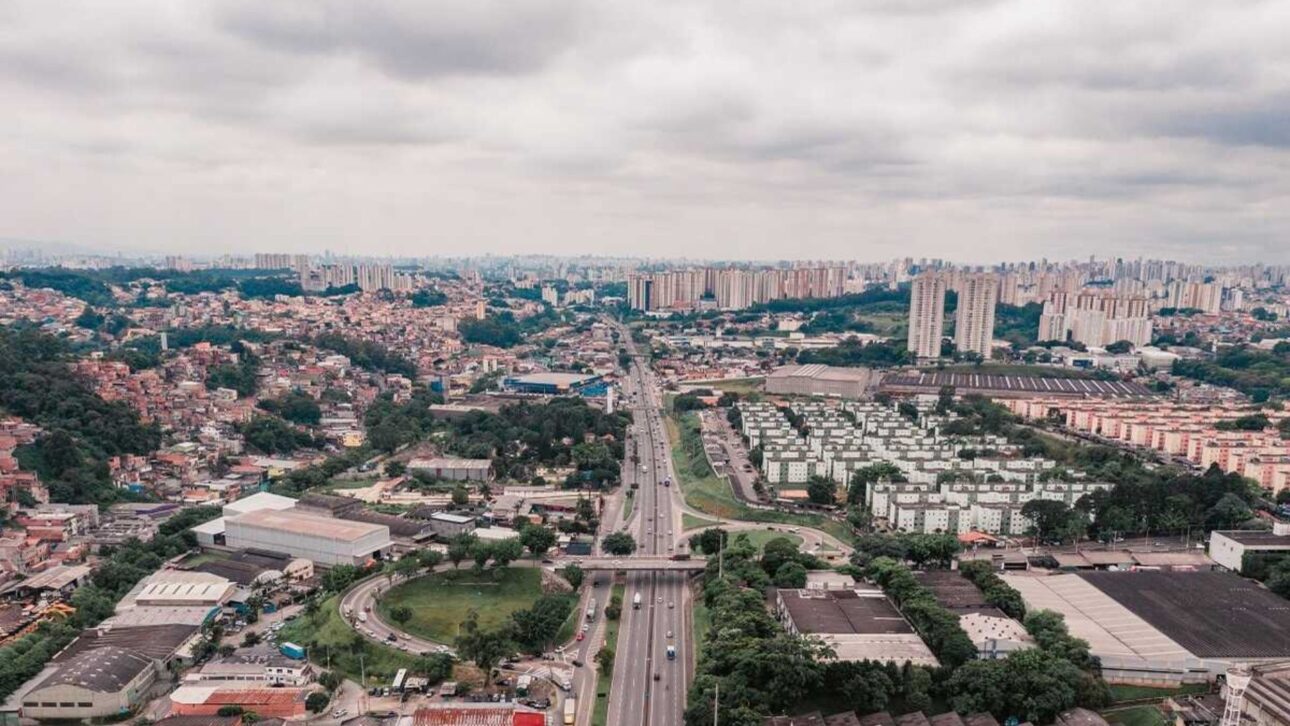
The formation of the municipality began in the early 20th century when Vila Poá emerged as a rural nucleus linked to Itapecerica da Serra.
Emancipation occurred in 1959, establishing Taboão da Serra as an autonomous city.
Historical records show that in the following decades, the advancement of urbanization gradually replaced agricultural production with residential and commercial areas.
Expansion Driven by the Capital
The proximity to São Paulo was crucial for population growth.
The municipality became a destination for residents of the capital seeking homes with lower prices, but still close to work and service centers.
This flow of internal migration contributed to the rapid occupation of lots and housing complexes created from the second half of the 20th century.
Physical Limitations for Expansion
With the entire territory classified as urban area, horizontal expansion has become unfeasible.
The new constructions focus on verticalization and redevelopment of already occupied areas.
Municipal technicians state that the scarcity of land puts pressure on infrastructure and poses challenges for urban planning, especially in areas that still face a deficit in public services.
Density Compared to Football Fields
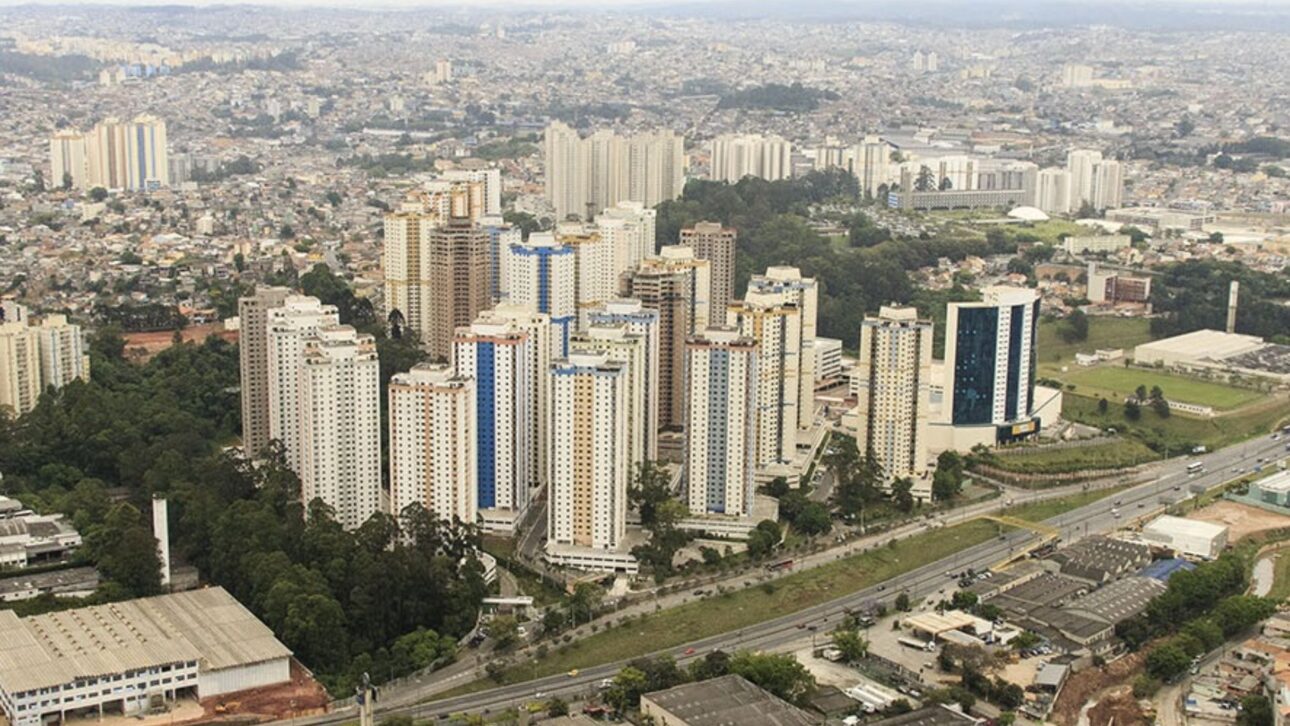
To visualize the density, one can imagine that each square kilometer is equivalent to about 140 football fields.
With more than 13 thousand people per km², it’s as if 96 people are in each field at the same time, a number far exceeding the official match, which accommodates 22 players.
This calculation illustrates the degree of urban densification in the municipality.
Population Continues to Grow
IBGE estimates indicate that Taboão da Serra continues to grow.
In 2024, the estimated population reached 284,274 inhabitants, an increase that reinforces the need to expand infrastructure and public services.
The high density places the municipality among those facing the highest pressure for housing, transportation, sanitation, and leisure areas in Greater São Paulo.
From Agricultural Zone to Conurbated City
Between the early 20th century and emancipation, the territory was composed of small farms and agricultural properties.
With the advancement of the metropolis, Taboão da Serra became a conurbated area with the capital, with a predominantly residential profile.
Historical data shows that this territorial integration transformed local living standards and incorporated the municipality into the economic dynamics of the metropolitan region.
Urban Planning in Focus
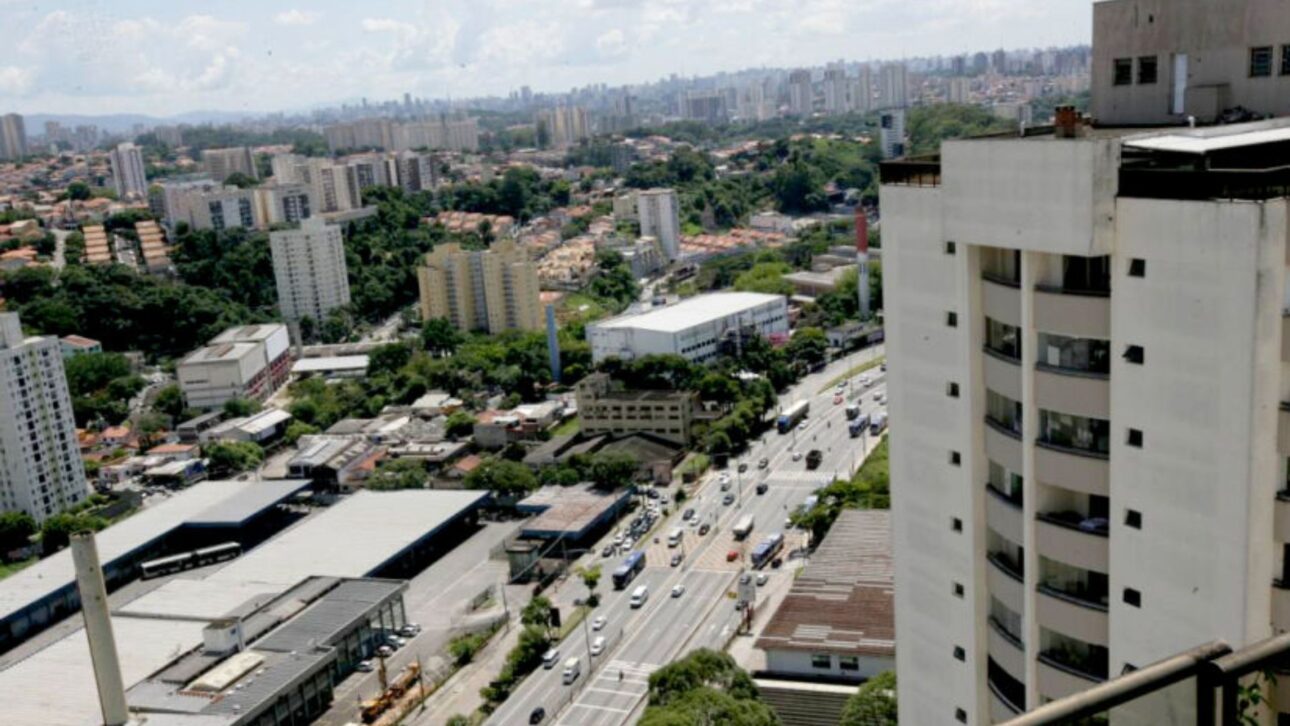
With an absence of free spaces for expansion, the municipal administration has prioritized projects aimed at redeveloping consolidated areas and improving the use of urban land.
According to technicians consulted by the city hall, measures such as encouraging mixed-use buildings and enhancing public transportation are considered essential to sustain the population densification.
Impacts on Infrastructure and Services
Academic studies and technical reports indicate that high densification may lead to overload on sanitation, mobility, and public equipment systems.
In Taboão da Serra, the challenge involves balancing population growth with maintaining the quality of urban services.
Local authorities have evaluated actions aimed at expanding parks, schools, and health posts, according to the demands of the population.






Será que entendi certo?
13000×20000=260 000 000
Taboão e grande mesmo kkkkk
Espero que no meu proximo concurso, esteja o João Assis e todos que curtiram positivamente
13000 x 20 ponto 388
Você entendeu errado mesmo
13.000 X 20,388 = 273.541,92228
Cálculo correto