





 Portuguese
  English
  Spanish
  5 min of reading
  0 comments



Arauco’s Billion-Dollar Project Promises to Transform Inocência with a New Pulp Factory, Large Generation of Renewable Energy and Thousands of Direct and Indirect Jobs, Altering the Economic and Urban Dynamic of the East of Mato Grosso do Sul.
A city of just over 8,000 inhabitants in the east of Mato Grosso do Sul is preparing to receive one of the largest investments in the pulp sector in the country.
Inocência will host the Sucuriú Project, by the Chilean Arauco, an industrial complex budgeted at US$ 4.6 billion (approximately R$ 25 billion) and announced by the company as the largest pulp factory in the world built in a single phase, with a production capacity of 3.5 million tons per year and operations scheduled until the end of 2027.
Arauco’s Mega Project in Inocência
The project is the largest investment ever detailed by Arauco and marks the company’s entry into the pulp manufacturing segment in Brazil.
-
Elderly individuals aged 65 or older who have never contributed to the INSS can receive R$ 1,621 per month in 2026 without having paid any contributions in their lifetime: learn how the benefit works that already supports nearly 7 million Brazilians.

-
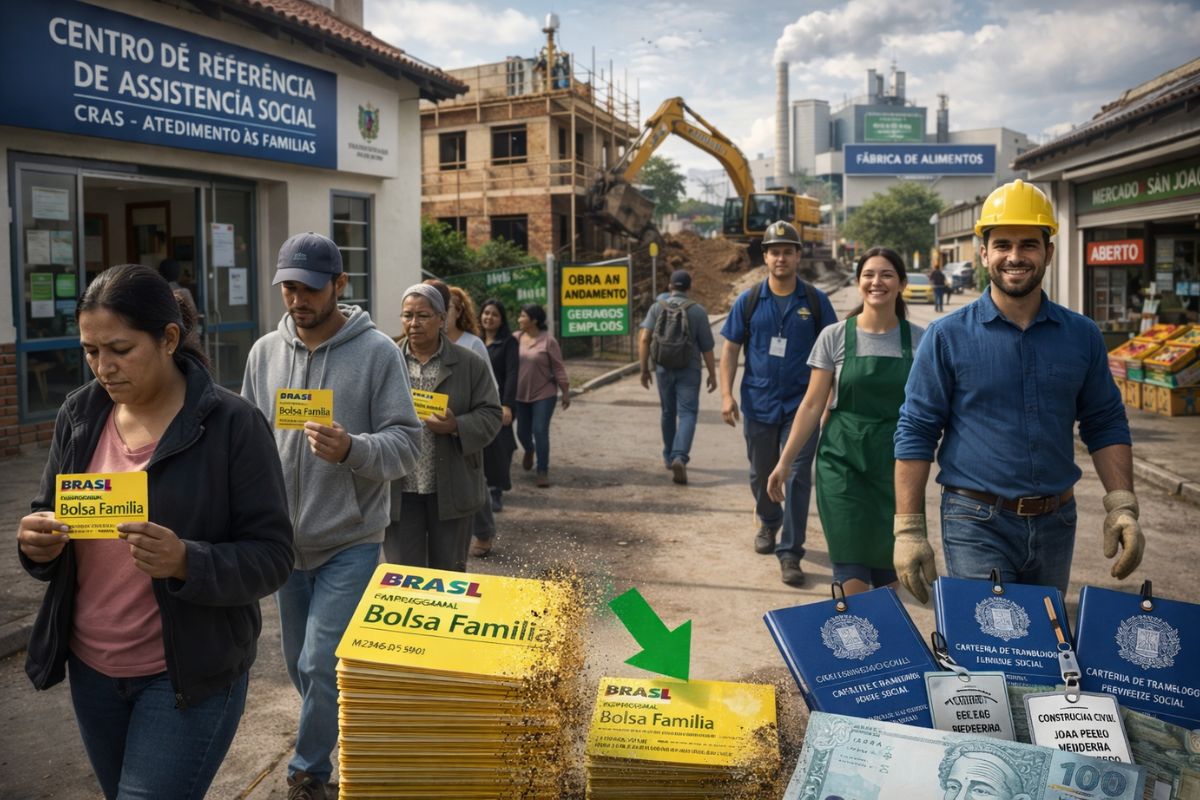
The gaucho city reduced the number of Bolsa Família beneficiaries by almost 40% in just a year and a half with active outreach that connects each registered person directly to job vacancies in Bento Gonçalves in Rio Grande do Sul.
-
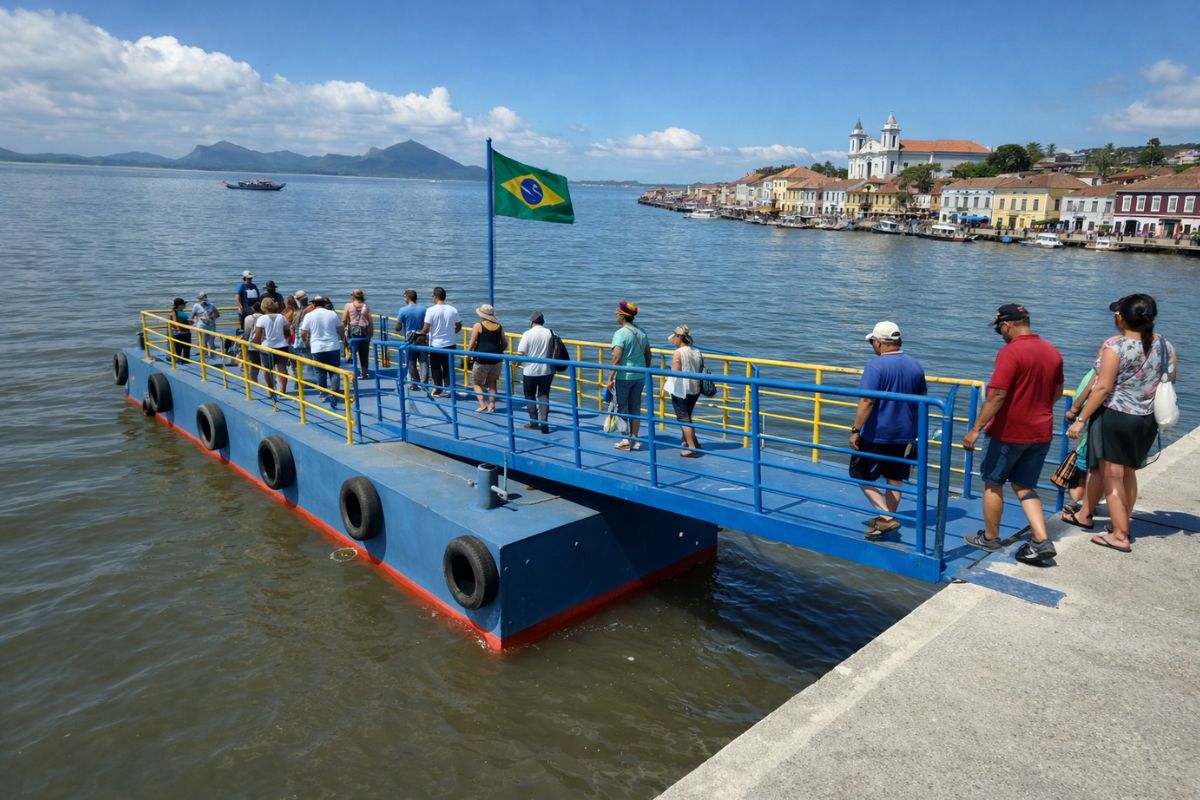
The bluest city in Brazil has just gained a new floating bridge for the free crossing between the island and the mainland, connecting residents and visitors to the historic center of São Francisco do Sul every day of the week.
-
In a silent race, Shopee signs a mega contract in Guarulhos and accelerates the e-commerce war with faster deliveries, pressured shipping, and a new threat to rivals in Brazil.


The plant is designed to integrate, in a single complex, industrial production, forest base, and renewable energy generation.
The groundbreaking was held on April 9, 2025, marking the official start of the implementation phase.

The schedule released by the company indicates the first production line for the last quarter of 2027, while civil works, electromechanical assembly, and utility preparations that will support the process equipment are ongoing.
The project provides for continuous lines of cooking, bleaching, drying, and shipping.
Automation and digital control systems have been included to enhance traceability and operational efficiency, according to technical information provided by the company.
Pulp Production and Renewable Energy Generation
In addition to the production of short fiber eucalyptus, Sucuriú has been structured to act as a renewable energy generator.
Arauco’s data indicates a capacity exceeding 400 megawatts (MW), using biomass and by-products of the industrial process, such as black liquor.
Of that total, about 200 MW will be consumed internally, and the surplus—approximately 220 MW—will be transferred to the National Interconnected System, a quantity sufficient to supply a city of over 800,000 inhabitants.
Experts in the forestry and energy sectors state that this model is characteristic of the large pulp plants installed in the country, which use industrial waste as a source of renewable energy.
Valmet Technology and Industrial Structure
To meet the planned scale, Arauco hired the Finnish Valmet as the supplier of the main industrial processes, automation, and valves.
The company will be responsible for biomass gasification for the lime kiln, the biomass boiler, and the chemical recovery boiler, indicated by the company as the largest in the world in the sector.
These pieces of equipment are part of the operational design that aims to increase energy efficiency and reduce emissions.
The company also stated that the project incorporates water reuse and waste reduction destined for landfills, following sustainability standards applied in Arauco’s global operations.

The global CEO, Cristián Infante, publicly stated that the company works with a renewable resource and seeks to generate economic, social, and environmental value.
The president of the Brazilian operation, Carlos Altimiras, emphasized that the scale of the project requires collaboration with the government and the local population.
Jobs and Economic Effects in the Region
Labor estimates indicate a strong regional impact.
At the peak of construction, the company projects up to 14,000 direct jobs on site, including construction, assembly, and logistics activities.
With stabilized operations, the forecast is for around 6,000 direct and indirect jobs in industrial, forestry, and transportation areas.
This movement is likely to raise the demand for housing, food, commerce, and services.
To prevent overload on urban infrastructure, the company states it maintains professional training programs and housing solutions for construction workers.
Municipal revenue is also expected to be influenced by additional economic activity.
State and municipal managers have been aligning licensing, mobility, and essential service measures to keep pace with the project’s advancement, according to information released by involved public agencies.
Forest Base and the Role of the “Vale da Celulose”
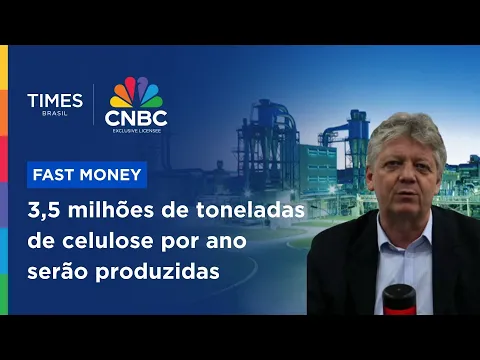

The factory will be supplied by a forest base estimated at around 400,000 hectares of eucalyptus, already contracted and under expansion.
In the region of Inocência, the average cycle until harvest is around seven years, a shorter timeframe than that observed in traditional areas of the company in Chile, where the interval varies from 10 to 12 years.
Sector technicians point out that the shorter cycle contributes to greater competitiveness in wood costs.
The location of the municipality is also part of the so-called “Vale da Celulose”, an industrial corridor that brings together large plants in the sector in the state and concentrates specialized infrastructure and suppliers.
State agencies describe this region as strategic for industrial development associated with the forest base.
Inocência and the Beginning of a New Economic Cycle
The municipality originated from the subdivision of the old Bocaina Farm in 1947 and was elevated to city status by Law No. 1,129, of November 17, 1958.
The 2022 Census registers 8,404 inhabitants and an area of 5,761.19 km².
The municipal seat is located just over 330 km from Campo Grande, a figure that may vary depending on the route taken.
The local economy traditionally relies on cattle ranching and agriculture, but is undergoing a transition phase with the expansion of eucalyptus areas intended for pulp production.
Regional development experts observe that this type of investment usually changes the profile of professional qualifications and opens new service avenues.
With ongoing construction and an expanding economic cycle, what criteria will the municipality adopt to manage population growth, urban demands, and environmental preservation in the coming years?








-

-

-

-

-

24 pessoas reagiram a isso.