





 Portuguese
  English
  Spanish
  3 min of reading
  0 comments


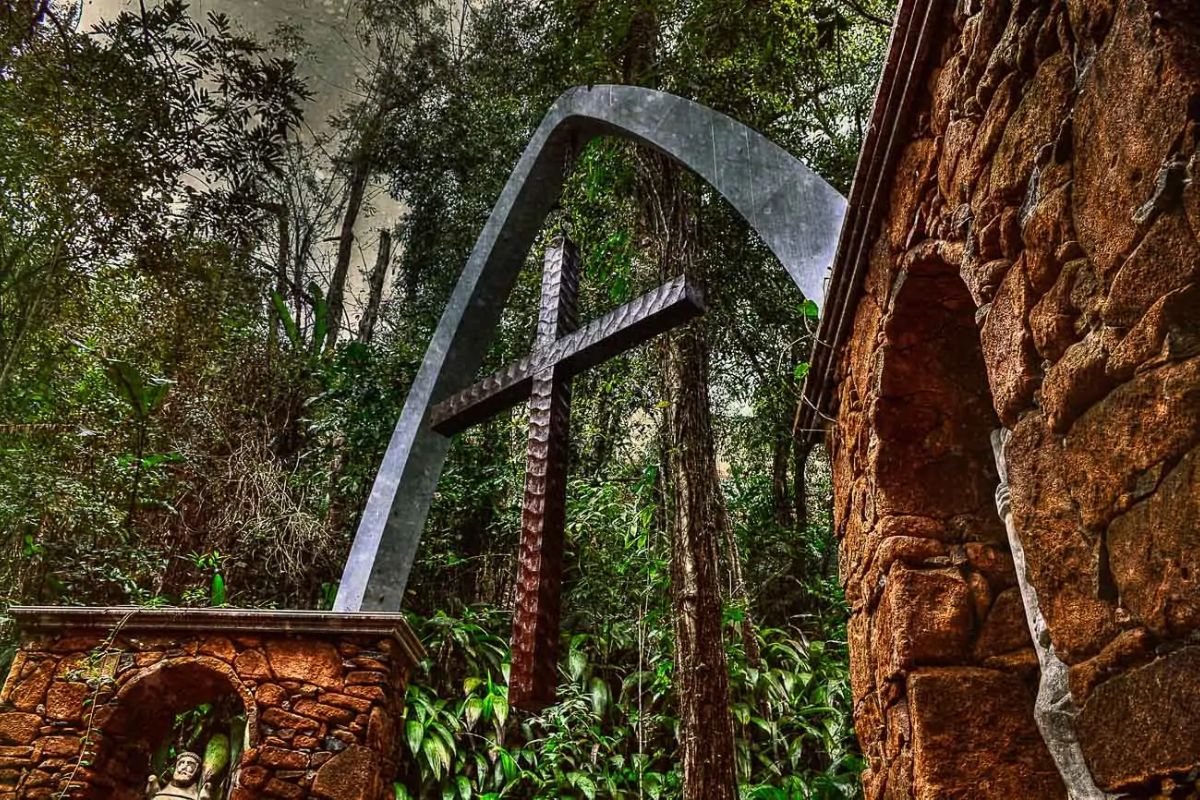
Interior City Surprises and Leads Development Ranking in Brazil. Águas de São Pedro Takes First Place in the Firjan Municipal Development Index, Surpassing Major Capitals
An interior city has just surprised the country by standing out as the most developed in Brazil. According to the Firjan Municipal Development Index (IFDM), Águas de São Pedro, located 187 km from the capital, achieved the lead with 0.8932 points, a result that reflects high rates in health, education, employment, and income. With only 3.61 km² of area, the municipality shows that size is not synonymous with delay, but with efficiency in public management.
This performance places the interior city at the forefront of major urban centers and reinforces the importance of public policies aimed at the well-being of the population. In addition to wellness tourism, Águas de São Pedro has established itself as a model in quality of life, urban planning, and attracting investments.
What Did Águas de São Pedro Do to Reach the Top of the Ranking?
The success of the interior city is the result of a combination of factors. The municipality consistently invested in quality education, providing well-structured schools and training programs. In healthcare, it shows service rates well above the national average, with a higher number of doctors per inhabitant than major capitals.
-
Brazilian city bets on the business environment to generate jobs and attract investments in the energy sector — secretary reveals strategy at Macaé Energy 2026.

-
50 viaducts, 4 tunnels, 28 bridges, and 40 kilometers of bike paths: BR-262 in Espírito Santo will receive 8.6 billion reais for the largest engineering project in the state’s history, inspired by the Immigrant Highway in São Paulo.

-
Brazil produces too much clean energy and doesn’t know what to do with it: over 20% of solar and wind capacity was wasted in 2025 while investors flee and 509 renewable generation projects were abandoned in the last year.

-
Piauí will produce a new fuel that replaces diesel without needing to change anything in the truck’s engine and reduces pollutant gas emissions by half: truck drivers from all over the Northeast are already celebrating the news that will arrive later this decade.


In economic terms, even with a limited territory, the city created a favorable environment for business and tourism, leveraging its thermal waters and establishing itself as a wellness destination. The service sector, combined with tourism, generates employment and stability for residents.
How Does IFDM Measure the Development of a City?
The Firjan Municipal Development Index evaluates over 5,500 Brazilian cities across three pillars: employment and income, education, and health. Only 4.6% of municipalities reach the level of high development, which underscores the achievement of the interior city.
This ranking serves as a thermometer for public managers, pressuring administrations to invest in essential areas. Well-rated cities often share successful experiences, serving as models for other regions of the country.
Which Other Cities Appear in the Ranking?
In addition to Águas de São Pedro, other cities in São Paulo and Paraná stand out. São Caetano do Sul (SP), Curitiba (PR), Maringá (PR), Americana (SP), and Indaiatuba (SP) are among the top 10, all with scores above 0.87 points.
This performance demonstrates how efficient management and investment in basic services can transform local realities, ensuring quality of life and sustainable development.
What Is the Impact for the Future of Brazil?
The advancement of the interior city demonstrates that planning and focus on social policies yield concrete results. If replicated in other regions, these practices can reduce inequalities and strengthen national development.
Small cities that manage to stand out prove that it is possible to grow in a balanced way, even in the face of geographical and economic limitations. This management model can inspire other administrations to invest more in health, education, and infrastructure.
The leadership of the interior city in the Firjan ranking is more than just a title: it is an example of how sustainable and balanced development can transform local realities.
And you, do you believe that other Brazilian cities could reach the same level of development as Águas de São Pedro? What is lacking for this to happen? Leave your opinion in the comments — we want to hear from those who live this reality.








-

-

-

-

5 pessoas reagiram a isso.