





 Portuguese
  English
  Spanish
  3 min of reading
  0 comments


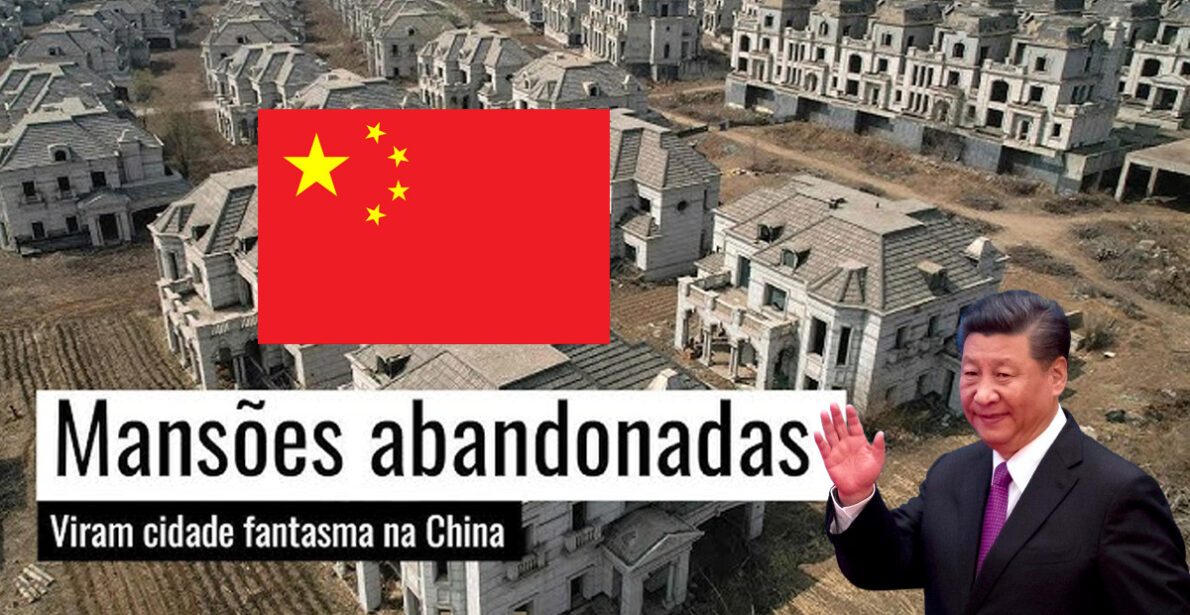
Discover The Mystery Of The Abandoned Millionaire Mansions In China. Transformed Into A Ghost Town, These Properties Now House Cattle And Mystery.
Have you ever wondered what it would be like to find a ghost town filled with luxurious and deserted mansions? In China, this scenario isn’t fiction, but an intriguing reality.
What started as a grand project to house the Chinese elite is now a desolate place where opulence has turned into an architectural mystery.
The Beginning Of The Ambitious Project
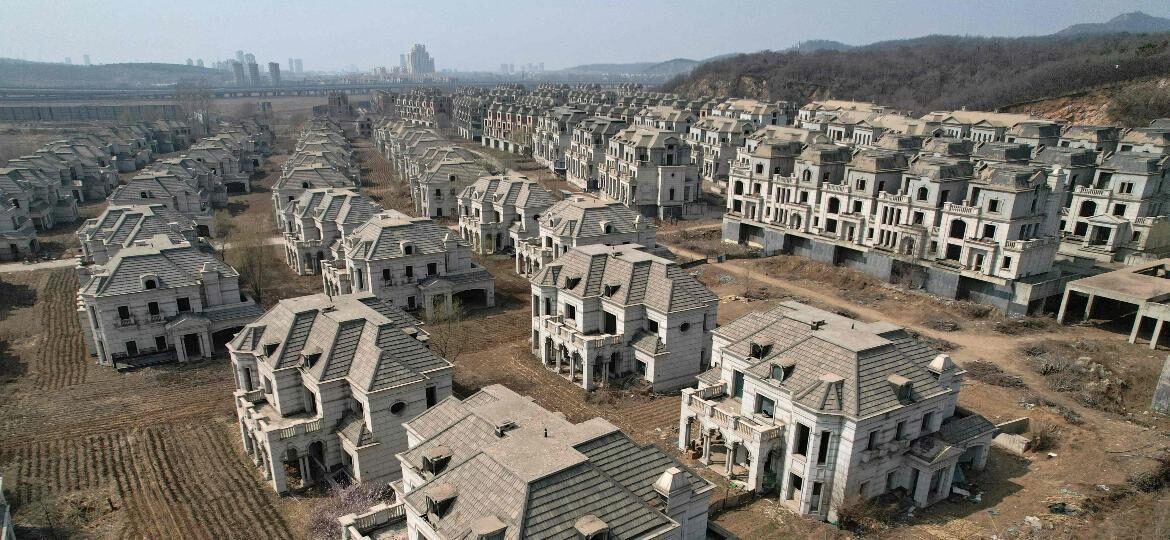
These mansions, known as State Guest Mansions, were designed to be palatial, but today they are abandoned and in ruins.
-
With more than 635,000 doctors, Brazil sees competition increasing in large cities, and recent graduates are competing for shifts at an accelerated pace while the countryside still faces shortages.

-
The world’s first octopus farm wants to open in the Canary Islands and is already provoking an international reaction: the plan aims to produce 3,000 tons per year.

-
Drought may be creating stronger superbugs in the soil and helping antibiotic resistance reach hospitals, warns a study highlighting a problem that could grow alongside extreme weather.

-
The biggest scam in history: Napoleon’s France deceived the United States by selling them a territory that was Spanish.


Located in the hills of Shenyang, about 640 kilometers northeast of Beijing, these properties were envisioned by the Greenland Group, a real estate developer from Shanghai.
Opened in 2010, the mansions quickly became a failure, and the project was halted in less than two years.
Mansions Transformed Into Animal Shelters
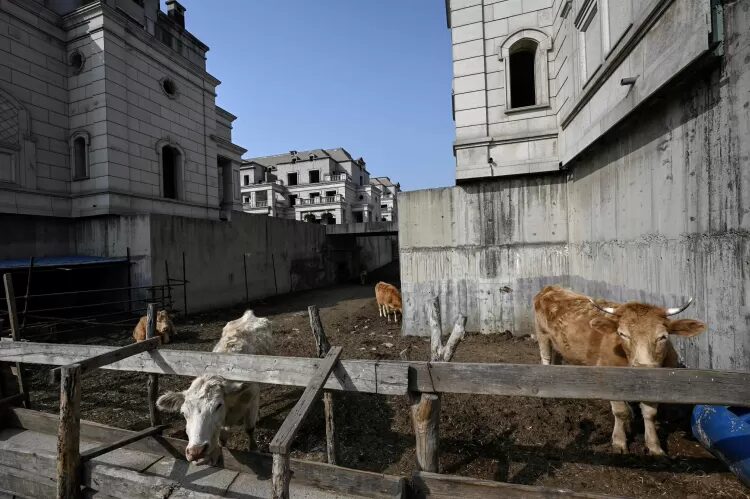
Today, these unfinished mansions present a surreal scene. Garages that were once meant for luxury cars now store hay, and two-fence enclosures keep herds of cows between the properties.
According to a local farmer, Guo, interviewed by AFP, these homes, which were expected to be sold for millions, never attracted wealthy buyers.


The Mystery Behind The Ghost Town
The reason for the failure of the mansions remains shrouded in mystery, but a prevalent theory suggests that government corruption may have played a crucial role.
Guo believes that funding was cut off when the government began cracking down on uncontrolled real estate projects.
This scenario aligns with the broader reality of the Chinese real estate bubble, which has faced problems due to oversupply and lack of real demand.
The Contrast Of The Abandoned Interiors
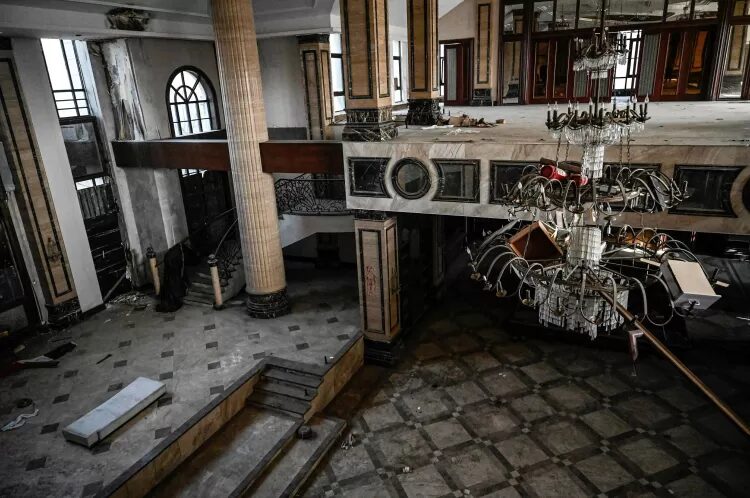
The interior of the abandoned mansions is even more striking than their exterior. The rooms are covered in dust and debris, sharply contrasting with what would have been marble floors, crystal chandeliers, and luxurious ceilings.
In the former sales center of the development, a scale model still showcases what the neighborhood could have been, with its 260 planned villas.
The Phenomenon Of Ghost Towns In China
Ghost towns are not an uncommon occurrence in China, where around 65 million homes are vacant.
For decades, the real estate sector has driven the country’s economy, but an aging population and lack of affordability have contributed to the construction of properties that often remain unoccupied.
Thames Town, a suburb designed to mimic London, and Kangbashi, the “empty city” of Ordos, are notable examples of this phenomenon.
The Future Of The Abandoned Mansions
The future of the State Guest Mansions is uncertain. With changes in the Chinese economy and adjustments in real estate speculation, it remains to be seen whether these properties will be reclaimed or continue to serve as a symbol of a failed economic model.
The story of the State Guest Mansions serves as a cautionary tale about the dangers of rampant real estate speculation and the consequences of uncontrolled development.
Will China be able to tackle the ghost town problem and transform these abandoned places into vibrant new centers?




Seja o primeiro a reagir!