





 Portuguese
  English
  Spanish
  4 min of reading
  0 comments



Reinforced Rules in Balneário Camboriú Organize Beach Use in Summer, Limit Sports on the Sand During Peak Hours, and Increase Enforcement for the Safety of Residents and Tourists.
Pointed out in recent surveys as one of the most desired destinations by Brazilians for the summer, Balneário Camboriú, in the Northern Coast of Santa Catarina, has started to reinforce strict rules for the use of its beaches.
During the high season, from December to March, sports activities on the sand are prohibited between 7 AM and 6 PM along almost the entire beach.
The measure aims to prevent accidents and ensure the circulation of bathers during peak times.
-
The Brazilian army gets to work and sends a convoy to set up a temporary bridge over an important river after a heavy storm.

-
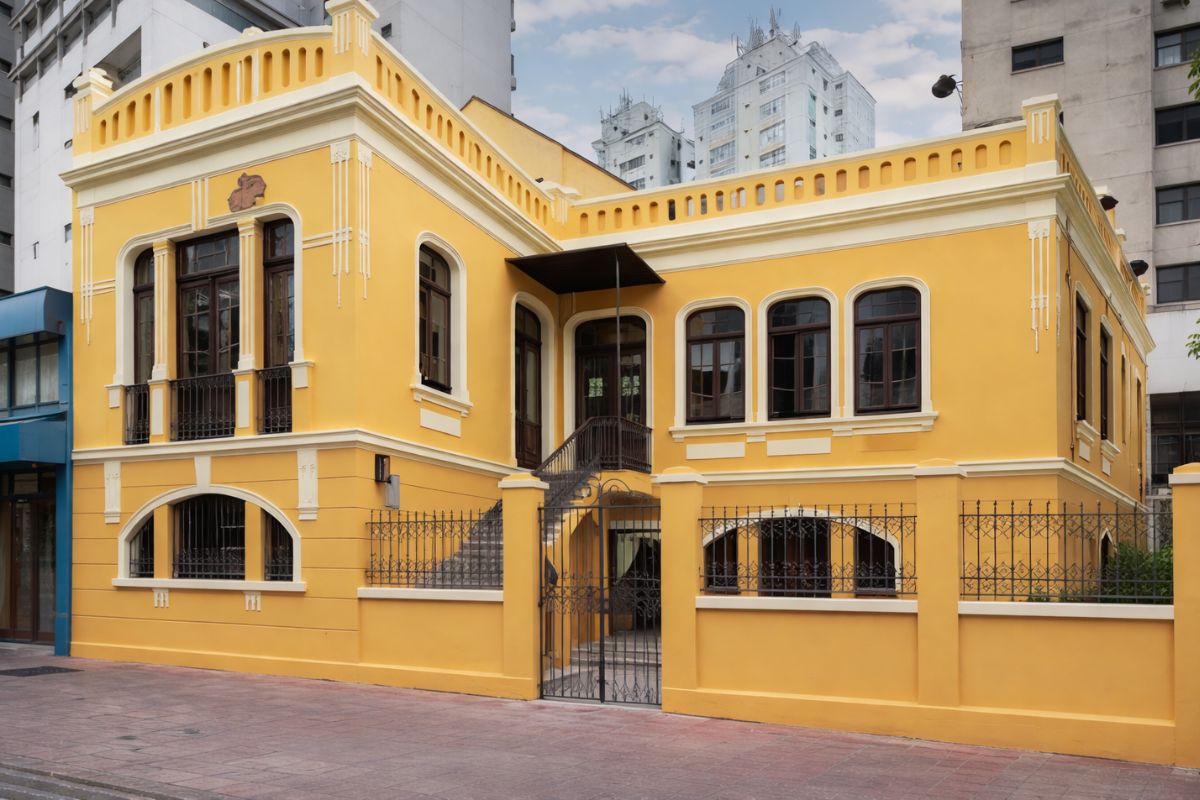
From ruin to digital culture center, the 1920 mansion on Riachuelo Street is now open and has become a showcase of the revitalization of downtown Curitiba, attracting commerce, tourists, and projects.
-
The valley that looks like another planet: fairy chimneys, churches carved into the rock, and underground cities form the labyrinth of Cappadocia in Göreme, where erosion has created a unique landscape since the 4th century AD.

-
Two years after the floods, Rio Grande do Sul still has ghost villages, uprooted houses, and families in containers with sewage; unfulfilled promises without official response and donations become the last chance to start over.

The only exception is the stretch of Central Beach between streets 4500 and 4800, maintained as a sports area throughout the year.
In addition to the restrictions on physical activity, the city hall increased guidelines on cleanliness, the presence of animals, the use of structures, and behavior on the beach.
The rules, provided for in municipal legislation and seasonal rules, organize the use of public space and reduce conflicts between bathers, athletes, and merchants.
Rules for Sports on the Sand
In the high season, any sporting activity that occupies space on the sand must be suspended between 7 AM and 6 PM on almost the entire Central Beach.
The goal is to reserve this period for the circulation of pedestrians, families with children, and people with reduced mobility, when foot traffic is more intense.
Outside of summer, from March to November, the restriction still applies but from 7 AM to 5 PM.
Thus, athletes need to use hours allowed outside of these intervals.

At any time of the year, the stretch between streets 4500 and 4800 operates as a “sports corridor,” open for activities throughout the day.
Animals, Trash, and Beach Occupation
The rules also address the presence of animals on the beaches.
The stretch of sand does not allow dogs, cats, or other pets, except for identified guide dogs, as guaranteed by federal legislation.
The city hall states that the rule protects public health and the safety of visitors.
Littering on the sand or in the sea is an infraction subject to fines as outlined in the municipality’s Code of Conduct.
Trash bins have been distributed along Avenida Atlântica to facilitate proper disposal.
Setting up tents, fences, or any structures to designate exclusive space on the sand is prohibited.
The occupation must be shared, without “improvised lots.”
Loud Music, Bonfires, and Prohibited Circulation
The legislation also prohibits activities that disturb peace or safety.

Bonfires and camping are not allowed due to the risk of burns, fires, and litter accumulation.
Barbecues and similar equipment also do not fit within the allowed use.
The use of powerful speakers is subject to public peace enforcement.
The recommendation is to keep the volume low, sufficient only for the present group.
Cars, motorcycles, and ATVs cannot circulate on the sand, except for authorized services or emergencies.
Motorized boats must maintain a safe distance from the shore to protect bathers.
Feeding pigeons is prohibited to reduce disease risks and control their excessive presence.
Authorization for Beach Events
Events on the sand, such as competitions, promotional actions, and shows, require prior authorization from the city hall.
The municipality assesses the impact on circulation, planned structures, schedules, and cleanup post-activity.
Authorization prevents improvised blockages, excessive litter, and disruptions to the surrounding area.
In case of non-compliance with the rules, organizers may face administrative penalties.
Mobility, Enforcement, and Guidance for Tourists

To reduce traffic on the beach, the municipality encourages the use of free public transportation, the BC Bus.
The lines serve neighborhoods and beach access, reducing typical traffic congestion during the season.
Walking and biking are also encouraged as sustainable alternatives.
The enforcement is carried out by city hall teams, who provide guidance, check on hazardous situations, and impose fines when necessary.
The approach usually starts with guidance and a request for compliance. In cases of recurrence or serious infraction, penalties provided by law are imposed.
Signage informs about bathability conditions, risk areas, and specific prohibitions.
The recommendation is for residents and tourists to observe the guidelines and use official channels to report irregularities.






-

-

-

-

-

-

46 pessoas reagiram a isso.