





 English
  Francês
  Alemão
  Italiano
  Japonês
  Norueguês
  Portuguese
  Spanish
 3 min of reading
  3 comments


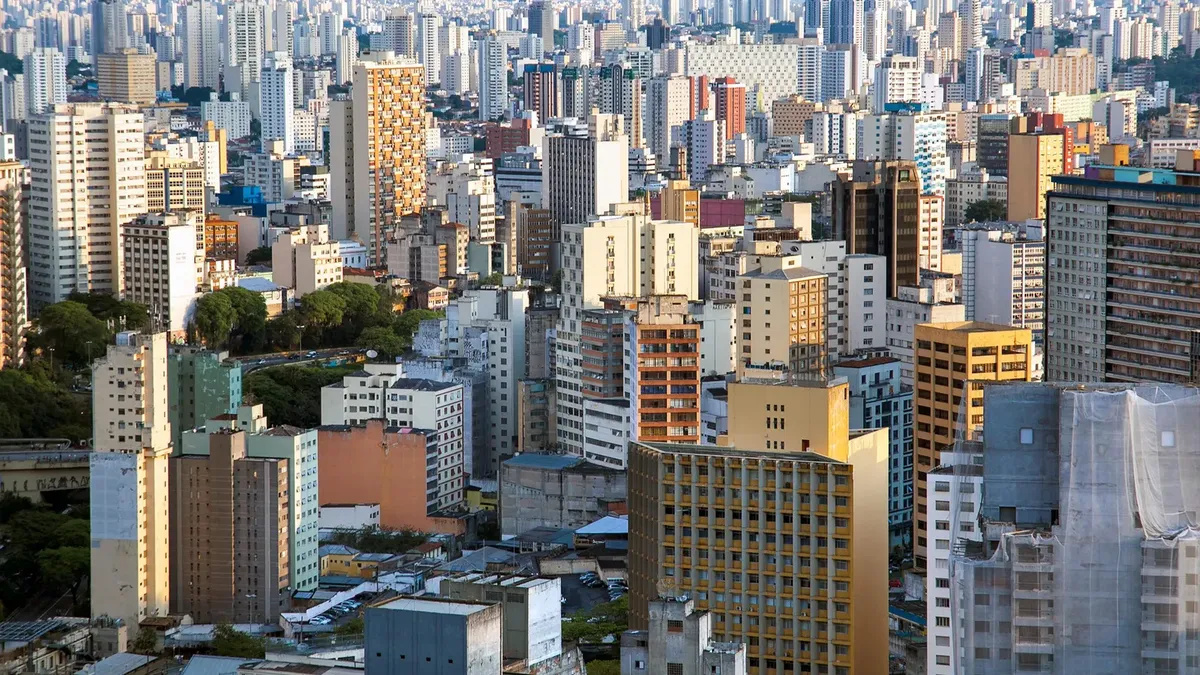


The Largest Metropolis in the Country Reveals Strength in Services, Industry, and Commerce, but Faces Social and Urban Challenges that Shape Its Future
A new update of data from IBGE confirmed the position of São Paulo as the richest city in Brazil, concentrating the highest municipal Gross Domestic Product in the country.
The official survey showed that the São Paulo capital surpassed the mark of R$ 850 billion in GDP, which represents approximately 10% of the entire national economy. This result places São Paulo among the most relevant urban economies not only in Latin America but also in the world.
According to economic analysts, this strength is due to the diversification of productive sectors, ranging from services to cutting-edge industry, consolidating the city as a strategic protagonist in the global scenario.
-
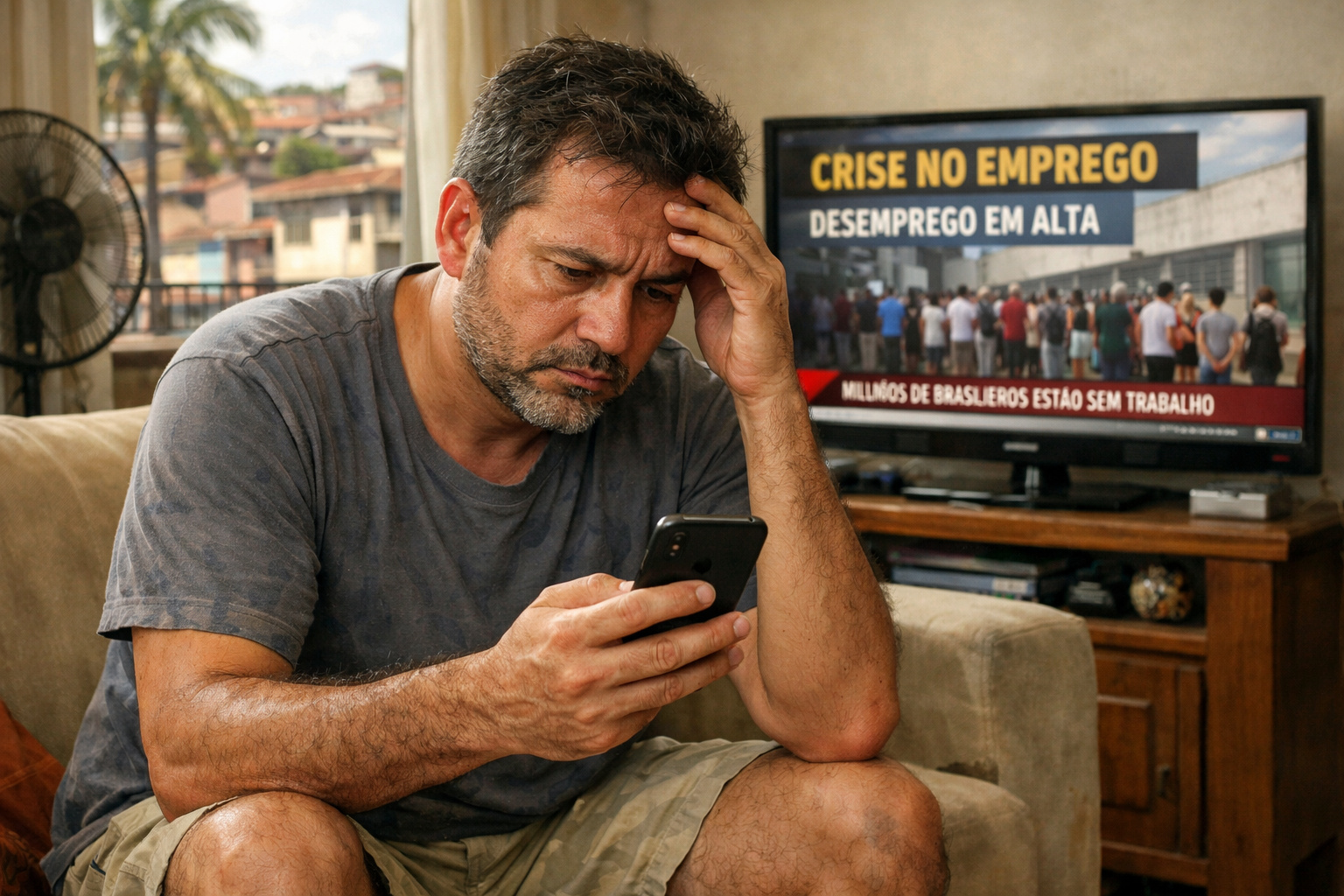
Unemployment rises again to 5.8% at the beginning of 2026, raising alarms about the end of temporary positions and its impact on the Brazilian job market.
-
Document organization can cut invisible costs in small businesses, a simple step that prevents waste, rework, and losses in daily operations.

-
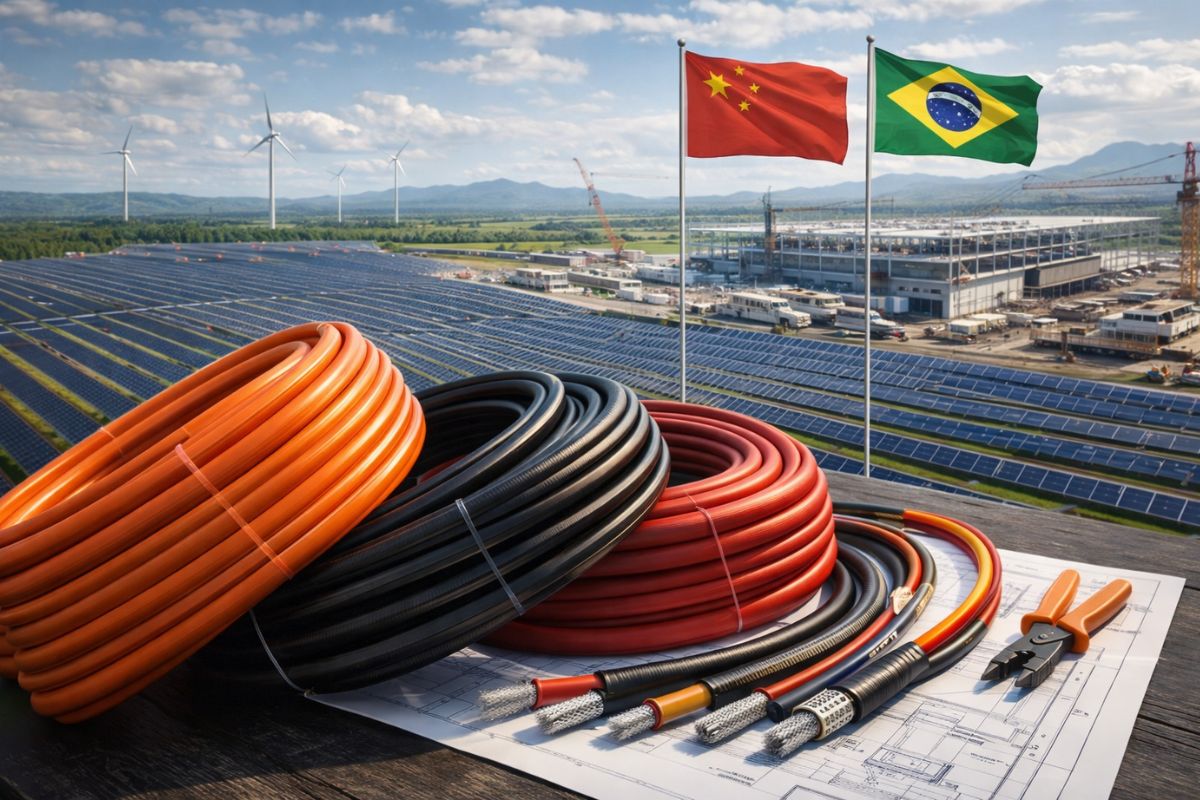
Chinese giant worth nearly R$ 4 billion that manufactures cables for electric cars, solar energy, and robotics wants to open a factory in SC.
-
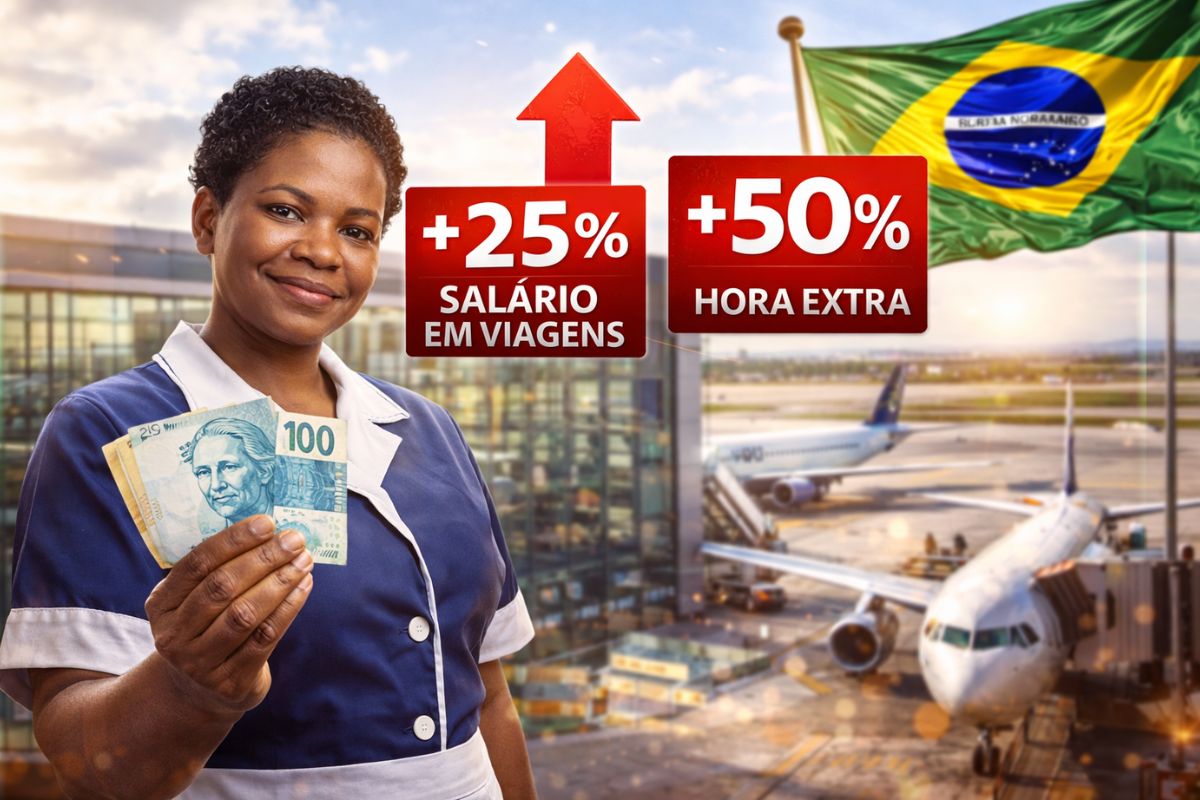
Many employers do not know, but the law guarantees domestic workers a 25% increase in salary during trips, 50% for overtime, 20% for night shifts, and 17 additional benefits that can lead to labor lawsuits if not paid.

Sectors Supporting the Economy of São Paulo
The engine of the economy is in the services sector, driven by finance, commerce, and business tourism. The city hosts B3, the Brazilian Stock Exchange, as well as headquarters of banks, multinationals, and technology startups.
At the same time, industry maintains relevance, especially in the automotive, pharmaceutical, and food sectors. And, although it does not produce directly within the capital, the agribusiness finds its logistical and distribution center in São Paulo, moving business on a national and international scale.
According to the Federation of Industries of the State of São Paulo (Fiesp), this dynamism ensures competitiveness and constant innovation for the metropolis.
Population as a Driver of Consumption and Innovation
The IBGE recorded that São Paulo surpassed 12.3 million inhabitants, consolidating the capital as the largest consumer market in Brazil.
This population mass generates demand for housing, transportation, health, leisure, and education, keeping strategic sectors in constant expansion. Furthermore, thousands of workers and tourists arrive daily in the city, strengthening commerce, services, and the creative economy.
Experts assess that this population dynamic makes São Paulo a permanent hub of opportunities and innovation, even in the face of its social contrasts.
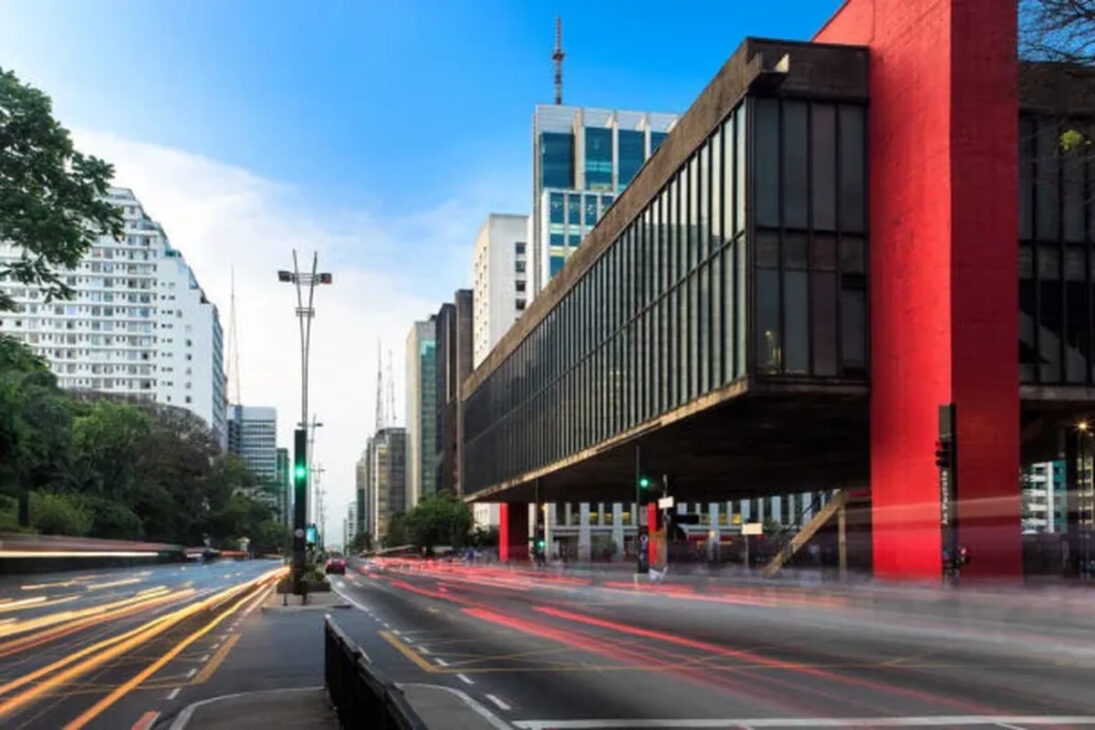
Challenges of the Richest City in Brazil
Despite its economic prominence, three major obstacles mark the São Paulo reality:
- Social Inequality – Peripheral regions still suffer from insufficient infrastructure and poor access to essential services.
- Heavy Traffic – The growth of the fleet results in daily congestion, which reduces productivity and affects quality of life.
- High Cost of Living – Housing, transportation, and food in São Paulo are more expensive than in many other Brazilian cities, putting pressure on family budgets.
Representativity for Brazil and the World
São Paulo is recognized as the gateway for foreign investments. The capital hosts major events, such as Feicon and Agrishow, that attract global investors and turn over billions of reais annually.
Data from the Global Cities GDP Ranking position the city among the ten largest urban economies in the world, sharing space with New York, Tokyo, and London.
This prominence reinforces São Paulo’s importance as the economic decision-making center of the country, directly influencing Brazil’s financial, political, and social directions.
What Does the Future Hold for São Paulo?
Experts highlight that the city’s growth will continue to depend on good governance, investments in infrastructure, and social inclusion policies.
At the same time, it will be necessary to confront the challenges of chaotic traffic, high cost of living, and social inequality, which could compromise the quality of life for its residents.
Nevertheless, the established economic strength, the more than 12 million inhabitants, and its global leadership role confirm São Paulo as the economic and financial heart of Brazil.
And for you: Should São Paulo prioritize accelerating economic growth with more investments or invest in social policies to reduce inequalities?


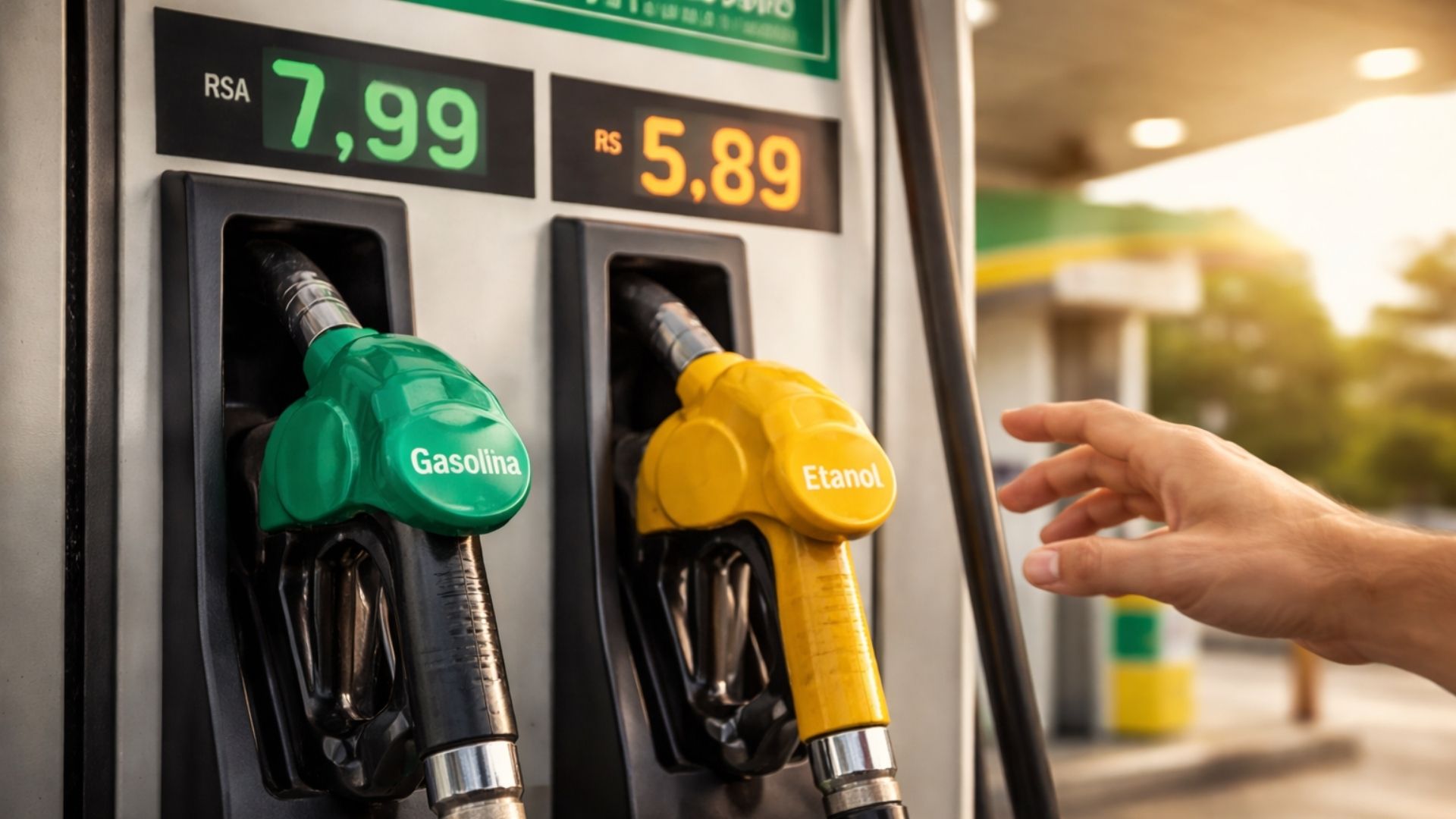



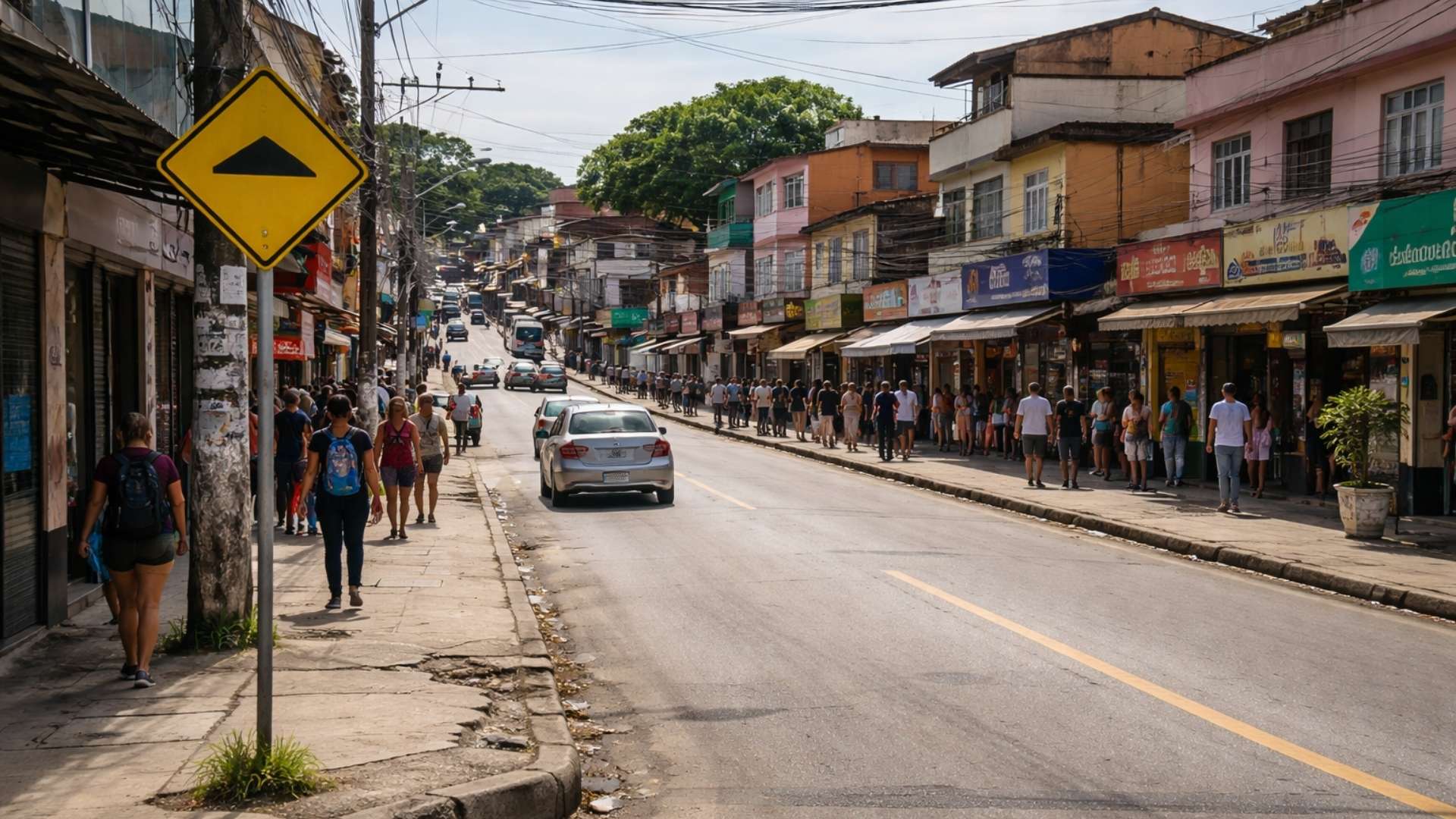
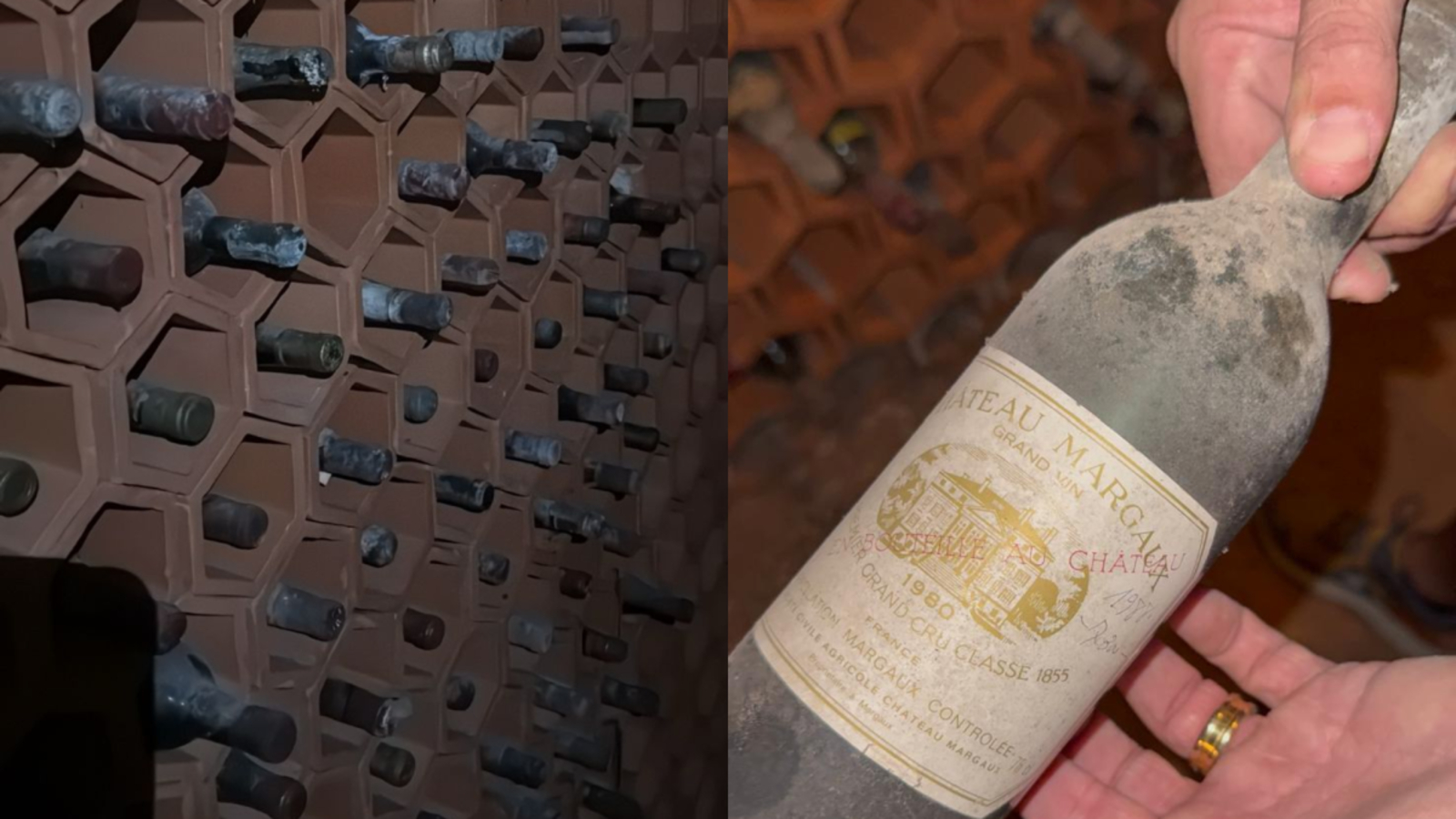


Ruas cheias de buracos, trânsito caótico, falta de policiamento em vários bairros. **** furtando e roubando veículos, casas, aptos, alianças de casamento e celulares de pedestres. IPTU,IPVA,ISS e inúmeras taxas abusivas.
Em resumo é vergonhoso um município como São Paulo arrecadar tanto e não entregar quase nada para a população.
Hahaha… Passei ðtrinta e oito anos e seis meses morando longe de São Paulo, visitando-a pontualmente a passeio e para visitar parentes e amigos, morei em estados diferentes e conheci outros estados e capitais e cidades de outros Estados e voltei a São Paulo agora. Garanto que com todos seus “problemas”, São Paulo ainda é melhor que a maioria delas; ruas mais limpas, transportes públicos melhor, obras públicas concluídas com mais rapidez. O metrô, por seu tamanho e complexidade, ainda assim progrediu mais rápido que no Rio, Recife e Fortaleza, em suas devidas proporções, Recife é um lástima completa.
Na região que moro, entre Vila Sonia, Morumbi, Taboão, estou satisfeito, embora realmente os preços realmente sejam muito caro, com um pouco de pesquisa e procura, pode se melhorar na economia. Ao lado de minha casa o quilo do pão é R$22,00, mas andando um pouco tem uma padaria com o pão a R$9,90 então vale a pena andar um pouco mais, nem no Nordeste pagava o pão a este preço.
O maior problema de São Paulo é o excesso de gente. Mas isso é o preço de ser uma cidade que oferece o que precisamos, se assim não fosse, não atrairia tanta gente. Quem fala mal de São Paulo, ou está cuspindo no prato que come ou tem inveja da sua grandiosidade, pujança e liderança. Sei que há que não consegue se adaptar a ela, mas tudo bem, também não é obrigado a ficar. Existem mais de cinco mil outras cidades no Brasil para escolher para morar e que esteja mais de acordo com o gosto da pessoa.
Se não conseguir encontrar, então o problema não são as cidades e sim da pessoas.
O crescimento imobiliário descontrolado deve ser contido imediatamente. A cidade não tem e não terá no futuro condições de escoar o trânsito gerado pela concentração gigante de novos edifícios em bairros como Itaim, Pinheiros, Moema e até em outros bairros valorizados na zona sul. Não há uma política de zoneamento urbano adequada ao tamanho da cidade. Apenas desejo de permitir para gerar impostos.