





 Portuguese
  English
  Spanish
  3 min of reading
  0 comments


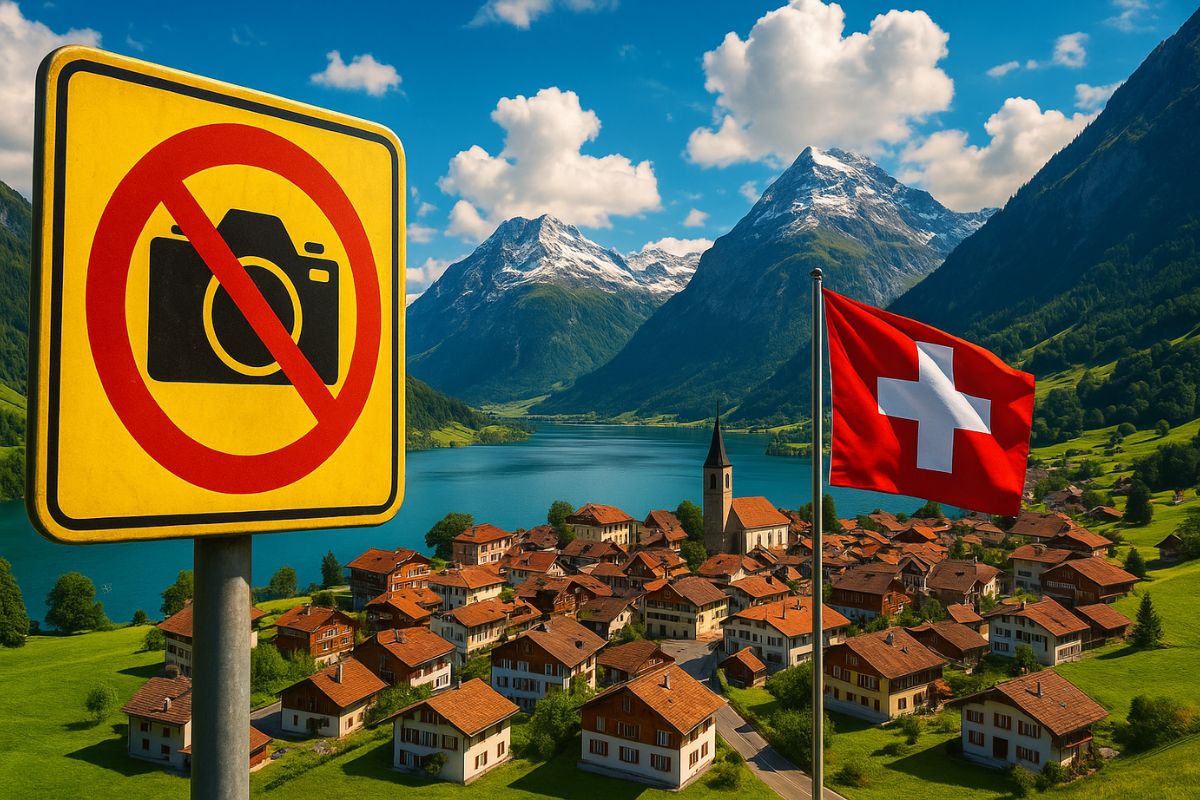
The Small Town In Switzerland, Called Bergün/Bravuogn, Announced In 2017 The Ban On Photos Of Its Landscape Claiming That The Local Beauty Could Cause Depression In People Seeing The Images On Social Media, But The Measure Was A Marketing Campaign To Promote Tourism
In 2017, a curious news story took over social media: a town in Switzerland had supposedly prohibited tourists from taking photos of its landscapes for being “too beautiful.” The stated reason was unusual — according to local authorities, the images shared online could cause sadness and even depression in people who saw them and could not visit the place. The story quickly went viral, sparking debates about tourism, social media, and emotional health.
The truth, however, was different. The announcement of the ban came from the small village of Bergün/Bravuogn, in the Graubünden canton, and was part of a marketing campaign designed to attract international attention. The measure, although fictitious, served its purpose: it put a little-known town on the global tourist map and generated thousands of mentions on social media.
The Swiss Town That Became Famous For “Prohibiting” Photos Of Itself
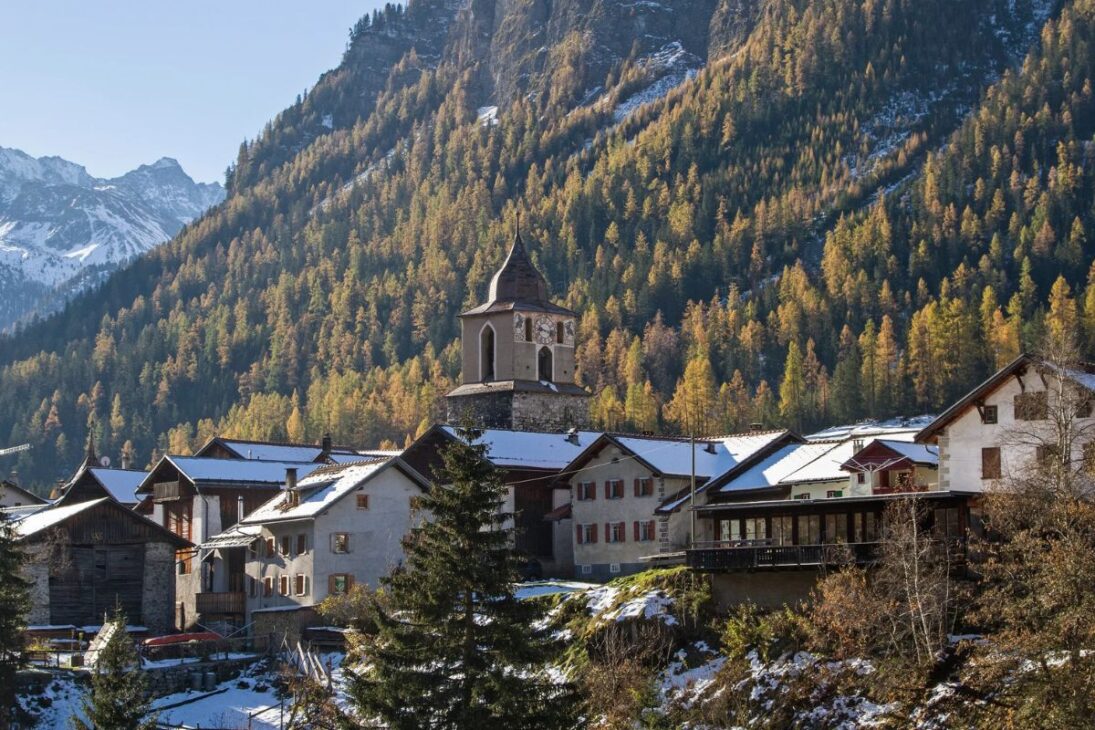
The alleged prohibition was communicated in a serious tone, with official statements and signs throughout the town asking visitors not to take photos.
-
Italian researchers have detected what appears to be a second Sphinx buried under the sands of Egypt, and satellite scans reveal a gigantic underground megastructure hidden beneath the Giza Plateau for over 3,000 years.

-
There are 4,223 drums and 1,343 metal boxes concreted with 50-centimeter walls that store the radioactive waste from Cesium-137 in the worst radiological accident in Brazil, just 23 kilometers from Goiânia, with environmental monitoring every three months.

-
Giant Roman treasure found at the bottom of Lake Neuchâtel in Switzerland reveals an advanced trade system, circulation of goods, and armed escort in the Roman Empire about two thousand years ago.

-
He buried 1,200 old tires in the walls to build his own self-sufficient house in the mountains with glass bottles, rainwater, and an integrated greenhouse.
The argument was that the natural beauty of Bergün/Bravuogn was so impressive that the images could cause dissatisfaction in those who saw them online.
The action received enormous coverage in the international press, with newspapers and websites in various countries publishing the news without realizing it was an advertising strategy.
The “ban” lasted a few days, just long enough for the village to go viral.
Shortly after, the administration itself revealed that it was all a creative and humorous marketing action to promote tourism in the region.
When Fiction Mixes With Marketing Strategy
According to local authorities, the goal of the action was to draw attention to tourism in Bergün/Bravuogn, a mountain village that relied on skiing and alpine landscapes.
The mayor at the time even jokingly claimed that the town was “so beautiful that it should be appreciated only in person.”
After the success of the campaign, the authorities revoked the supposed law and encouraged visitors to take photos and share them with the hashtag #Bergün.
The result was a real increase in the visibility of the destination, which began to receive more tourists and curious visitors attracted by the sudden fame of being “the town that banned photos.”
The Reflection On Virality And The Power Of Social Media
The case of Bergün/Bravuogn shows how an unusual and emotional narrative can spread quickly in the digital age, especially when it involves themes related to happiness, social media, and aesthetics.
The idea of a town that “protects people’s well-being” by preventing photos touched a sensitive point, the pressure for perfect lives on social media and the constant comparison with the happiness of others.
Even though it was a joke, the campaign raised discussions about the role of fake news and misinformation as a marketing tool, as well as showing how the public’s credulity is still creatively and, in this case, harmlessly exploited.
The Border Between Humor, Misinformation, And Creativity
Communication and tourism experts point out that, although the case was humorous, it illustrates the fine line between advertising and information manipulation.
In times of digital misinformation, the Swiss “prank” served as a reminder that not every viral news story is true, and that fact-checking is still essential to avoid distortions.
Nonetheless, the episode is seen as a case of smart and effective marketing that transformed an unknown town into a global topic, using humor, emotion, and curiosity, three central ingredients of contemporary virality.










-

-

3 pessoas reagiram a isso.