





 Portuguese
  English
  Spanish
  4 min of reading
  0 comments



City in the Interior of SP Surpasses Canada in Safety and Quality of Life, Setting a New Standard for Brazilian Cities.
As many people leave large capitals in search of better living conditions, a city in the São Paulo countryside has been surprising experts by presenting a standard of living that surpasses even countries internationally recognized for their social quality, such as Canada.
According to recent data, the municipality of Atibaia, located a little over an hour from the capital São Paulo, has registered indices of safety, well-being, and access to services that place the city in national and international prominence.
The trend of Brazilians migrating from metropolises to interior cities is not new, but it has been gaining strength in light of the growing challenges of capitals — such as violence, chaotic traffic, and difficulties in accessing quality public services.
-
Drought may be creating stronger superbugs in the soil and helping antibiotic resistance reach hospitals, warns a study highlighting a problem that could grow alongside extreme weather.

-
The biggest scam in history: Napoleon’s France deceived the United States by selling them a territory that was Spanish.

-
Why is the Danakil Desert so dangerous? It has unstable terrain and how extreme temperatures and toxic gases turn the region into one of the most hostile environments on Earth.

-
With a height of 221 meters and a capacity for trillions of liters, Hoover Dam still holds a trick that makes water defy logic.


This movement has driven interior municipalities to invest in public management focused on the quality of life of residents, which, according to experts, can transform the urban landscape of the country.
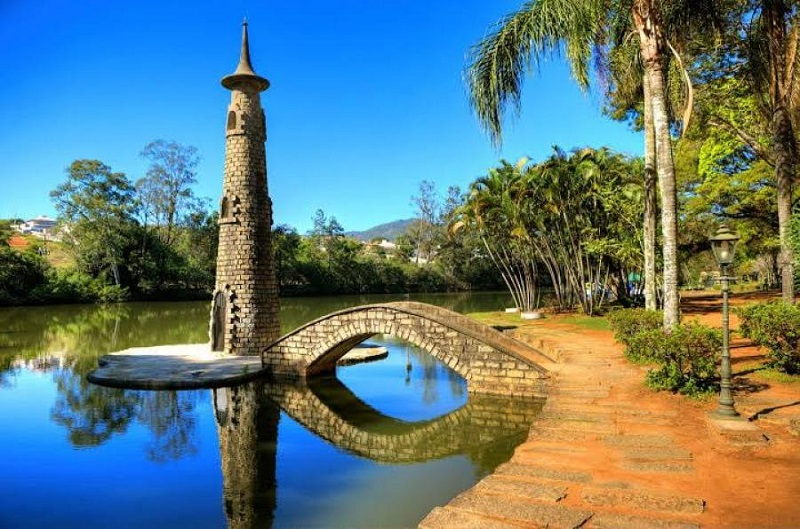
A Case that Draws Attention: Atibaia
Atibaia has a population of just over 150,000 residents and already stands out as an example of a city that combines economic growth with effective public safety and environmental quality.
According to the Institute of Applied Economic Research (Ipea), the city’s homicide rate was only 3.2 per 100,000 inhabitants in 2022 — a figure that is not only significantly lower than the national average but also below the rates of traditional Canadian cities.
For comparison, locations such as Kingston in Ontario and Winnipeg in Manitoba reported higher homicide rates during the same period, according to public data from the Canadian government.
This reality places Atibaia in a rare position for Brazil: to offer a standard of living similar to, or even superior to, that of developed countries recognized for their security and quality of public services.

What Makes Atibaia Stand Out
The city systematically invests in public policies that prioritize violence prevention.
Among the actions is the implementation of electronic monitoring in strategic areas, as well as the integration between municipal guards and state police to increase the efficiency of operations.
In addition to safety, the city’s strategic location — close to major economic hubs like São Paulo, Campinas, and São José dos Campos — favors local development.
This proximity ensures easy access to job, health, and education opportunities, but without the typical problems of large metropolises, such as daily congestion and high pollution rates.
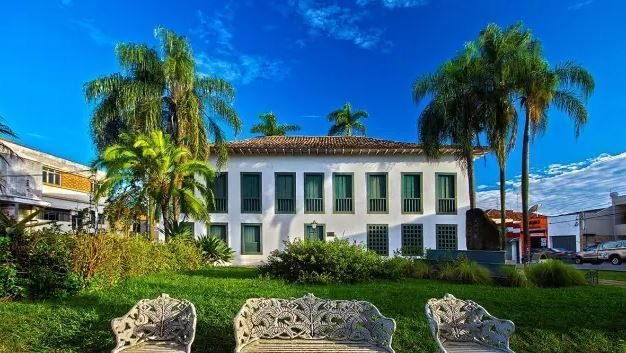
Another factor contributing to quality of life in Atibaia is environmental care.
The presence of well-maintained green areas and the appreciation of public spaces contribute to a healthier and more balanced environment for residents.
The combination of planned urban zones with preserved rural regions creates a scenario where progress walks hand in hand with sustainability.
The National and Global Context
This case illustrates a transformation that is occurring in different regions of Brazil.
According to urban planning experts, the increasing appreciation of quality of life and the pursuit of safety have led interior municipalities to adopt strategies that combine economic development, social protection, and environmental care.
In Brazil, this change also reflects a growing desire among the population to escape the structural problems affecting large capitals.
On the global stage, cities that offer good infrastructure, safety, and access to efficient public services attract investments and new residents, consolidating their sustainable growth.
Quality of life, therefore, ceases to be an exclusive privilege of large metropolises or developed countries.
Atibaia is proof of this, showing that the interior of Brazil can compete on equal footing with countries like Canada when it comes to safety, infrastructure, and well-being.
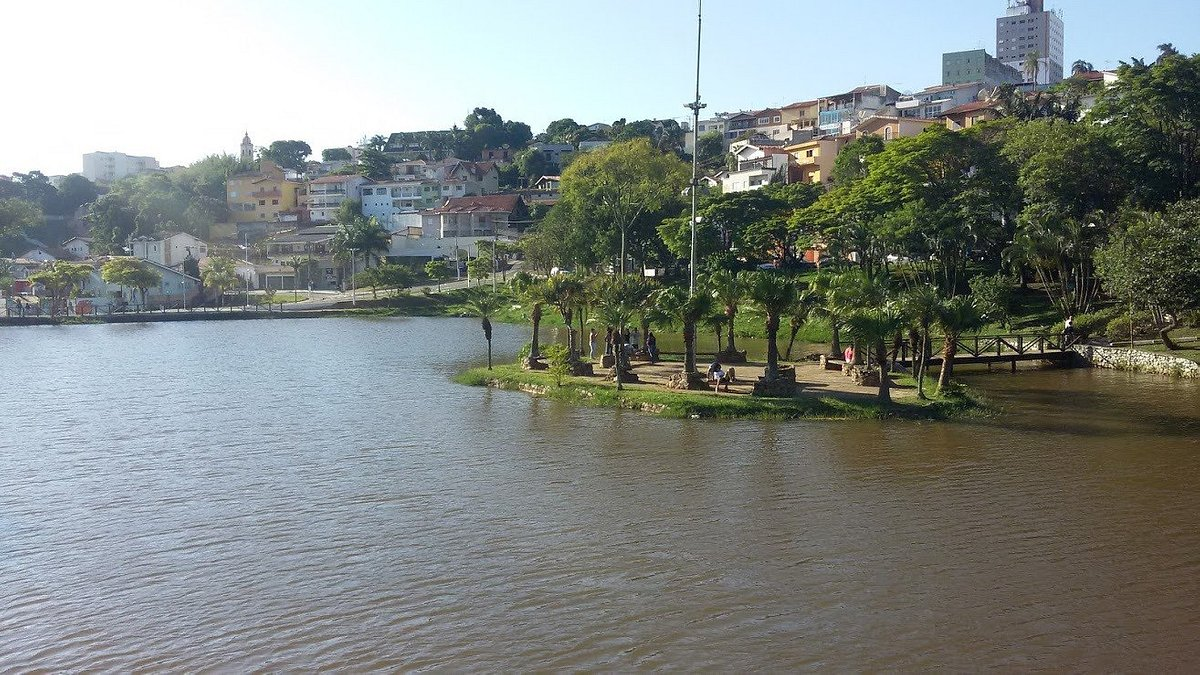
What Does This Mean for the Future of Brazilian Cities?
The example of Atibaia raises important questions about the direction of urbanization in Brazil.
Can the interiorization of development become an alternative to relieve the metropolises and improve the quality of life for Brazilians?
Moreover, to what extent can other cities in the interior replicate this model?
For experts, Atibaia’s success lies in the integration of effective public policies, urban planning, and community engagement.
However, attention is needed to maintain this balance as the population grows and demands increase.
The challenge for public managers is to extend the reach of these positive results without losing the essence that makes the city a model.


Atibaia confirms that it is possible in Brazil to achieve levels of quality of life superior to those of countries traditionally recognized for this criterion, such as Canada.
The city proves that urban development, efficient public safety, environmental care, and access to quality services can go hand in hand, even outside the large capitals.
This scenario points to a future where the interior of the country can be synonymous with quality of life, attracting new residents and investments.
And what about you, do you believe this model can be replicated in other Brazilian cities? How do you see the future of urban life outside the large metropolises?








Seja o primeiro a reagir!