





 English
  Francês
  Alemão
  Italiano
  Japonês
  Norueguês
  Portuguese
  Spanish
  3 min of reading
  0 comments


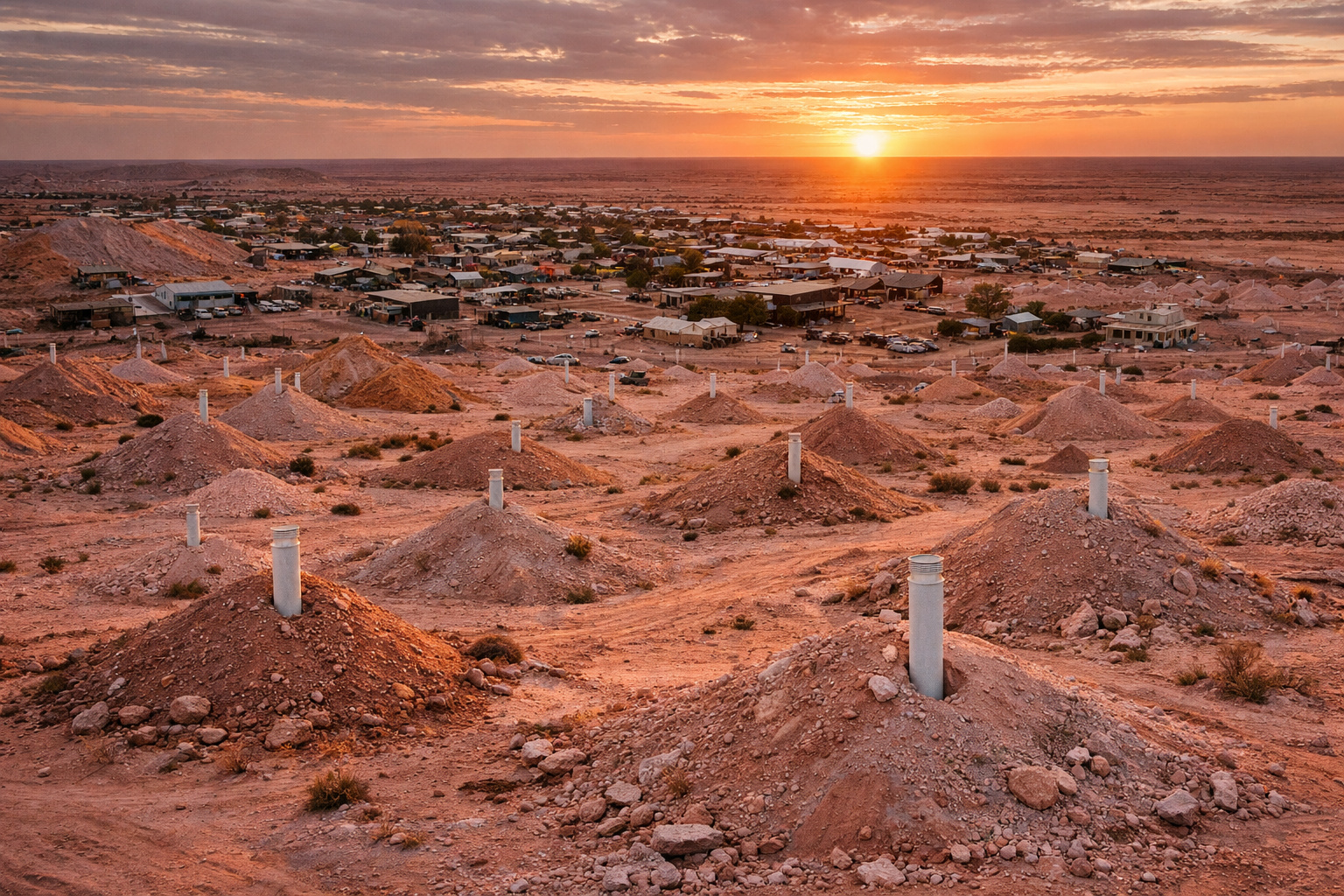
In The Heart Of The Australian Desert, A Community Of 2,500 Inhabitants Transformed Rocks Into Permanent Shelter Against Extreme Temperatures And Can Anticipate Solutions In Light Of The Advancement Of Climate Change
On the long road to the center of Australia, 848 km north of the coastal plains of Adelaide, sand pyramids emerge that look like forgotten monuments. At First Glance, The Scenery Impressed By Its Aridity: an endless expanse of pink-salmon dust and resilient shrubs.
However, as you get closer, you realize those mounds are not natural. They indicate something much larger: a city that chose to live underground.
We are talking about Coober Pedy, an opal mining town with around 2,500 inhabitants. There, approximately 60% of the population lives in underground houses excavated in iron-rich sandstone and siltstone. And this is not eccentricity. This is survival.
-
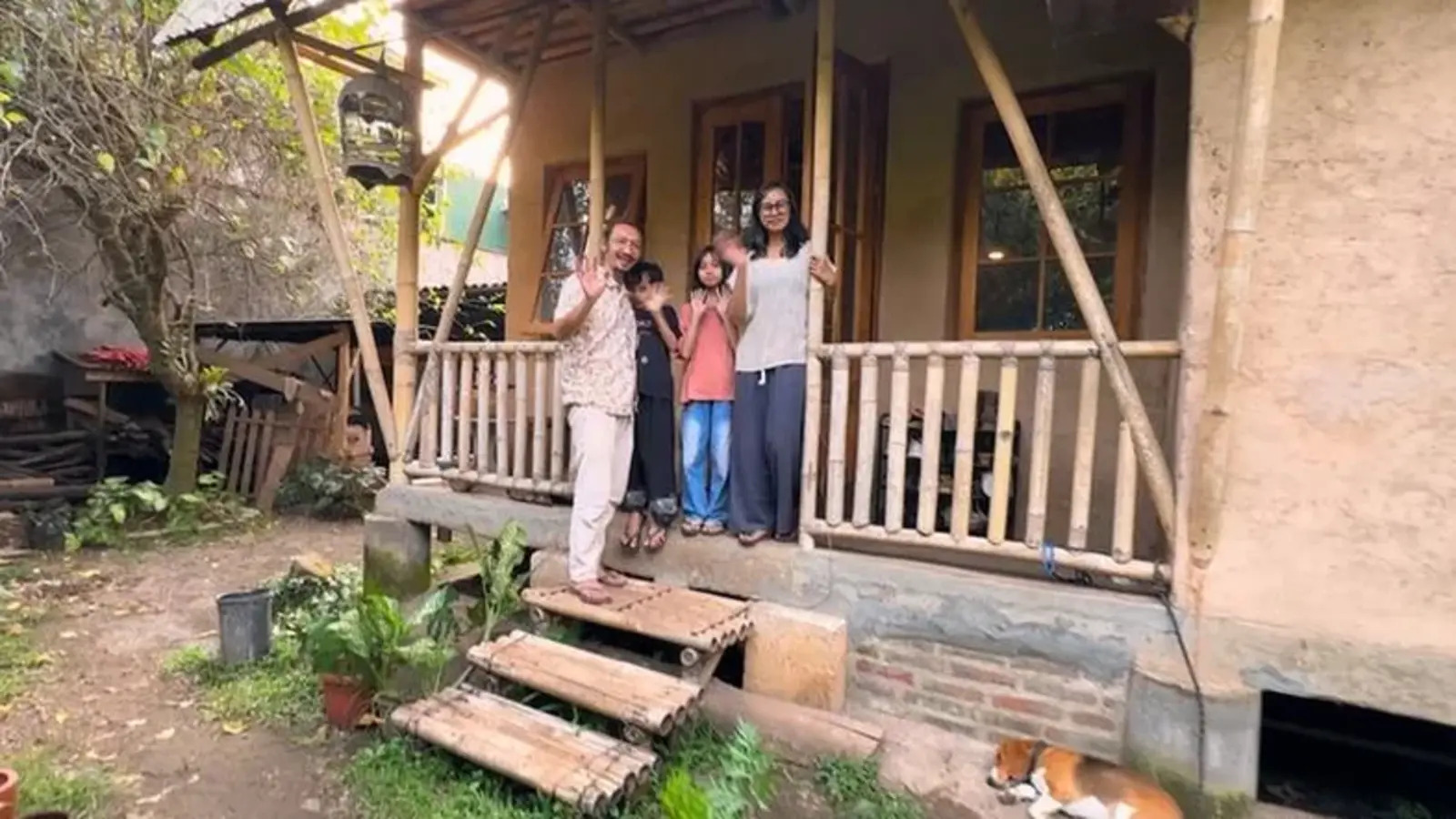
With earth, bamboo, straw, and lime mortar, a specialist builds a house for just over $460 and draws attention for its cost being much lower than traditional construction.
-
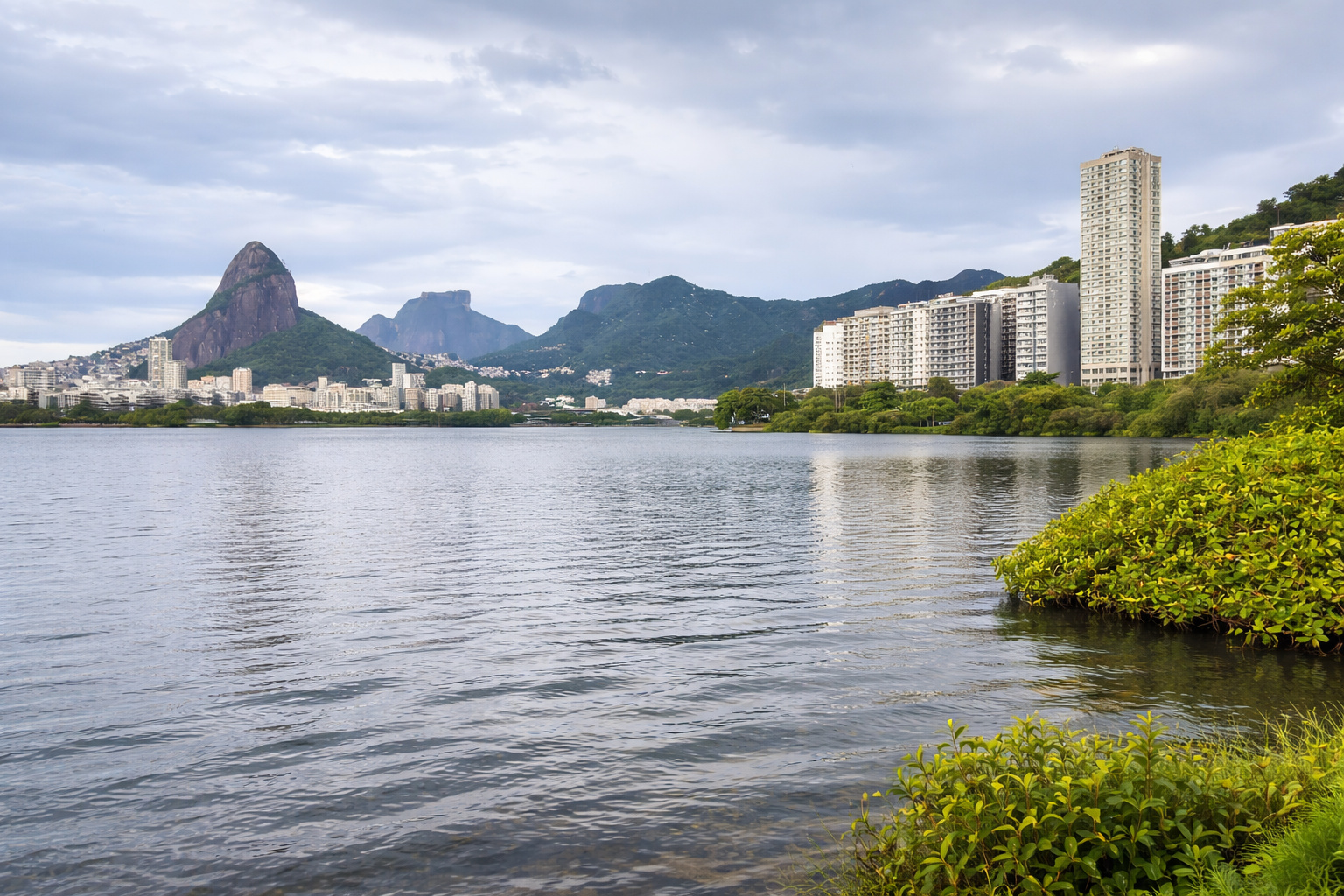
Rodrigo de Freitas Lagoon advances in environmental recovery with sanitation, elimination of irregular sewage, and the resumption of water sports in Rio de Janeiro.
-
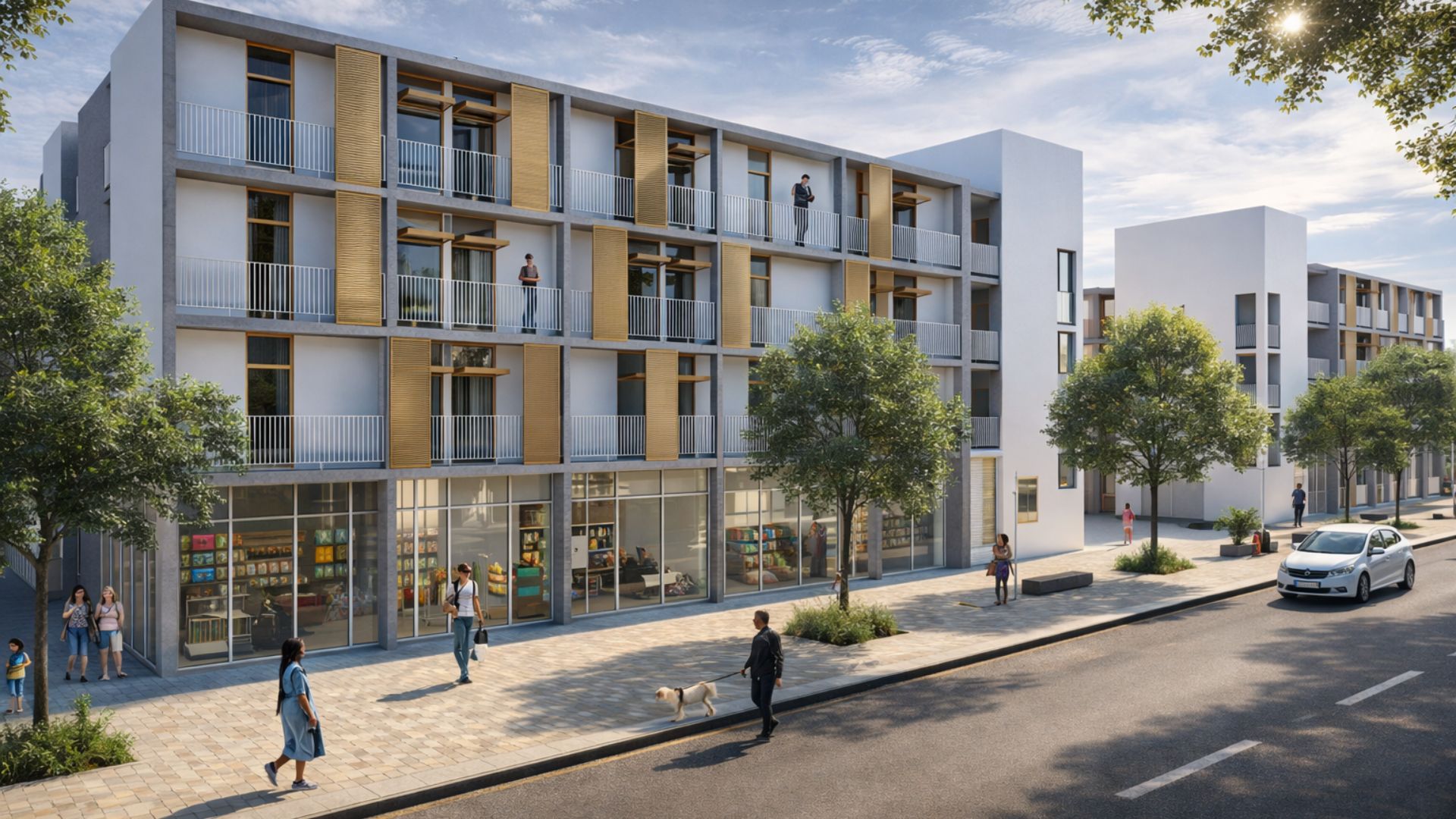
Sustainable housing gains strength with a nationally awarded project in Campo Grande, highlighting innovative solutions that combine sustainability, urban integration, and efficiency in the use of natural resources.
-
Brazilian Industries Accelerate Emission Cuts and Transform Sustainability Into Competitive Strategy, Boosting Energy Efficiency, Technological Innovation, and New Environmental Gains in the Economy


52°C In Summer: When Living Above Ground Becomes Unfeasible
During the summer, Coober Pedy reaches an impressive 52°C. The heat is so extreme that birds fall from the sky and electronic devices need to be stored in the refrigerator to keep functioning. In light of this, living underground no longer seems strange. In fact, it becomes logical.
While on the surface temperatures range from 2-3°C at night in winter to scorching days in summer, the underground houses maintain constant thermal stability. In many cases, the interior remains around 23°C year-round, functioning as a natural passive cooling system. Additionally, the temperature can remain stable 24 hours a day, eliminating the need for constant air conditioning.
Economy, Renewable Energy And Surprising Real Estate Costs
Another decisive factor involves cost. Coober Pedy generates 100% of the electricity it consumes, with 70% coming from wind and solar sources. Still, using air conditioning on the surface would cost a small fortune. Therefore, the underground model drastically reduces energy expenses.
In the real estate market, the difference is also striking. In a recent auction, three-bedroom houses sold for around 40,000 Australian dollars (approximately R$ 126,000).
Meanwhile, in the nearest big city, Adelaide, the average price of homes reaches 700,000 Australian dollars (around R$ 2.25 million).
Living Underground: Thermal Comfort And Quality Of Life
In Addition To The Economy, There Are Additional Benefits. Firstly, there are no insects underground. According to local residents, flies simply do not enter the dark and cool environment. Furthermore, there is no noise or light pollution.
Interestingly, the model can also offer some protection against earthquakes, although safety depends on the size and depth of the excavation.
History Shows That The Underground Has Always Been A Human Refuge
Although it seems futuristic, living in caves is an ancient practice. Two million years ago, human ancestors were already using caves in South Africa. Later, 176,000 years ago, Neanderthals created underground structures in France.
In Cappadocia, Turkey, the underground city of Derinkuyu, constructed around the 8th century BC, housed up to 20,000 people. While the external temperature varied from several degrees below zero to over 30°C, the interior remained stable at 13°C.
When The Climate And Geology Allow For Underground Construction
However, not all places offer ideal conditions. In Coober Pedy, the city is built on about 50 meters of extremely dry, porous sandstone. In wetter regions, like London, underground tunnels face constant mold problems. In the Hazan caves of Israel, just 66 meters from the entrance, the humidity doubles compared to the 40% recorded at the entrance.
In Kandovan, Iran, where there are still excavated homes, the region receives only 11 mm of rain per month in summer, favoring the model.
Can The Underground Be The Future In Light Of Global Warming?
In light of the advance of climate change, the question arises. If the planet continues to experience extreme heatwaves, perhaps models like that of Coober Pedy will cease to be a tourist curiosity and begin to represent urban strategy.
Today, the sand pyramids in the Australian desert may seem eccentric. However, tomorrow, they could become a symbol of smart climate adaptation.
Would You Have The Courage To Live Under The Earth To Escape Extreme Heat, Or Would You Rather Face Increasingly High Temperatures Above Ground?







-

-

2 pessoas reagiram a isso.