





 Portuguese
  English
  Spanish
  4 min of reading
  0 comments


Before The Incas, Before Cusco: New City Found In Latin America Raises Questions About The Origin Of American Culture
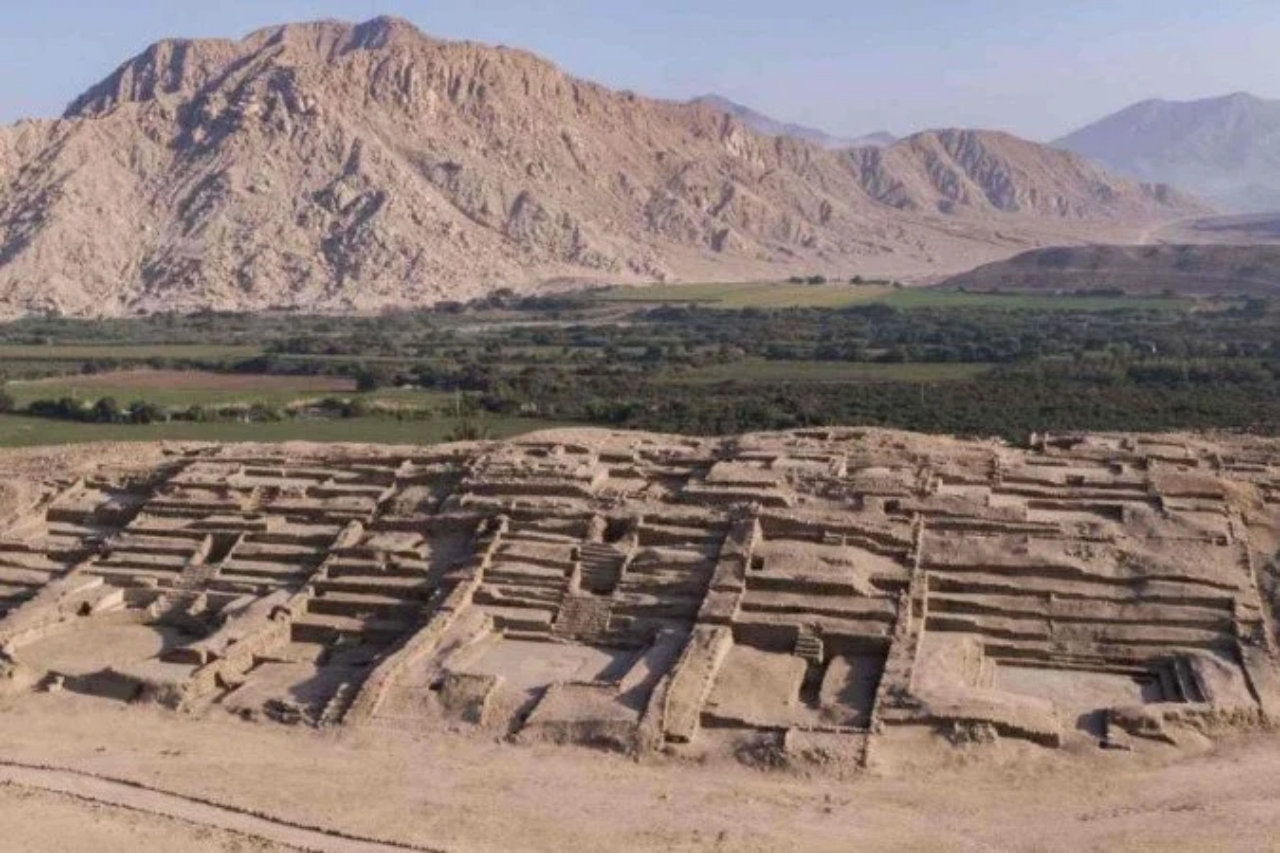
It Seems Like A Movie Plot, But It’s Real. Atop a hill in northern Peru, archaeologists have just revealed something surprising: an ancient city called Peñico, which is believed to have been founded between 1800 and 1500 B.C., shortly after the decline of the famous Caral civilization. The discovery may rewrite what we knew so far about how the first urban centers in the Americas formed and, even more, about how they connected with other regions like the Amazon jungle and the Andes.

A Monumental Find In The Peruvian Highlands
The city of Peñico was found about 600 meters above sea level, in what is now Barranca province. The location is no coincidence. The exact point where it was built is strategically located between the coast, the Andes, and the lowland forest. According to archaeologists, this gave the city a crucial role in trade and cultural exchange among different peoples.
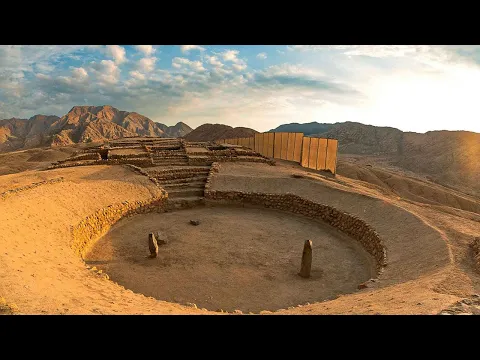
The images taken by drones show the layout of the city in rich detail. In the center, there is an impressive circular structure, possibly used for religious ceremonies or community meetings. Surrounding it are ceremonial temples, plazas, and stone residences, organized with a surprising level of urban planning for the time.
-
Hidden marks on the walls of the site associated with the Last Supper of Jesus for centuries have been deciphered in Jerusalem, revealing medieval inscriptions left by pilgrims, European nobles, and travelers from the Middle East.
-
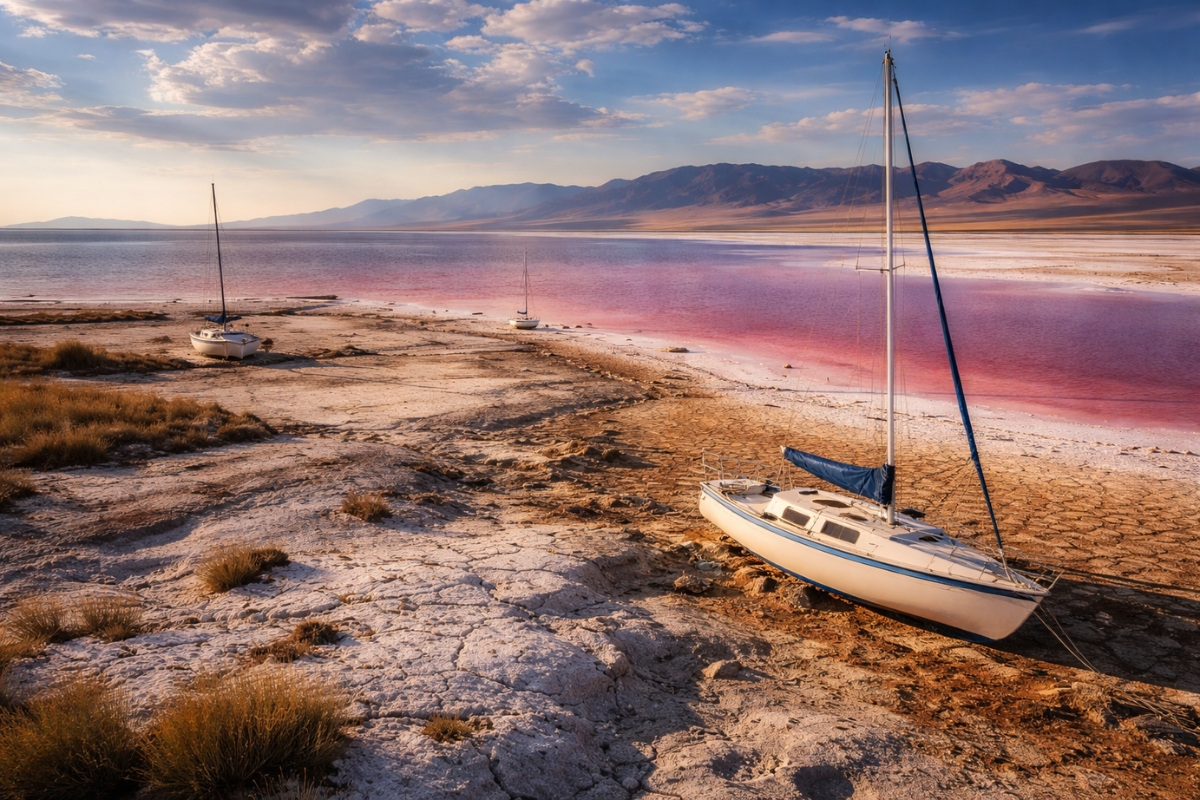
One of the most important lakes in the United States for birds, the balance of nature, and the climate has dried to historic levels, leaving boats stranded, revealing salt flats, and showing how the lack of water can transform an entire landscape.
-
It’s not Cristiano Ronaldo or Messi: the richest football player in the world is only 27 years old, has a fortune of 100 billion reais, and is the nephew of a sultan from an Asian country that few people know about.

-
At 77, the king of one of the most famous and powerful crowns on the planet is said to be under pressure to leave the throne, while behind the scenes there are already talks of a new coronation that could cost R$ 260 million.
Archaeologist Ruth Shady, who led the discovery, explained that the city emerged after a severe climate change that affected Caral, one of the oldest civilizations in the world. “They were situated in a strategic location for trade, for exchange with coastal societies, highland societies, and the jungle,” Shady stated to the newspaper La República.
Peñico And The Legacy Of Caral
Caral, which is located just a few dozen kilometers away, is recognized as the oldest civilization in the Americas, with over 5,000 years of history. Its monumental pyramids and urban systems place it alongside names like Egypt, Sumer, and Ancient India, but with one detail: Caral flourished without any external contact, making it unique in the global landscape.
What stands out about Peñico is that it seems to be a direct continuation of Caral, only adapted to a new geographic and social context. “It is clear evidence of civilizational reorganization after the environmental collapse of Caral,” declared archaeologist Marco Machacuay from Peru’s Ministry of Culture in a press conference reproduced by the official website of the Peruvian government.
An Archaeological Collection That Speaks Loudly
During eight years of intense research, archaeologists were able to identify at least 18 well-defined structures in Peñico. Some draw attention for their details: the central plaza, for example, has walls decorated with reliefs depicting the Pututu, a type of trumpet made from shell, which was used in ceremonies and long-distance communication.
In other parts of the city, clay sculptures with human and animal forms were found, as well as necklaces made from shells and beads, clear indications that this population maintained contact with coastal regions and perhaps even the Amazon, reinforcing the city’s commercial importance.
These findings make scholars believe that Peñico was much more than a village: it was a meeting point between cultures, an advanced urban hub that survived thanks to its environmental adaptation and its strategic positioning.
Peru And Its Connection To The Past
This discovery only reinforces something that anyone who has visited the country knows well: Peru is a true open-air museum. Besides Machu Picchu, one of the wonders of the world located in Cusco, Peruvian territory hosts dozens of archaeological sites that are still being explored, such as the mysterious Nazca Lines, which still defy scientific explanations, or the pre-Incan temples of Chavín de Huántar.
And now, with the revelation of Peñico, the country gains another key piece in this historical puzzle that shows how sophisticated the societies of the Americas were long before the Incas or the arrival of Europeans.
“Peru is the birthplace of a civilization that needs to be rediscovered through the eyes of the 21st century, but with the respect it deserves,” stated Ruth Shady during the ceremony to present the discovery, according to coverage by the state agency Andina.
And Now? The Future Of Peñico
The Ministry of Culture has already announced that the archaeological site of Peñico will be protected by law and may eventually be integrated into guided visit circuits. The intention is to transform the location into another destination for those who want to dive into the country’s deep history.
Who knows, in a few years, in addition to visiting Machu Picchu, tourists could include Peñico in their itinerary and walk among ruins with over three millennia of history. The city, which remained hidden for so long, is now beginning to tell its own version of events, and it promises to change a lot.
Did You Enjoy This Incredible Discovery? If You Found This Story As Fascinating As We Did, Leave Your Comment Below! Share With That Friend Who Loves Archaeology Or Who Has Always Dreamed Of Visiting Peru Beyond Cusco And Machu Picchu. Let’s Spread This New Page Of Our History Together!





-

Uma pessoa reagiu a isso.