





 English
  Francês
  Alemão
  Italiano
  Japonês
  Norueguês
  Portuguese
  Spanish
  4 min of reading
  0 comments


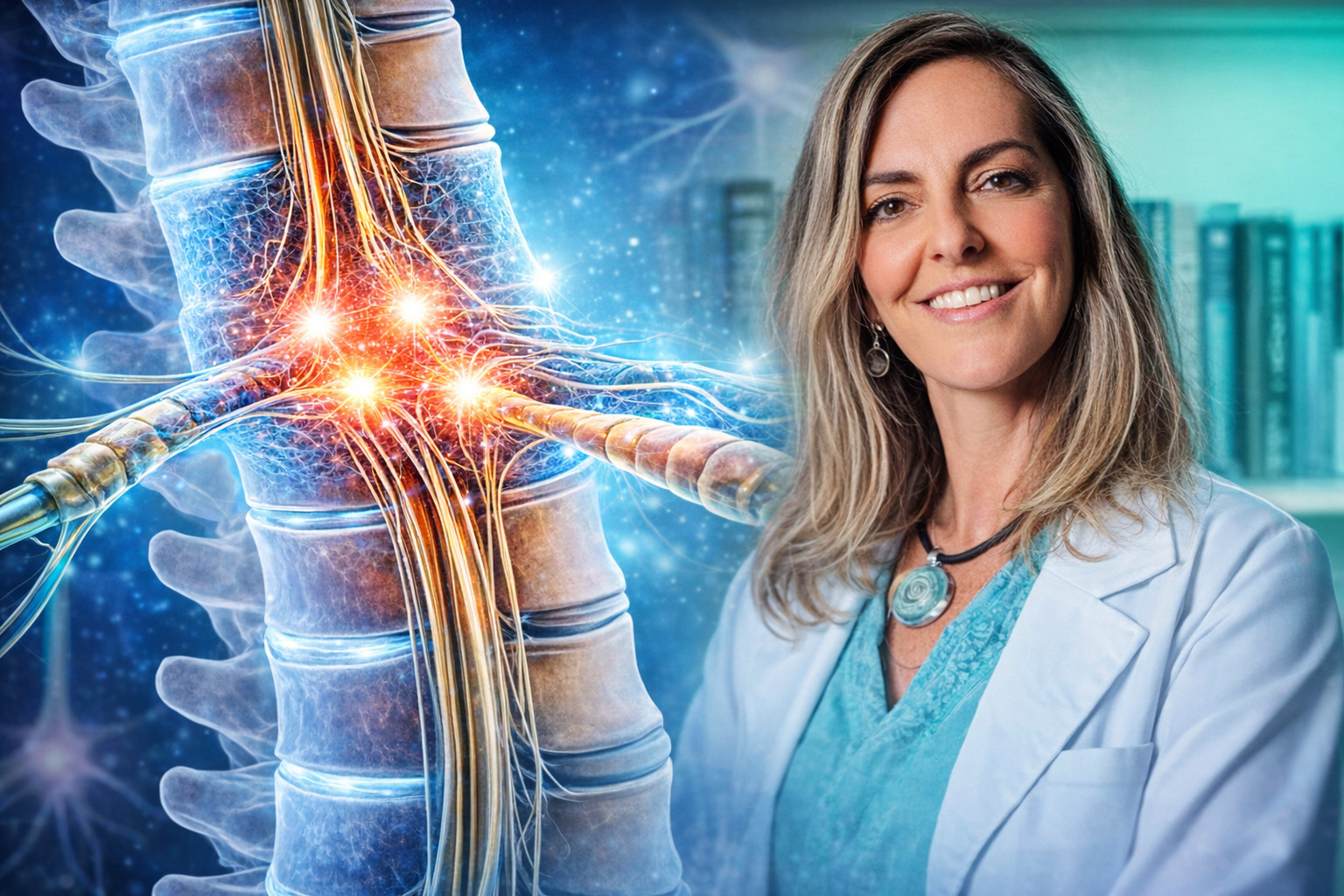
Research Developed Over More Than Two Decades Uses Natural Protein From The Human Body To Stimulate Regeneration Of Nervous Connections In The Spinal Cord
A discovery led by a Brazilian scientist may open new perspectives in the treatment of spinal cord injuries — one of the most devastating medical conditions for humans.
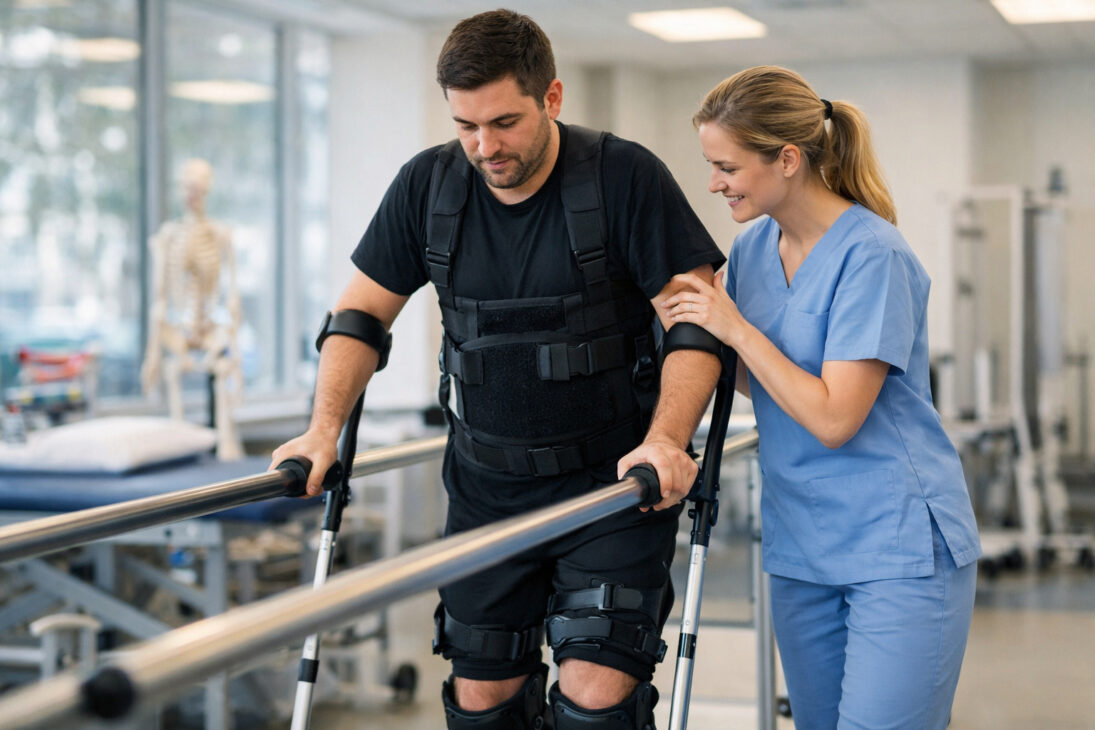
The case that drew attention involves Bruno, a young man who became tetraplegic after a serious car accident. After participating in an experimental study based on a substance called polylaminin, he began to gradually regain movement, something considered extremely rare in cases of complete spinal cord injury.
According to reports from the patient himself, weeks after the treatment, he was able to move the big toe again — the first sign that the nervous connections were being reestablished. tatiana sampaio
-
350-year mystery may have been solved: remains of a soldier who inspired the hero of The Three Musketeers found beneath a church in the Netherlands.

-
NASA photographed a nearly perfect square with 3 km sides on Mars, 13 times larger than the Great Pyramid of Giza, but the official explanation is natural erosion; still, no one has explained why the four sides have almost identical lengths.

-
Starlink breaks the barrier of 10,000 satellites in orbit and takes its expansion to an unprecedented level, with a direct impact on global internet, technological competition, and the race for space.

-
Japan finds an alternative to oil amid rising prices by transforming ocean balance into electricity with a new technology that maintains efficiency even when the sea changes.

The Accident That Left The Young Man Tetraplegic
Bruno was only 23 years old when he suffered a car accident that caused a severe injury to his cervical spine.
The injury occurred in the sixth cervical vertebra (C6), an extremely critical area of the spine. This type of trauma typically results in complete loss of movement below the neck, characterizing tetraplegia.
When he woke up after the surgery, the young man realized he couldn’t move his body.
“I tried to move and felt nothing. That’s when I understood that something very serious had happened,” reported the patient.
According to experts, injuries in this region of the spine usually affect the arms, legs, and various organs controlled by the nervous system.
The Substance That May Regenerate The Spinal Cord
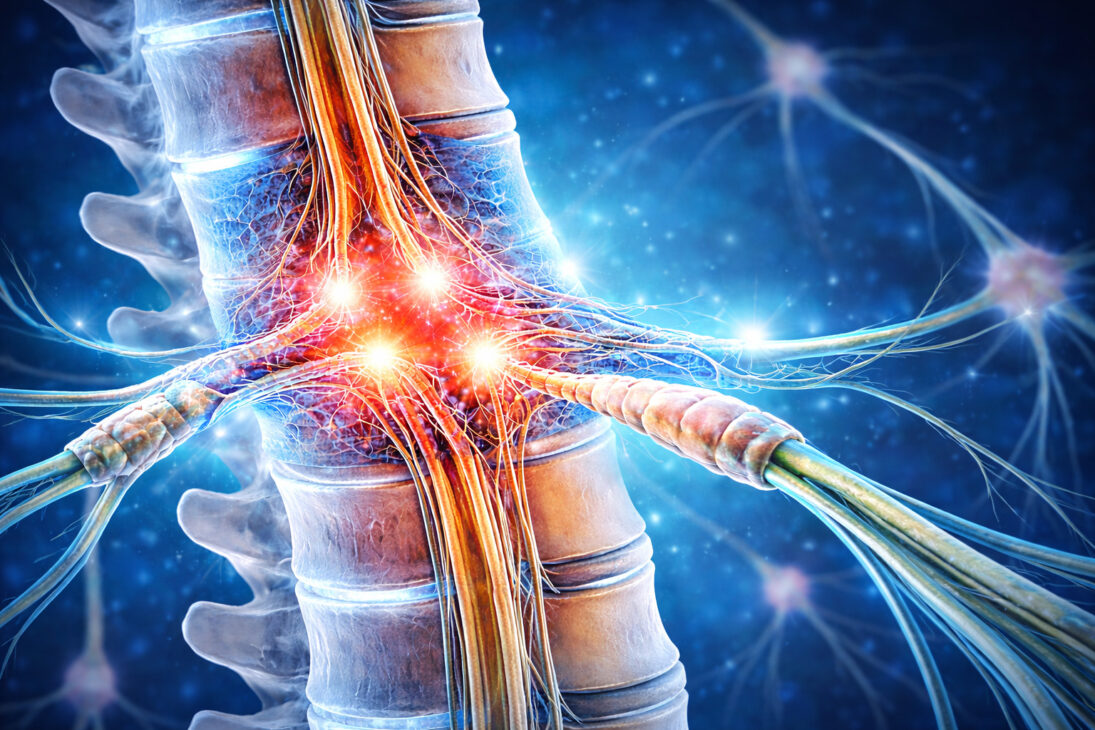
Bruno’s recovery occurred after the application of a substance called polylaminin, developed by Brazilian scientist Tatiana Sampaio.
This substance is produced from laminin, a natural protein present in the human body that acts as a kind of “biological track” for the growth of neurons.
During the development of the nervous system still in gestation, neurons use this protein as a pathway to form connections in the brain and spinal cord.
According to researchers, polylaminin recreates this biological environment, allowing axon — the structures responsible for transmitting nerve signals — to regrow and reestablish damaged connections.
Recovery Began With A Small Movement
The patient’s improvement did not happen immediately.
Initially, after a few weeks, Bruno could only move his big toe. Although it seemed like a simple movement, it was an extremely important sign for the doctors.
This was because it indicated that signals from the brain were beginning to traverse the nervous system again.
Over time, new movements began to appear.
First came small contractions in the legs. Then the muscles gradually began to respond, allowing the patient to regain some mobility.
Discovery Took Nearly Three Decades Of Research
The substance that may revolutionize the treatment of spinal injuries did not emerge overnight.
According to the lead researcher, it took about 26 years of studies to reach the first tests on humans.
The process began with basic research on proteins in the laboratory.
During the experiments, the scientist noticed that laminin exhibited an unexpected behavior when grouped under certain chemical conditions.
This phenomenon led to the creation of polylaminin, a modified version of the protein capable of forming structures that stimulate neural regeneration.
Tests Have Already Been Conducted On Animals And Humans
Before reaching patients, the treatment underwent several stages of scientific testing.
Among them:
- studies on isolated cells in the laboratory
- experiments with rats
- tests on dogs
- clinical study with human patients
In total, 15 patients received the substance in clinical studies and compassionate applications, with varying levels of recovery of movement and sensitivity.
Treatment Still Needs Approval From Anvisa
Despite the promising results, the substance is not yet available for widespread use.
The treatment depends on the approval of new clinical studies by the National Health Surveillance Agency (Anvisa).
Currently, researchers are awaiting authorization to start new testing phases on patients.
According to the scientific team, the expectation is that new studies will be released in the coming years.
Hope For Millions Of People
Spinal cord injuries are among the most feared conditions in medicine.
These traumas can be caused by:
- car accidents
- falls
- dive into shallow waters
- sports accidents
- urban violence
In most cases, when the nervous connection is lost, spontaneous recovery is extremely limited.
That is why research seeking to regenerate the nervous system attracts enormous interest from the scientific community.
If the results are confirmed in larger studies, polylaminin could represent a significant advance in the treatment of patients with spinal injuries.








Seja o primeiro a reagir!