





 Portuguese
  English
  Spanish
  3 min of reading
  3 comments


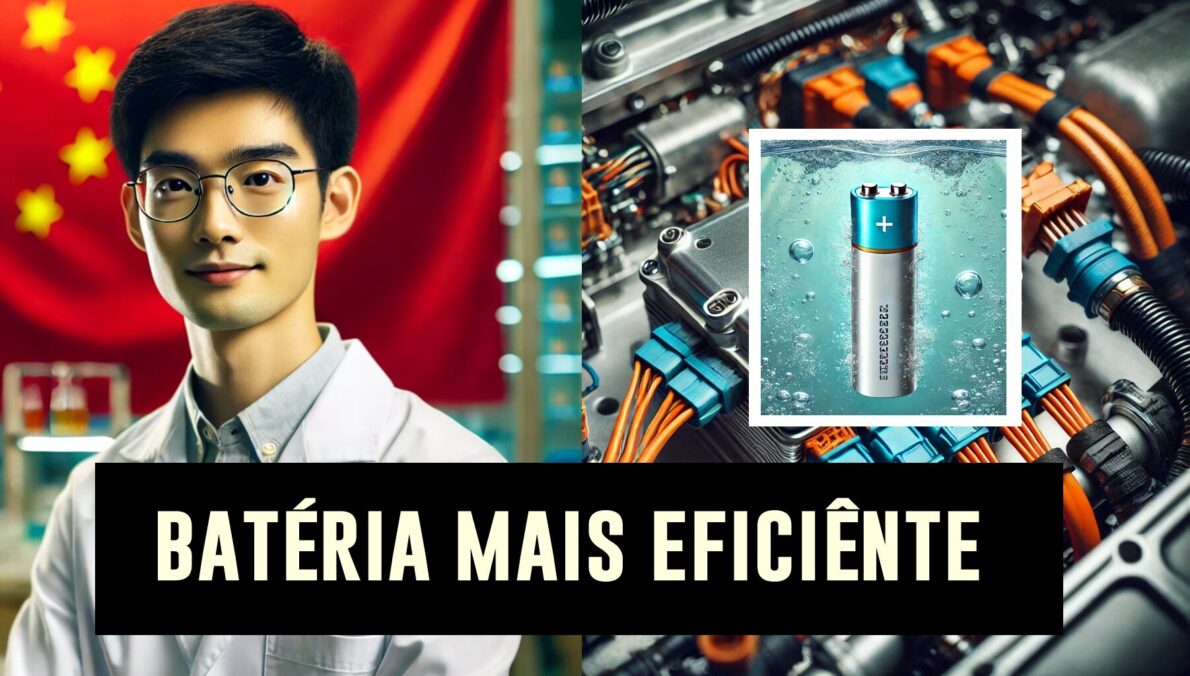

Revolutionary Innovation: Chinese Scientists Develop Water-Based Batteries That Surpass Lithium-Ion Batteries in Safety and Energy Efficiency
A team of scientists from the Chinese Academy of Sciences has discovered a significant advancement in the development of water-based batteries, making them safer and more efficient compared to traditional lithium-ion batteries. The study was published in the journal Nature Energy on April 23 and could represent a revolution in the field of sustainable energy.
Lithium-ion batteries, widely used in electric cars and portable devices, are known for their high energy density, meaning the amount of energy they can store relative to their size or weight. However, they also present considerable safety risks, as the electrolyte – a substance that enables the flow of electrons – is composed of organic chemicals that can catch fire or explode in case of overheating.
The Innovative Solution
In contrast, water-based batteries are naturally safer, as they do not use these flammable chemicals. However, until now, these batteries were less competitive due to their lower energy density. This was due to the fact that they operate in a narrower voltage window, limiting their efficiency.
-
Is a smart plug worth it in a regular home? What does it offer: turns on and off via smartphone, creates routines by schedule, prevents forgotten devices, sometimes monitors consumption, and improves habits without renovation or miracles.
-
Airbus and Mercedes take the G-Class to the skies: the ACH145 helicopter priced at R$ 78 million debuts in São Paulo, unit goes to Brazilian, AMG cabin, 5-blade rotor, and a 2-year wait.

-
New material could change everything: it is the thickness of an atom, 200 times stronger than steel, and 100,000 times thinner than a human hair.
-
A new study published in Nature reveals that the SLIT3 protein can increase calorie burning by activating brown fat in the body, functioning as a kind of “biological switch.”


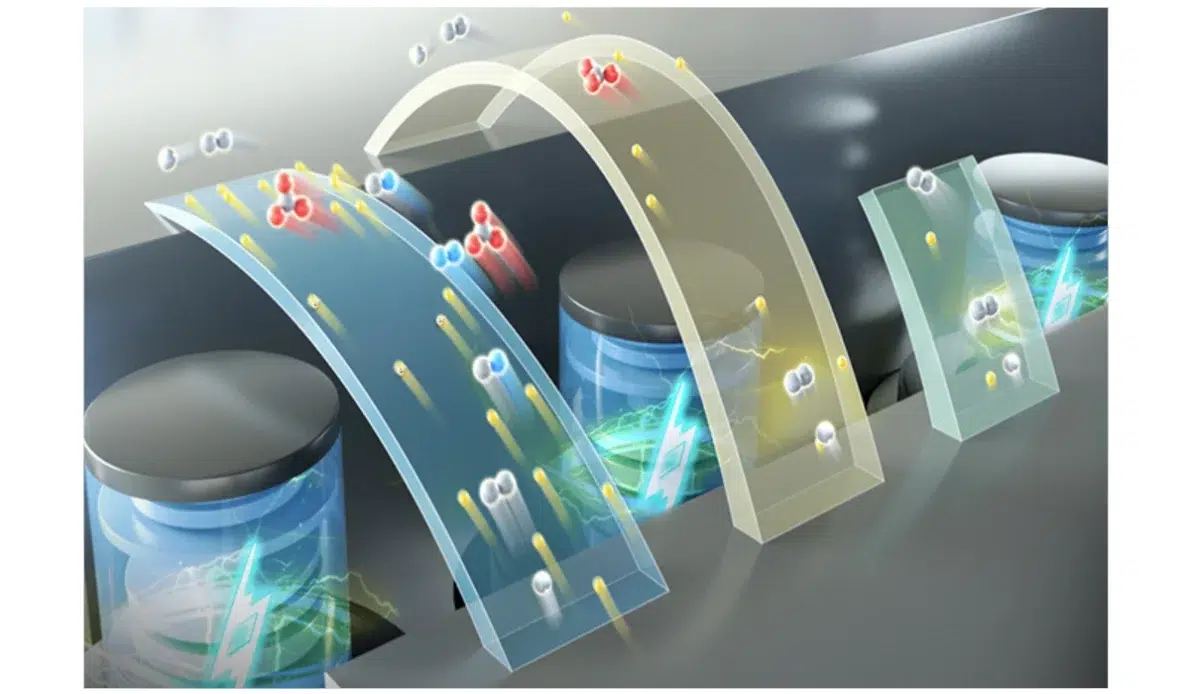
The innovation proposed by researcher Xianfeng Li and his team addresses exactly this limitation. By modifying the chemistry of the water electrolyte, the scientists were able to drastically improve both the energy density and overall performance of these batteries. The key to this evolution was the introduction of a new type of electrolyte, called mixed halogen electrolyte, which contains iodide (I–) and bromide (Br–) ions in an acidic solution.
The Role of Halogens
Additives known as mediators, which control the flow of electrons in the solution through oxidation and reduction (redox) reactions, play a crucial role in the performance of the batteries. In aqueous batteries, iodine is the most common mediator, but its efficiency is limited by the slowness of the reactions and unwanted byproducts.
With the introduction of bromine into the electrolyte, the team was able to increase the speed of these reactions and reduce the byproducts. This improvement allowed bromide and iodide ions to work together, accelerating the electron transfer process and significantly increasing the energy density of the aqueous batteries.
Promising Results
The researchers conducted a series of experiments to assess the impact of the new electrolyte on different types of batteries. The results were surprising: the new electrolyte nearly doubled the energy density of the batteries when compared to traditional lithium-ion batteries, especially when combined with cadmium anodes – commonly used in high-energy portable power tools.
Furthermore, when using vanadium systems, which are commonly applied in the energy storage of power plants and renewable energy sources, the researchers observed a lifespan of over 1,000 charge and discharge cycles, maintaining stable and efficient performance over time.
A Safer and More Efficient Future
This new approach to water-based batteries with mixed halogen electrolytes represents a major advancement not only in terms of safety but also in energy efficiency. The team led by Li believes that with continued development, these batteries could compete in cost and performance with current lithium-ion technologies, becoming a viable alternative for applications such as electronic devices and renewable energy storage.
With this advancement, the future of batteries looks more promising and secure, and the use of water as a base for batteries may become an increasingly present reality in daily life.





BatÉria, logo no título. Parei de ler alí.
Pelos erros de português no título, já dá pra ter uma idéia da qualidade do conteúdo.
Grande esperança…