





 Portuguese
  English
  Spanish
  3 min of reading
  0 comments


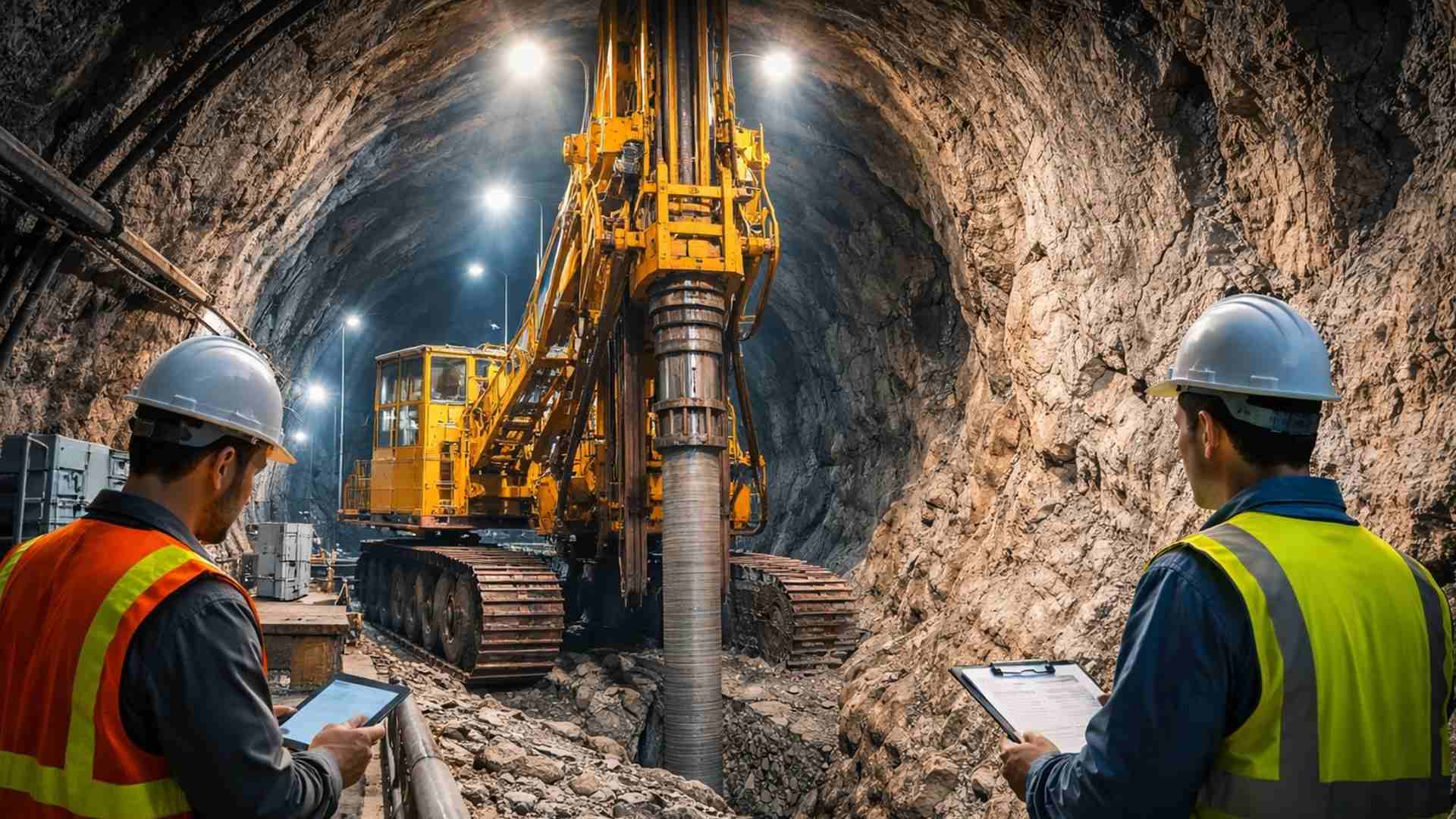
Researchers Began in Switzerland an International Deep Drilling Project to Study a Clay Rock Formed About 175 Million Years Ago, Analyzing Its Structure, Interaction with Groundwater and Its Capacity to Act as a Natural Barrier for the Safe Storage of Nuclear Waste for Thousands of Years
Researchers began in Switzerland the drilling of a clay rock approximately 175 million years old to assess whether deep geological formations can safely store nuclear waste for thousands of years.
The project is conducted by an international team led by the Helmholtz Centre for Geosciences GFZ, Germany. The initiative is part of the DEBORAH research program, focused on the hydrogeological investigation of the Mont Terri anticline.
Deep Drilling Analyzes Jurassic Clay Rock of 175 Million Years
The study seeks to test the barrier properties of the rock known as Opalinus Clay. This formation originated in the Jurassic period, approximately 175 million years ago, and is found in southern Germany and Switzerland.
-
While the world looks at oil, the war with Iran is already disrupting helium supply from Qatar, affecting car and iPhone chips, threatening AI expansion, and putting pressure on aluminum packaging at the highest value in four years.

-
Global warming will expose a treasure hidden under the ice of Antarctica and may spark an international dispute over gold and valuable minerals.

-
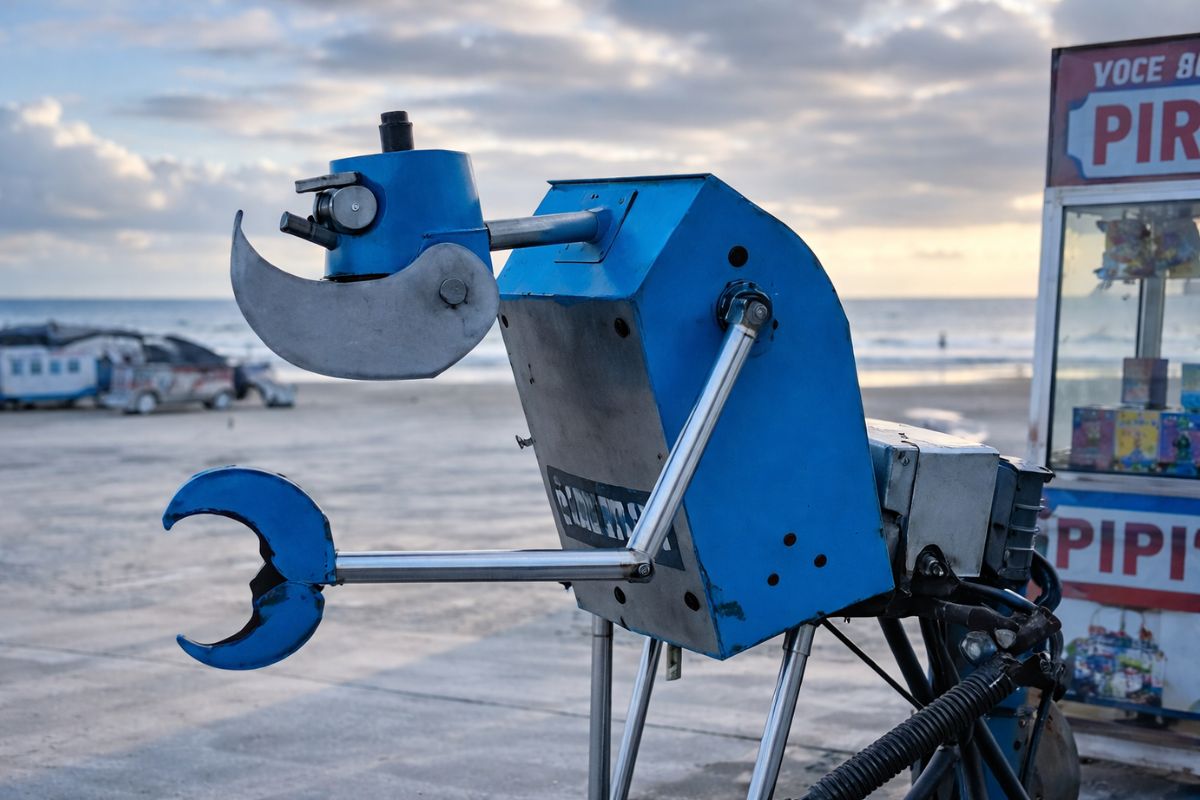
A street vendor from Praia Grande built a robot made of scrap from scooters and washing machines that pulls his popcorn cart on the beach, emits sounds, and interacts with customers, becoming an attraction on the coast of São Paulo.
-
The specifications of the Xiaomi 18 Pro Max have been leaked, and the highlight is a dual 200 MP camera with a new 22-nanometer technology that promises to consume less energy and capture details in shadows and bright areas using LOFIC HDR.


The clay rock is considered a relevant candidate for receiving underground deposits of nuclear waste. The investigation aims to determine whether the geological structure has suitable conditions for storing radioactive material for extremely long periods.
The researchers have already completed the first 55 meters of drilling at the Mont Terri Underground Rock Laboratory. The site has been operational for about three decades as a center for experiments related to the geological disposal of nuclear waste.
International Project Advances in Drilling Rock Up to 800 Meters
The team recorded a near 100% recovery of the drill core during the initial stage of the project. The aim now is to extend the drilling to approximately 800 meters in depth, equivalent to 2,626 feet.
During the process, cylindrical samples of the rock are extracted. The method involves cutting a circular groove around the material, leaving a central column that is removed in segments for detailed analysis.
These cores are carefully documented and studied by the researchers. The analysis allows understanding the characteristics of the rock and how geological layers interact with groundwater systems.
Mont Terri Underground Laboratory Gathers Researchers from Nine Countries
The Mont Terri Rock Laboratory is located near the town of Saint-Ursanne, in the canton of Jura, in northwestern Switzerland. The facility is inside a mountain where a roadway tunnel passes about 150 to 200 meters below the surface.
A security gallery parallel to the tunnel serves as access to the underground scientific facilities. The center was established in 1966 and currently brings together 22 partners from nine countries involved in geological research.
For the current project, the researchers installed a drilling platform about 10 meters high within the laboratory. The structure allows for continuous extraction of samples from the rock and surrounding geological layers.
Study Investigates Interaction Between Groundwater and Rock
The main focus of the research is to understand how water moves through the rock and how it interacts with Opalinus Clay. This factor is considered crucial for assessing the stability of geological deposits of nuclear waste.
According to Felix Kästner, a scientist at GFZ and coordinator of the DEBORAH project, the first phase of drilling proceeded as planned. He noted that the progress of activities kept researchers busy with the description and collection of samples.
The scientists aim to analyze not only Opalinus Clay but also the rock layers located above and below the formation. The goal is to better understand the hydrogeological processes that occur underground.
Drilling Data Can Guide Geological Deposits of Nuclear Waste
The results of the study may help identify suitable rock formations for the geological storage of nuclear waste. Countries such as Germany, the United Kingdom, and Switzerland can use the information gathered during the project.
In addition to drilling, the team conducts seismic and gravimetric measurements around the study area. These methods allow mapping the structure of the rock layers and analyzing the groundwater systems present in the region.
According to Kästner, the collected data will be used in laboratory analyses and in computational models. The next phases of the project are expected to expand the volume of information about the rock and the hydrogeological conditions at the site.








-

-

-

-

-

6 pessoas reagiram a isso.