





 Portuguese
  English
  Spanish
  3 min of reading
  0 comments


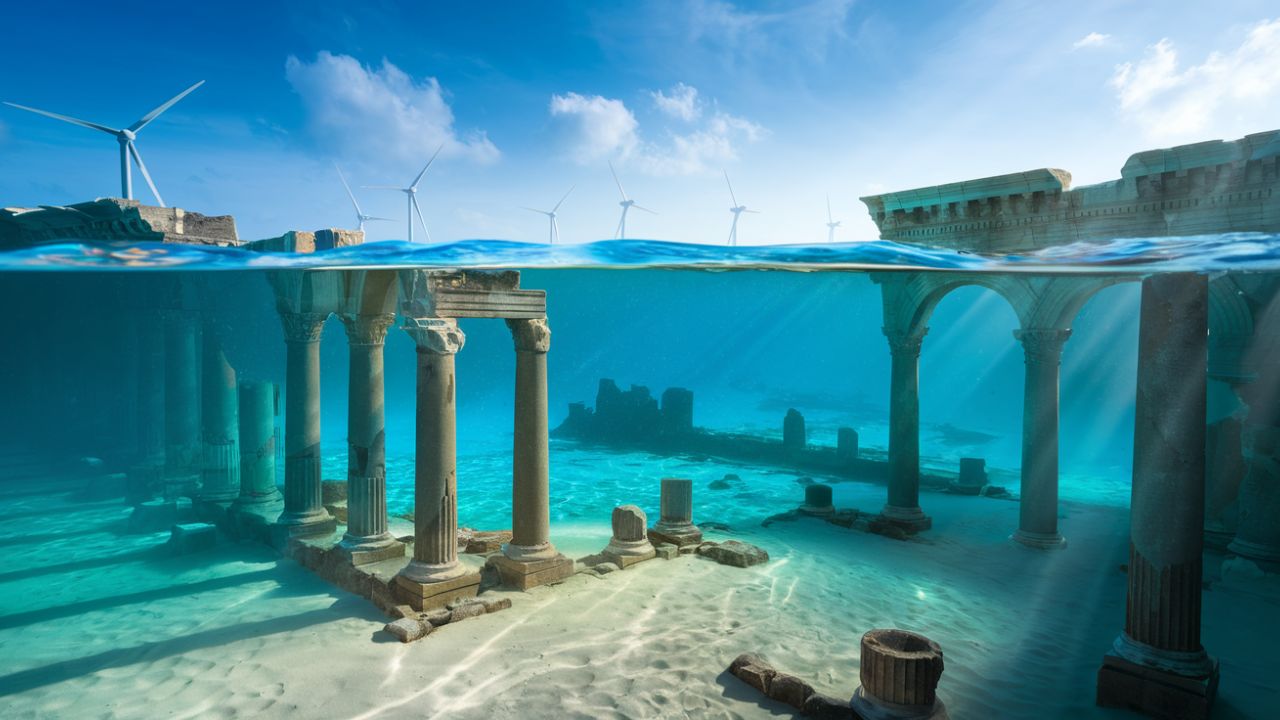
Scientists Explore Doggerland and Other Submerged Regions in the North Sea and Baltic Using Advanced Technology to Uncover Traces of Civilizations That Thrived More Than 8,000 Years Before Offshore Wind Farms Occupied These Areas.
About 8,000 years ago, regions that are now submerged under the North and Baltic Seas were home to ancient civilizations. However, with the end of the last Ice Age, rising sea levels radically transformed these landscapes, erasing almost all traces of these peoples. Now, scientists are observing the secrets of these places.
Now, scientists from various institutions in Northern Europe are in a race against time to uncover the mysteries of these lost civilizations. The urgency is not an exaggeration: areas they wish to explore are being rapidly occupied by renewable energy facilities, such as offshore wind farms.
The Lost World Beneath the North and Baltic Seas
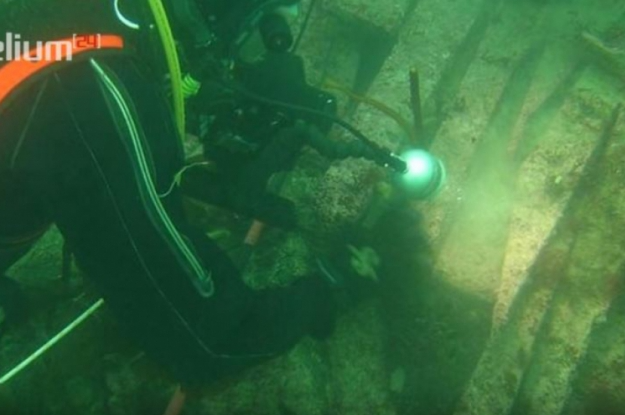
Thousands of years ago, these submerged areas were not seas, but fertile lands that provided a home for various communities. Doggerland, for example, is one of those mysterious regions, often nicknamed the “Atlantis of the North Sea.”
-
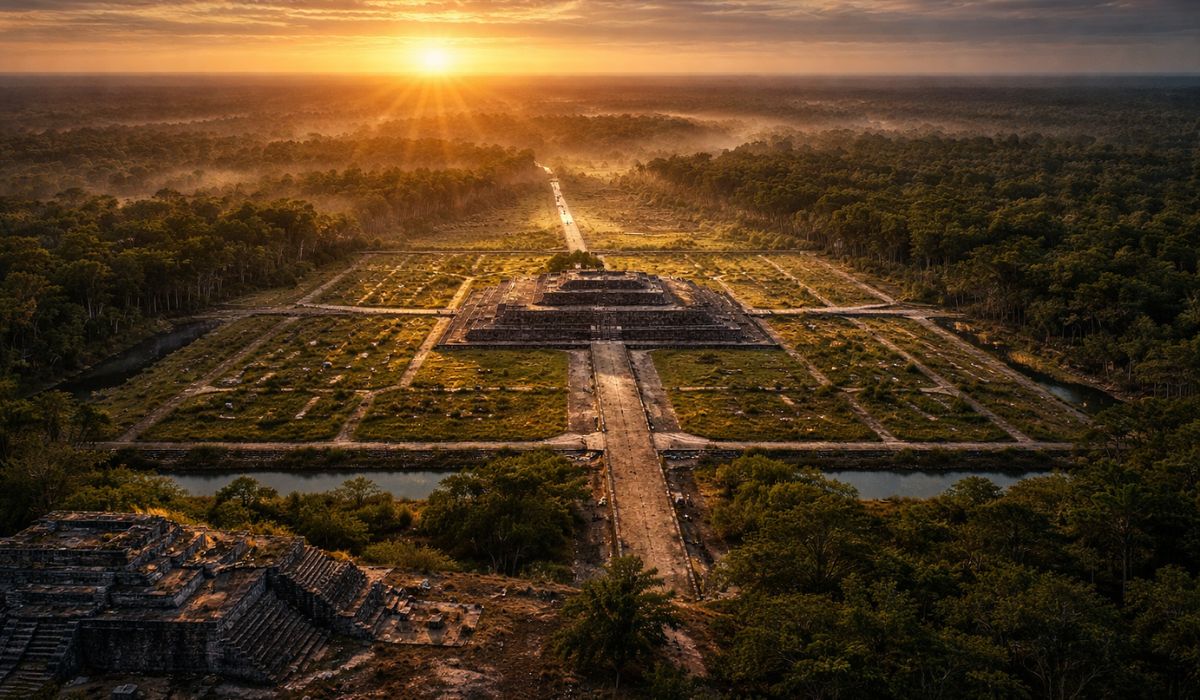
In Mexico, a 3,000-year-old Maya site with the dimensions of an entire city may have been built as a colossal map of the cosmos, created to represent the order of the universe and reveal how this people organized space, time, and rituals.
-
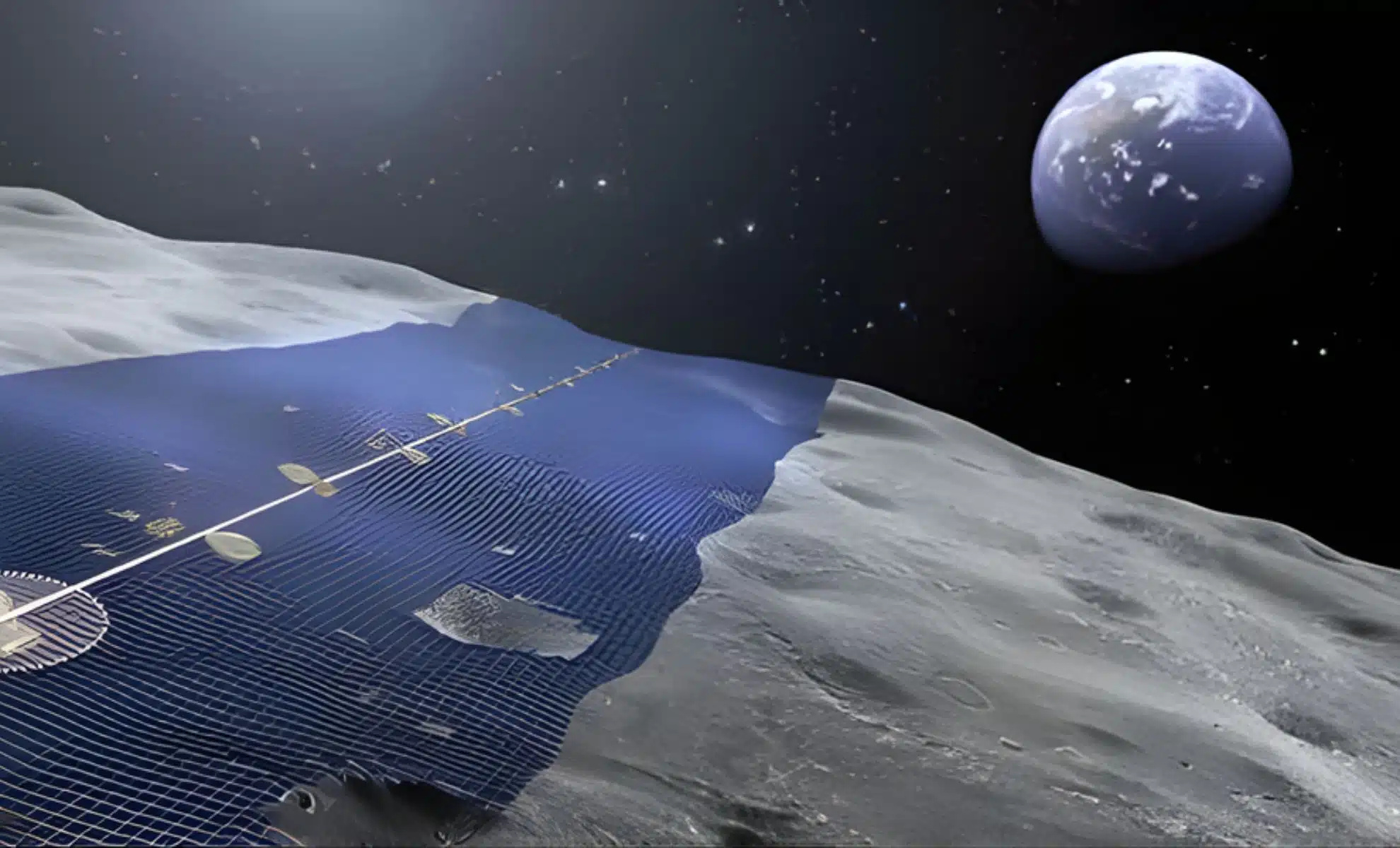
Japan wants to build a solar ring of 10,900 kilometers on the Moon to continuously send energy to Earth.
-
Weighing almost 1 ton, with temperatures of up to 3,000°C, the ability to launch 10,000 fragments within a radius of 1 km, capable of penetrating concrete and melting steel, Turkey’s terrifying bomb emerges as one of the most destructive non-nuclear weapons ever presented.

-
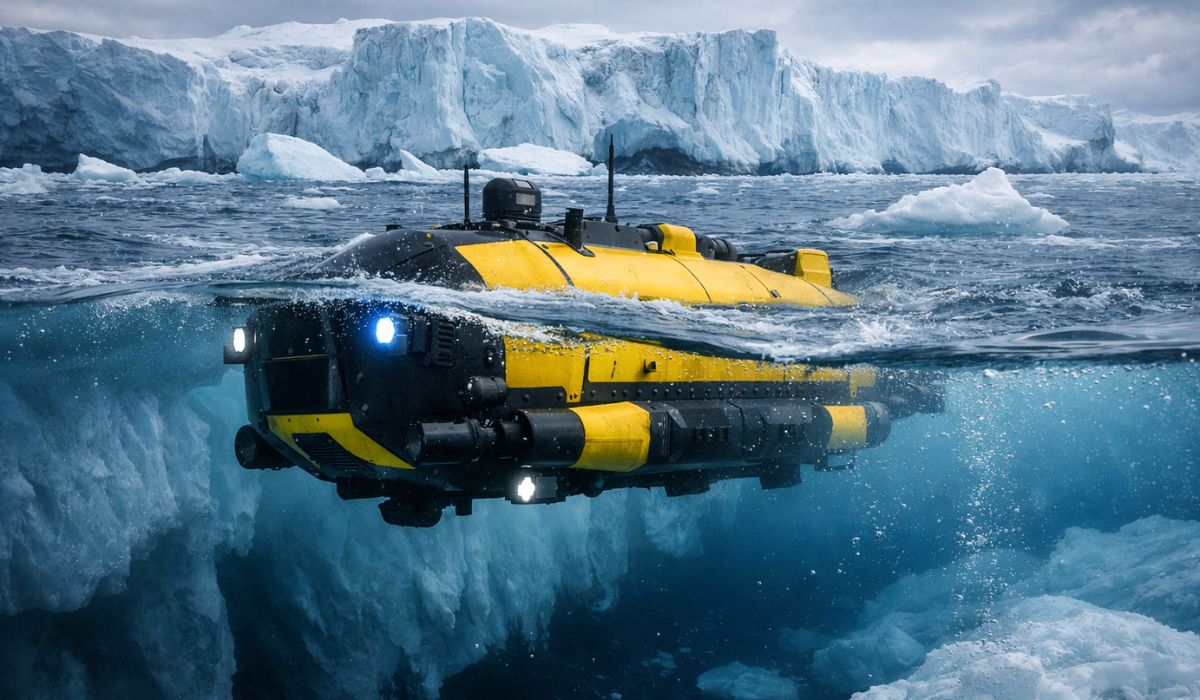
After a submarine disappeared beneath the “Doomsday Glacier,” scientists announce a new monstrous machine capable of operating at 3,000 meters depth to return to the heart of the ice and investigate a threat that could raise sea levels worldwide.

This vast plain connected mainland Europe to Great Britain and was inhabited by communities that fished, hunted, and farmed. However, rising global temperatures and the resulting thaw led to the flooding of these lands. The history of these peoples has been lost, but scientists believe that buried under marine sediments are valuable secrets that could change what we know about our ancestors.
The Technologies of Scientists Redefining Subaquatic Archaeology
Unraveling a submerged world requires more than courage and curiosity; it requires cutting-edge technology. Equipment such as magnetometers, acoustic probes, and artificial intelligence are being used to map the seafloor and identify areas of archaeological interest.
These tools allow for a digital simulation of what the lost settlements might have looked like, providing a unique window into the past. Additionally, seismic research and sediment sampling help locate ancient river channels and identify areas of peat formation, where human traces may have been preserved.
SUBNORDICA
The SUBNORDICA project is an international collaboration of scientists and researchers aiming to explore these submerged worlds before human impact makes these areas inaccessible. Institutions such as the University of Bradford and the Flanders Marine Institute are leading the research, utilizing the most advanced technologies available.
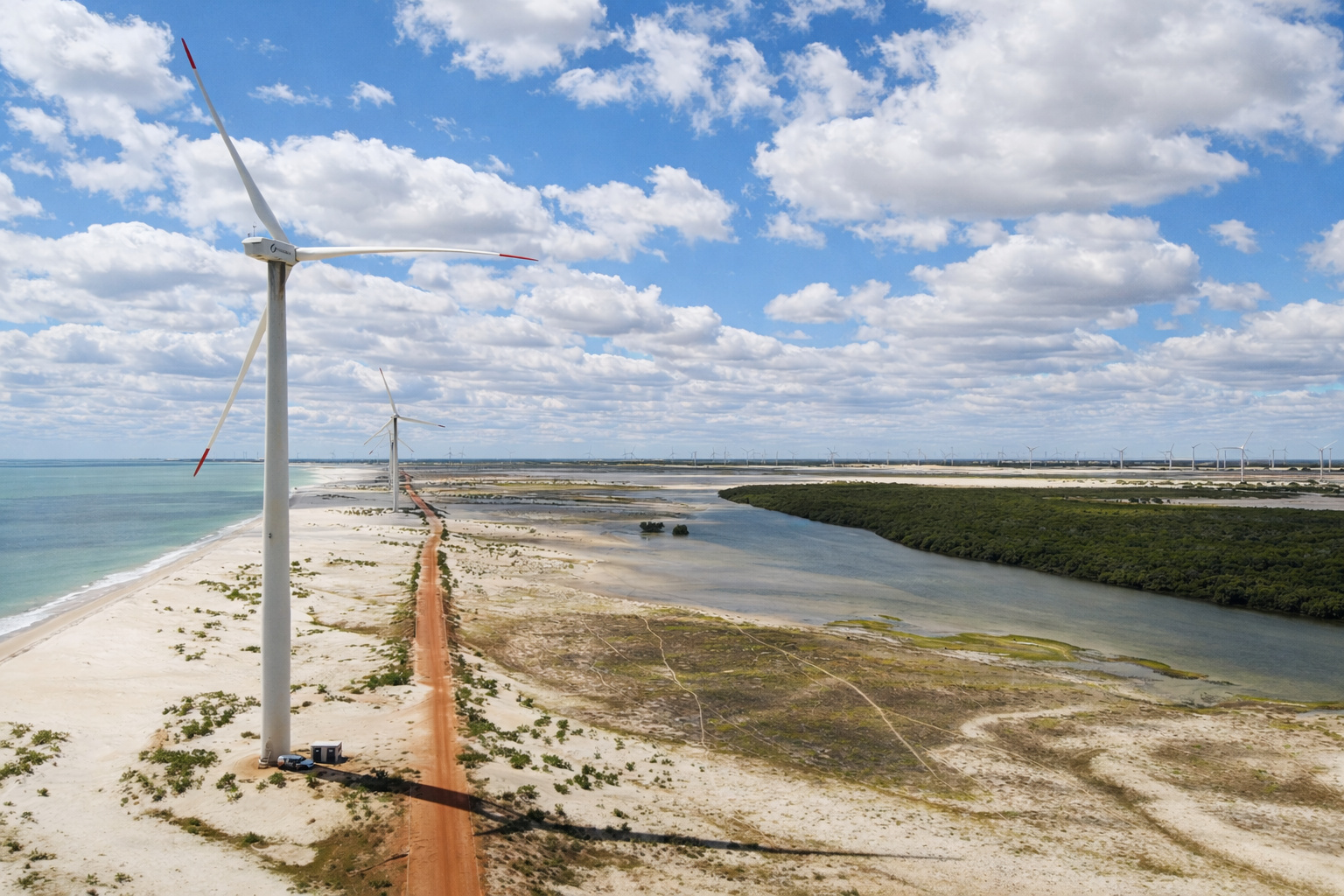
The major challenge of the project is to balance scientific advancement with sustainable development. After all, the same areas rich in history are the most suitable for the construction of offshore wind farms, essential in the fight against climate change.
Challenges of Offshore Wind Farm Development
The increasing demand for renewable energy threatens to restrict scientific access to these regions. The coastal platforms being developed may interfere with archaeological investigation, leaving many questions unanswered.
But scientists are determined to act before it is too late. As Peter Moe Astrup from Moesgaard Museum emphasizes, understanding how marine resources were exploited by these civilizations could reveal crucial information about humanity’s relationship with the environment thousands of years ago.
What Can We Learn From Our Submerged Ancestors?
These discoveries by scientists are not just about the past; they offer valuable lessons for the present. Just as our ancestors faced drastic climate changes, we are dealing with similar challenges today. Understanding how they survived — or why they failed — can help us navigate the future.
Furthermore, the remnants found may reveal how these peoples utilized natural resources sustainably, something that directly aligns with the ecological development goals of today.







-

2 pessoas reagiram a isso.