





 Portuguese
  English
  Spanish
  4 min of reading
  0 comments


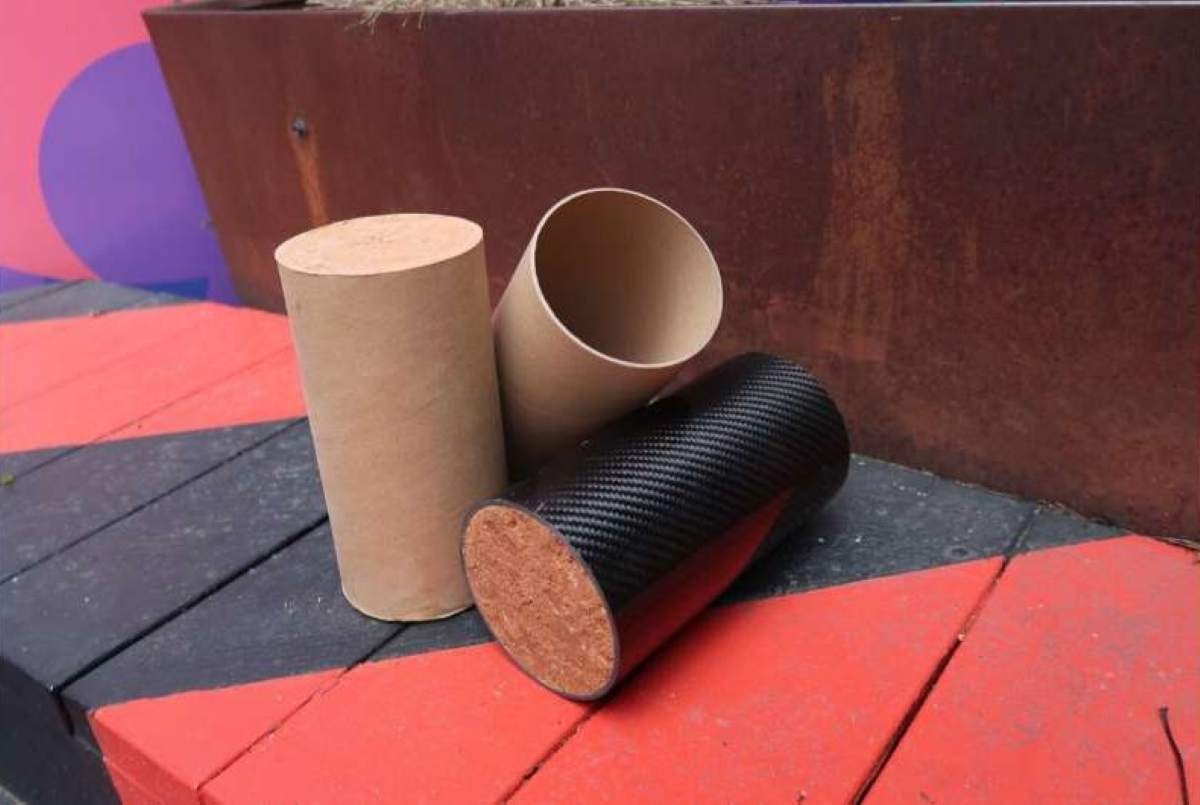
Engineers from RMIT University Developed an Innovative Construction Material Made Only with Recycled Cardboard, Soil, and Water. The Solution Has 75% Fewer Emissions than Concrete, Costs Three Times Less, and Can Be Produced Directly On-Site
Engineers from RMIT University in Australia Developed an Innovative Construction Material Made Only from Recycled Cardboard, Soil, and Water. The Creation Represents a Milestone in Sustainable Construction Because It Reduces Carbon Emissions by Up to 75% Compared to Traditional Concrete, Furthermore, It Costs Less than One-Third of the Amount and Is Fully Reusable and Recyclable.
The Production of the Material, Named “Compressed Earth with Cardboard,” Takes Place in a Context of Environmental Urgency.
In Australia Alone, More than 2.2 Million Tons of Paper and Cardboard End Up in Landfills Every Year, While the Production of Cement and Concrete Accounts for About 8% of Global CO₂ Emissions.
-
Worlds covered by water, atmospheres filled with hydrogen, and the possibility of life beyond Earth: ocean planets are rewriting the map of cosmic search and forcing scientists to rethink where to look.

-
Argentina achieves the unimaginable after more than 110 years and reintroduces the largest native herbivore of South America to the Chaco to restore a lost link in nature.

-
Returning to the Moon now costs a billion-dollar bill and reignites the competition between the USA and China for science, technology, and rare minerals on lunar soil.

-
While the world looks at oil, the war with Iran is already disrupting helium supply from Qatar, affecting car and iPhone chips, threatening AI expansion, and putting pressure on aluminum packaging at the highest value in four years.

The Innovation Offers a Concrete Alternative to This Scenario by Transforming Waste into Resource and Drastically Reducing the Environmental Impact of Constructions.
Technology Inspired and Adapted to the 21st Century
Inspired by Iconic Structures Like the Cardboard Cathedral by Shigeru Ban, in New Zealand, the RMIT Team Went Beyond the Artistic Concept. Cardboard Has Moved from Being Just a Temporary Wrapper to Having an Essential Structural Function, Working Together with Compressed Soil. The Result Is a Material with Only One-Quarter of the Carbon Footprint of Concrete and Completely Dismisses the Use of Cement.
According to the Project’s Lead Researcher, Dr. Jiaming Ma, the Technology Allows for Building Resilient Structures for Small-Scale Buildings, with Much Lower Costs and Greater Adaptation to the Local Environment.
The Simplicity of the Construction Process Is Another Differentiator: the Mixture of Soil and Water Is Inserted into Cardboard Molds and Compact Without Chemical Additives or Industrial Binders.
Local Construction and Low Environmental Impact
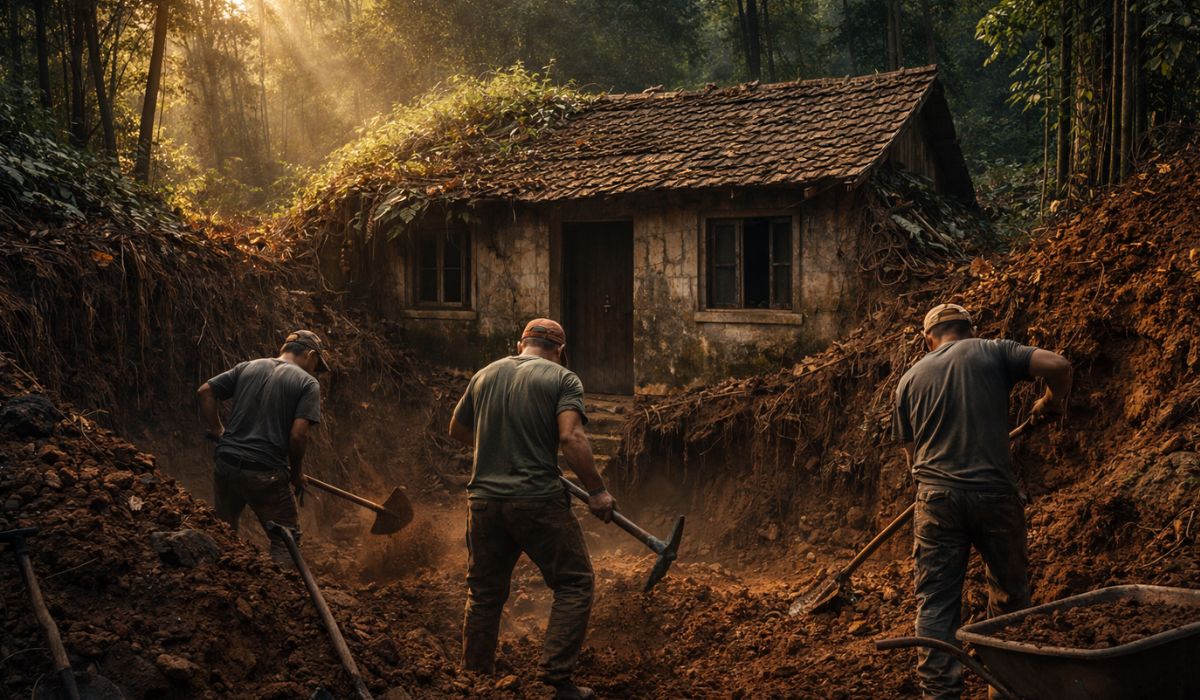
The Developed Method Has Significant Logistical and Economic Advantages. Manufacturing Can Occur Directly On-Site, Using Materials Available on the Property. This Eliminates Dependence on Complex Supply Chains and Reduces the Transportation of Heavy and Polluting Inputs.
According to Emeritus Professor Yi Min “Mike” Xie, the Technique Is Especially Useful in Remote or Rural Areas, Where the Transportation of Cement, Steel, or Concrete Becomes Expensive and Inefficient.
In These Cases, It Is Enough to Bring Cardboard Tubes to the Construction Site, Since the Other Materials Can Be Collected from the Immediate Environment.
This Approach Is Particularly Promising in Areas with Clay Soils, Like the Australian Interior. In These Locations, “Compressed Earth with Cardboard” Can Be Used in Houses, Schools, and Emergency Shelters.
Additionally, Its High Thermal Inertia Helps Maintain Stable Internal Temperature, Reducing the Need for Air Conditioning and Decreasing Energy Consumption.
Versatility and Application Potential
Another Differentiating Factor Is the Structural Versatility of the Material. Mechanical Strength Can Be Adjusted According to the Thickness of the Cardboard Used. The RMIT Engineers Developed Methods to Predict and Calculate This Strength, Allowing the Technique to Be Tailored to Different Architectural Needs.
In Parallel Studies, the Team Also Tested the Use of Carbon Fibers as Reinforcement, Achieving Strength Similar to High-Performance Concrete. Although This Version Still Needs to Be Evaluated from an Environmental Perspective, It Demonstrates the Material’s Potential for Evolution.
Pathways to a More Sustainable Future
The Introduction of This Technology Represents More Than a Technical Advancement: It Is a Practical and Environmentally Responsible Solution to Urgent Global Problems, Such as Waste Generation, Greenhouse Gas Emissions, and Access to Decent Housing.
Among the Application Possibilities Are Social Housing Programs in Vulnerable Areas, Community Training for Construction with Local Resources, and More Flexible Urban Regulations That Encourage Alternative Materials.
The Modular and Adaptable Design of This Technique Favors Participatory Architecture and Self-Building, While Its Thermal Efficiency Can Be Combined with Renewable Energy Systems for Even More Sustainable Constructions.
The Most Important Thing Is That the Solution Does Not Depend on Expensive Technologies or Imported Materials. It Is Within Reach of Communities Seeking to Build in an Ecological and Lasting Way.
By Combining Ancestral Techniques with Modern Innovation, “Compressed Earth with Cardboard” Is Emerging as a Promising Bridge Between the Past and a Future of Sustainable, Efficient, and Inclusive Construction.





-

Uma pessoa reagiu a isso.