





 English
  Francês
  Alemão
  Italiano
  Japonês
  Norueguês
  Portuguese
  Spanish
 3 min of reading


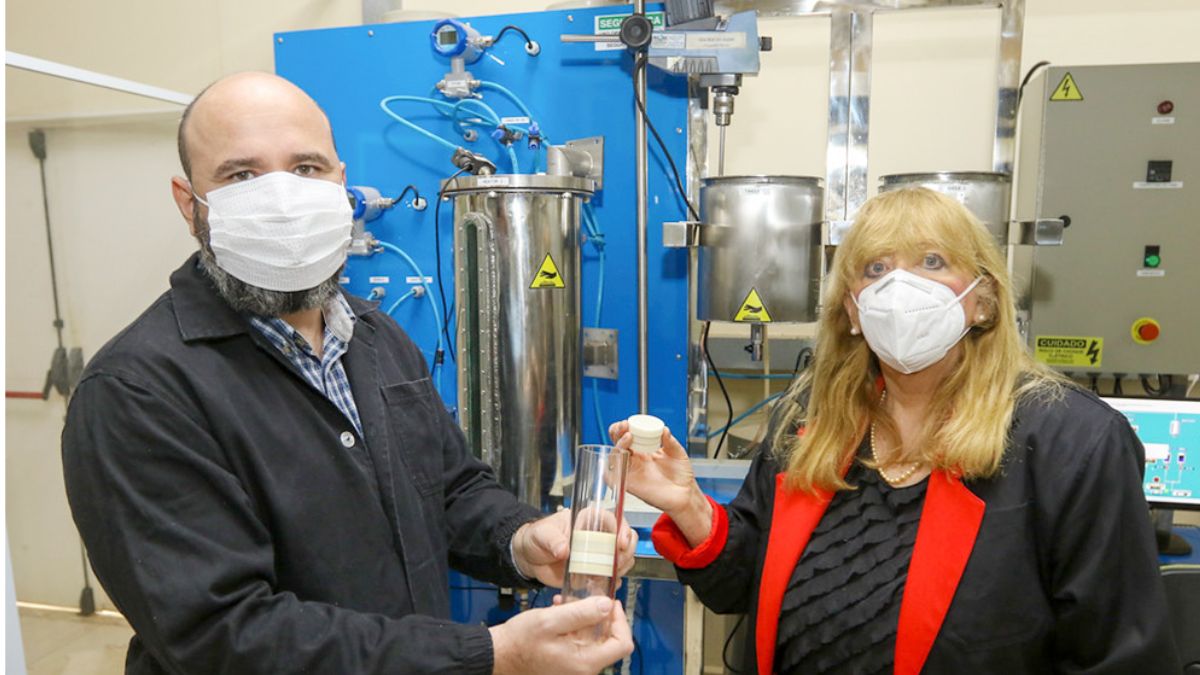
New Device Created at the University of Campinas (Unicamp) Will Solve the Problem of Fuel Contamination, Especially Diesel and Biodiesel
One of the major problems with fuels, in addition to the high price, is contamination by water or other agents, especially with diesel and biodiesel. With this in mind, scientists from the School of Chemical Engineering (FEQ) at the University of Campinas (Unicamp) developed a device that removes water and leaves diesel almost completely pure again, using a hydrogel. This invention could revolutionize the quality of fuels at gas stations, refineries, and oil distributors.
The presence of water in fuels encourages the growth of microorganisms that make the liquid cloudy and can help cause corrosion, compromising the lifespan of engines powered by them. Often, the contamination of biodiesel or diesel by water can result from the burning process during oil refining or during the use of equipment. Learn more about the scientists’ invention.
Find Out What Problems Diesel Contamination Can Cause in the Video Below
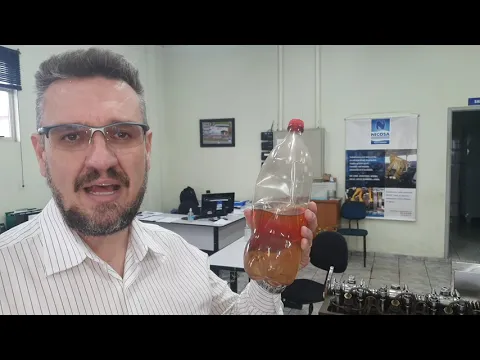

Device is Made by 3D Printer and Uses a Hydrogel in Its Composition
The device created by the researchers at Unicamp is superabsorbent and printed using a 3D printer with an innovative hydrogel incorporated. Thus, the equipment is placed in vehicle tanks and prevents water from mixing or settling. Additionally, the device can be installed in large transport tanks and in refineries, gas stations, and oil distributors.
-
Expansion of Federal Institutes: 38 new campuses and R$ 200 million for public education; see the cities included.

-
A study reveals the expansion of renewable energy procurement in Brazil and shows how companies are taking advantage of opportunities to reduce expenses, ensure energy efficiency, and strengthen strategic environmental commitments.

-
Lula’s government changes rule in important benefit and thousands of Brazilians will no longer receive it; see what has changed.

-
Brazil accelerates decarbonization in the South: International forum in Foz do Iguaçu gathers leaders to discuss the advancement of biomethane in the energy matrix and the potential of “caipira pre-salt.”

This was made possible thanks to the innovative hydrogel that has a high affinity for binding with water and is similar to that used in diapers and feminine hygiene products. However, in the improved version, the acrylamide-based synthetic polymer has enhanced its capacity.
The hydrogel and its characteristics are what allowed effective results in the removal of water, as they can bind to the compound and do not contaminate the fuels, requiring little energy consumption. Furthermore, the 3D device can be reused, requiring only the regeneration of the hydrogel with each new cycle.
National Creation Resulted in Patent Deposit and Historic Registration of Device Capable of Removing Water from Diesel
The development of this unprecedented equipment comes from a 10-year research project with extensive testing to remove water from diesel and biodiesel. In the initial tests, the hydrogel was able to remove solubilized (dissolved), emulsified (mixed), and free (separated) water. Among these mixtures, solubilized water is the most difficult to remove. However, the team was able to meet the quality levels required in Brazil by regulatory agencies.
This new device has many positive characteristics, and one of the main ones is that the hydrogel polymers can maintain stability without clogging the spaces they occupy. This is a significant challenge in Chemical Engineering, as they have dilation capacity and limits of mechanical resistance. Thus, the removal of water from diesel or fuels has become extremely effective.
With promising results, the research team submitted a patent application, which will register an unprecedented invention in the world. The registration is made with INPI (National Institute of Industrial Property). To learn more about the innovative creation, click here.
The researchers are optimistic about the use and applications of this creation in society, as it will help prevent fraud, improve the quality of fuels sold at gas stations, refineries, and distributors, and extend the lifespan of engines. Now, the researchers are seeking agencies that would like to form partnerships to enable large-scale production for application in the industrial sector.







Seja o primeiro a reagir!