





 Português
  Inglês
  Espanhol
  2 min de leitura


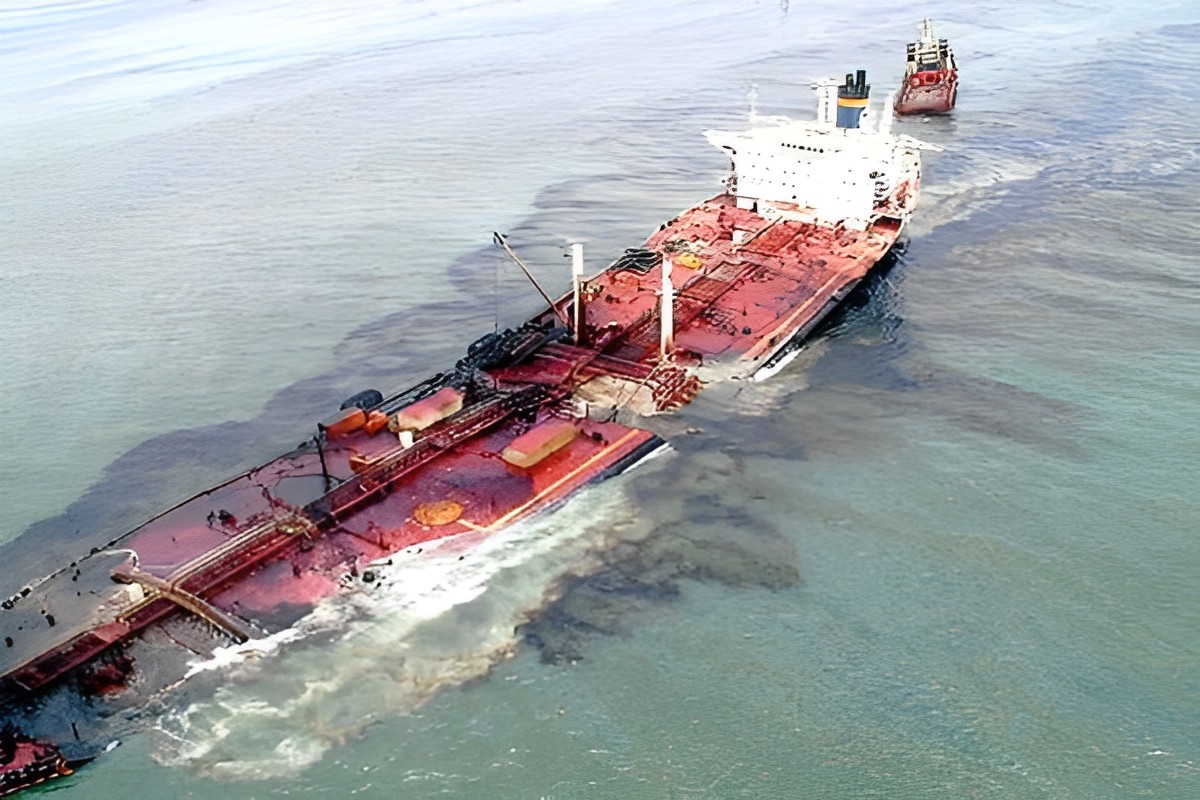
Oil-Consuming Bacteria May Save Marine Life and Ecosystems, and Scientists Recently Shared Significant Advances on the Existence of These Microorganisms.
In a study published in Marine Biology Journal, researchers from DVFU describe how they identified bacteria capable of degrading oil in the cold waters of the Sea of Japan. These findings pave the way for the creation of a bioproduct based on these bacteria to assist in the cleanup of oil spills.
Oil-Consuming Bacteria and Their Benefits
Oil-consuming bacteria have a significant natural advantage compared to other cleanup strategies, such as adding chemical dispersants to oil. These microorganisms can completely break down oil into non-toxic compounds, such as water and carbon dioxide.
More specifically, hydrocarbon-oxidizing bacteria, such as those studied by Russian scientists, use hydrocarbon molecules as a source of energy and carbon to grow and reproduce. When oil is spilled, this is a potential food source for these bacteria. Over time, these microorganisms can degrade and eliminate a large portion of the oil from the ocean.
-
Offshore industrial demand in Macaé skyrockets with the recovery of oil and gas and could grow by up to 396% by 2026 in the Campos Basin.

-
Offshore industrial demand in Macaé surges with the recovery of oil and gas and could grow by up to 396% by 2026 in the Campos Basin.

-
Brazilian giant expands borders in the Southeast: Petrobras confirms new oil discovery in ultra-deep waters in the pre-salt of the Campos Basin.
-
Alert in the global energy market: Severe tropical cyclone hits the coast and disrupts gas production at major plants in Australia, threatening global supply.


The Importance of the Discovery of Bacteria in the Sea of Japan
The geographical location of the oil-consuming bacteria discovered by Russian scientists is significant. The Sea of Japan is known for having large quantities of oil due to drilling and transportation activities in the region. The Sea of Japan is also affected by an especially cold climate, which makes it difficult for many microorganisms to survive. The bacteria that the scientists found are cold-resistant and function at much lower temperatures than other hydrocarbon-oxidizing bacteria.
With the genome of these oil-consuming bacteria decoded, Russian researchers believe they can develop effective solutions to better monitor hydrocarbon pollution in the waters of the Sea of Japan and other locations around the world.
Future Potential of a Biological Solution for Cleaning Oil Spills
Currently, environmental cleanup methods following oil spills generally involve the use of chemicals that can cause further damage to the ecosystem. Furthermore, chemical solutions require large amounts of money, effort, and equipment to implement. The production of a biological solution offers a much safer and more sustainable option for cleaning up oil spills.
The production of a bioproduct based on the oil-consuming bacteria identified by these Russian scientists offers a potentially viable biological solution. This is particularly appealing as it provides a more cost-effective alternative to using chemical methods.










Seja o primeiro a reagir!