





 Portuguese
  English
  Spanish
  2 min of reading
  5 comments


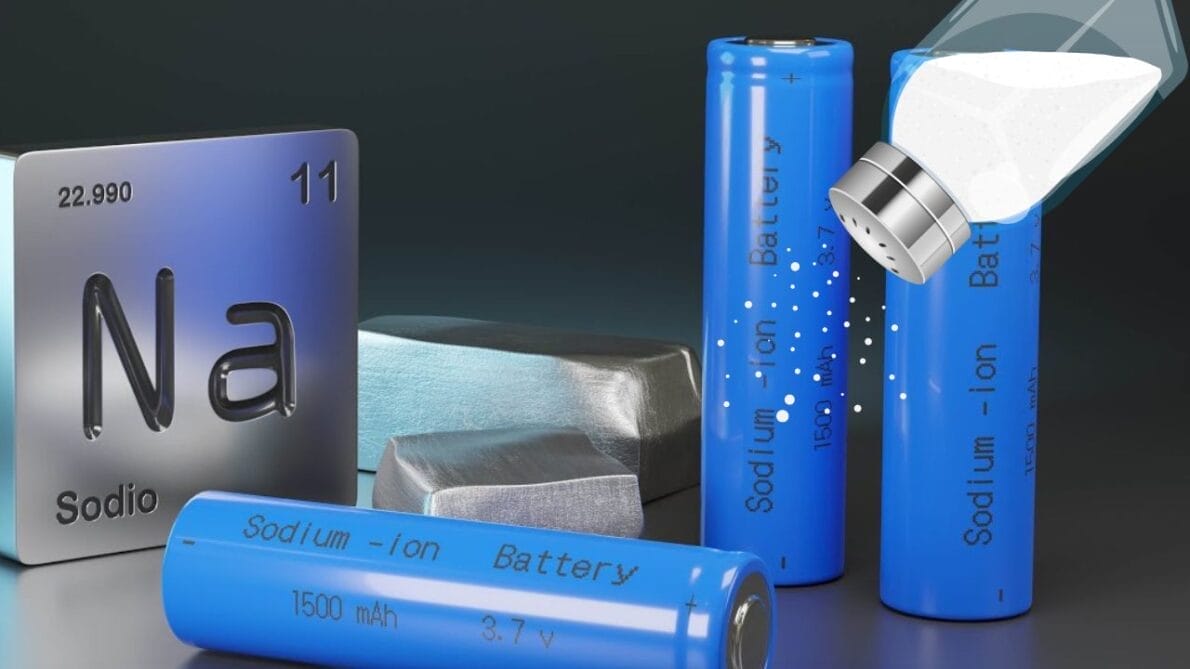

Solar Energy Is Becoming Increasingly Popular, But Still Faces Challenges, Such as the Need for Efficient and Safe Batteries. Researchers Have Recently Discovered That Table Salt May Be the Key to Solving These Problems. Let’s Understand How This Is Possible.
Until recently, lithium-ion batteries were seen as the perfect solution for storing energy in electric cars and solar energy systems. They are efficient, have a high energy density, and a long lifespan. However, they are expensive and carry safety risks, such as explosions and fires.
Lithium batteries, despite being popular, have some serious problems. There have been reports of smartphones, laptops, and electric cars catching fire due to battery failures. A famous example was the recall of the Samsung Galaxy Note 7, which exploded due to battery issues.
These Incidents Highlighted the Need to Find Safer and Cheaper Alternatives to Lithium Batteries. And This Is Where Table Salt, or Sodium Chloride, Comes Into Play
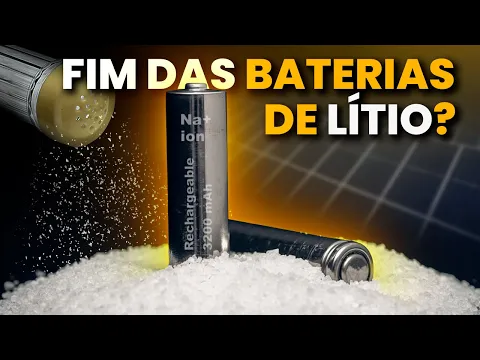

Table salt is composed of sodium, an abundant and inexpensive chemical element. Sodium has physical and chemical properties similar to lithium, but is much easier to extract and process. Additionally, the extraction of sodium is less harmful to the environment, just like solar energy.
-
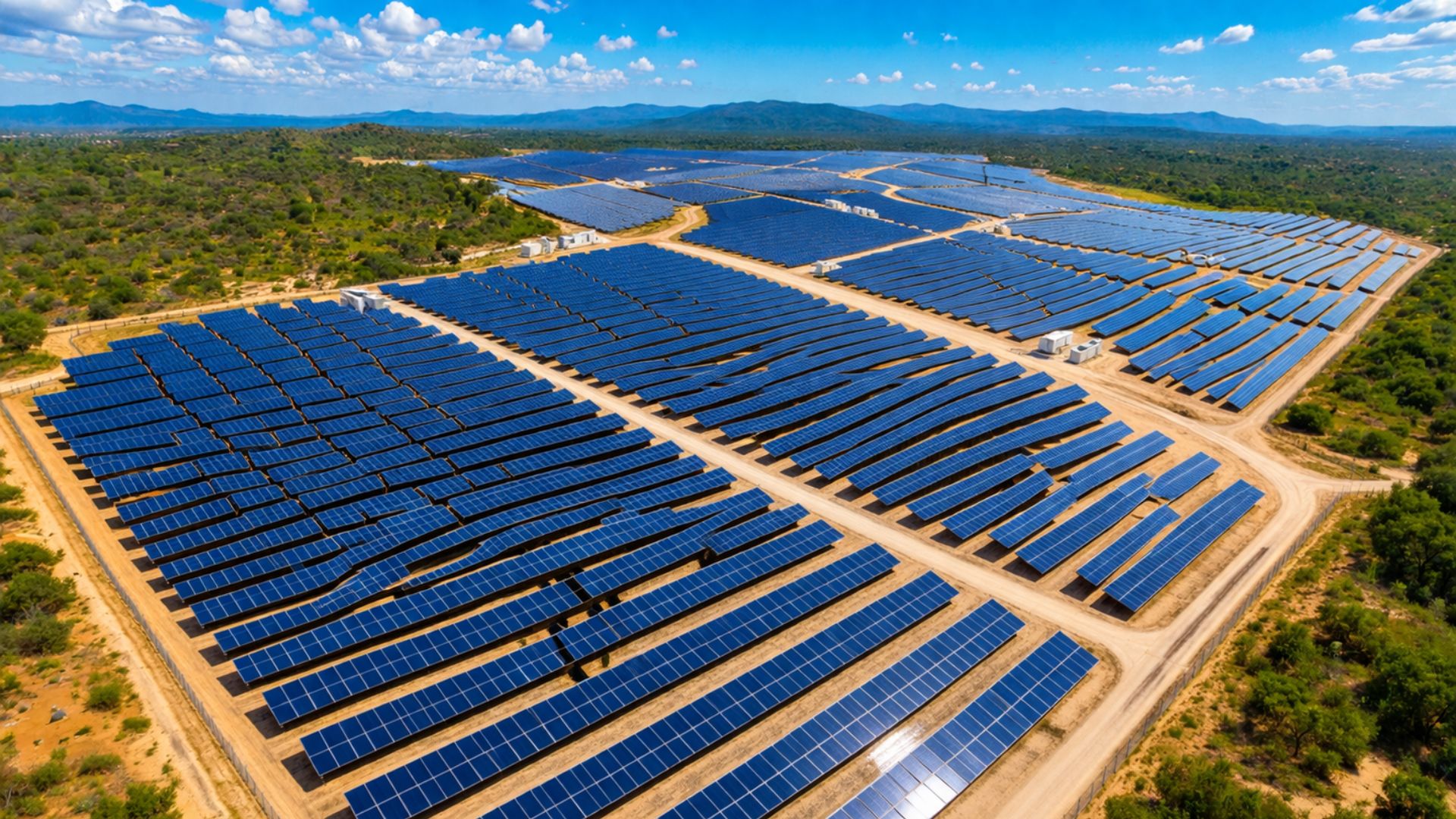
The Sol do Agreste Photovoltaic Complex begins operations in Pernambuco and accelerates the expansion of solar energy in Brazil, directly impacting the reduction of emissions and strengthening the sustainable energy matrix.
-
Renewable energy advances over protected areas in Brazil, and a survey by the Energy Transition Observatory reveals silent impacts that challenge environmental conservation and pressure sensitive traditional territories.

-
Rio Grande do Sul accelerates energy transition: State invests in renewable technologies and consolidates decarbonization strategies and pathways to attract billions in new industrial investments.

-
With 160,000 m² of collectors, an area larger than 20 football fields, Silkeborg, in Denmark, hosts a solar thermal plant that heats 19,500 homes and could become the largest solar heating plant in the world.


Sodium batteries are safer because they are less prone to explosions and fires. They also maintain a high energy storage capacity even in extreme temperatures. While lithium batteries can lose efficiency in cold climates, sodium batteries retain up to 90% of their capacity at temperatures of -20°C.
The Chinese Company BYD Announced That It Will Start Producing Electric Cars With Sodium Batteries in 2024
These BYD batteries are 50% cheaper than lithium ones and could revolutionize the electric vehicle market, making them more affordable. Sodium batteries can be used to store energy generated from renewable sources, such as solar and wind. This could solve the issue of intermittency of these energy sources, ensuring a constant supply even when the sun isn’t shining or the wind isn’t blowing.
The use of table salt as a material for batteries could transform the solar energy and electric vehicle industries. With lower costs and greater safety, sodium batteries have the potential to replace lithium batteries and make green technologies more accessible to everyone. Are we on the brink of an energy revolution with table salt? All indications say yes!










Qual o tipo de líquido (água)deve ser utilizado junto com o s**** na bateria de s**** ?
É possível montar uma bateria de s**** sem o elemento de chumbo dentro dela ?
Quais seriam os itens a acrescentar ao sal para por nas baterias com s**** ?