





 Portuguese
  English
  Spanish
  3 min of reading
  0 comments


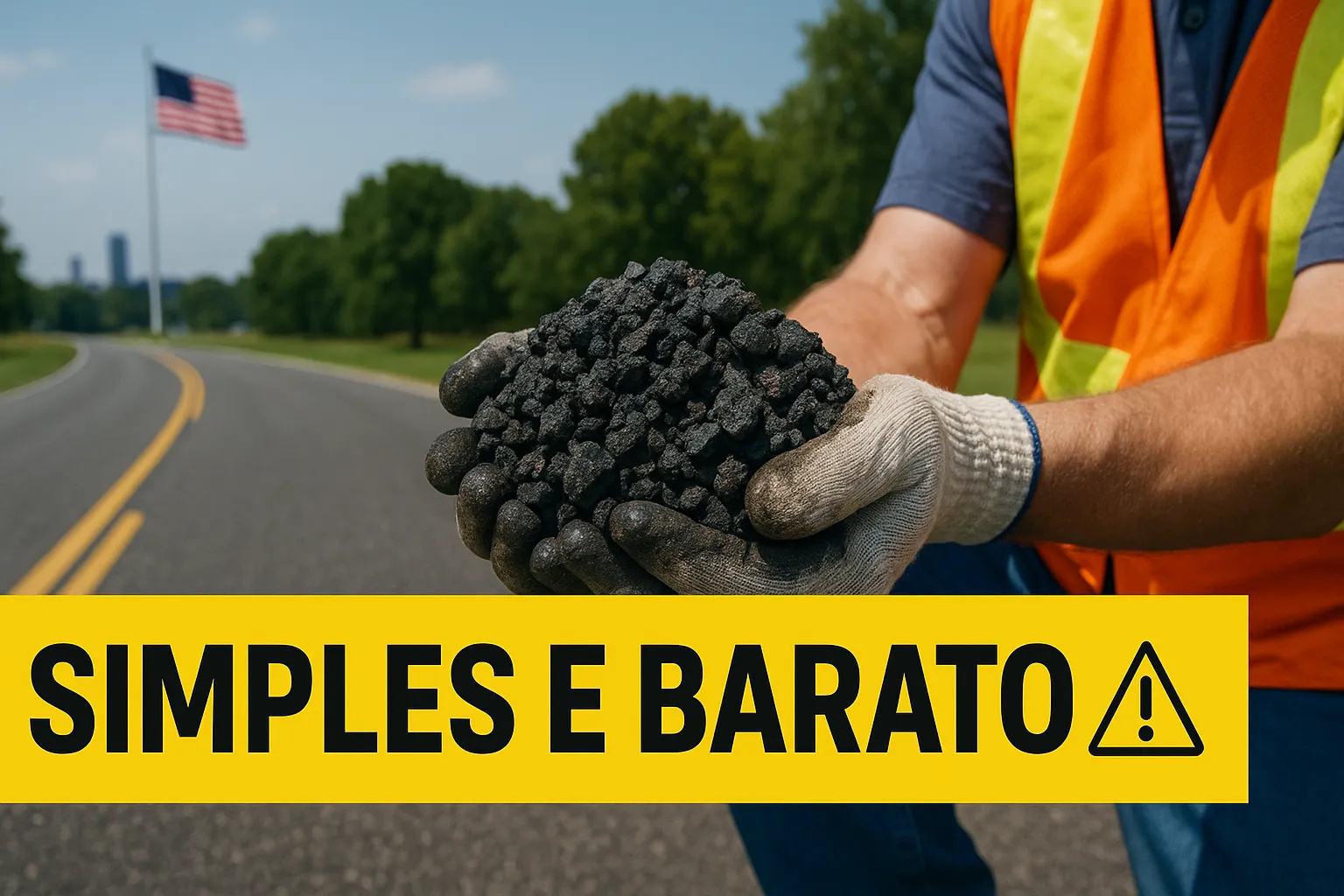
Research Tests Simple Adjustment in Asphalt Composition, Showing Significant Gains in Flexibility at Low Temperatures, Greater Resistance to Freezing and Thaw Cycles, and Potential Reduction in Public Spending on Recurring Repairs
The use of oils derived from microscopic algae in asphalt can increase the durability of roads in cold regions, reduce maintenance costs, and cut carbon emissions, according to a study that tested mechanical performance, moisture resistance, and behavior in freeze-thaw cycles.
The winter freeze-thaw cycle causes recurring damage to roads, resulting in cracks, ripples, and potholes that compromise road safety and strain municipal budgets, especially in areas where temperatures drop rapidly below zero.
Researchers point out that the solution may lie in oils extracted from microscopic algae, capable of replacing part of the petroleum-based binder used in asphalt, making the pavement more flexible, durable, and with a lower environmental impact.
-
While the world looks at oil, the war with Iran is already disrupting helium supply from Qatar, affecting car and iPhone chips, threatening AI expansion, and putting pressure on aluminum packaging at the highest value in four years.

-
Global warming will expose a treasure hidden under the ice of Antarctica and may spark an international dispute over gold and valuable minerals.

-
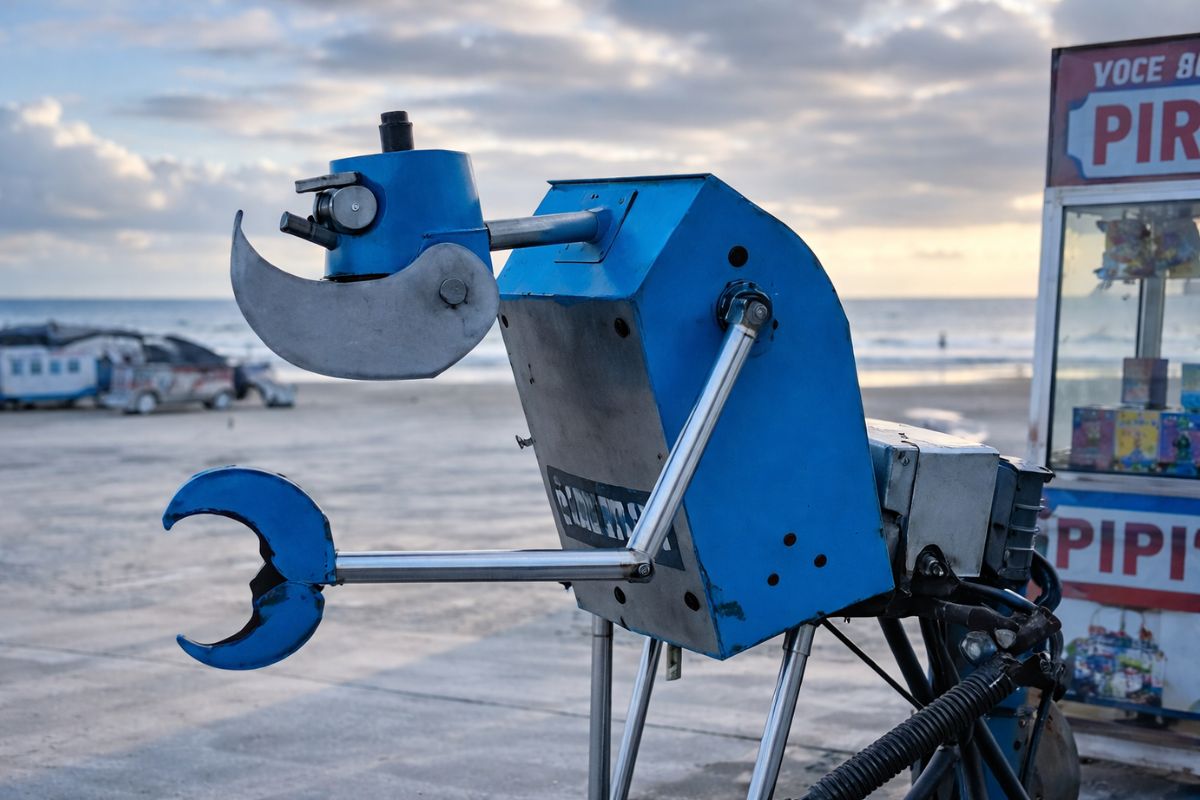
A street vendor from Praia Grande built a robot made of scrap from scooters and washing machines that pulls his popcorn cart on the beach, emits sounds, and interacts with customers, becoming an attraction on the coast of São Paulo.
-
The specifications of the Xiaomi 18 Pro Max have been leaked, and the highlight is a dual 200 MP camera with a new 22-nanometer technology that promises to consume less energy and capture details in shadows and bright areas using LOFIC HDR.


Conventional asphalt relies on bitumen, derived from crude oil, to bind sand and rocks. Although it allows for thermal expansion and contraction, the material becomes brittle at very low temperatures, leading to cracks that widen with intense traffic and moisture.
Why Asphalt Fails in Cold Climates and How Algae Work
To address this fragility, a team led by Elham Fini developed a sustainable binder with a rubber-like texture, produced from oil derived from microscopic algae, aiming to improve pavement performance at low temperatures.
Previous work has already indicated that oils derived from algae could behave similarly to bitumen, with mechanical advantages in cold environments, reducing excessive stiffness of asphalt during sharp temperature drops.
“Algae-derived compounds can improve moisture resistance, flexibility, and self-healing capability of asphalt, potentially extending the pavement’s lifespan and reducing maintenance costs,” says Elham Fini, the leader of the research.
According to Fini, “in the long run, algae asphalt could help create more sustainable, resilient, and environmentally responsible roads,” highlighting the structural and environmental potential of the new binder tested by the team.
Based on this evidence, researchers used computational modeling to analyze oils from four species of algae, assessing the capacity for mixing with asphalt solids and the performance under prolonged freezing conditions.
Laboratory Results and Projected Environmental Impact
One species showed superior performance. The oil from the freshwater green microalga Haematococcus pluvialis demonstrated greater resistance to permanent deformation under simulated traffic stress and better protection against damage caused by moisture.
In laboratory tests, samples of algae-enriched asphalt were subjected to repeated traffic loads and successive freeze-thaw cycles, replicating real cold climate conditions in a controlled manner.
The results indicated an improvement of up to 70% in deformation recovery compared to asphalt with conventional petroleum-derived binder, indicating greater structural return capacity after repeated mechanical strains.
In addition to the mechanical gain, researchers estimate that replacing just 1% of fossil binder with algae-derived material could reduce the net carbon emissions of asphalt by 4.5%.
With an approximate replacement of 22%, asphalt pavement could, theoretically, achieve carbon neutrality, without significant cost increases, according to the team responsible for developing the technology.
The study was funded by the U.S. Department of Energy, and the results were published in the scientific journal ACS Sustainable Chemistry & Engineering, consolidating the experimental data obtained in the laboratory.








-

-

-

4 pessoas reagiram a isso.