





 Portuguese
  English
  Spanish
  3 min of reading
  0 comments


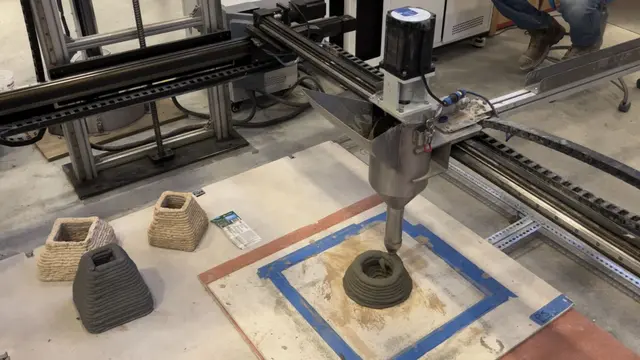
Researchers at The University of New Mexico have created a milestone in civil engineering: a foldable concrete designed for 3D printing.
The innovation, stemming from the Gerald May Department of Civil, Construction and Environmental Engineering, promises to revolutionize structures such as buildings and bridges, making them more resilient and less maintenance-dependent.
The patented material is an advanced alternative to conventional methods, which often require steel reinforcements and high operational costs. It opens doors to a future where construction is safer, more efficient, and automated.
-
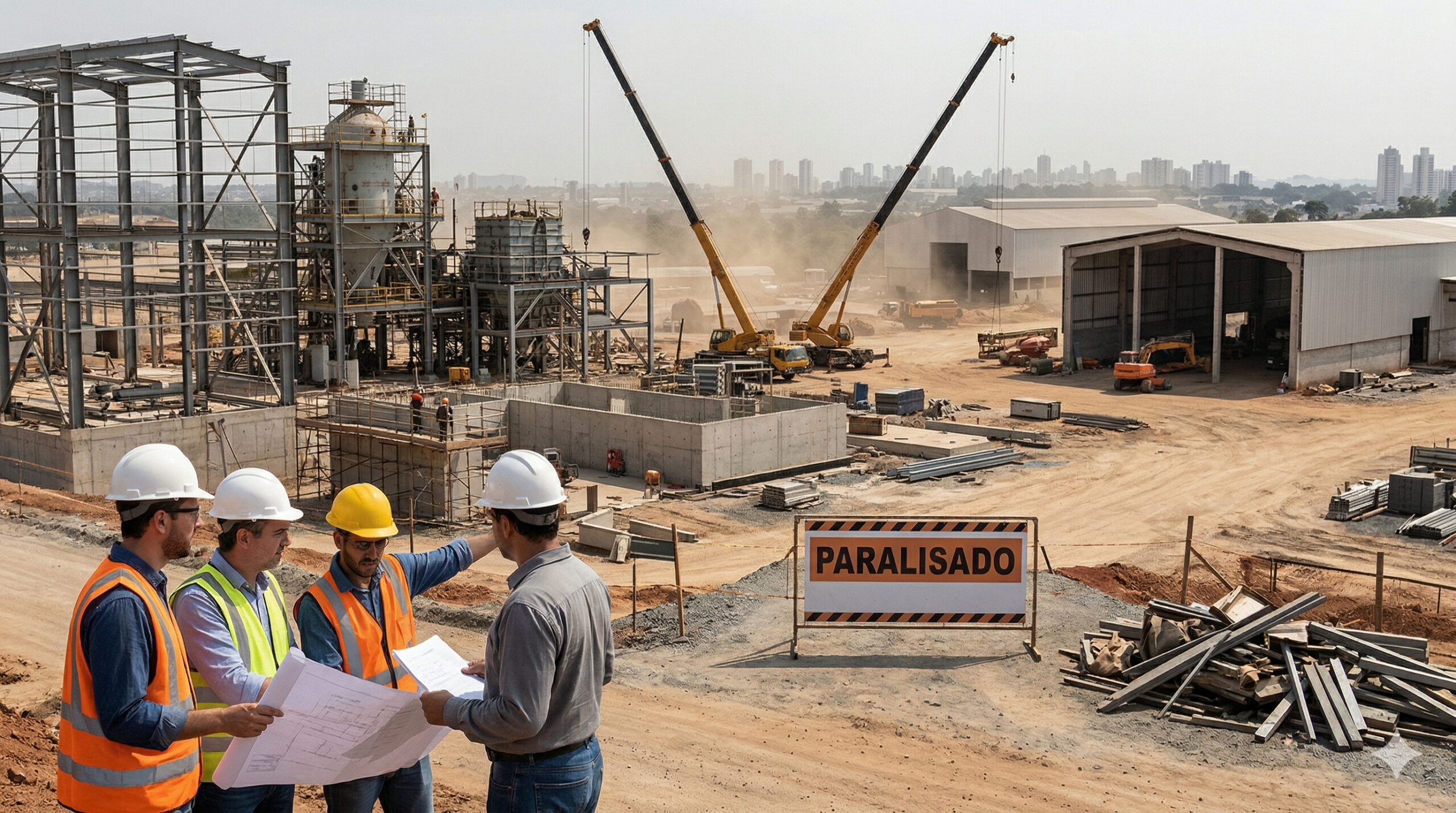
The lack of welders, electricians, and operators becomes a structural threat in 2025, with the construction industry and manufacturing already suffering from delays, cost pressures, and labor shortages in Brazil.
-
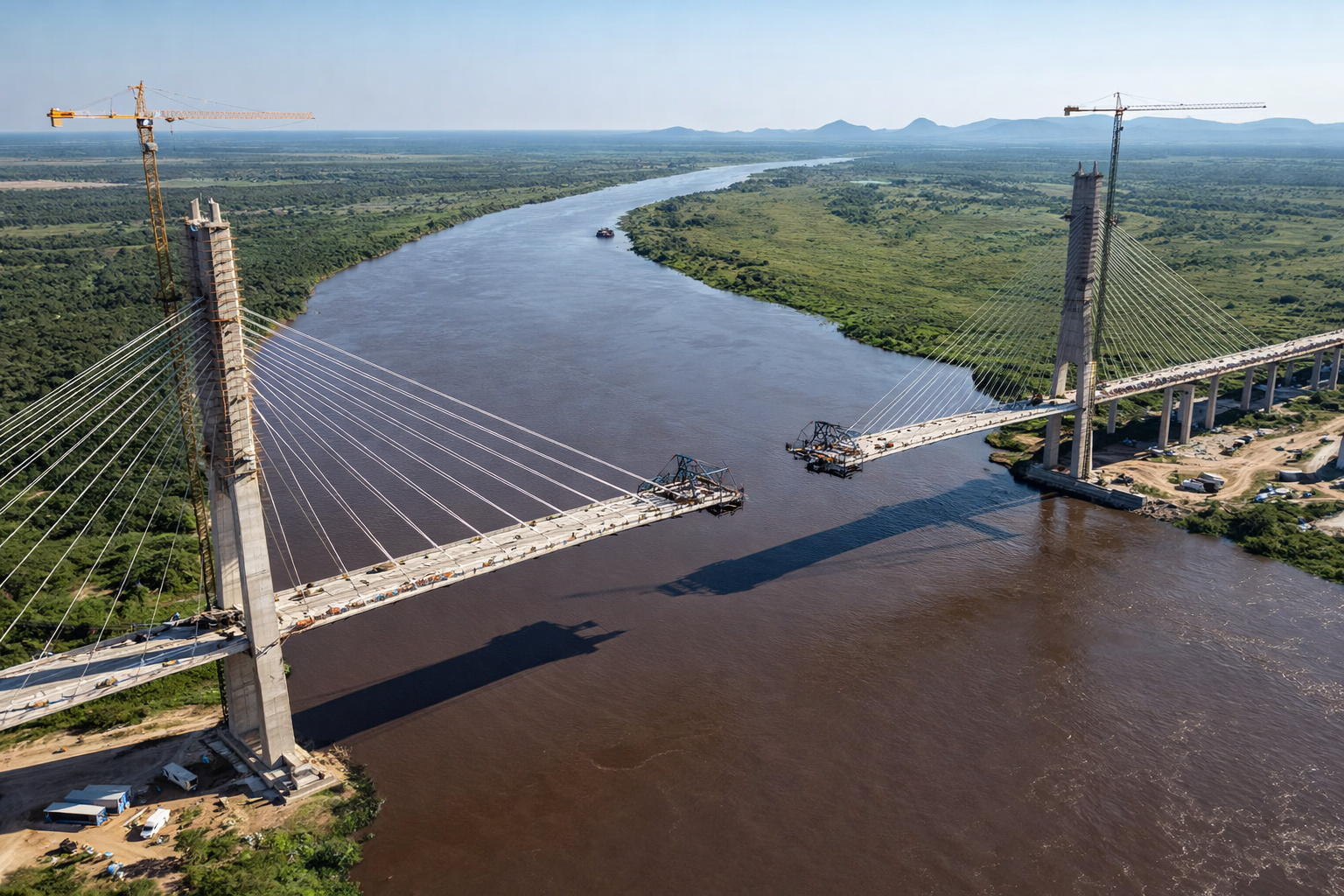
Brazil and Paraguay are just 46 meters away from a historic union on the bioceanic bridge that promises to revolutionize trade between the Atlantic and the Pacific.
-
With 55 km over the sea, a cost of US$ 20 billion, and enough steel to build 60 Eiffel Towers, China’s largest project has connected Hong Kong, Zhuhai, and Macau in a colossal bridge that defies the logic of engineering.

-
A trick with joint compound transforms a Styrofoam ceiling into a plaster-like ceiling: leveled panels, wires and mesh at the joints, sand, paint, and change the environment while spending little today.


Rethinking Traditional Construction
Traditional construction relies on heavy machinery and significant human effort to mold and position materials like steel or wood.
Although concrete is extremely resistant to compression, it is known for its fragility under tension, resulting in frequent cracking.
“If you try to separate a piece of concrete, it breaks easily. This is because the material does not exhibit tensile properties”, explained Maryam Hojati, assistant professor at UNM and leader of the research.
Earthquakes, high winds, and other natural forces exacerbate the problem, exposing the vulnerability of structures made from conventional concrete. Hojati adds: “Concrete works well for compression, but it is a weak material for handling tension”.
Although many advancements are being made globally, existing 3D printing techniques still rely on traditional reinforcements, such as rebar, limiting the full potential for automation.
The Science of Foldable Concrete
Ph.D. graduate Muhammad Saeed Zafar, one of the project’s researchers, developed a revolutionary mix composed of polymer fibers that enhance flexibility and tensile strength. “If we compare with metals or plastics, 3D printing in concrete is still under development. Our goal was to overcome the limitations of reinforcement”, said Zafar.
The composition includes materials such as polyvinyl alcohol, active silica, fly ash, and ultra-high molecular weight polyethylene fibers. These components ensure that the concrete is both strong and flexible.
“This material keeps the concrete together even when subjected to tensile or bending loads”, explained Hojati.
The new mix exhibited deformation up to 11.9% greater than conventional concrete, being ideal for 3D printing by maintaining viscosity and preventing clogging in printer nozzles.
The development required rigorous testing. Small structures, such as prisms and dog bone-shaped objects, were printed and evaluated for strength.
The main objective was to create a material that was not only printable but also structurally viable for large-scale use.
A Future Beyond Earth
The applications of this concrete extend beyond the terrestrial environment. NASA, for example, is evaluating 3D printing technologies for building habitats on other planets.
Transporting large quantities of materials to space is unfeasible, making UNM’s innovation a potential solution for space exploration.
On the terrestrial front, foldable concrete has the potential to transform the construction industry. In addition to greater resistance to natural disasters, it reduces costs and risks by promoting greater automation.
“This research is a milestone. It combines structural viability with 3D printing technology to deliver a highly innovative solution”, concluded Hojati.









Seja o primeiro a reagir!