





 Portuguese
  English
  Spanish
  3 min of reading


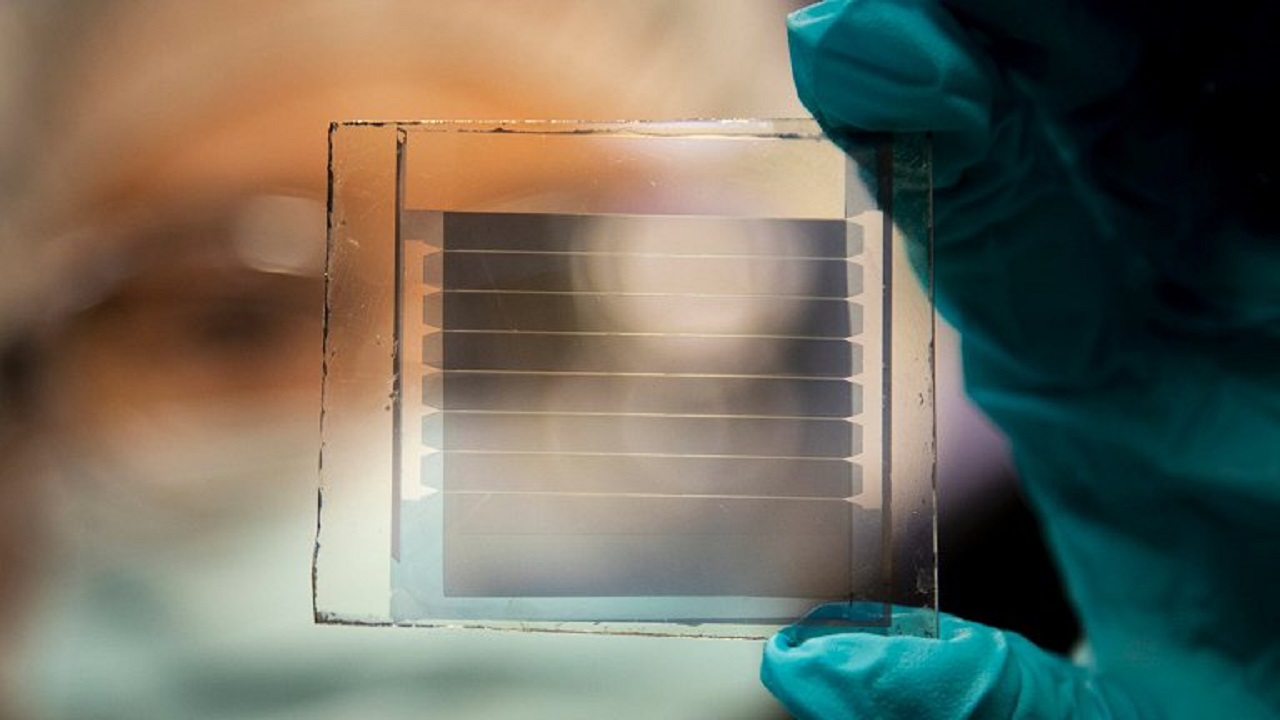
Solar Energy Technologies Keep Advancing And Now American Scientists Have Developed Transparent Solar Panels That Can Be Used In Several Projects.
The proliferation of solar energy panels is a sustainable and revolutionary alternative to energy generation; however, there are still some barriers to their use. Now, scientists from the University of Michigan in the USA have created a technology that can facilitate the use of solar energy. The researchers developed a process that can make the creation of transparent solar panels capable of efficiently generating energy from sunlight feasible.
Glass And Transparent Solar Panels Have Efficiency Revealed By Scientists
The technology will enable the use of new surfaces for energy generation, which currently relies on silicone-based solar panels that are completely opaque. These types of solar energy panels work perfectly well in a solar farm context, but their utilization in urban spaces is difficult and they could never be used as windows.
The scientists have developed a new category of transparent organic solar panels with an energy-absorbing capability using a type of plastic, measuring up to 2m x 2m, in addition to creating processes that make it possible to scale their production to become commercially viable.
-
Renewable energy advances over protected areas in Brazil, and a survey by the Energy Transition Observatory reveals silent impacts that challenge environmental conservation and pressure sensitive traditional territories.

-
Rio Grande do Sul accelerates energy transition: State invests in renewable technologies and consolidates decarbonization strategies and pathways to attract billions in new industrial investments.

-
With 160,000 m² of collectors, an area larger than 20 football fields, Silkeborg, in Denmark, hosts a solar thermal plant that heats 19,500 homes and could become the largest solar heating plant in the world.

-
A study reveals the expansion of renewable energy procurement in Brazil and shows how companies are taking advantage of opportunities to reduce expenses, ensure energy efficiency, and strengthen strategic environmental commitments.

Historically, transparent solar panels with this technology have significant limitations in efficiency and durability, hindering their installation. Recently, however, the scientists managed to expand the efficiency in the lab to an unprecedented level of 10% and raise the expected lifespan to 30 years.
The team from University of Michigan was then tasked with developing means to enable the use of transparent solar panels at scale. To achieve this, the scientists had to rethink the production process deeply.
Challenges In Producing Glass Solar Panels
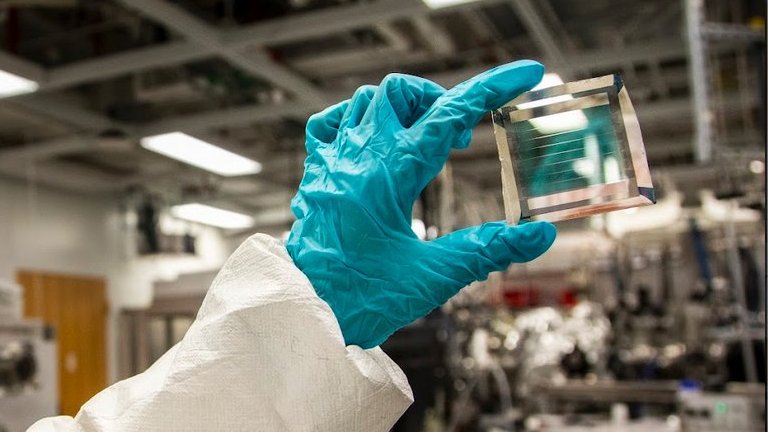
The production of this type of solar energy technology has a significant challenge, which is the micrometer electrical connections between the cells. The use of lasers to engrave the patterns can cause damage to the energy-absorbing materials, which are essential for the functioning of solar energy panels.
Instead of lasers, the scientists developed a layered model capable of solving this challenge and still achieving the desired micron-scale resolution.
To achieve this, very thin plastic films were deposited, with ultra-thin strips. The next step was to apply the organic and metallic layers so that, finally, the strips could be removed, developing the electrical interconnections between the cells.
Transparent Solar Panels Can Deliver Even Greater Efficiency
The results of the scientists’ research were positive: it became possible to connect eight cells, each measuring 4 cm by 0.4 cm, separated by connections of 200 micrometers in thickness, generating a module of 13 cm².
Additionally, the researchers managed to achieve an energy conversion efficiency of 7.3%, which remains consistent despite being at a meter scale, with 50% transparency and a greenish tint that would make its use suitable in commercial buildings.
The researchers also assert that greater transparency, which would be necessary for application in regular homes, is feasible using the same process. The expectation is that transparent solar panels will be applied between two layers of glass when they are commercially available.
However, there are still some challenges to overcome to reach a level of commercialization. Nevertheless, the researchers hope to achieve greater efficiency, which could be in the range of 10% to 15%, which is possible to accomplish in the next two years with advancements in technology.









Seja o primeiro a reagir!