





 Portuguese
  English
  Spanish
  3 min of reading


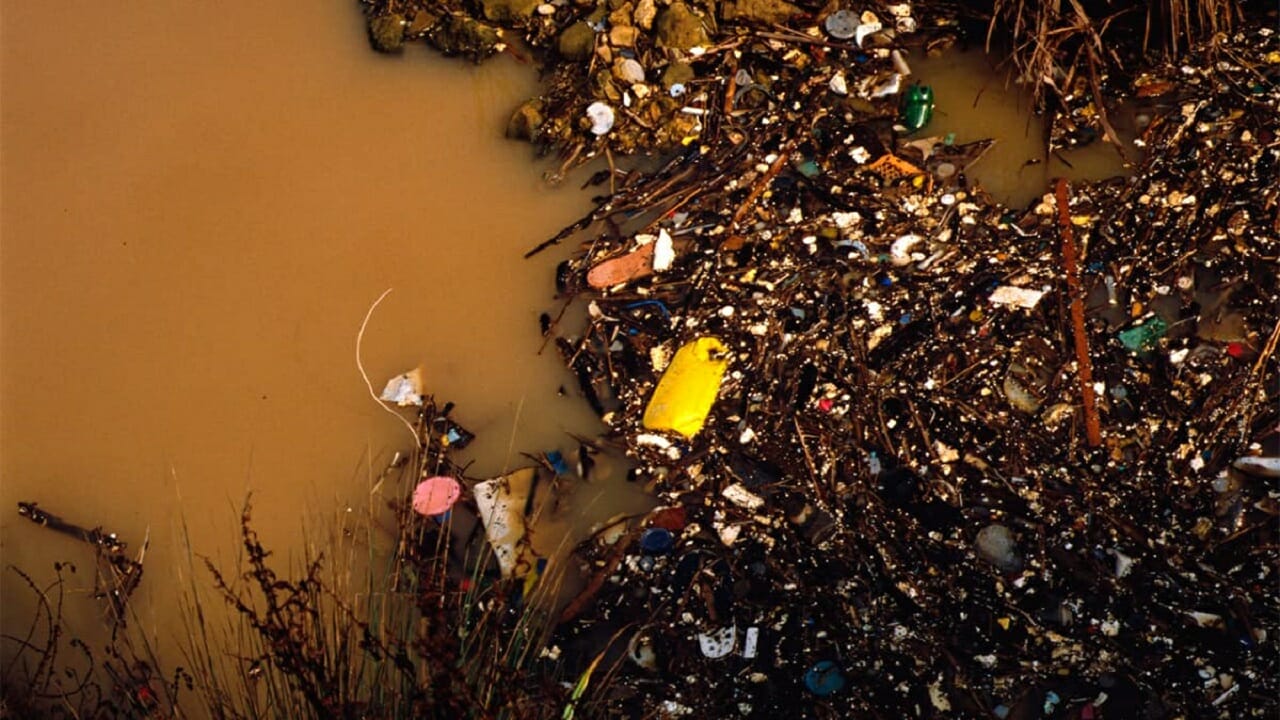
Scientists Develop New Method Capable of Ending Water Pollution Using Only a 3D Material with Genetically Modified Bacteria.
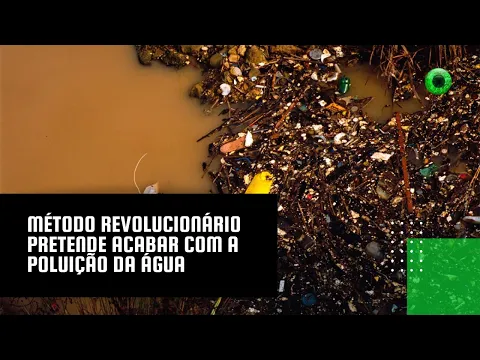
It is not very difficult to link cyanobacteria to water pollution, as they are associated with the proliferation of cyanobacterial blooms, which, in turn, block the entry of oxygen into lakes and rivers and can cause the death of animals. However, scientists at the University of California have found a way to use these bacteria to benefit humans and against themselves to end water pollution.
3D Material Can End Water Pollution
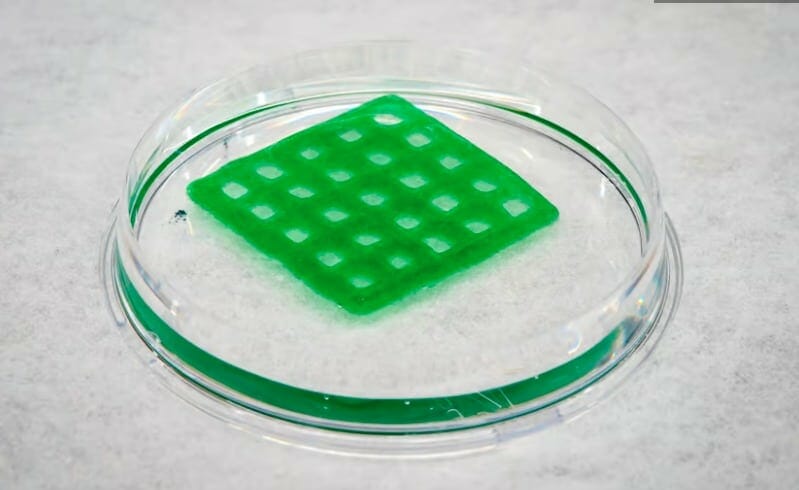
The scientists developed a 3D-printed material to incorporate these microbes that can be used to purify polluted water. At the end of the process, the cyanobacteria will kill themselves.
This material is composed of a natural polymer derived from algae called alginate. According to data from the University of California in San Diego, for it to work, the equipment that can end water pollution is combined with live cyanobacteria Synechococcus elongatus.
-
The habit of drinking hot water in the morning is going viral on social media: experts explain how this ancient practice can influence digestion and well-being.
-
Brazil is also investing in plants for space and turning the lunar race into a real solution for producing food that grows in increasingly extreme climates.
-
Without aerospace training, a student designed a VTOL drone on his own in just 90 days, featuring a 3D-printed structure and a range of up to 3 hours, capable of covering about 130 miles and demonstrating how far independent engineering can go outside of traditional industry.

-
Comet C/2025 R3 (PanSTARRS) is starting to shine brighter each night and may become visible to the naked eye in April; this rare phenomenon promises to transform the sky into one of the biggest astronomical spectacles of the year.

However, the bacteria used by the scientists were genetically modified to produce an enzyme called lactase, which can break down polluting substances present in water, such as pharmaceuticals, antibiotics, and dyes.
To make this possible, the material is 3D printed in a waffle-like shape, with proportions suitable for surface area and volume to hold the cyanobacteria close to the surface, where they can access oxygen, sunlight, and nutrients that help them thrive, in addition to the pollutants present in the water.
When tested, the new equipment that can end water pollution with cyanobacteria neutralized carmine indigo present in the water, a toxic dye used in jean production that ends up in rivers and lakes.
Understand How Cyanobacteria Were Modified by Scientists

As cyanobacteria are artificially modified, it would not be conducive for the environment to keep them in the water after the pollution cleanup work is done, as this could create an imbalance in the fauna and flora of the ecosystem. Thus, in the genetic modification process, the scientists included a protein that destroys their unicellular bodies when they are exposed to a natural chemical substance called theophylline.
However, this substance is not naturally present in rivers and lakes, meaning that before implementing the material, the scientists must find a way to ensure that the bacteria self-destruct using natural stimuli from that environment.
Water Pollution Will Cause a Supply Crisis
A study published in the scientific journal Nature shows that water pollution will cause a supply crisis by the end of the 21st century.
According to projections made by Dutch scientists, an average of 5.5 billion people may be exposed to polluted water by 2100. According to the research, in the worst-case scenario, parts of South America, sub-Saharan Africa, and Southeast Asia will be exposed to polluted waters. Furthermore, the study states that the problem is a ticking time bomb on a global scale.
The primary reason for concern about the future of the planet’s water is linked to its importance for terrestrial life. This is because it has various functions for health, such as transporting nutrients, excreting toxic substances, digestion, nutrient absorption, and reactions for good physiological state, among others.
According to Marcelo Obraczka, an expert in Sanitary Engineering and a professor at the State University of Rio de Janeiro (UERJ), good water quality reduces some diseases, known as waterborne diseases and other types as well. Another factor is that infant mortality rates always show a significant drop once drinking water is provided to the population.







Seja o primeiro a reagir!