





 Português
  Inglês
  Espanhol
  3 min de leitura


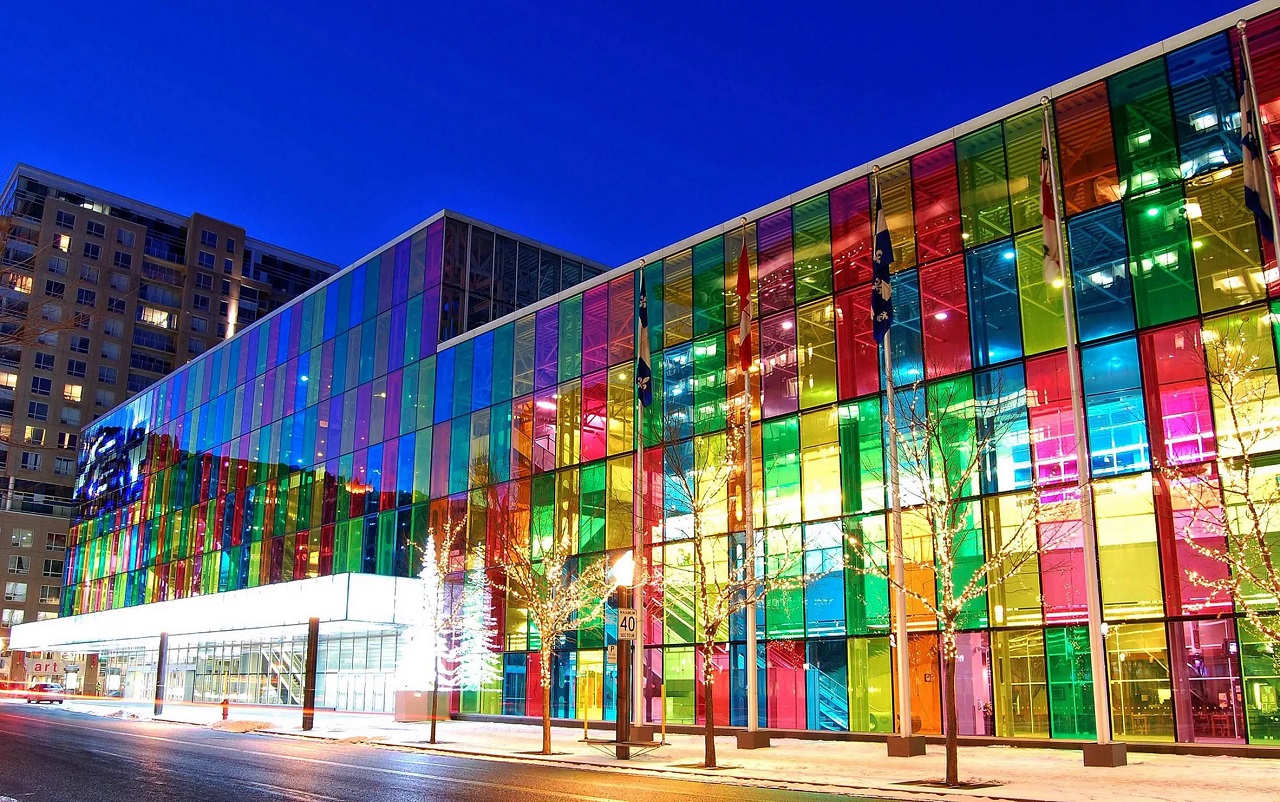
Scientists In The U.S. Are Working On Colored Solar Panels That Can Generate Electricity More Efficiently Compared To Conventional Solar Panels.
Researchers from the American Chemical Society (ACS), located in the United States, are responsible for developing colored solar panels that can produce electricity as effectively as common solar panels, which are usually produced in black.
Colored Solar Panels Can Be Used on Building Facades
According to scientists, photonic glasses give solar panels more pleasant hues, making it possible for them to be used not only on rooftops or in renewable energy farms but also on the facades of commercial and residential buildings. According to co-author of the study, materials engineer Tao Ma, solar panels are typically produced in a deep black tone because their purpose is to absorb light.
To ensure that this absorption process is not impacted, the best alternative is to use structural sources of color that employ microscopic shapes to reflect only a very selective and narrow amount of light, similar to the scales of butterfly wings.
-
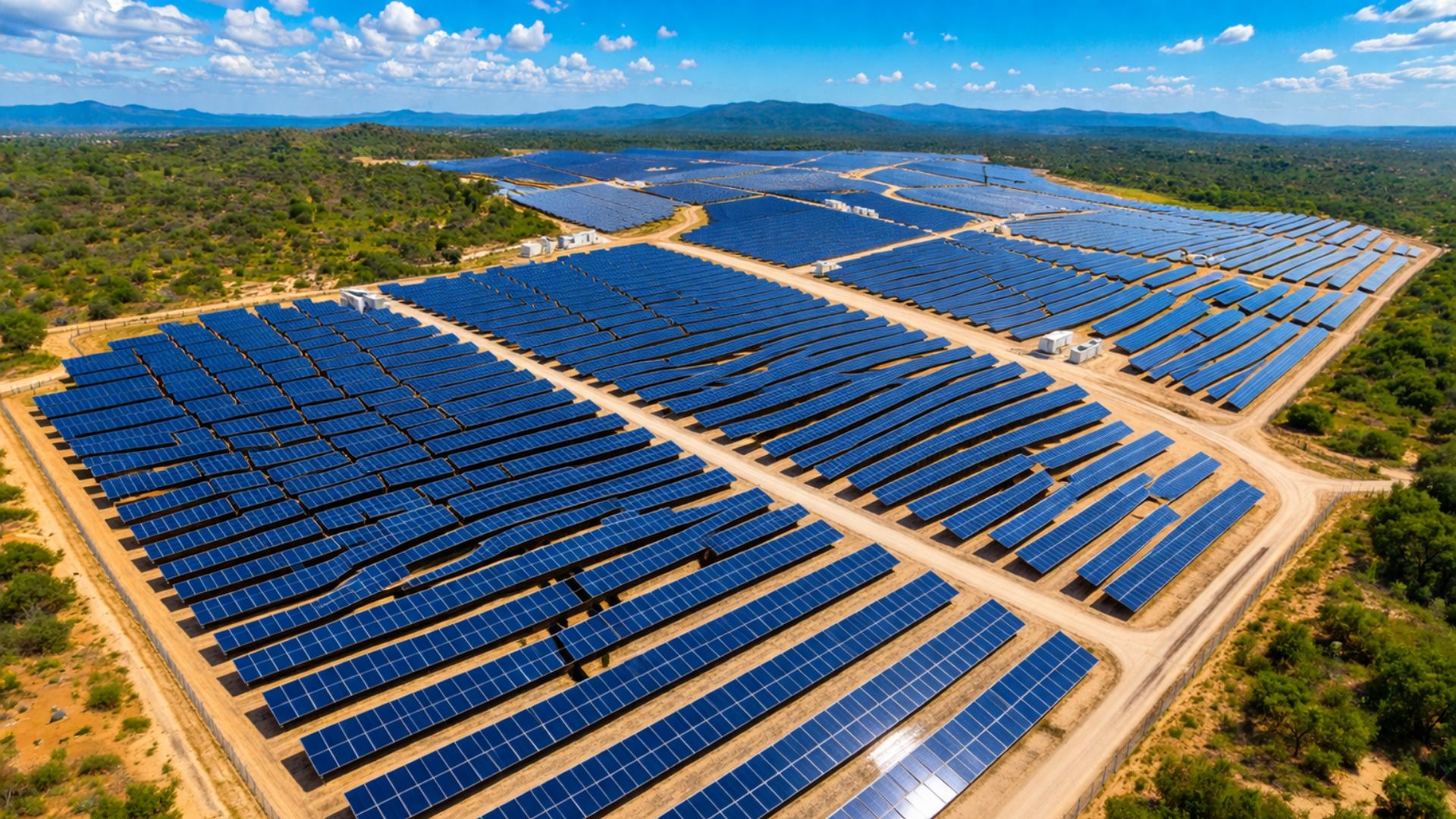
The Sol do Agreste Photovoltaic Complex begins operations in Pernambuco and accelerates the expansion of solar energy in Brazil, directly impacting the reduction of emissions and strengthening the sustainable energy matrix.
-
The Sol do Agreste Photovoltaic Complex begins operations in Pernambuco and accelerates the expansion of solar energy in Brazil, directly impacting the reduction of emissions and strengthening the sustainable energy matrix.
-
Renewable energy advances over protected areas in Brazil, and a survey by the Energy Transition Observatory reveals silent impacts that challenge environmental conservation and pressure sensitive traditional territories.

-
Rio Grande do Sul accelerates energy transition: State invests in renewable technologies and consolidates decarbonization strategies and pathways to attract billions in new industrial investments.


Instead of using the common black color found in solar panels, scientists developed a cheap and easy-to-apply structural material that, in addition to maintaining the electricity generation capacity of the cells, also provides a more pleasing appearance. To generate the colored solar panels, the team sprayed a thin layer of a compound called photonic glass onto the surfaces of all solar cells, creating a type of film that can be transformed into any color of the light spectrum.
Technology Can Be Developed on a Large Scale
According to the engineer, this photonic glass is developed from a thin and disordered layer of microscopic dielectric spheres made of zinc sulfide. Although much of the light can pass through it, colors can be reflected back depending on the size of the spheres.
During laboratory tests conducted with the colored solar panels, scientists developed solar panels in shades of blue, purple, and green.
When applying these three distinct colors, a real reduction of only 1.1% in the electricity generation capacity of the photovoltaic cell was noted. Another interesting point discovered by researchers is that the colored solar panels produced with this technology maintained their color and performance in electricity generation even after undergoing durability tests, showing that the system can be applied to the generation of solar cells on a large scale.
According to Tao Ma, the goal now is to explore new ways to make the colors more saturated, expanding the range of colors that can be used in the production of customizable and efficient solar panels.
New Technologies in Solar Energy
Scientists at the University of Michigan, also in the U.S., have developed technology that can make the use of solar energy easier. This involves a process that can transform transparent solar panels.
The technology could enable new surfaces for electricity generation, which currently depends on silicon-based solar panels that are completely opaque.
These conventional panels work perfectly within solar farms; however, it is complicated to use them in an urban space and they can never be used as a window. Scientists have developed a new category of transparent and organic panels.










Seja o primeiro a reagir!