





 Portuguese
  English
  Spanish
  6 min of reading
  1 comment


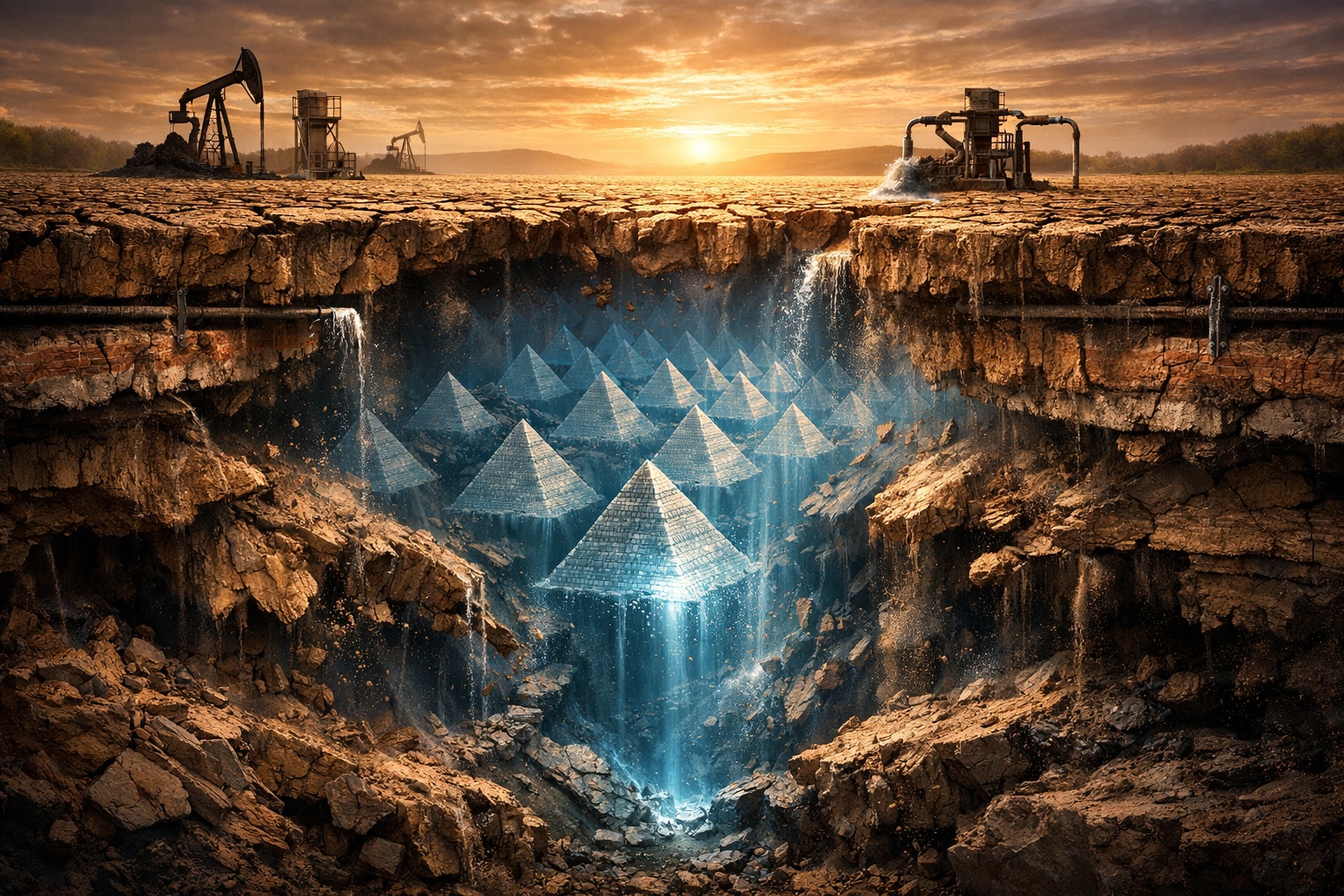


Subsidence Caused by Over-Extraction of Aquifers Is Already Making Cities Like Mexico City Sink by Up to 50 Cm Per Year and Destroys 17 Km³ of Subterranean Storage Permanently Worldwide.
Mexico City Sinks Up to 50 Cm Per Year: Subsidence from Over-Extraction of Aquifers Is Already Irreversible. Beneath Mexico City, the ground is giving way by up to 50 centimeters per year. It’s not an earthquake. It’s not erosion. It’s not tectonic instability. It’s the extraction of groundwater. Since the 20th century, the metropolis has been drawing water from the aquifer that supports its 22 million inhabitants at a rate that exceeds the natural recharge capacity. What happens below the surface is a silent physical collapse: the microscopic pores that were once filled with water begin to close when the hydraulic pressure disappears. The clay compresses. The layers compact. And the city sinks.
This process is called aquitard-induced subsidence, and in many cases, it is irreversible. It’s like a sponge compressed beyond its elastic limit: even if you put water back, it never returns to its original volume.
In the historic center of the Mexican capital, parts of the ground have already sunk more than 9 meters since the early last century. Colonial churches are leaning. Sidewalks have been rebuilt dozens of times. Drainage systems need constant recalibration because the city continues to sink. And the case of Mexico is not isolated.
-
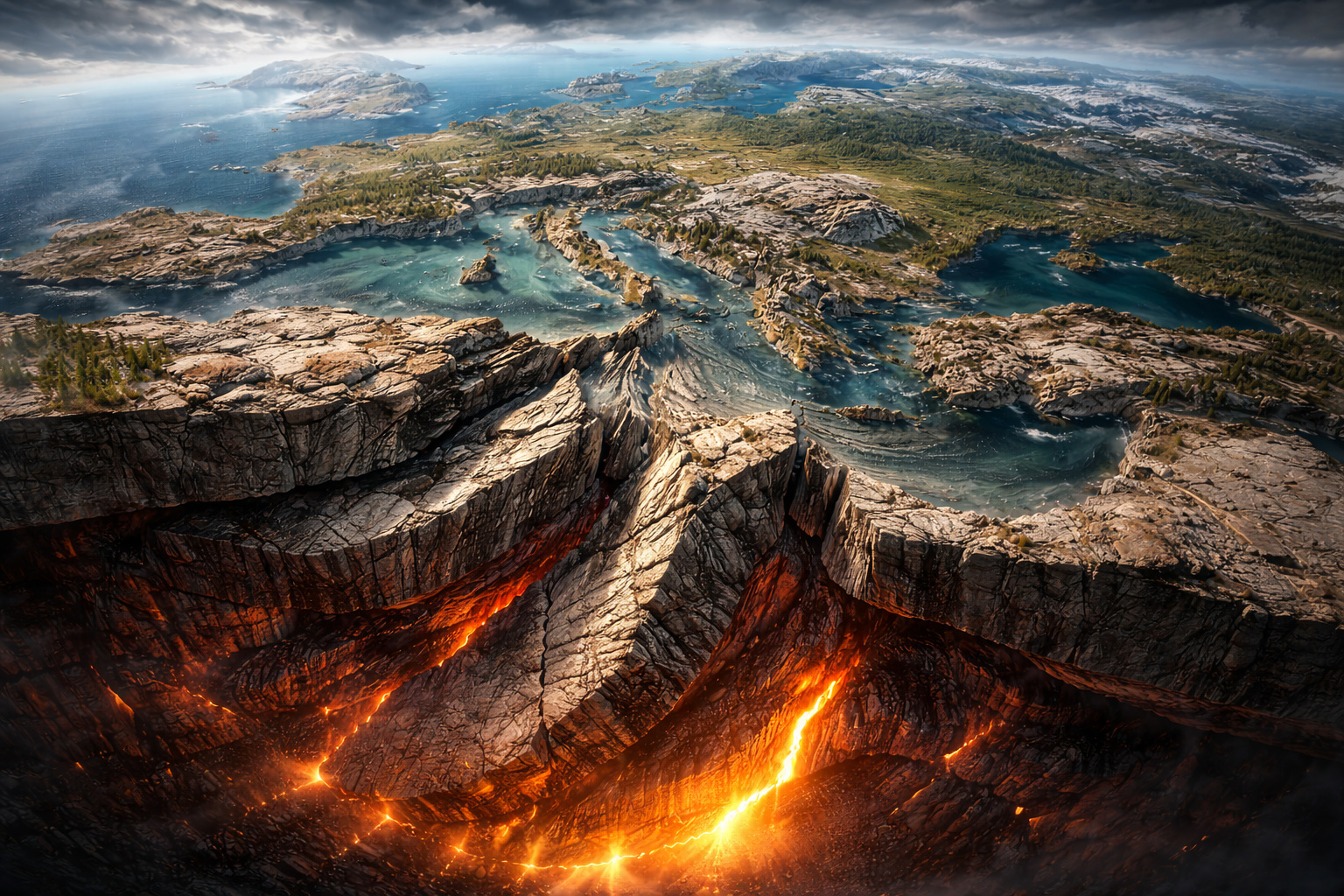
The lost continent beneath Europe: separated from North Africa about 240 million years ago, comparable in size to Greenland, Greater Adria was crushed over 40 million years and left geological marks from the Alps to the Balkans.
-
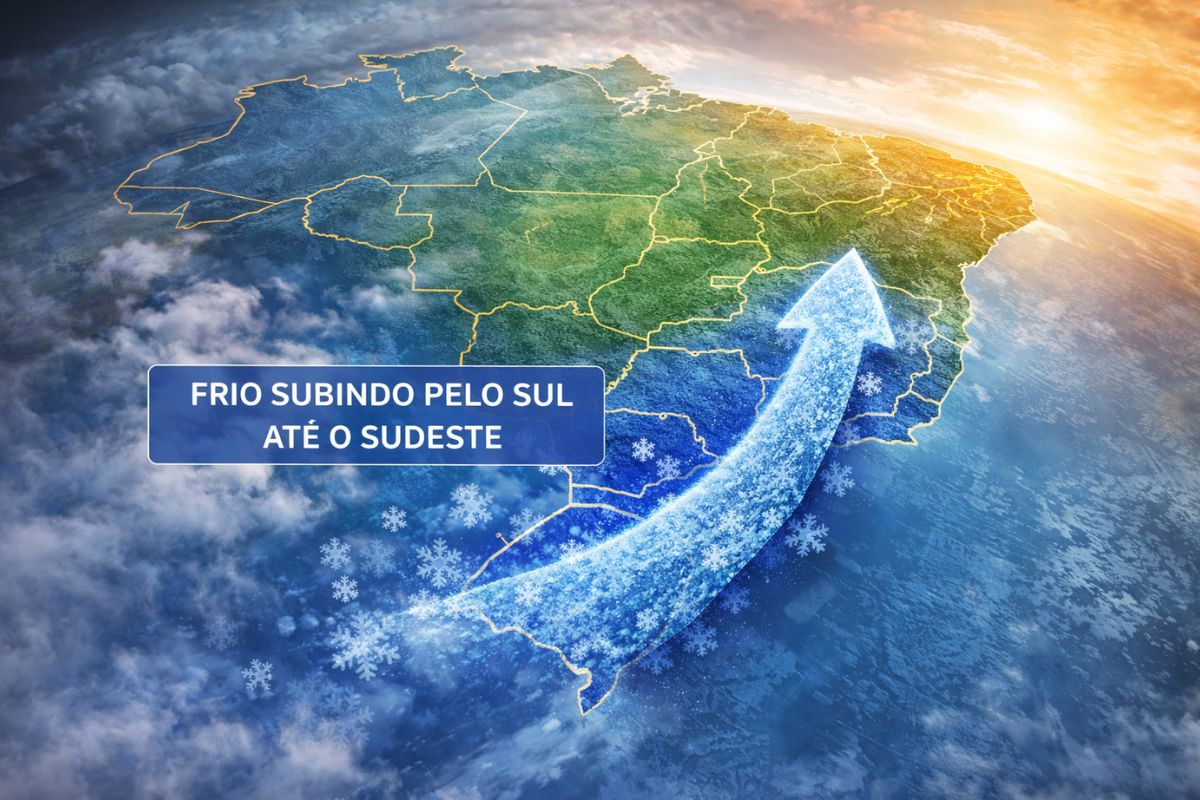
A cold front advances through the South this Saturday and reaches the Southeast on Easter Sunday with heavy rain and a drop in temperature, while the North and Northeast face the risk of storms and flooding throughout the holiday.
-
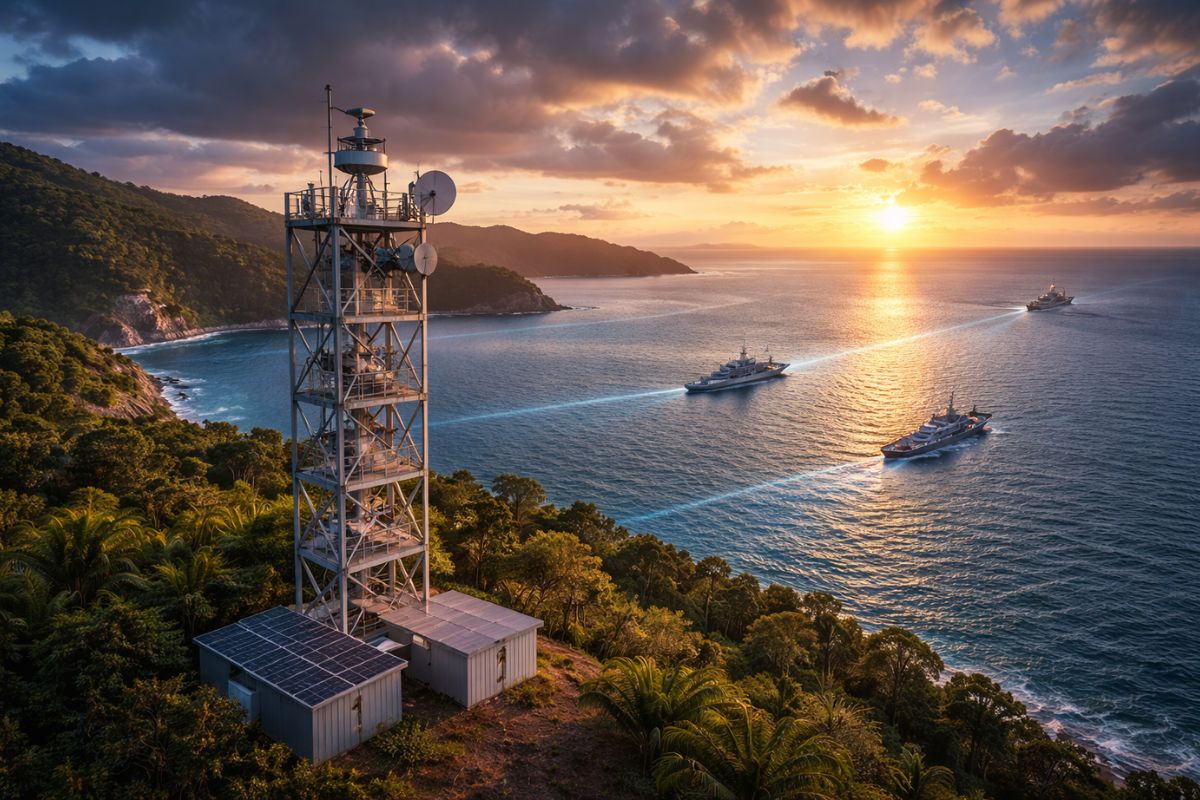
Brazil is about to inaugurate the largest maritime surveillance system in its history, with radars, infrared cameras, and autonomous sensors installed on Ilha Grande to monitor the entire Brazilian coast in real time.
-
Archaeologists discover in China a 5,000-year-old tomb with over 350 artifacts, nearly 200 jades, and signs of intentional destruction, in a discovery that could be the gateway to a lost prehistoric kingdom.
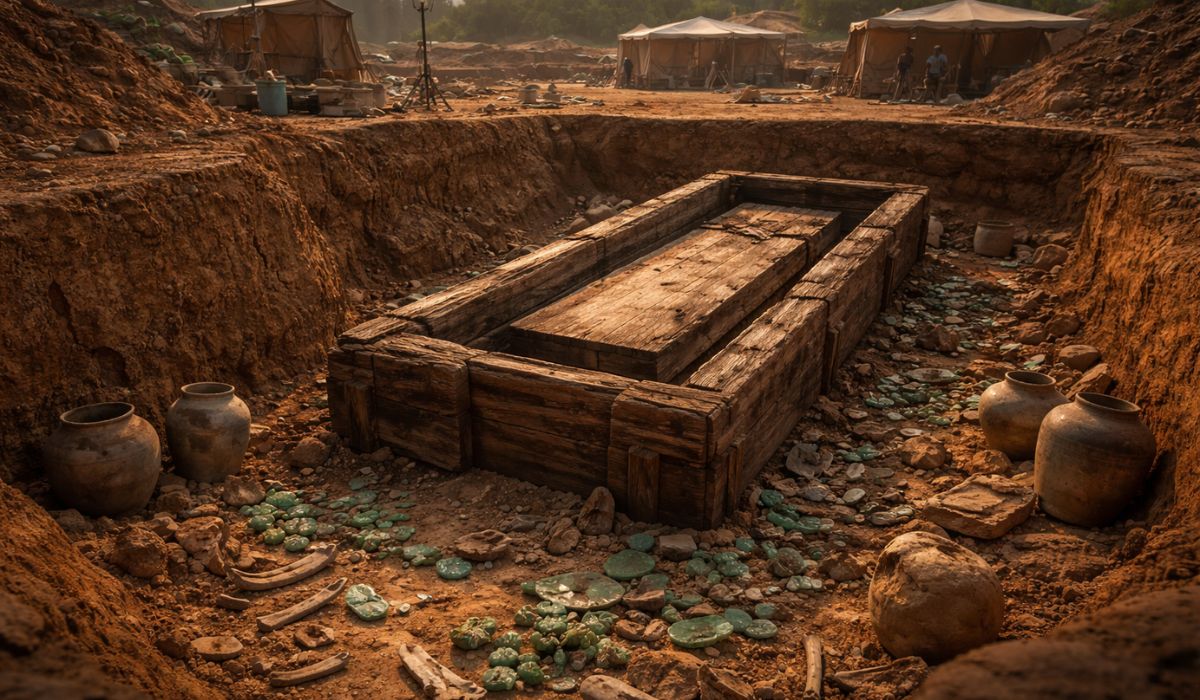

Global Loss of Subterranean Storage Capacity Reaches 17 Km³ Per Year, According to Study by Nature and Instituto Humanitas Unisinos – IHU
In November 2023, researchers from Desert Research Institute, from Colorado State University and Missouri University of Science and Technology and Instituto Humanitas Unisinos – IHU published in the journal Nature Communications the first global mapping of subsidence associated with groundwater extraction.
The analysis used satellite interferometric radar (InSAR) data, field measurements, and machine learning algorithms to estimate the phenomenon on a planetary scale with a resolution of 2 km by 2 km. The number found is structurally alarming:
The planet is losing 17 cubic kilometers of permanent groundwater storage capacity per year.
This does not mean we are only withdrawing 17 km³ of water. It means we are destroying 17 km³ of physical subterranean space that will never be able to store water again.
Translating to visual scale:
- 17 km³ is equivalent to 17 trillion liters.
- It is more than six times the total capacity of Lake Mead.
- It is equivalent to about 7,000 Great Pyramids of Giza in structural volume.
And this space cannot be rebuilt.
What Is Subsidence from Aquifer Pumping and Why Is It Irreversible
An aquifer is not an empty underground lake. It is a porous structure made up of sand, gravel, sedimentary rocks, or clay formations saturated with water accumulated over thousands or millions of years.
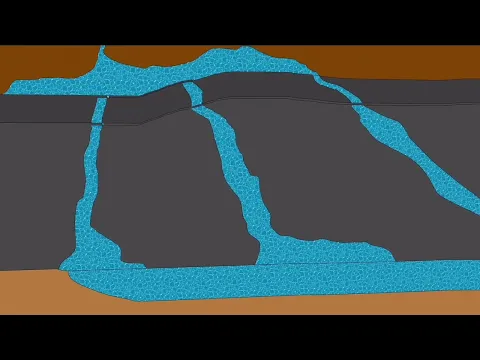

When water is withdrawn from a confined aquifer:
- The hydraulic pressure that sustained the grains decreases.
- The solid particles begin to bear the weight of the upper layers.
- The material compacts.
- The pores collapse.
When the collapse occurs in fine clay sediments, the deformation is plastic — that is, permanent.
- Even if it rains.
- Even if the pumping stops.
- Even if the water returns.
The space does not return. This is the structural point of the crisis: it is not just a lack of water; it is the destruction of the reservoir.
73% of Subsidence Occurs Under Agricultural and Urban Areas
The 2023 study identified that approximately 73% of areas with significant subsidence are located under:
- Intensively irrigated agricultural zones
- Large metropolitan areas
China, the United States, and Iran account for the largest volumes of storage loss. The phenomenon is primarily driven by:
- High water-consuming agriculture
- Accelerated urban growth
- Lack of regulation on private wells
- Prolonged droughts associated with climate change
Water Tables Are Falling in 71% of Monitored Aquifers Worldwide
In January 2024, another study published in the journal Nature, conducted by the University of California in Santa Barbara, analyzed data from 170,000 wells in 1,693 aquifer systems across more than 40 countries.
The result:
- 71% of aquifers showed a decline in the water table.
- In 30%, the decline accelerated in the 21st century.
- The reduction is more severe in arid and semi-arid regions.

The research identified declines greater than 0.5 meters per year in various critical agricultural regions.
The pattern is clear: where there is intensively irrigated agriculture, the aquifer is under pressure.
Ogallala Aquifer: The Collapse of the Largest Agricultural Reserve in the United States
The Ogallala Aquifer covers about 450,000 km² under eight U.S. states and sustains 27% of the country’s irrigated area. It took between 6,000 and 6 million years to accumulate its water.
Today:
- The average natural recharge is about 2.5 cm per year.
- Extraction in critical areas exceeds 1 meter per year.
- In some regions, the level has fallen more than 30 meters since the 1950s.

In Kansas, approximately 30% of the area over the aquifer has already reached economically unviable levels. Projections from the University of Texas indicate that up to 70% of the Texas portion may become unusable in the next two decades.
Once depleted, the Ogallala would take more than 6,000 years to naturally recover.
Cities That Are Literally Sinking: Jakarta, Shanghai, and Mexico City
Jakarta has experienced accumulated subsidence of more than 4 meters in parts of the northern city. Coastal walls have fallen below sea level. Shanghai sank more than 2 meters in the 20th century before imposing strict pumping restrictions.

Mexico City is the most extreme documented case:
- Subsidence of up to 50 cm per year
- Accumulated sinking of over 9 meters
- 70% of the water comes from deep aquifers
A study published in the Journal of Geophysical Research: Solid Earth concluded that Mexican subsidence is practically irreversible.
Extraction of Groundwater Also Contributes to Sea Level Rise
The water withdrawn from aquifers does not disappear.
- It is used for irrigation.
- It evaporates.
- It drains into rivers.
- It flows into the oceans.
Research indicates that excessive groundwater pumping is already one of the biggest contributors to global sea level rise.
In other words: by destroying subterranean storage, we are also extending coastal elevation.
Is It Possible to Reverse the Trend? Success Stories Show That It Is
Not all aquifers are doomed. The 2024 study identified that:
- 16% of the analyzed systems reversed declining trends.
- 20% slowed the rate of decline.
Cases include:
Tucson, Arizona — artificial recharge raised the water level of the aquifer by 36 meters since 2008.
Bangkok — regulation and taxation of wells reduced subsidence.
Barcelona — use of treated water for recharge stabilized coastal aquifer.
The common factor is active management and political decision-making.
The Invisible Crisis of the 21st Century
The 17 km³ of capacity lost each year do not appear in daily headlines. They do not generate dramatic images like hurricanes. They do not have a sudden explosion like earthquakes.
But they represent permanent structural destruction. Each cubic meter collapsed is a space that took millennia to form.
Each exhausted aquifer is a reservoir that cannot be rebuilt. The central issue is not just a lack of water.
It is irreversible loss of natural geological infrastructure.
If agricultural and urban policies do not change, the subsoil will continue to yield — silently — as the demands for water increase on a planet projected to reach nearly 10 billion inhabitants in the coming decades.
And what is sinking is not just the soil. It is the margin of water security in the 21st century.






É já era de se esperar á destruição do planeta com rapidez pelas mãos do serviço humano, gananciosos.Até essas escavações de petróleo também causam tudo isso.