





 Portuguese
  English
  Spanish
  3 min of reading
  0 comments


Archeologists Reveal Millennia-Old Pyramid in Peru, Built by the Caral Civilization Up to 5,500 Years Ago – As Old As Those in Egypt, with a Giant Geoglyph and Mysteries That Could Rewrite the History of the Americas!
When it comes to pyramids, the first thing that comes to mind is the iconic structures of Egypt. But what if I told you that archeologists discovered a pyramid over 5,500 years old in an unexpected place? In western Peru, within the Chupacigarro archaeological site, an impressive structure has been unveiled, shedding new light on the ancient civilizations of the Americas.
The discovered pyramid is located just one kilometer from Caral, one of the most important archaeological sites in the world. Scientists believe that this structure held great cultural value for the Caral civilization, one of the oldest known societies, contemporary with the Egyptians.
The Hidden Pyramid in Time
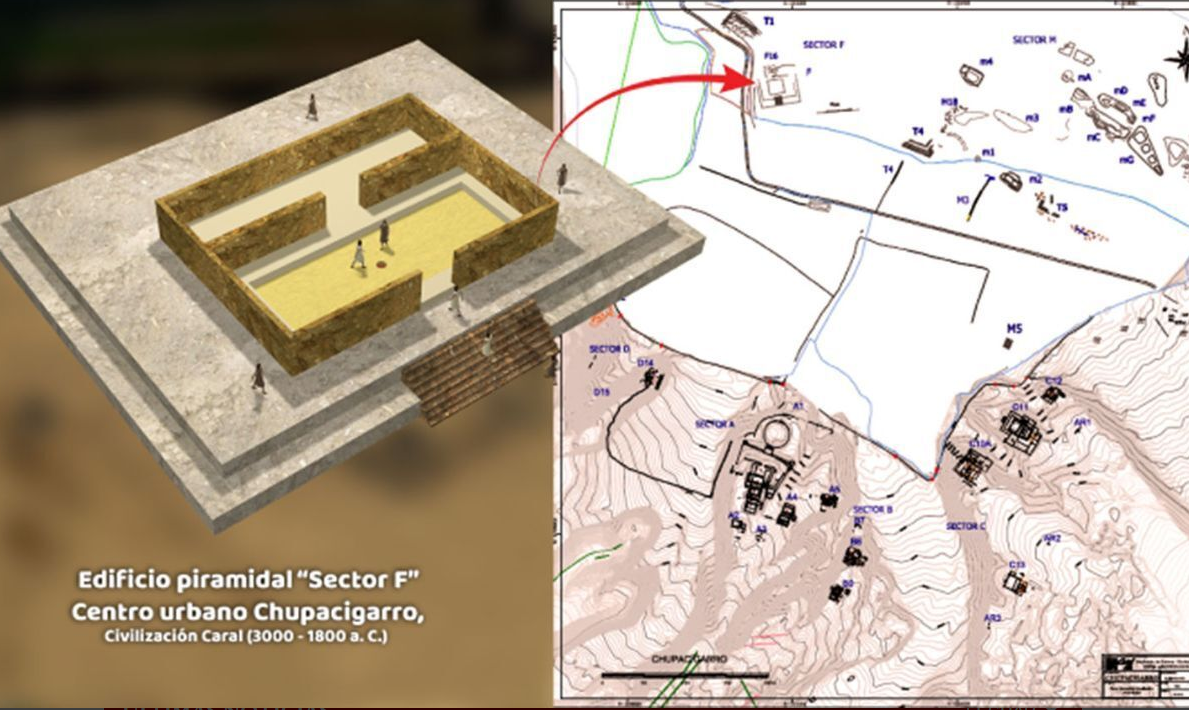
This is not an ordinary pyramid. Unlike the pointed Egyptian constructions, the structure found is rectangular and features a large central staircase that led to the top. But how did it go unnoticed for so long?
-
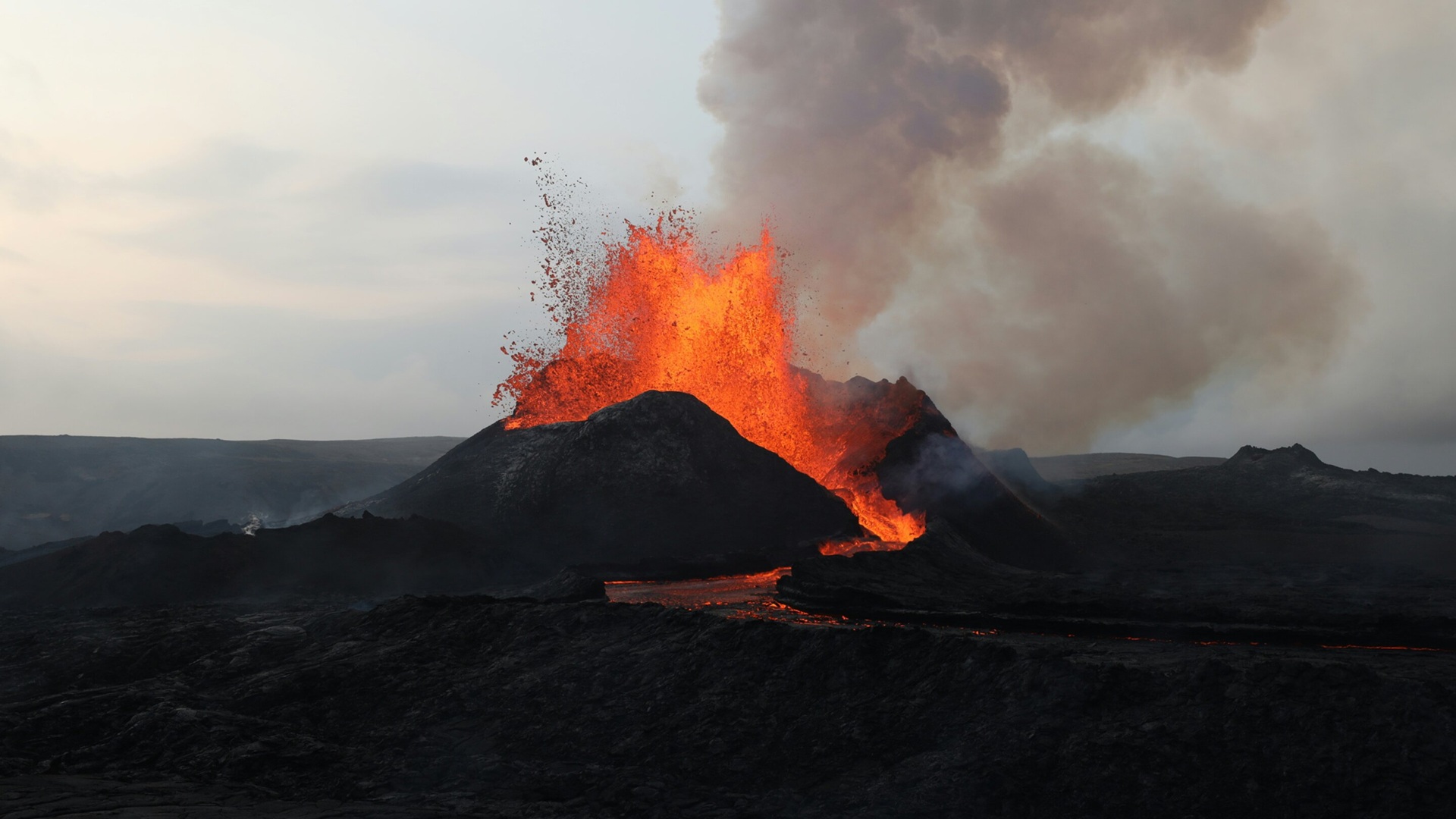
Volcanic lava transforms into threads as fine as human hair that travel over 30 kilometers by wind and fall like cutting rain on roofs and backyards in Hawaii and Iceland.
-
NASA issues a warning for the feared Godzilla El Niño that could change the planet’s climate in 2026 with extreme warming of the Pacific capable of causing devastating droughts in some regions and historic floods in others simultaneously.

-
Archaeologists discover a 100-meter ship graveyard in a submerged Greek city, and what has appeared on the seabed of Libya could change what was known about this ancient port.
-
You buy the refrigerator and still have to see ads: Samsung starts displaying advertising on appliances and generates negative reactions among consumers.


Archeologists discovered the pyramid after noticing the presence of vertical stones, known as “huancas”, marking the corners of the building. Upon closer inspection, they realized it was a monumental construction buried under layers of earth and time.
In addition to the pyramid, researchers identified the ruins of several houses around. This suggests that the site was a suburb of Caral, functioning as a place for housing and daily activities.
How Did Scientists Find the Pyramid?
The discovery began when archeologists noticed the presence of huancas, vertical stones that served as structural markers. Digging deeper, they found the remains of an enormous construction. The pyramid had a central staircase that in the past led to the top, indicating it could have been a place of great importance for the inhabitants of the time.
The excavations also revealed a set of small houses around, suggesting that the pyramid was in a residential area. This reinforces the idea that Caral was not an isolated city but a vibrant urban center with various satellite areas around.
The Caral Civilization and Its Legacy
The Caral civilization existed between 3500 and 1800 B.C., being one of the oldest in the Americas. But what makes this culture so fascinating?
The Caral were pioneers in the construction of pyramids at the same time the Egyptians were raising their monumental tombs. However, unlike the Egyptians, who built their pyramids for burials, the Caral seem to have used these structures for ceremonial and administrative purposes.
Furthermore, this civilization mastered agriculture, especially cotton cultivation, used to make fishing nets and clothing. Another impressive legacy was the creation of the quipu, a coded record system made with colored cords, somewhat akin to a “writing” based on knots.
With around 30 settlements spread along the Peruvian coast, the Caral developed an advanced society that thrived for centuries, leaving deep marks on human history.
Impressive Discoveries at the Archaeological Site
If finding a pyramid was already incredible, the excavations revealed something even more surprising: a geoglyph depicting a human head, measuring an impressive 62 meters long by 30 meters wide.
These designs etched into the earth remain a mystery to this day. What did they mean? Who made them? Were they religious symbols, maps, or forms of communication between different peoples?
Archeologists identified twelve platforms scattered across the tops of nearby hills. The most accepted hypothesis is that these sites were used for important ceremonies or rituals for the Caral culture.
Another crucial point of the discovery was the pyramid’s proximity to a stream. This small body of water would have been essential for the survival of the civilization, providing the most valuable resource for any ancient society: water.






Seja o primeiro a reagir!