





 Portuguese
  English
  Spanish
  4 min of reading
  0 comments



Study Published in Nature Geoscience Identified That Blackwater Lakes and Rivers in the Congo Basin Are Releasing Ancestral Carbon from Peatlands Aged Between 2,170 and 3,500 Years, Raising Questions About the Stability of One of the Largest Natural Carbon Reservoirs on the Planet
Blackwater lakes and rivers in the Congo Basin are releasing ancestral carbon into the atmosphere, according to a study published on February 23 in Nature Geoscience, indicating that part of this carbon comes from ancient peat stored for thousands of years.
The discovery contradicts the scientific assumption that carbon accumulated in the region’s peatlands would remain trapped underground.
The results suggest that some tropical peatlands may cease to function as sinks and start acting as significant sources of carbon.
-
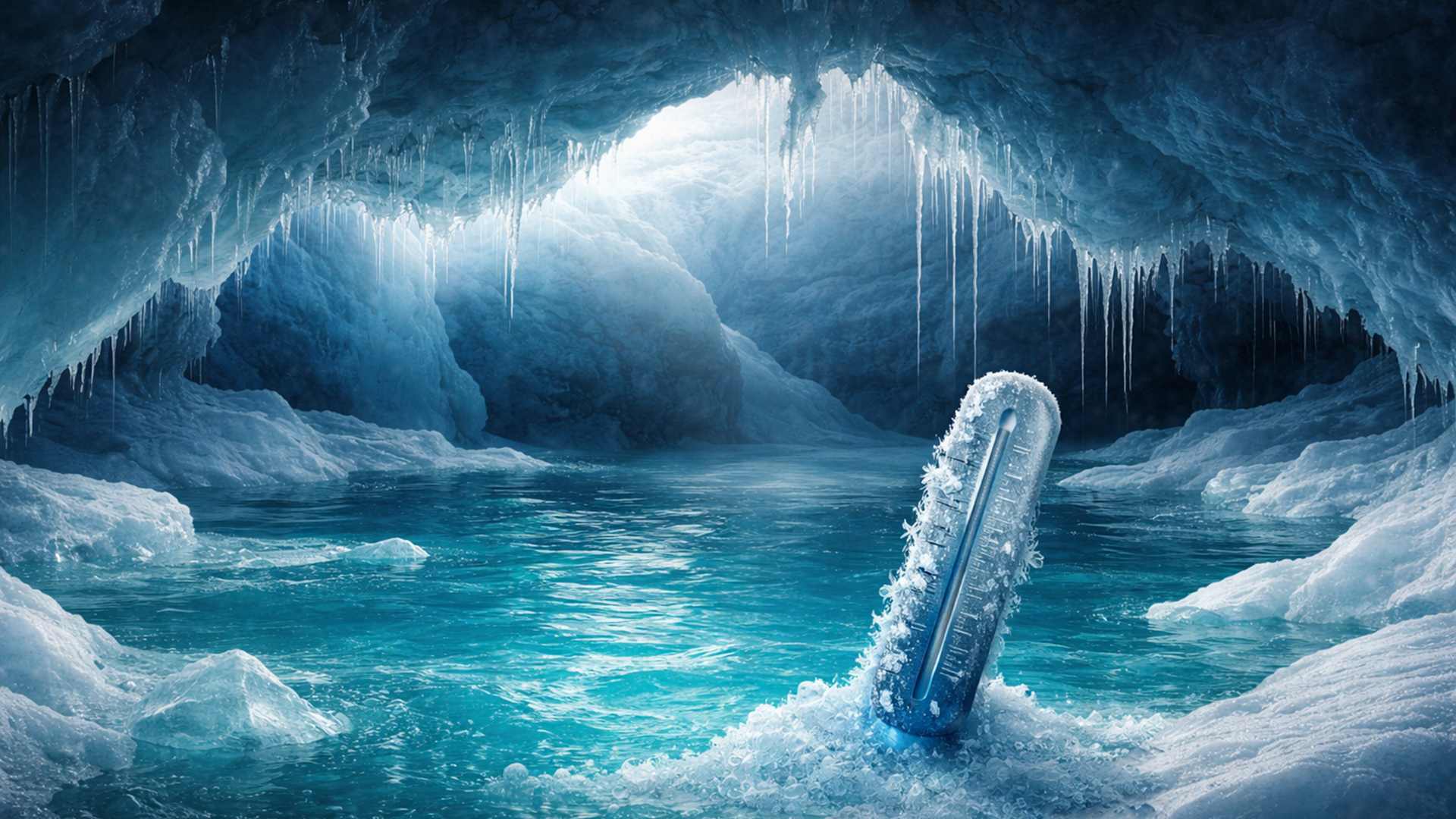
The coldest seawater ever recorded in Earth’s history was hidden under extreme ice 717 million years ago and reached an impressive -15°C.
-
China has launched the world’s first floating artificial island, a scientific structure designed to face open seas, test equipment weighing hundreds of tons, and reach depths of 10,000 meters.

-
China accelerates global science and may surpass the United States in 2 years with increased public investment, continuous growth, and direct impact on the global technological competition.

-
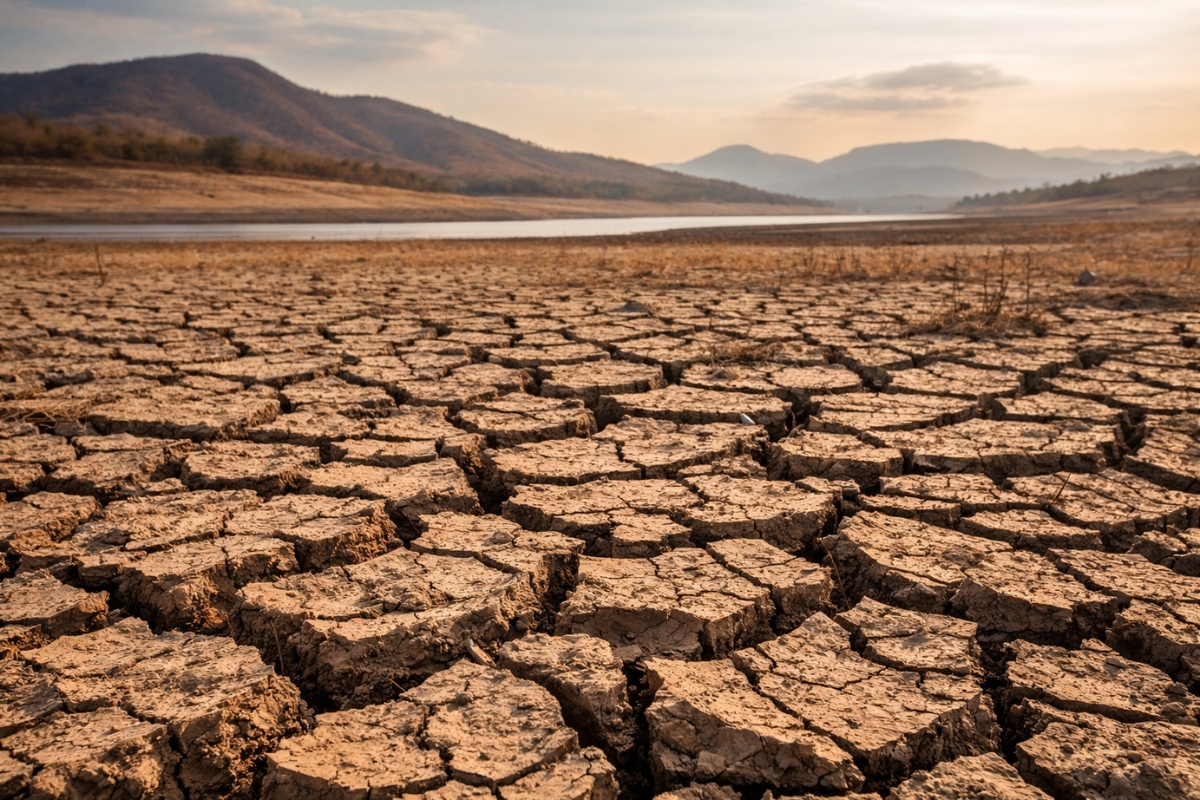
Scientific studies indicate that drought may be strengthening a much greater silent threat: more resistant superbugs.

Study Identifies Release of Ancestral Carbon in Blackwater of the Congo Basin
The research was conducted by Travis Drake, a carbon biogeochemist from the Swiss Federal Institute of Technology Zurich (ETH Zurich), along with a team that conducted three scientific expeditions to the Congo Basin over the past four years.
The researchers focused their work on the Cuvette Centrale, an area of approximately 145,000 square kilometers of forests and swamps located in the Democratic Republic of the Congo. The site hosts the largest known complex of tropical peatlands on Earth.
In the heart and south of this area are two large blackwater lakes, Lake Mai Ndombe and Lake Tumba. The Ruki River, an important blackwater river, also runs through the region, flowing west-northwest until it meets the Congo River.
Lakes Mai Ndombe and Tumba and the Ruki River Exhibit High Levels of Dissolved CO2
Blackwater lakes and rivers are characterized by high concentrations of decomposing plant debris, known as dissolved organic carbon. This material gives the waters the characteristic dark coloration observed in these environments of the Congo Basin.
The presence of this dissolved organic carbon, combined with the direct input of carbon dioxide from the surrounding swamps and forests, creates supersaturated levels of CO2 in the waters of Lake Mai Ndombe, Lake Tumba, and the Ruki River.
As a consequence, these bodies of water release large amounts of carbon dioxide into the atmosphere. Until recently, however, it was believed that this CO2 did not originate from the ancient peat stored in the region’s flooded soils.
Analysis Reveals Peat Carbon Aged Between 2,170 and 3,500 Years
Scientists reached different conclusions after analyzing samples collected during various expeditions to the Congo Basin. Measurements were taken from Lake Mai Ndombe in 2022 and 2024, while Lake Tumba and the Ruki River were studied in 2025.
During fieldwork, researchers collected sediments, greenhouse gases, dissolved organic carbon, and dissolved inorganic carbon. The latter includes dissolved CO2, bicarbonate ions, and carbonate ions present in the water.
Subsequently, the samples were analyzed in the laboratory using high-precision spectrometry techniques. The aim was to distinguish recent carbon, coming from plants, from the much older carbon stored in peat soils.
The first test brought an unexpected result. About 40% of the inorganic carbon present in a sample revealed ancient origins, prompting researchers to expand the analysis to the other collected samples.
The results remained consistent throughout Lake Mai Ndombe. Then, the team returned to the Cuvette Centrale to collect new samples from Lake Tumba and the Ruki River, where elevated levels of carbon derived from ancient peat were also found.
Microbes May Be Decomposing Ancient Carbon from the Peatlands of the Congo Basin
The researchers suggest that microorganisms present in the region may be decomposing the ancient carbon from the peatlands. This process generates carbon dioxide and methane that infiltrate into lakes and rivers before being released into the atmosphere.
The Cuvette Centrale has enormous global relevance for carbon storage. It is estimated that the area contains about one-third of all carbon stored in tropical peatlands on the planet.
This volume corresponds to approximately 33 billion tons of carbon, equivalent to about 30 billion metric tons. Therefore, any change in this system could have significant implications for climate balance.
Researchers Investigate Whether the Phenomenon Is a Natural Balance or a Sign of Instability
The authors of the study state that it is still unclear whether the release of ancestral carbon in the Congo Basin represents just a natural process or the beginning of a larger change in the region’s peatland system.
One of the hypotheses raised is that the loss of ancient carbon may be related to the formation of new peat deposits. In this case, the process could represent a natural balancing mechanism within the ecosystem.
Another possibility considered is that climate change may be destabilizing peat deposits that have remained buried for thousands of years. If this scenario is confirmed, the peatlands of the Congo Basin could be approaching an environmental tipping point.
The researchers also warn that future dry periods may accelerate this carbon release mechanism. If that occurs, the peat reservoirs could cease to function as sinks and begin to work as significant sources of atmospheric carbon.
In the next stages of the research, the team intends to analyze the water retained in the peatlands of the region. The goal is to understand how microbes may be releasing ancient carbon in these environments.
The scientists also want to determine if this process occurs throughout the Cuvette Centrale. The goal is to quantify carbon oxidation rates and assess whether the observed phenomenon represents a natural condition or a sign of instability in this large carbon reservoir.





-

Uma pessoa reagiu a isso.