





 Portuguese
  English
  Spanish
  4 min of reading
  2 comments


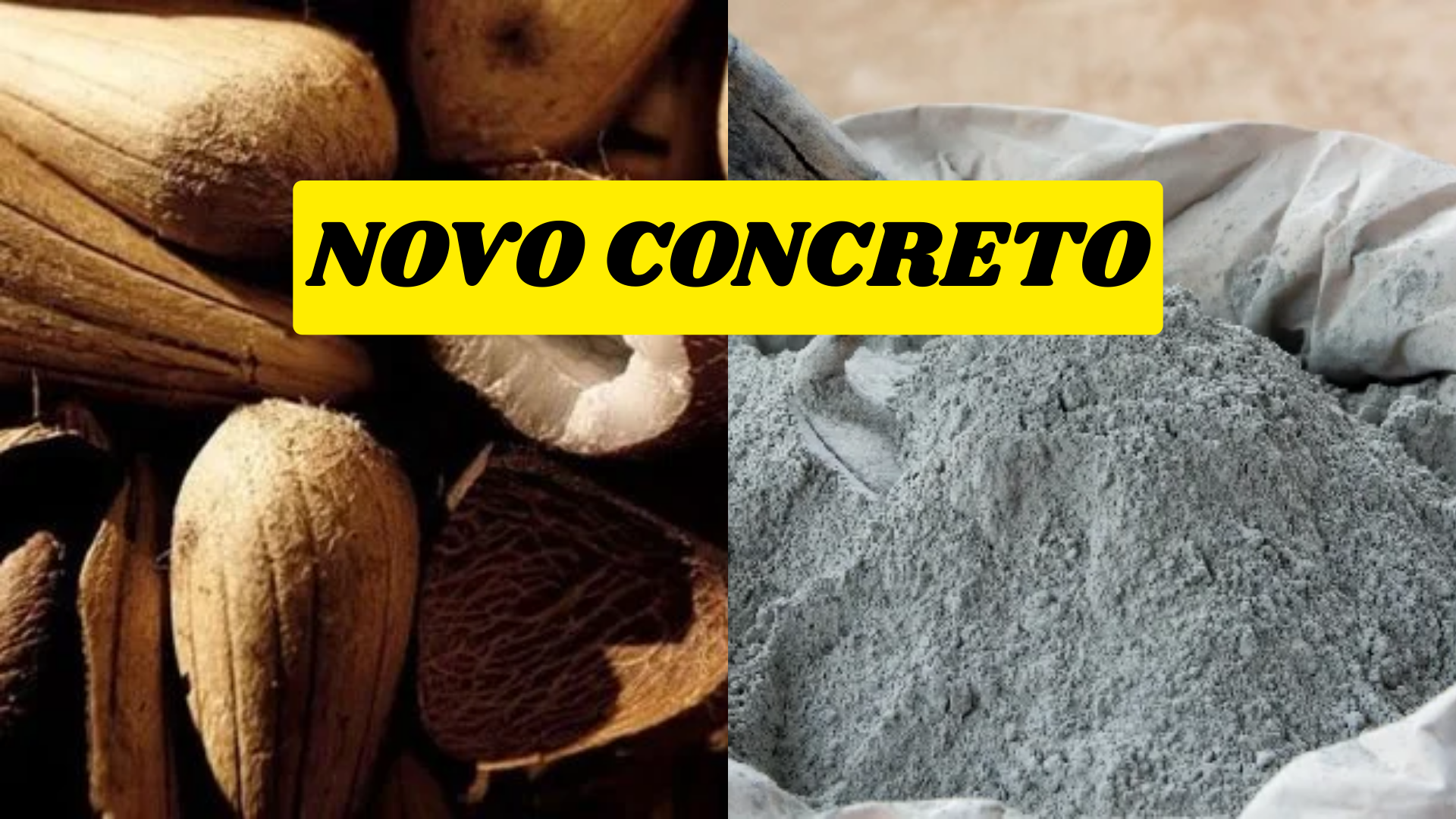

UFPA Researchers Test Murumuru Shell Ashes as a Sustainable Additive for Concrete, Offering Ecological and Structural Solutions
The murumuru, a typical fruit of the Amazônia, is about to discover a new destination that goes beyond the cosmetics industry, according to the website tempo. Known for its moisturizing properties, this fruit is widely used in the manufacture of soaps, creams, and shampoos. However, researchers at the Federal University of Pará (UFPA) are exploring the potential of murumuru in civil construction, specifically using the ash from the fruit’s shell as an additive to concrete. This innovation could not only improve the properties of concrete but also provide a significant environmental solution.
The Environmental Impact of Cement
Cement is one of the most used materials on the planet, ranking second in consumption, just behind water. However, cement production is responsible for an alarming amount of carbon dioxide (CO₂) emissions, significantly contributing to global warming and other environmental problems. According to studies, the cement industry is responsible for about 8% of global CO₂ emissions. Therefore, the search for sustainable alternatives is crucial.
Civil engineer Milleno Ramos de Souza, guided by professor Marcelo Rassy Teixeira and co-guided by professor Luciana de Nazaré Pinheiro Cordeiro, conducted research aimed at finding ways to reduce the environmental impact of cement production. Did you know that small changes in the construction process can result in significant benefits for the environment?
-
Motorola launched the Signature with a gold seal from DxOMark, tying with the iPhone 17 Pro in camera performance, Snapdragon 8 Gen 5 that surpassed 3 million in benchmarks, and a zoom that impresses even at night.

-
Satellites reveal beneath the Sahara a giant river buried for thousands of kilometers: study shows that the largest hot desert on the planet was once traversed by a river system comparable to the largest on Earth.

-
The government requests the Federal Revenue Service for a new system to automate the income tax declaration, reducing errors, time, and bureaucracy for millions of Brazilians.

-
With 74% of companies facing difficulties in hiring, technicians and engineers in renewable energy are becoming scarce in Brazil and are essential to support the expansion of solar, wind, and green hydrogen projects.


The Innovative Research
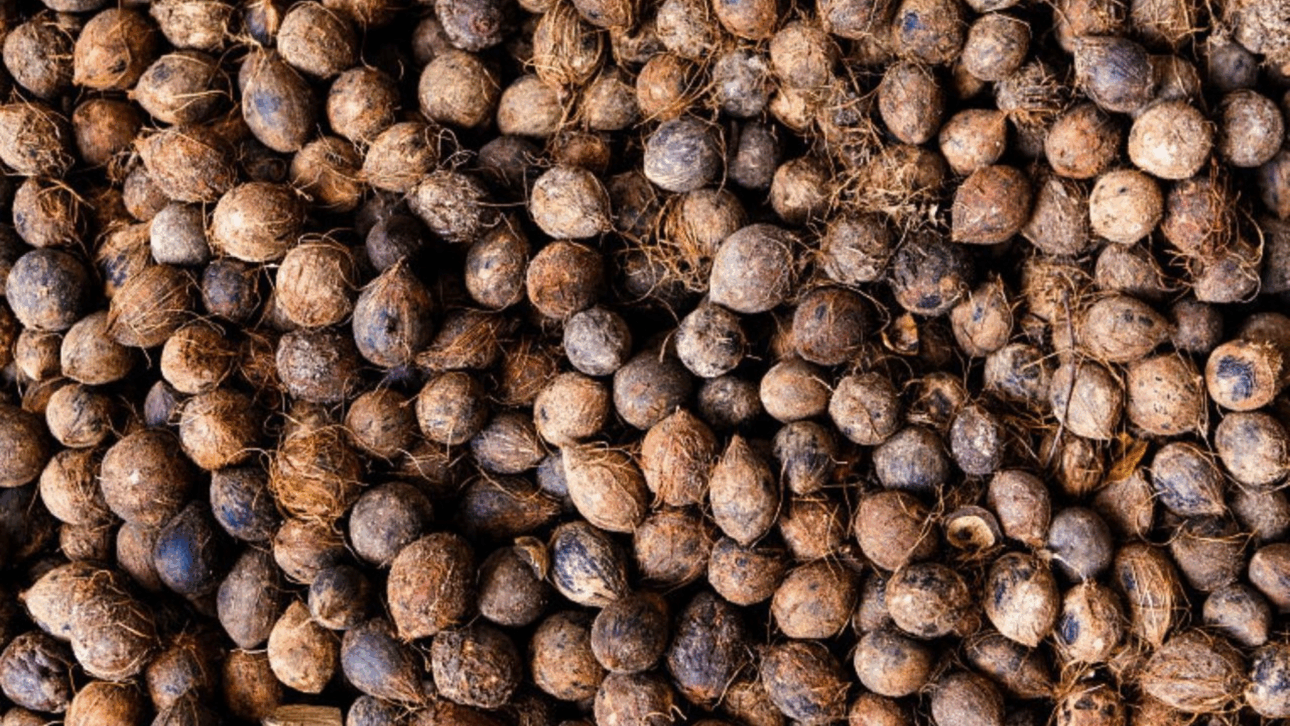
The dissertation, titled “Study of the Potential of Murumuru Shell Ash, an Amazonian Agro-Industrial Waste, as a Filler for Structural Concrete“, was defended in 2022 in the Graduate Program in Infrastructure and Energy Development (PPGINDE) at UFPA, on the Tucuruí campus. The choice of murumuru shell ash as an additive is due to its abundant disposal and lack of utilization in industry.
The research process began with the collection of shells at a cooperative, where murumuru is processed. After pre-crushing, the material was burned at 200ºC and sifted to obtain a fine powder, known as a “filler,” used in concretes and mortars. Various physical and chemical tests were conducted to evaluate the properties of the new compound and its behavior in concrete.
Benefits of Using Murumuru Ashes
The results of the research were quite promising. The addition of 6% of murumuru ashes to the cement resulted in a concrete that is lighter, with greater compressive and tensile strength, better elastic modulus, and lower water absorption. These benefits are attributed to the so-called “filler effect,” which improves the compaction and performance of concrete. Imagine how this could transform the construction of buildings, bridges, and other structures!
In addition to the structural advantages, this research offers a dual environmental solution: it reduces CO₂ emissions from the cement industry and provides a useful destination for murumuru waste, which is often burned in the open air or discarded in landfills. This approach not only benefits construction processes but also promotes sustainability and the circular economy.
The Future of Sustainable Construction
The research on using murumuru ashes as an additive to concrete is a clear example of how the Amazônia can contribute to innovative and sustainable solutions in the construction sector. The study highlights the importance of smart and creative utilization of local resources. Milleno Ramos de Souza states: “This is a very valuable study for the advancement of science and sustainability. The civil construction sector can benefit greatly from research that seeks new applications for regional waste, such as that from the Amazon.”
Besides the ecological potential, utilizing waste like murumuru can generate new economic opportunities for local communities, promoting job creation and the appreciation of regional products. Do you believe that using waste in civil construction can have a positive impact on the local economy? What other sustainable solutions would you like to see implemented in construction?
Implications for the Construction Sector
With the growing demand for sustainable construction practices, it is vital for the industry to seek innovations that minimize environmental impact. The research on murumuru is a significant step in this direction, showing that it is possible to leverage natural resources in harmony with the environment. As more studies like this emerge, the civil construction sector can become a pioneer in adopting sustainable practices.
Would you like to know more about the potential of other Amazonian waste in civil construction? Or do you have any questions about how this type of innovation can be implemented on a large scale? Share your thoughts and reflections in the comments!




Gostei muito da matéria, e gostaria de acrescentar o meu experimento, fabrico dos caroços torrados e moidos o meu café de açaí Faustina, uma marca que já está monetizada e nas redes de varejista locais aqui em Macapá. Do subproduto, já estou fabricando a Manta Hídrica para retenção de água nos pés das plantas e a cinza npk um adubo orgânico para aumentar o plantio livreel de pragas . Tem também a utilização da cinza e dos pelos que pode bem sinho ser utilizado na construção civil, pela economia de água e sustentabilidade, sem agredir o meio ambiente. Já em ampla utilização para fazer casas de adobes, mostrando bons resultados e durabilidade. Meu tel para mais informações (96)98431-5421, Francisco Soares
–
Que legal! Parabéns. Depois gostaria de ler sobre a sua pesquisa e ver quais são os resultados obtidos.