





 Portuguese
  English
  Spanish
  3 min of reading
  0 comments


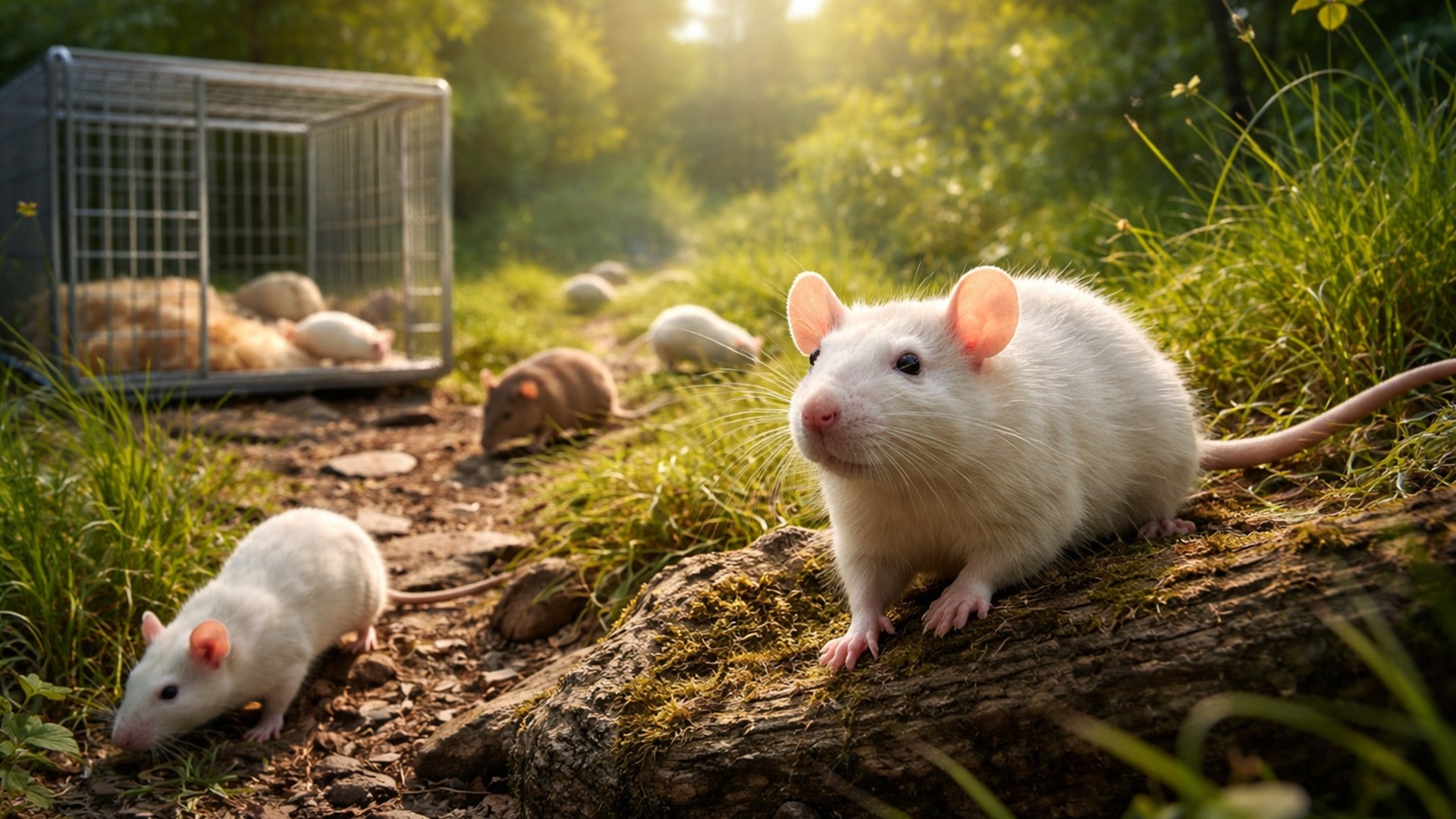
Cornell University Research with 44 Rats Reveals Anxiety Reduction After One Week in Outdoor Enclosure and Questions Laboratory Testing Methods
Researchers at Cornell University observed that 44 laboratory rats returned to normal levels of anxiety after one week in an outdoor environment, suggesting that contact with nature prevents induced fear responses.
The findings raise questions about anxiety testing methods in animals. The study may also teach us how anxiety begins to form in animals and even in humans themselves.
Biologist Matthew Zipple states that the animals were placed in the field for one week. He noted that the rodents returned to their original levels of anxious behavior after this exposure period.
-
Collapse in sight in Iraq: satellite images captured by NASA show the country’s largest reservoir dramatically drying up.

-
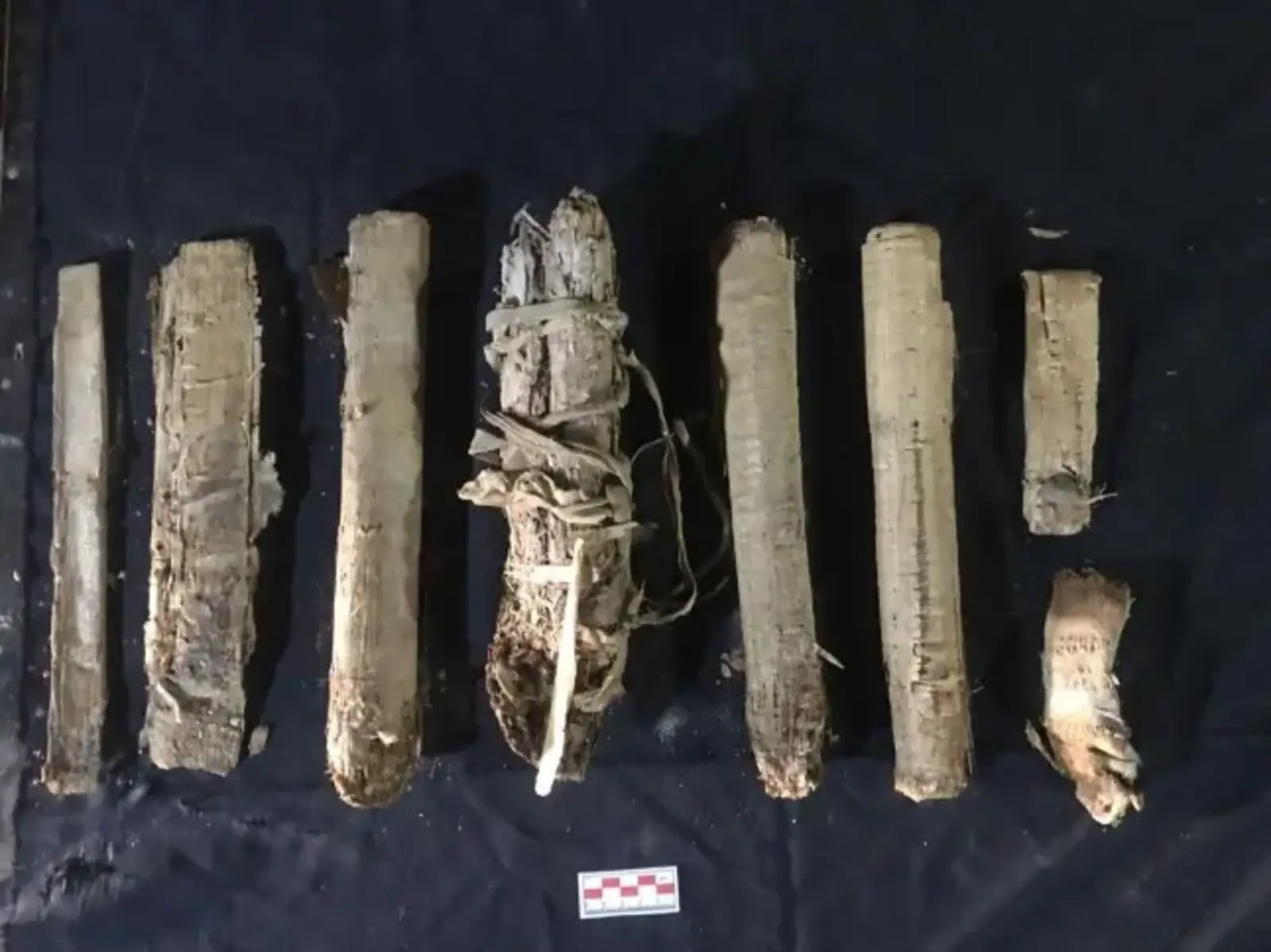
Archaeologists open a tomb in Luxor and find 3,000-year-old papyri still sealed in a ceramic vessel, alongside colorful coffins stacked in 10 rows and linked to the mysterious singers of Amon.
-
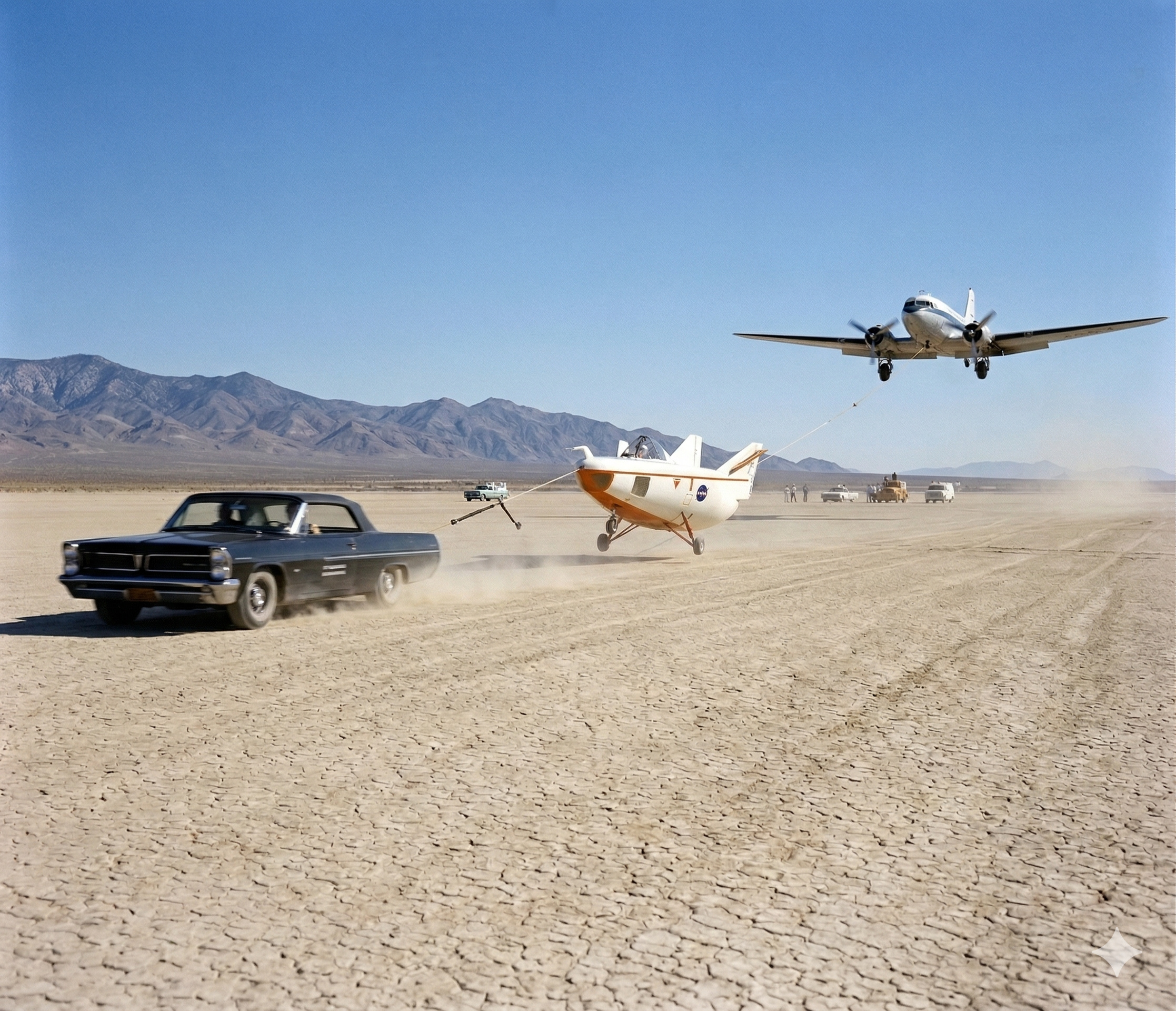
Before the space shuttle existed, NASA put a “wingless airplane” made of wood to fly at over 190 km/h towed by a car and then launched from a C-47, and this strange experiment practically proved that it was possible to re-enter the atmosphere and land on a runway like a conventional airplane.
-
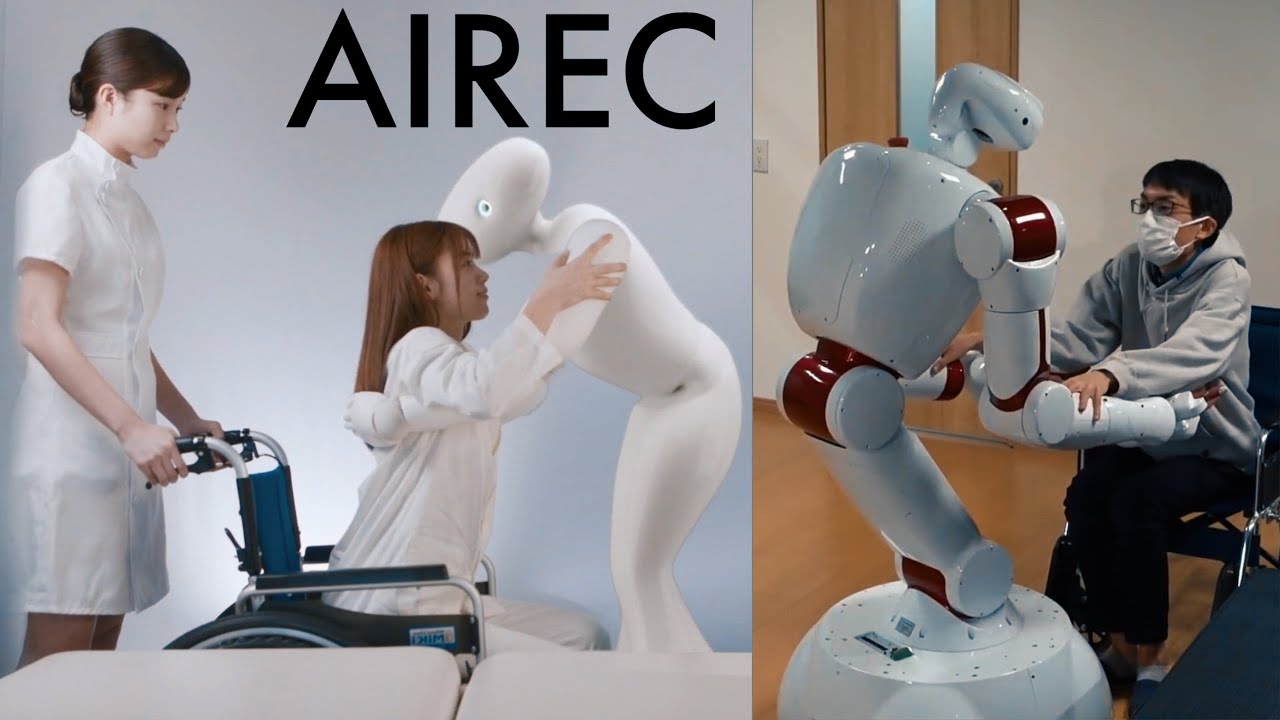
In Japan, a 150 kg humanoid robot named AIREC has begun testing to assist patients, change diapers, and alleviate a crisis where there is only 1 candidate for every 4.25 positions for elderly caregivers.
Zipple highlights that living in this natural environment blocks the formation of the initial fear response. The process may redefine a fear response that has already developed in these laboratory animals.
Standard Methodology for Measuring Anxiety
Researchers typically induce and measure anxiety in mice using the elevated plus maze. The equipment is technically known by the acronym EPM and serves as a standard for this type of behavioral analysis.
The device has two distinct arms for assessing the animals. One closed arm makes the animals feel secure, while the exposed arm places the mice in a more open environment.
The rats tend to explore the maze before returning to the closed spaces in the standard response. This is interpreted by scientists as a sign of fear triggered by exposure to the open areas.
This behavior is so persistent that it withstands even SSRIs anxiolytic medications. The reaction demonstrates the strength of the fear conditioning generated by the restricted laboratory environment during conventional testing.
Results of Reintroduction to the Natural Environment
The researchers released 44 rats from their laboratory cages to explore a vast space. The location allowed digging, climbing, and experiencing a variety of sensations and conditions outdoors.
The experience functioned as a reset button for the tested rodents. The rats that returned to the elevated plus maze explored both the open and closed spaces equally during the new assessment.
The behavior was similar to encountering the maze for the first time. The effects were observed in all rats, regardless of whether they had been reintroduced to nature since birth or not.
Neurobiological Interpretation of Lived Experiences
The findings may have implications for how we understand anxiety and the environment. It is possible that a restricted set of experiences may trigger anxiety in both humans and rats.
Neurobiologist Michael Sheehan states that experiencing many different things helps in threat assessment. A varied routine allows for better evaluation of whether something is truly frightening or threatening in daily life.
Sheehan explains that having only five experiences limits processing ability. Encountering a sixth, very different experience generates anxiety due to the lack of previous references to handle the novelty.
Implications for Future Research and Humans
Researchers suggest rethinking how anxiety is currently studied in the laboratory. The applicability of mouse experiments to humans should also be reevaluated in light of this new scientific evidence.
What we consider anxiety in mice may be alleviated by the external environment. The behavior would not necessarily be an inherent aspect of the animals’ biology, but rather a response to laboratory confinement.
The idea of a sheltered life as a factor of anxiety is explored in studies with people. More varied and risky experiences may help reduce anxiety, although multiple factors are involved.
Sheehan believes this opens possibilities for questions about our repertoire of experiences. Anxiety would essentially be an inappropriate response to something that is not truly frightening, shaped by limited experiences.
The complete work of the Cornell University team was published in the journal Current Biology. The study concludes that exposure to nature can prevent the development of artificially induced fear responses.







-

-

-

-

-

-

17 pessoas reagiram a isso.