





 Portuguese
  English
  Spanish
  5 min of reading
  0 comments


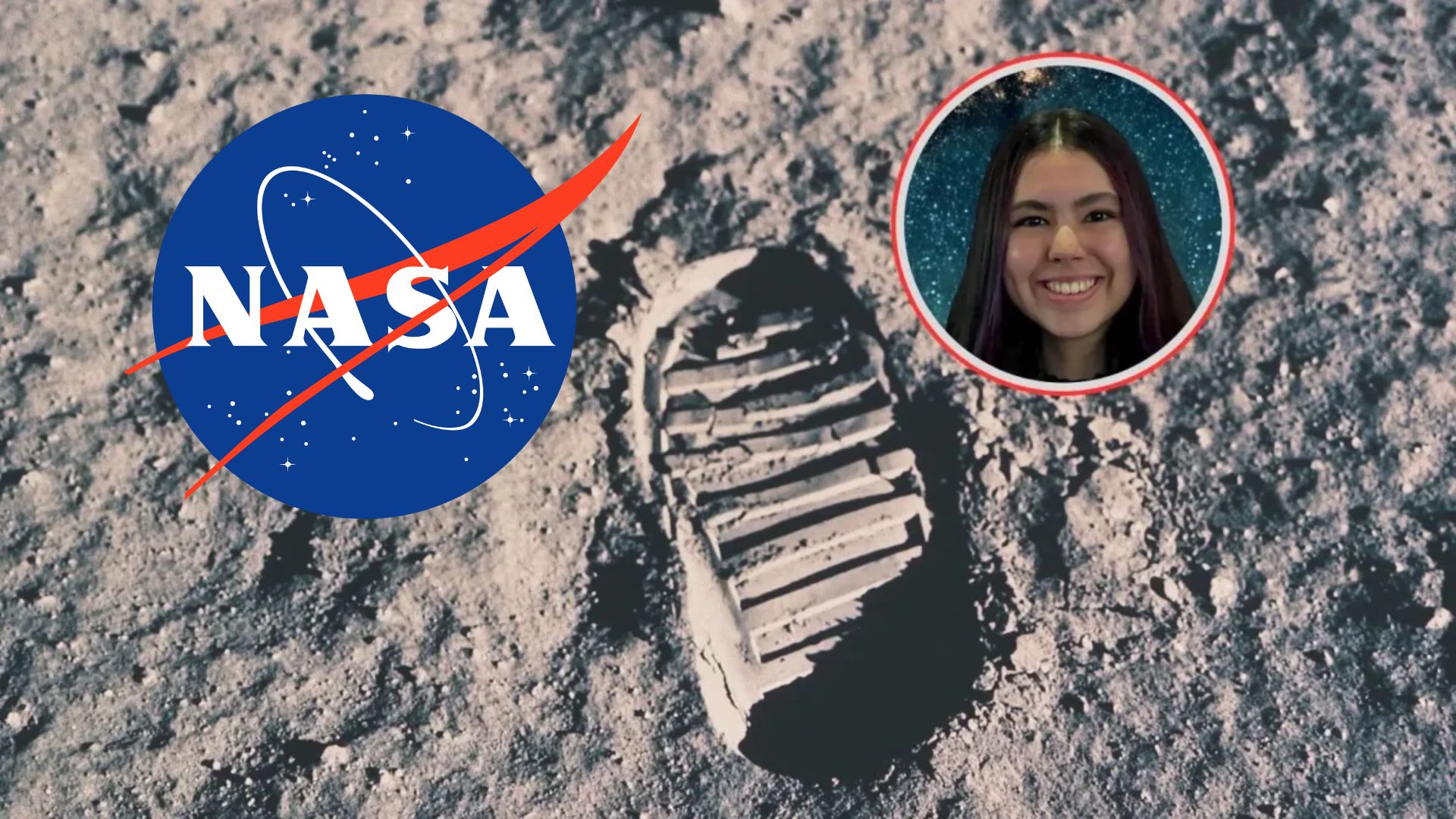
Young Spanish Girl Develops Revolutionary Technique to Produce Lunar Cement Using Sweat and CO₂, Highlighted by NASA. Innovation Promises Impact on Civil Construction in Extreme Environments, Like Space and Arid Regions of Earth.
The production of solid lunar cement, developed without the use of liquid water and heavy machinery, has already caught NASA’s attention and international experts due to the possibility of transforming not only space exploration but also civil construction in arid regions of Earth.
The innovation, led by Palma Bejarano Rey, a 16-year-old Spanish girl, uses enzymes and regolith (mineral powder) as a basis to create a sustainable alternative to traditional cement.
The method, capable of utilizing even human sweat and carbon dioxide (CO₂), has been presented at prestigious scientific forums and opens new perspectives for construction in extreme environments.
-
After a submarine disappeared beneath the “Doomsday Glacier,” scientists announce a new monstrous machine capable of operating at 3,000 meters depth to return to the heart of the ice and investigate a threat that could raise sea levels worldwide.

-
NASA has set a date for the beginning of the end of Earth, and it won’t be an asteroid or an explosion: the planet will slowly lose its oxygen over the course of 1 billion years because the Sun is getting hotter every day.

-
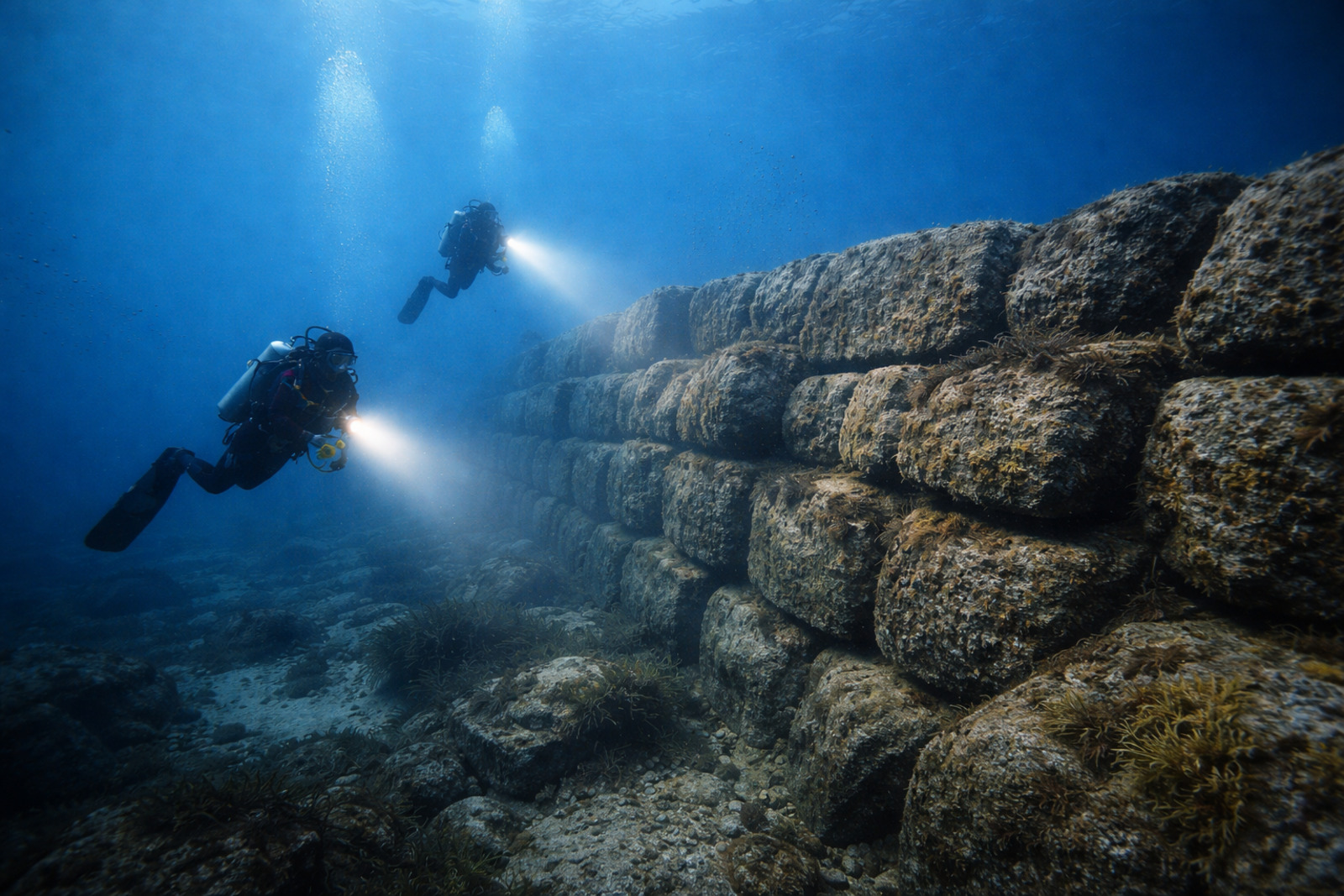
Archaeologists have discovered a colossal submerged wall in the Atlantic, dating back 7,000 years and weighing 3,300 tons, regarded as the largest prehistoric submerged structure ever found in France.
-
Scientists have discovered a gigantic magnetic anomaly hidden beneath the soil of Australia that mirrors the shape of the entire continent and holds geological records of two and a half billion years that could change what we know about the Earth.

Origin of Sustainable Lunar Cement
The Lithos Concrete project was born from Palma Bejarano Rey’s unease regarding the challenges presented by NASA’s Artemis program, which plans to return manned missions to the Moon starting in 2027.
A native of Algeciras, Spain, the student realized that the high cost and difficulty of transporting water and heavy materials to the lunar surface could jeopardize the feasibility of building a permanent base on the satellite.
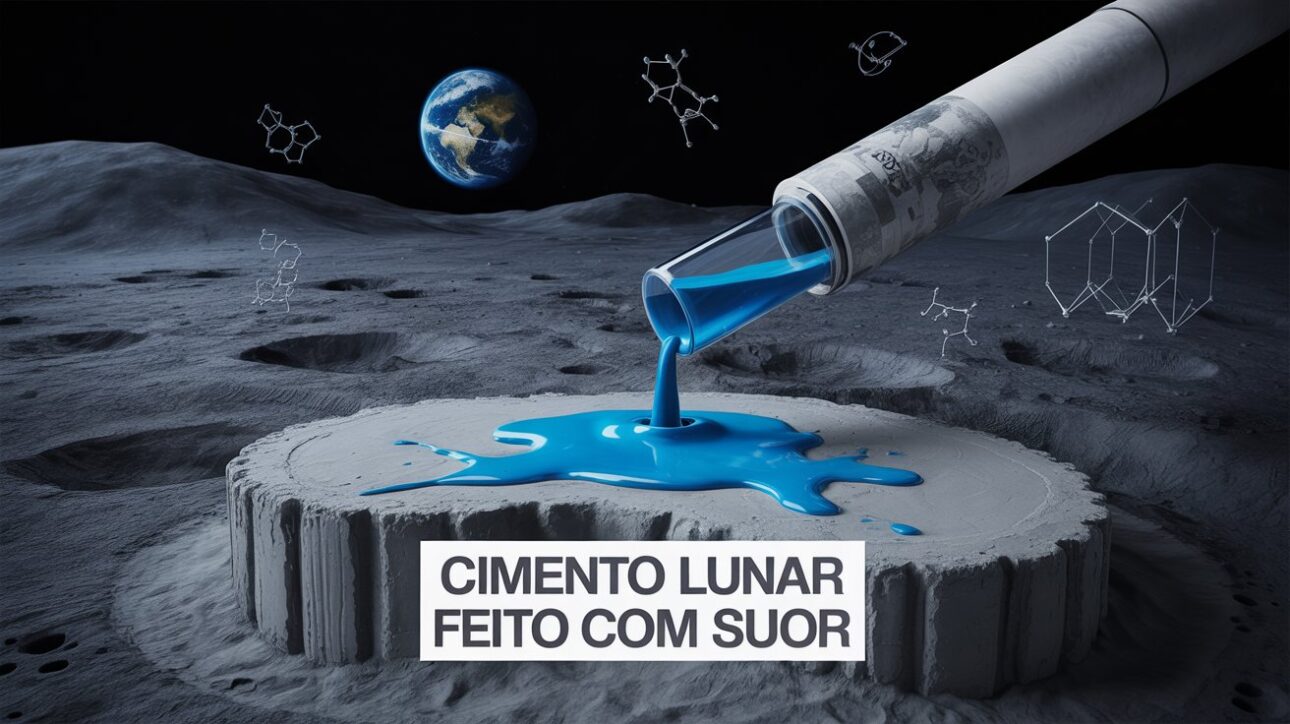
Inspired by research in biotechnology and natural processes, Palma developed a dry enzymatic cement, capable of being produced from lunar regolith, specific enzymes, and minimal traces of water vapor – a resource that can be obtained from the sweat or breath of astronauts.
According to the creator, the technique completely dispenses with industrial furnaces, living microorganisms, and large volumes of energy, making it viable in an environment where resources are severely limited.
The result is the formation of calcium carbonate, the same component found in marine shells and rock formations such as marble and limestone, but produced sustainably and adapted to the lunar reality.
Innovative Process and Use of Enzymes
The differentiator of Lithos Concrete lies in the biochemical process, specifically designed to function under the extreme conditions of the Moon.
The method utilizes the enzyme carbonic anhydrase (CA), a natural catalyst capable of accelerating the conversion of CO₂ and water vapor into bicarbonate ions.
This step occurs in a specially developed bioreactor, divided into two interconnected chambers: Alpha and Beta.
In the Alpha chamber, CO₂, captured from the air exhaled by astronauts, and water vapor are directed to a silica matrix impregnated with immobilized enzymes.
The controlled environment ensures stability for the enzyme and facilitates the chemical reaction.
The product of this step, rich in bicarbonate, flows through microchannels to the Beta chamber, where it meets calcium ions extracted from lunar regolith, especially from minerals like anorthite.
The meeting of these elements results in the precipitation of calcium carbonate, which solidifies under low humidity and can be compacted into structural blocks.
The method, called L-DEW (Lunar Dry Enzymatic Welding), represents an important advance by allowing the production of dry cement without relying on imported resources or high-temperature processes.
Lunar Technologies and Differentiators of the Innovation
Research to construct on the Moon has evolved considerably in recent decades.
Methods such as microwave or laser sintering, tested by agencies like NASA (National Aeronautics and Space Administration of the United States) and ESA (European Space Agency), seek to fuse regolith through intense heat, reaching temperatures above 1,100°C.
Although these techniques can produce solid blocks for construction, they demand large amounts of energy and present considerable technical challenges, especially in thermal control in an extreme environment like the lunar one.
Other alternatives include the use of geopolymers and mixtures like Lunarcrete, which combine regolith and activating compounds to form resilient materials.
However, these processes depend on reagents imported from Earth and often face limitations regarding durability and behavior under temperature and pressure variations in space.
The solution proposed by Lithos Concrete stands out by dispensing with liquid water and large volumes of energy, while exclusively utilizing resources available in the lunar environment itself, in line with the concept of In-Situ Resource Utilization (ISRU).
The potential for modular production through the interconnected bioreactor system also represents a gain in scalability and adaptation for future lunar bases.
Scientific Collaboration and Biological Inspiration
The development of bioinspired lunar cement reflects the observation of phenomena present in marine organisms, such as corals and mollusks, which produce their structures from the transformation of minerals in aquatic environments.
Adapting this concept to a dry scenario without industrial infrastructure required research and international collaboration, involving young scientists from countries like Canada, Switzerland, United Arab Emirates, and Spain.
According to Palma Bejarano Rey, the Lithos Concrete team holds weekly virtual meetings, working together despite the physical distance.
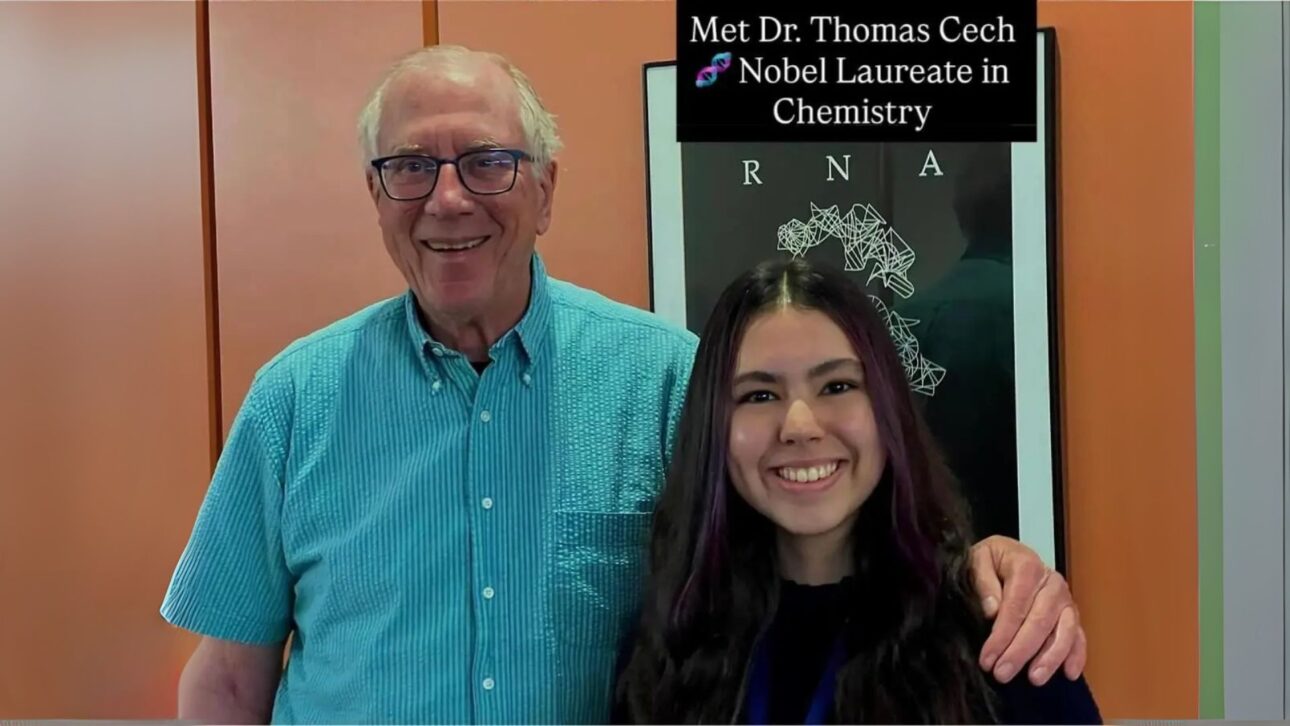
Palma’s participation in excellence programs, such as the Summer Science Program in Colorado (USA), reinforces the multidisciplinary profile of the team, which includes specialists in astrophysics, biology, and computing.
The international recognition included the presentation of the project at the CCIR Student Research Symposium 2025, held at King’s College London, coordinated by the University of Cambridge, in addition to the highlight in the prestigious Conrad Challenge, supported by NASA.
Potential of Dry Enzymatic Cement in Arid Regions
Although it was conceived for the lunar context, the technology of dry enzymatic cement arouses great interest for use in arid areas vulnerable to the effects of climate change.
In areas where water scarcity compromises the production of conventional cement, the alternative presented by Lithos Concrete can offer environmental and economic benefits, reducing the consumption of natural resources and the carbon emissions associated with the construction industry.
The proposal also aligns with current debates on sustainability and innovation, expanding the possibilities for constructions adapted to different planetary challenges.
For many experts, initiatives like that of the young Spanish girl reinforce the importance of investing in science and research as tools to solve global problems and prepare humanity for increasingly complex scenarios.






Seja o primeiro a reagir!