





 Portuguese
  English
  Spanish
  4 min of reading
  0 comments


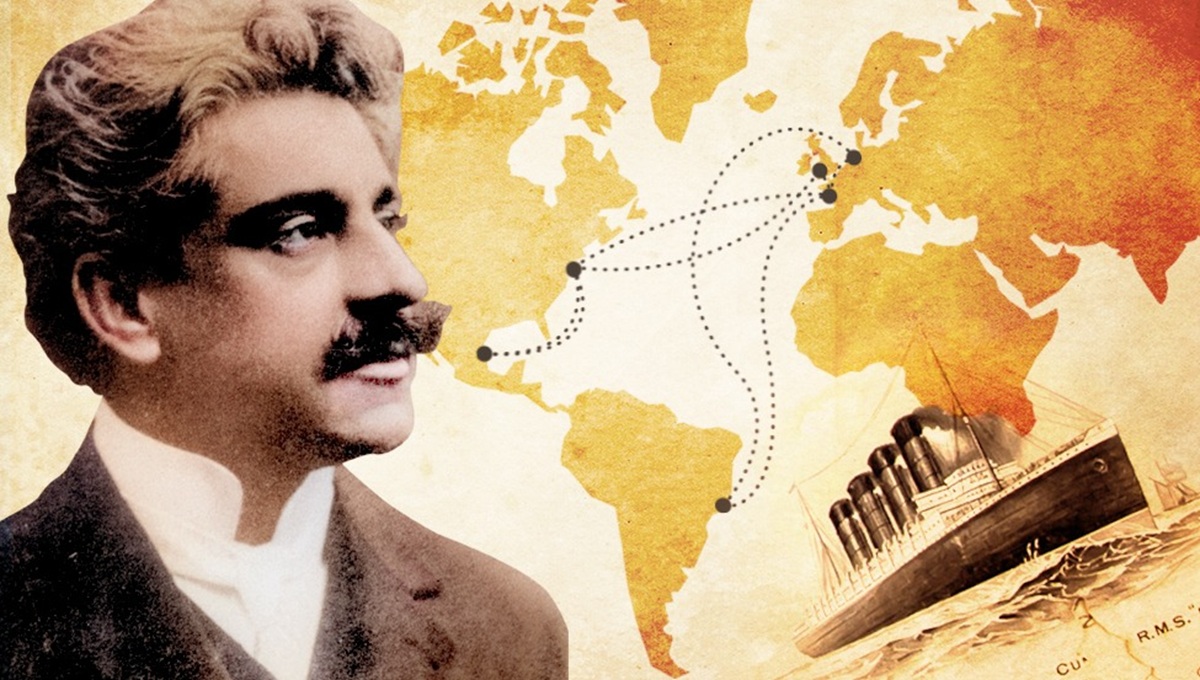
The Stories of These Researchers Show How Brazilians Managed to Face Epidemics, Create Vaccines, Identify Vectors, and Reveal Particles That Transformed Science, Elevating the Country to a New Level of International Recognition
Great names in Brazilian science helped to transform medicine, physics, astronomy, and other essential areas, placing the country in the spotlight on the international scene.
The contributions of these researchers crossed borders and marked generations of scientists. Their trajectories reveal dedication, pioneering discoveries, and a deep commitment to advancing knowledge.
Each of them left a legacy that continues to influence studies, institutions, and scientific practices in Brazil and around the world.
-
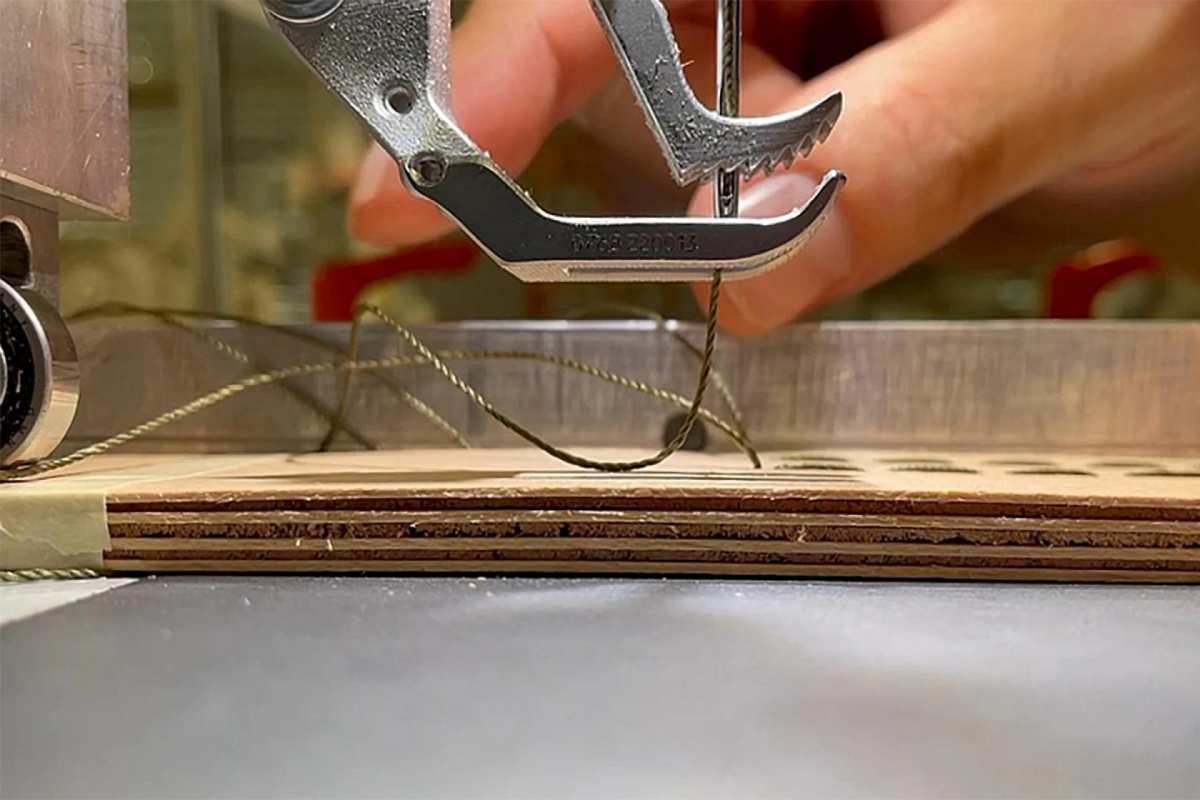
A simple stitch in wood with nylon thread can reduce adhesives, speed up production, and make sheets up to 4 times stronger and 14 times more difficult to break.
-
The gigantic steel shell built to contain Chernobyl for a century has been pierced by a drone, exposing a critical system and creating a hole that could cost over 500 million euros to repair.

-
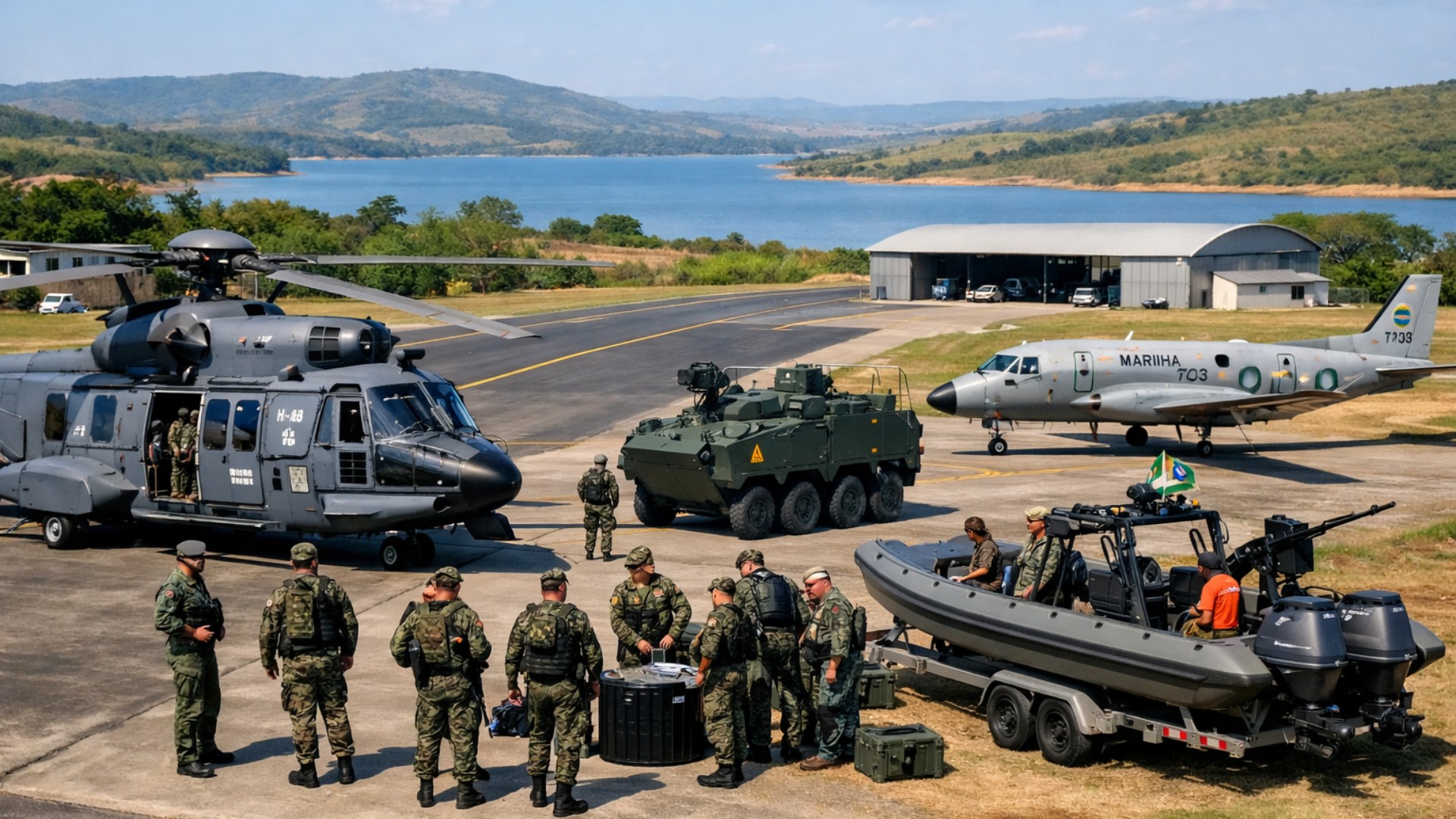
Brazilian Navy reaches a new level by taking over an airport with a 1,600-meter runway used by 1,800 military personnel and autonomous attack drone testing.
-
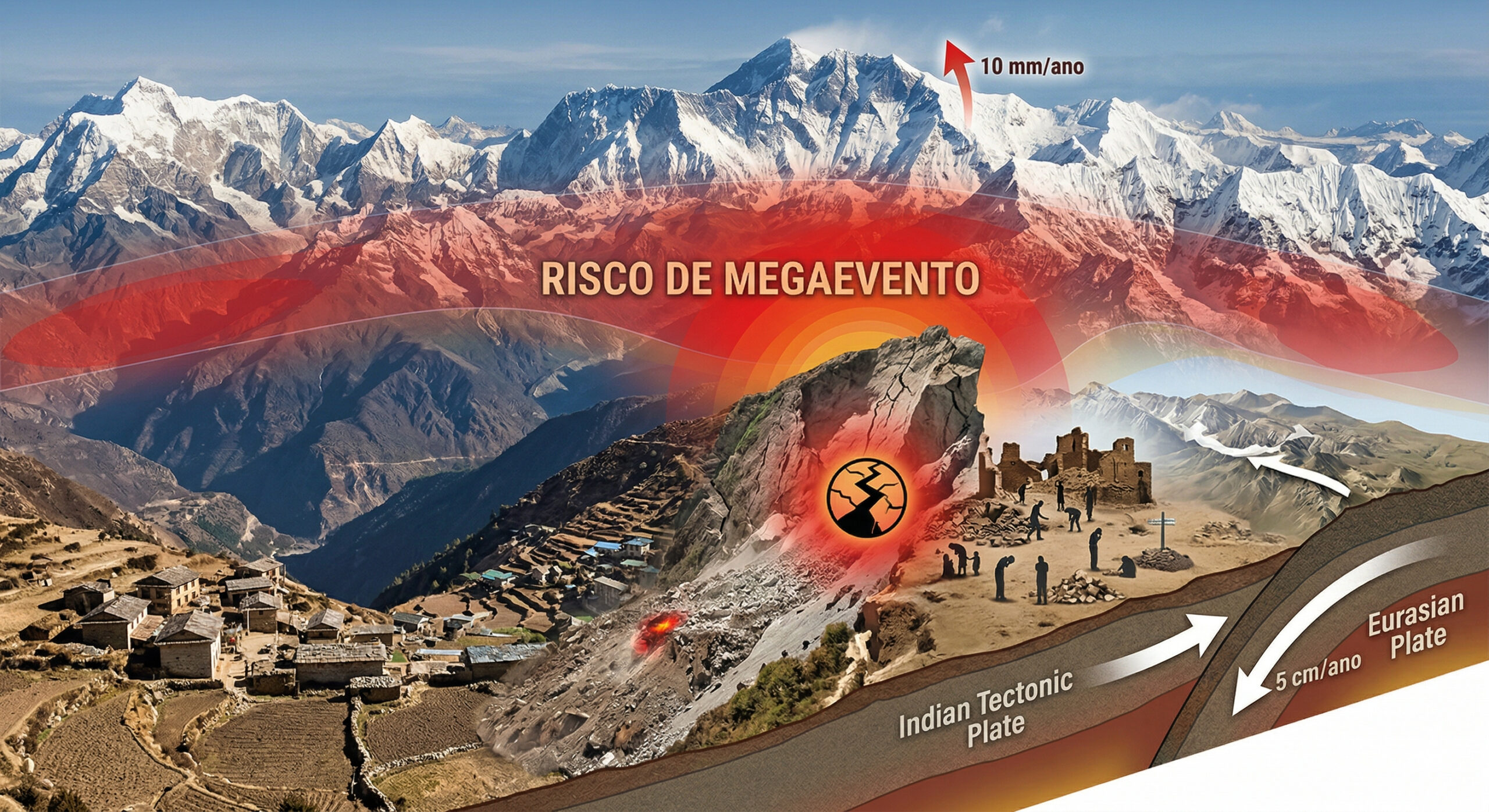
The Himalayas continue to grow to this day, with tectonic plates advancing 5 cm per year, mountains rising up to 10 mm annually, and the 2015 earthquake that killed 9,000 people may have increased the risk of an even larger seismic mega-event.

César Lattes and the Discovery That Changed Physics

César Lattes became one of the most recognized names in Brazilian science. The surname that names the platform for researchers’ curricula in the country shows the extent of the impact he caused.
Born in Paraná and the son of Italian immigrants, he studied physics and mathematics at USP and maintained an academic trajectory marked by constant advancements.
After receiving a scholarship from the Rockefeller Foundation, he worked at the University of California and consolidated his reputation as the leading Brazilian scientist of his generation.
In addition, he was one of the founders of the Brazilian Center for Physical Research in Rio de Janeiro, which became a reference in the field.
Together with colleagues, he participated in the discovery of the atomic particle known as the pi meson, a milestone for modern physics. The life and work of César Lattes continue to inspire researchers who seek to break scientific boundaries.
Oswaldo Cruz and the Revolution in Public Health

Doctor Oswaldo Cruz played a central role in combating some of the most serious diseases that affected Brazil.
He was primarily responsible for controlling yellow fever, smallpox, and bubonic plague in the country during a time marked by frequent outbreaks and great national concern.
His work as a sanitary physician, epidemiologist, and bacteriologist combined research and public management.
Native of São Paulo and the son of a doctor, he began producing articles on microbiology early while studying Medicine in Rio de Janeiro.
He worked in the Bacteriology Laboratory linked to the Hygiene chair of the college and also took over the clinic that he inherited from his father.
In Paris, he expanded his training at the Pasteur Institute, where he specialized and worked for an important period.
After returning to Brazil, he held public positions until he was appointed Director of Public Health by President Rodrigues Alves.
In this role, he led sanitary campaigns that changed the history of health in the country. Oswaldo Cruz’s academic and professional trajectory remains a reference in the field of health.
Carlos Chagas and the Identification of a New Disease

Carlos Chagas gained recognition by identifying the protozoan Trypanosoma cruzi, the agent responsible for Chagas disease, which was named after him.
The sanitary physician combined laboratory research and fieldwork to understand and combat diseases affecting the population. His studies also contributed to tackling malaria, particularly in the Fluminense lowlands.
Chagas worked in public agencies and research institutes such as the Manguinhos Institute, now known as Oswaldo Cruz Institute.
In addition, he led prevention campaigns and conducted scientific expeditions in areas such as Minas Gerais and the Amazon, expanding understanding of endemic diseases.
In 1919, he was invited by President Epitácio Pessoa to head the National Department of Public Health. His professional journey became an essential chapter in Brazilian medical science.
Adolfo Lutz and the Studies of Tropical Diseases

Adolfo Lutz made a decisive contribution by identifying the aedes aegypti mosquito as the main transmitter of malaria.
The discovery highlighted the importance of vector studies and boosted tropical medicine in the country.
Born in Rio de Janeiro, the son of Swiss parents, he studied Medicine at the University of Bern and specialized in London, Vienna, and Paris.
Upon returning to Brazil, he became the director of the Bacteriological Institute of São Paulo, which now bears his name. He also worked at the Manguinhos Institute, where he participated in scientific investigations and expeditions throughout the country.
Among the diseases he researched and helped combat are schistosomiasis, leprosy, malaria, typhoid fever, and leishmaniasis. His biography is marked by dedication to research and public health.
Vital Brazil and the Advancement of Treatment for Poisonous Animal Accidents

Vital Brazil stood out in the study of toxins and the development of antivenom serum, essential for treating victims of poisonous animal bites.
Thanks to the researcher’s work, thousands of people survived accidents involving scorpions, spiders, and snakes. Born in Minas Gerais, he moved to São Paulo at a young age and later to Rio de Janeiro, where he studied Medicine.
He began his work in public health in São Paulo, participating in missions to contain outbreaks of bubonic plague, smallpox, typhus, and yellow fever, diseases he even contracted.
During an expedition, he had to care for numerous bite victims, motivating him to deepen research at the Bacteriological Institute of the State of São Paulo. He later worked at the Butantan Institute, where he made significant advancements.
Over 20 years, he dedicated himself to producing serums and vaccines against typhus, smallpox, tetanus, and other diseases. After moving to Rio de Janeiro, he founded the Vital Brazil Institute, solidifying his name among the great researchers of the country. Vital Brazil’s trajectory remains a milestone in the history of science and medicine.








Seja o primeiro a reagir!