





 Portuguese
  English
  Spanish
  3 min of reading
  1 comment


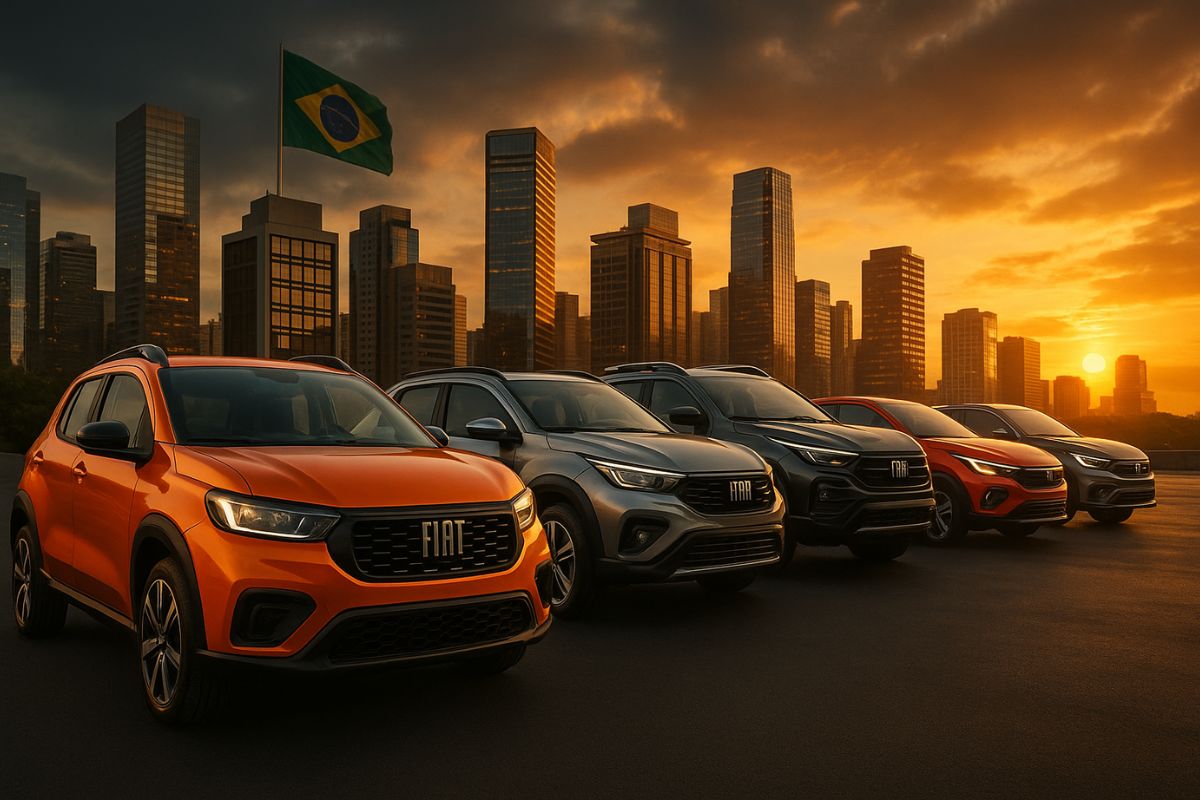


Fiat Confirms It Will Have Five Launches in the Country by 2030, and the List of New Fiat Cars Should Include the Grande Panda, Along with the Coming Generations of Strada, Toro, Fastback, and Pulse, All with Hybrid Versions and Focus on Global Platforms.
Fiat announced, at an event held in Turin (Italy) and confirmed in a report by João Buffon for Terra, that it will have one launch per year in Brazil between 2026 and 2030. There will be five debuts in total, marking a new phase for the automaker in the country, with a focus on electrification, global design, and more efficient engines.
According to João Buffon’s report to the Terra portal, the first model is expected to be the Grande Panda, already being tested in Brazil and planned to replace Mobi and Argo. It will have mild hybrid versions, a 1.0 Firefly engine with 75 hp and a 1.0 turbo flex engine with 130 hp, along with unprecedented design and national production in Betim (MG). This debut will be strategic, as it will serve as a basis for other compact models that will arrive in the following years.
Grande Panda Should Open the List
The Grande Panda will be the starting point for the new Fiat cars in Brazil.
-
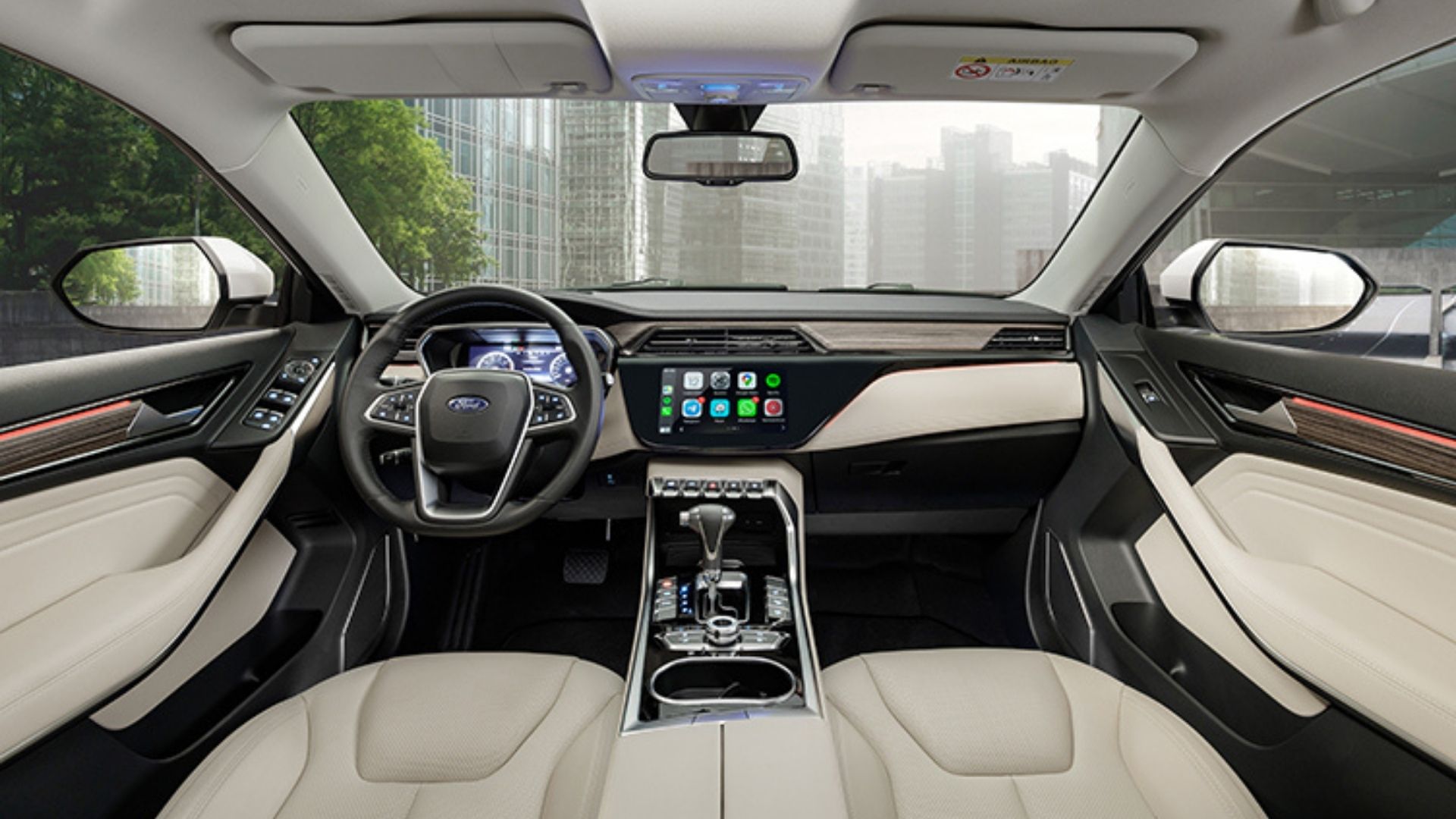
Around R$ 24,000: 4 used Ford SUVs with up to 253 hp, V6 engine, all-wheel drive, 7 airbags, panoramic sunroof, and a complete package that surprises with its price and performance in Brazil.
-
A brand new car starts at around R$ 75,000 in Brazil, but what stands out the most is seeing streets filled with SUVs and expensive sedans in a country where millions remain in debt.

-
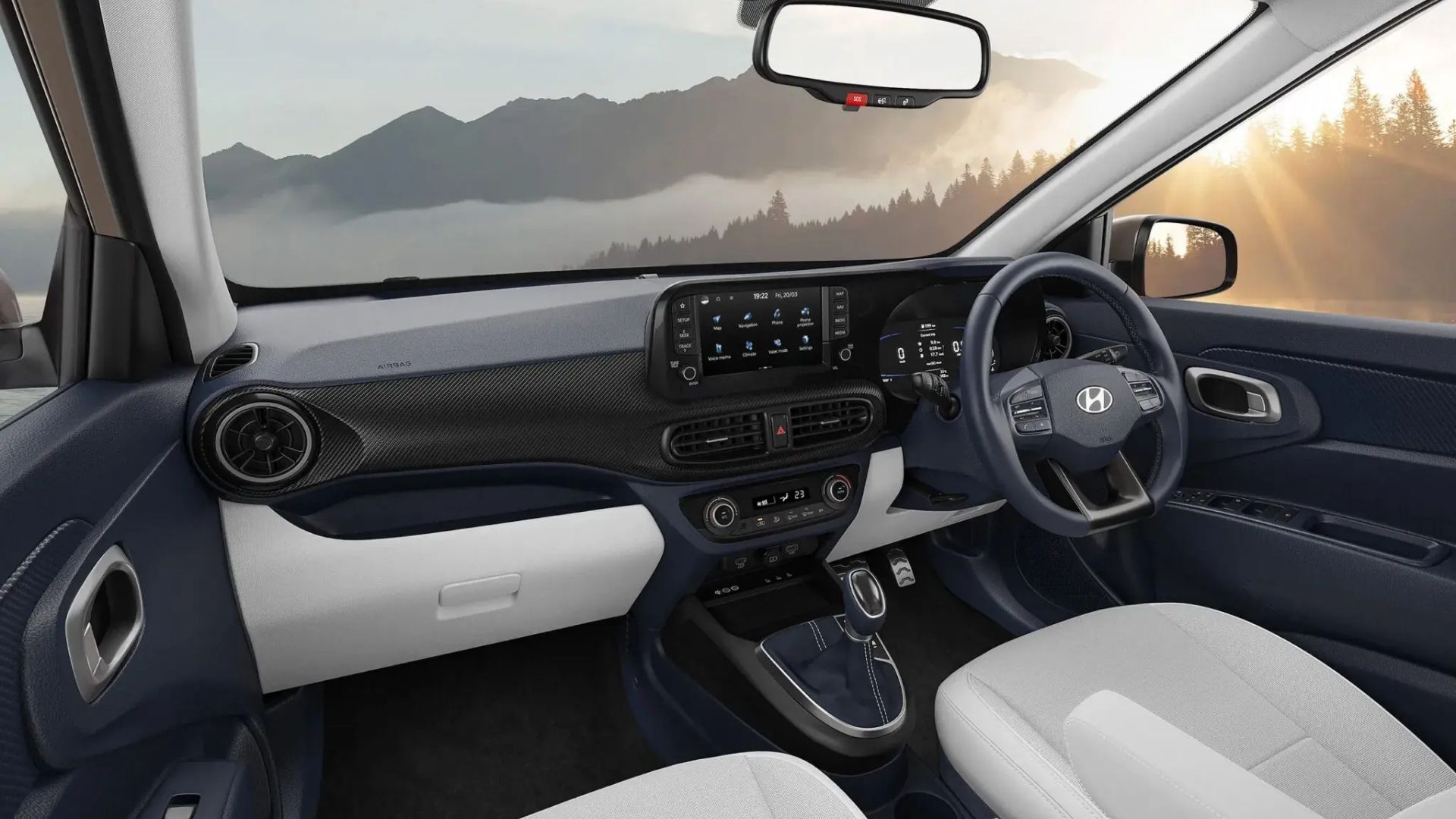
For R$ 32,000, a brand new Hyundai car is a rival to the Kwid with a 1.2 engine producing 82 hp, 6 airbags as standard, multimedia with wireless Android Auto, up to 391 liters in the trunk, and a refreshed look for 2026 in India.
-
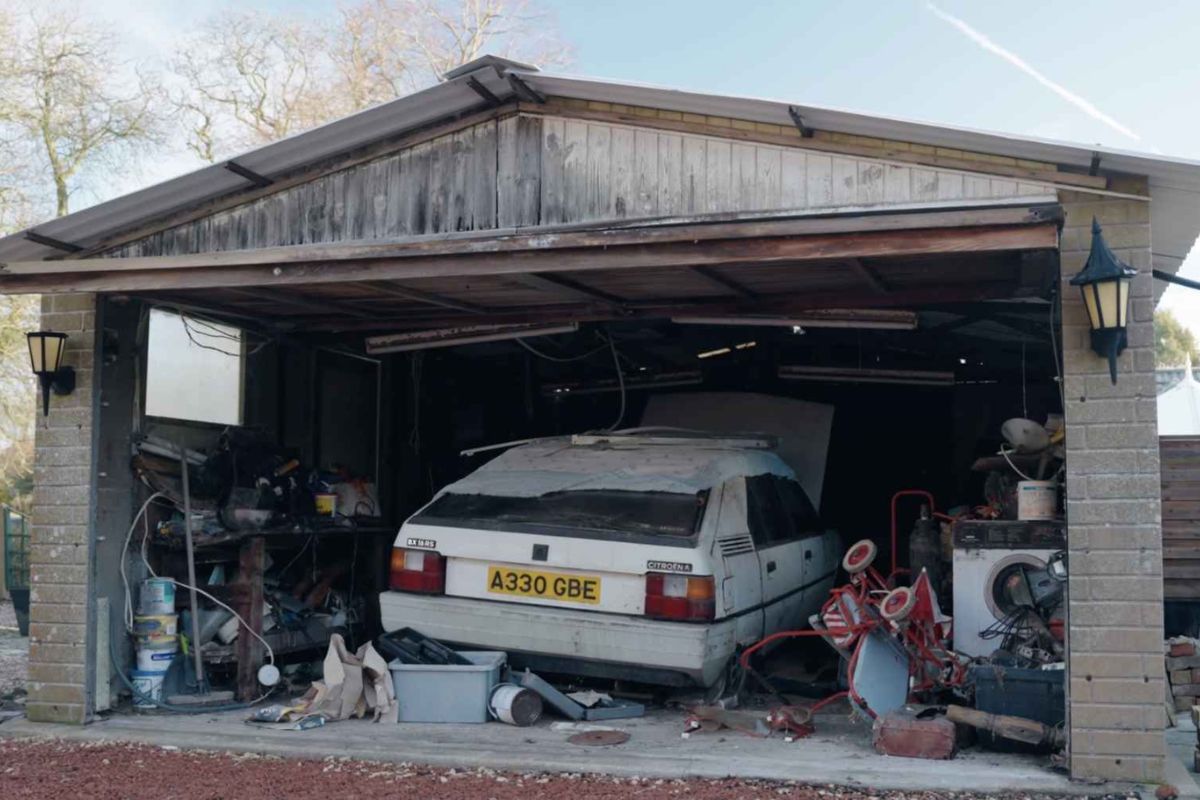
He bought a new car in 1983, locked it in the barn in 1988, and no one opened the door for 38 years until the family discovered what was stored inside and realized it looked like something out of a movie.

The Italian brand presented five concepts derived from the Panda in Europe, including hatchbacks, pickups, and SUVs.
These prototypes are expected to inspire Brazilian models, highlighting modern style and adaptation to electrification demands.
In addition to replacing two entry-level models, the Panda also makes way for a C-segment SUV, already confirmed by global CEO Olivier François.
This vehicle is expected to share characteristics with the Citroën C3 Aircross and could be the natural successor to the Pulse in Brazil, expanding the brand’s utility vehicle lineup.
Strada and Toro Are on the Plans
The Fiat Strada, the sales leader in Brazil, will have a new generation by 2030.
The model is expected to adopt the Grande Panda’s platform, allowing for greater technological integration and adaptability to hybrid systems.
The pickup will continue to be one of the brand’s pillars, especially in the job market and urban use.
The Fiat Toro is expected to migrate to the STLA Medium platform, the same that will be used in the future Jeep Compass.
This will allow the adoption of more advanced hybrid engines and even electric ones, expanding the pickup’s competitiveness in a market that already has electrified Chinese rivals.
Production will continue at the Goiana (PE) plant.
Fastback and Pulse Renewed
Among the SUVs, Fiat Fastback and Fiat Pulse will receive deep updates by the end of the decade.
Both are expected to remain on the CMP platform, shared with Peugeot and Citroën models, but will have electrified versions to face competitors like Volkswagen T-Cross, Nivus, and rapidly expanding Chinese SUVs.
In Europe, the Panda Fastback concept already indicates the direction of the brand’s future coupe SUV, which is expected to replace the European Tipo.
The global model is expected to feature sporty lines, technological interior, and a wide range of hybrid and electric engines, maintaining Fiat’s relevance in different segments.
With five confirmed debuts between 2026 and 2030, the new Fiat cars promise to consolidate the brand’s presence in Brazil in a landscape of transition to electrification and increased global competitiveness.
The Grande Panda is expected to inaugurate the new phase, followed by renewed generations of Strada, Toro, Fastback, and Pulse, each with a strategic role within the portfolio.
And you, do you believe that Fiat’s strategy will keep the brand at the forefront of the national market, or will Chinese and German rivals dominate the next decade? Share your opinion in the comments — we want to hear from those closely following this competition in the automotive sector.









It can be done FIAT have to accept change & compete with the rest. Build good quality & service plus back up of parts & be competitive all this should keep them in good stead.
It can be done.
FIAT Numero uno.