





 Portuguese
  English
  Spanish
 4 min of reading
  24 comments


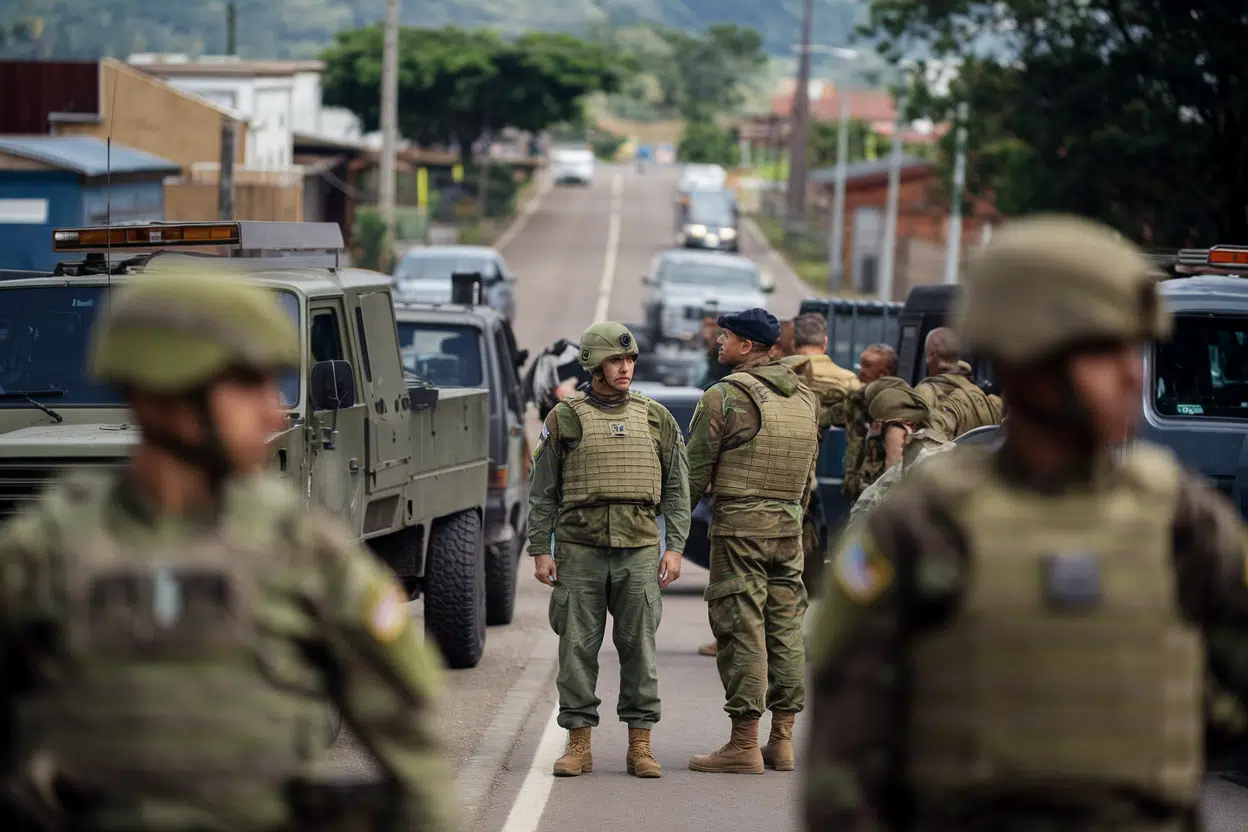


The Territorial Conflict Between Ceará and Piauí Involves Interpretations of Historical Documents and May Affect 13 Municipalities. Understand the Army’s Proposals to Resolve This Impasse in the STF
The controversy surrounding a territory of 2,821 km² between the states of Ceará and Piauí remains without a definitive solution. Involving 13 municipalities and nearly double the area of the city of São Paulo, this territorial dispute, laden with historical and legal implications, dates back to the 16th century and continues unresolved. Since 2011, the case has been under analysis by the Federal Supreme Court (STF), with direct impacts on thousands of people living in the region.
The main claim of Piauí is based on old documents, such as the Imperial Decree of 1880 and the Arbitral Agreement of 1920, which would indicate a redefinition of the borders. On the other hand, Ceará insists on the validity of the historical borders established over a hundred years ago, as reported by TV Ceará.
An Nineteenth-Century Decree and the Beginning of the Controversy Over the Territory
The origin of this litigation can be traced back to the Imperial Decree of 1880, the central piece of the debate. This document formalized a land exchange between the states, granting Ceará a coastal strip that previously belonged to Piauí. However, the delimitation included the Ibiapaba Mountain Range in Ceará’s territory, something that is now contested by Piauí. While the residents of Piauí argue that the interpretation of the decree gives them the right to annex the mountain range, Ceará maintains that the text is unequivocal: the Ibiapaba Mountain Range belongs to the state. “The decree of 1880 leaves no doubt: the mountain is Ceará’s!” claim Ceará’s supporters.
-
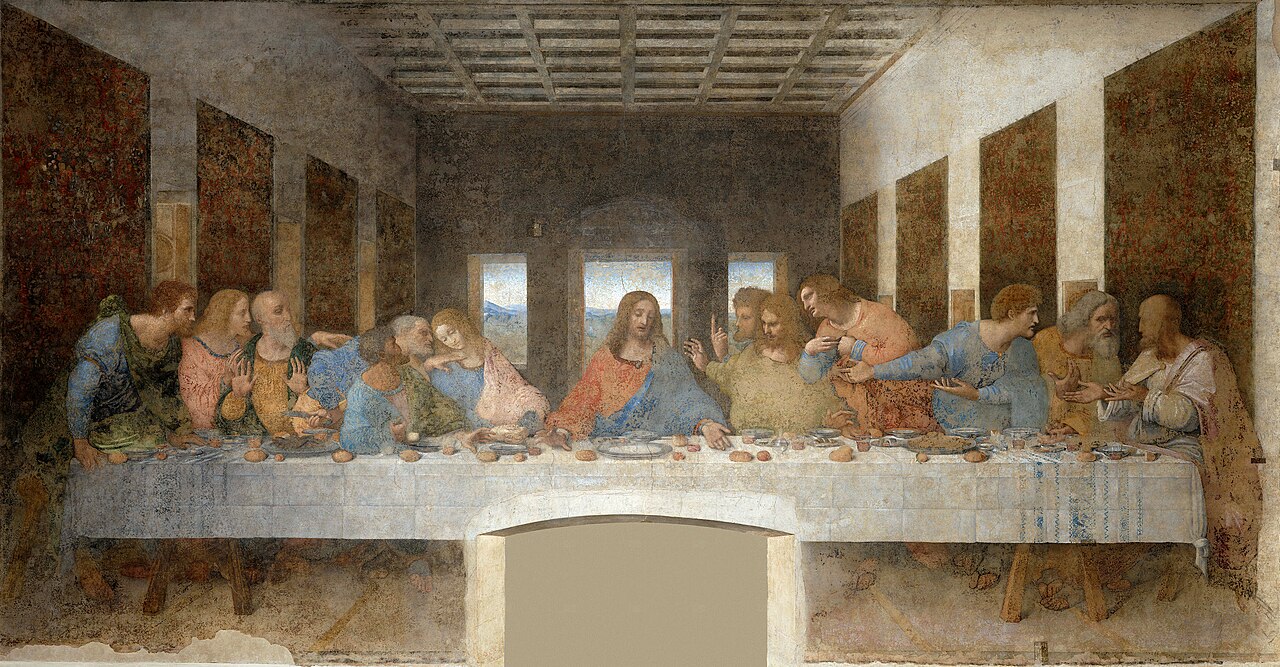
Hidden marks on the walls of the site associated with the Last Supper of Jesus for centuries have been deciphered in Jerusalem, revealing medieval inscriptions left by pilgrims, European nobles, and travelers from the Middle East.
-
One of the most important lakes in the United States for birds, the balance of nature, and the climate has dried to historic levels, leaving boats stranded, revealing salt flats, and showing how the lack of water can transform an entire landscape.

-
It’s not Cristiano Ronaldo or Messi: the richest football player in the world is only 27 years old, has a fortune of 100 billion reais, and is the nephew of a sultan from an Asian country that few people know about.

-
At 77, the king of one of the most famous and powerful crowns on the planet is said to be under pressure to leave the throne, while behind the scenes there are already talks of a new coronation that could cost R$ 260 million.


The Arbitral Agreement of 1920: A Frustrated Attempt at Agreement
Another key point in the impasse is the Arbitral Agreement of 1920, which proposed a new configuration for the border, transferring the Ibiapaba Mountain Range to Piauí. However, the Ceará legislative assembly never ratified this agreement, which, according to representatives of the state, renders the document invalid as a legal argument. “It’s like trying to sell a house without a signed deed!” ironize supporters from Ceará, emphasizing that the lack of formal validation of the agreement perpetuates the legal deadlock.
The Ibiapaba Mountain Range: Territory or Identity?
The Ibiapaba Mountain Range is at the heart of the dispute and, for Ceará, a symbol of historical identity. Eighteenth-century documents, such as a record from 1720, attest that the region was already recognized as part of Ceará’s territory during the Jesuit period. “It’s not just a territorial issue; it’s a piece of our history!” defend the residents of Ceará. For Piauí, however, the mountain range represents a strategic and historical point, which is why it seeks its incorporation.
The Report from the Brazilian Army and the Five Proposed Solutions
In June 2024, the Brazilian Army presented a technical report to the STF proposing five alternatives to resolve the impasse. The options include:
- Incorporate the Ibiapaba Mountain Range into Piauí: In this scenario, Ceará would lose 6,162 km², encompassing three entire municipalities, seven municipal seats, and 36 districts currently under its administration.
- Equal Division of the Disputed Areas: The proposal suggests a share in half, with each state receiving about 1,410 km². However, this solution does not take into account the distribution of buildings and affected populations.
- Transfer All Areas to Piauí: Piauí would gain the 2,821 km² in dispute, directly impacting the 13 municipalities currently belonging to Ceará.
- Maintain All Areas Under Ceará: Here, the neighboring state would waive any claim, ceding 2,821 km² to Ceará.
- Assign the Majority to Ceará: In this alternative, 2,606 km² would remain with Ceará, while Piauí would receive 713 km², preserving local buildings and populations.
The Uncertainties for Residents and the Regional Impact
Still without a final decision, the STF continues to analyze the case, which keeps the affected communities and both states in a state of uncertainty. The undefined borders generate difficulties in administrative management and resource distribution, leaving state governments in suspense.
The centuries-old dispute between Ceará and Piauí is an example of how historical issues and legal interpretations can shape territorial sovereignty in Brazil. Awaiting the definitive ruling from the STF, both states hope that this complex territorial issue will finally be resolved, ending a conflict that challenges time and geography.







Atenção amigos volto aqui somente para retificar algumas palavras do texto: Bom dia a todos! Amigos cearenses e piauienses vamos acolher o decreto imperial emitido há quase 200 anos, no qual delimitou a região e a divisa de ambos Estados, ou seja, a região e seu povo local já vivem esta realidade desde da emissão do referido decreto imperial. Agora depois de quase 200 anos, vem o Estado Piauiense revindicar uma região territorial de propriedade do Estado Cearense na via judiciaria. Agora fica aqui uma pergunta aos representantes do Piauí, porquê depois de quase 200 anos vem o Piauiense com essa litigância judicial? Outra, nosso exército está sem comando, pois chamado a lide pra trazer um aclaramento, que seria trazer a lógica jurídica que seria interpretar o decreto imperial, não, trás mais cerejas de dúvidas para a lide, isto é negar o direito do Estado Cearense e ao seu povo. É lamentável estamos vivendo caos administrativo e jurídicamente, onde ninguém respeita direito legal das pessoas e do Estado Cearense! Torço para se manter os direitos previsto no decreto imperial ainda em vigência. Att a todos vcs que fazem parte desta coluna de opiniões dos leitores…
Bom dia a todos! Amigos cearense e piauienses vamos acolher o decreto imperial no qual delimitou a região e a divisa de ambos Estados, ou seja, a região e seu povo local já vive essas realidade desde da emissão do referido decreto imperial, agora depois de quase 200 anos, vem um Estado revindicar uma propriedade que não lhe pertence na via judiciaria, agora fica aqui uma pergunta aos representantes do Piauí!!! Porquê depois de quase 200 anos o Piauí vem com essa litigância judicial? Outra o nosso exército está sem comando, pois chamado a lide pra trazer um acostamento que seria trazer a lógica jurídica que seria interpretar o decreto imperial, não trás mais cerejas de dúvidas para a lide, isto é negar o direito do Estado cearense e ao seu povo. É lamentável estamos vivendo caos administrativo e jurídico onde ninguém respeita direito legal das pessoas e do Estado Cearense!!!
Teria uma sexta solução: fazer uma votação com as populações afetadas perguntando a quem deve pertencer aquela área.