





 English
  Francês
  Alemão
  Italiano
  Japonês
  Norueguês
  Portuguese
  Spanish
  3 min of reading
  1 comment


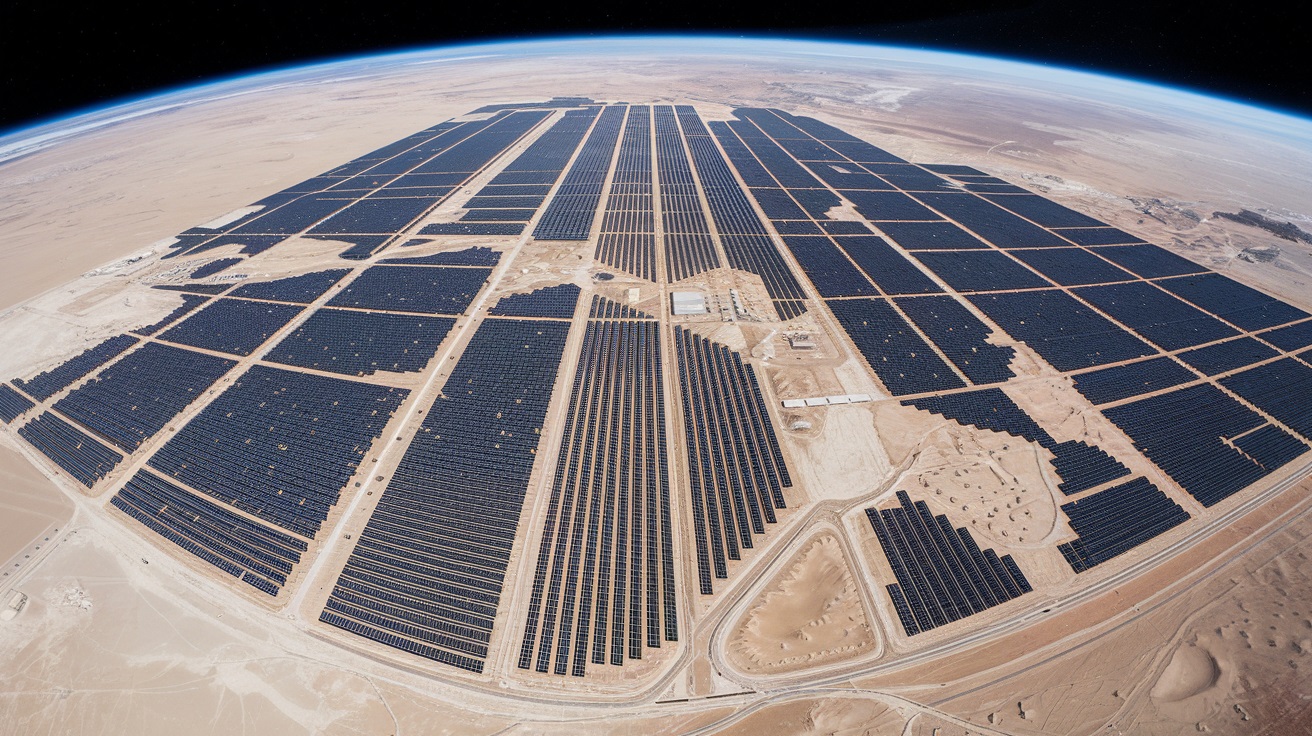

The Largest Solar And Wind Power Plant Is 5 Times Larger Than Paris And, When Finished, It Will Be Able To Generate Clean Energy For 16 Million Homes. Meet The Solar And Wind Power Plant Of Khavda, In India!
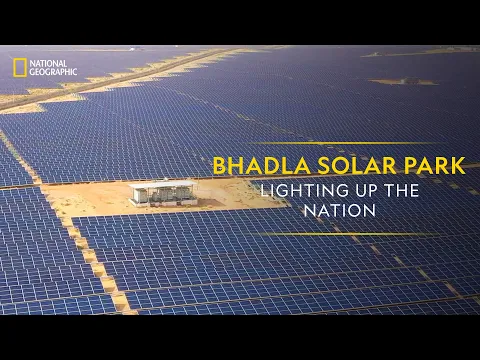
With five times the size of Paris and visible from space, the largest clean energy plant in the world is under construction, aimed at providing enough electricity to power all of Switzerland. The magnitude of the solar and wind power plant being developed in the arid areas of the salt desert on the western Indian frontier makes it one of the most significant sources of clean energy on the planet. The scale of the project is so vast that even those in charge have difficulty keeping up with its pace.
Largest Solar And Wind Power Plant Will Cover More Than 200 Square Miles
The Adani Group, the largest coal importer in India and one of the leading miners of the fuel, was founded in 1988 and has businesses in areas ranging from ports and thermal power plants to cement. Its clean energy unit, AGEL, is developing a vast solar and wind power plant in the state of Gujarat in western India, at a cost of US$ 20 billion.
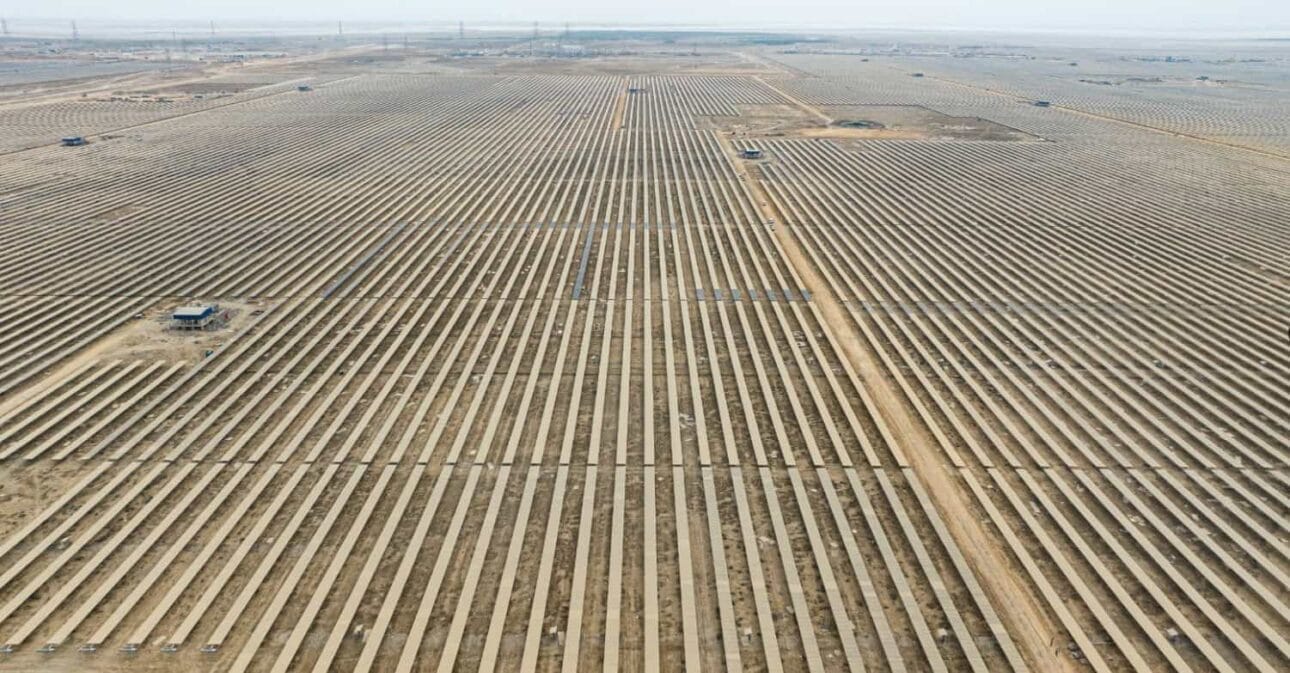
So far, the venture has been classified as the largest clean energy park in the world and is set to be completed in about 5 years, generating enough electricity to power 16 million Indian homes.
-
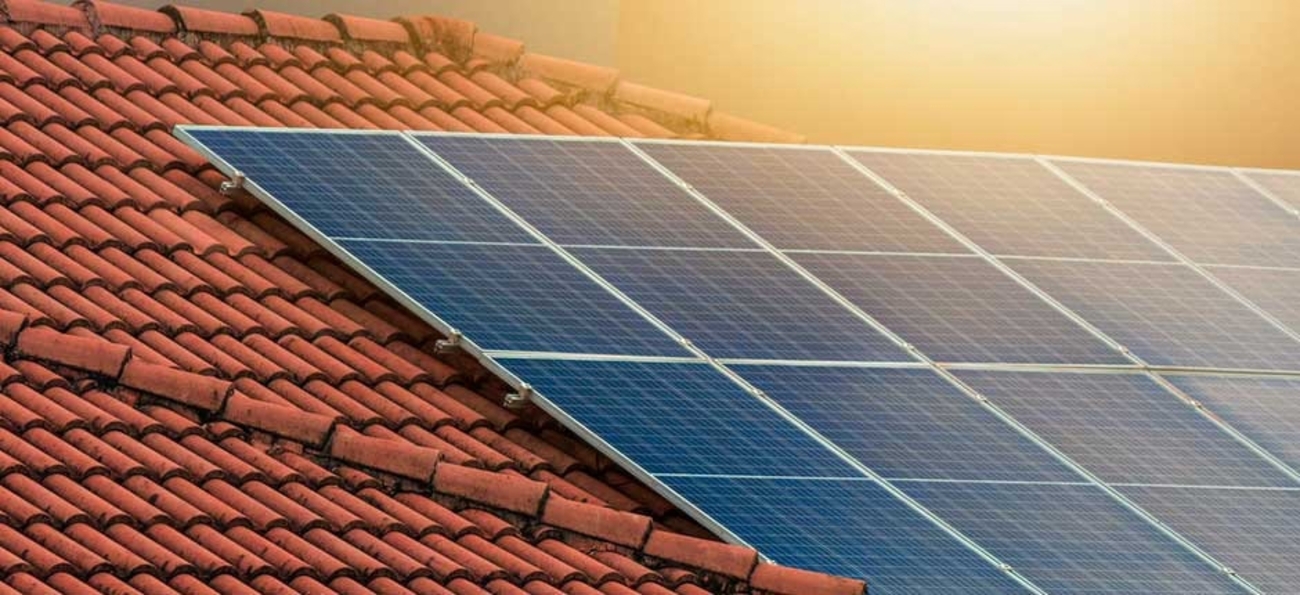
Roraima bets on the sun to escape high tariffs: Amid the energy crisis and price hikes, solar energy is growing in Roraima and transforming consumption in the North region.
-
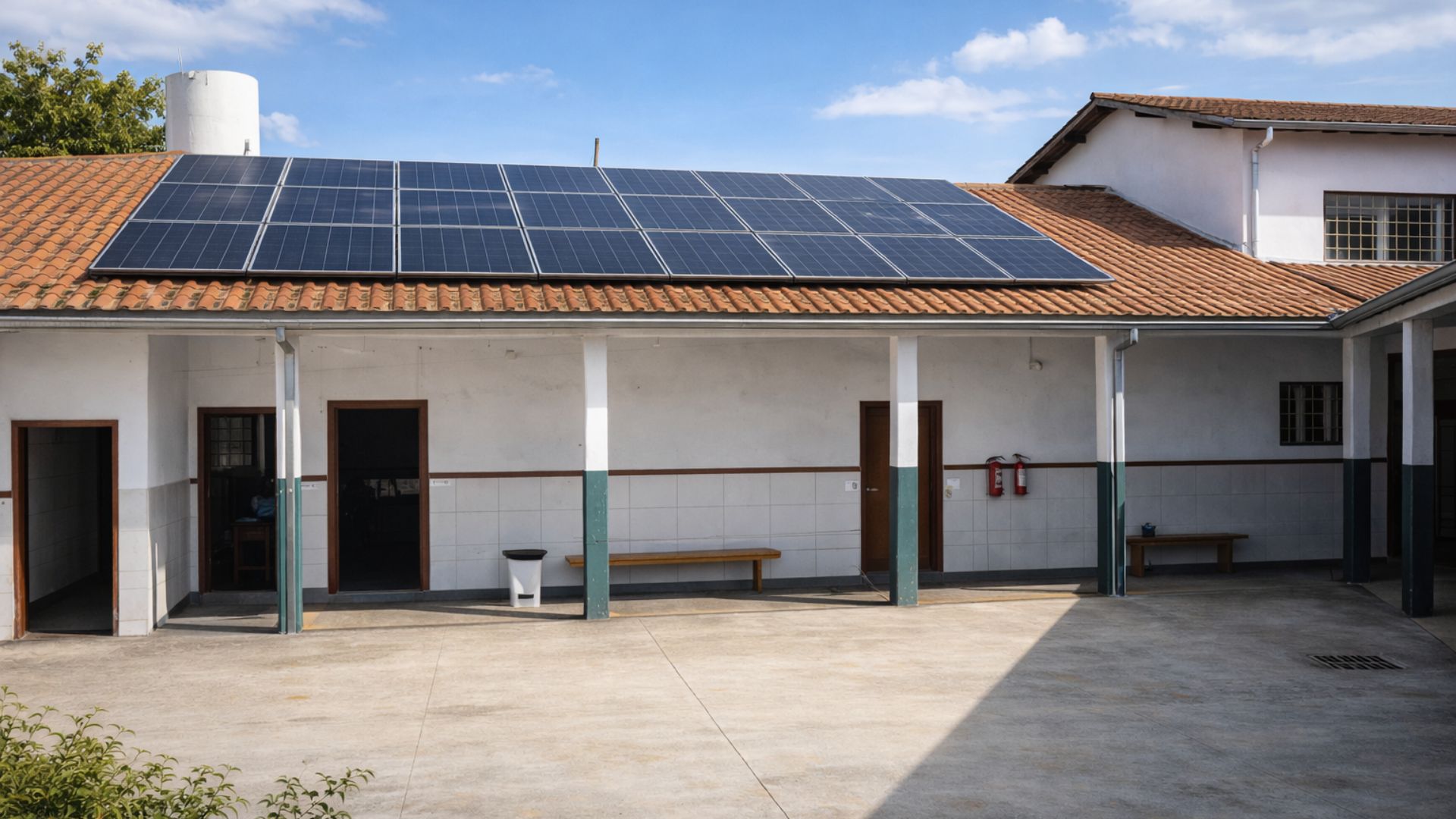
Copel boosts solar energy in Paraná and brings innovation to public schools, promoting savings on electricity bills, energy efficiency, and a direct impact on the quality of education.
-
Brazil reaches historic milestone in solar energy: Sector surpasses 2 million accumulated green jobs and generates billions in the national economy even under market pressure.
-
Minas Gerais takes the lead in renewable energy: State surpasses historic mark of 14 GW in solar energy generation in MG and consolidates dominance in the Brazilian electric sector.
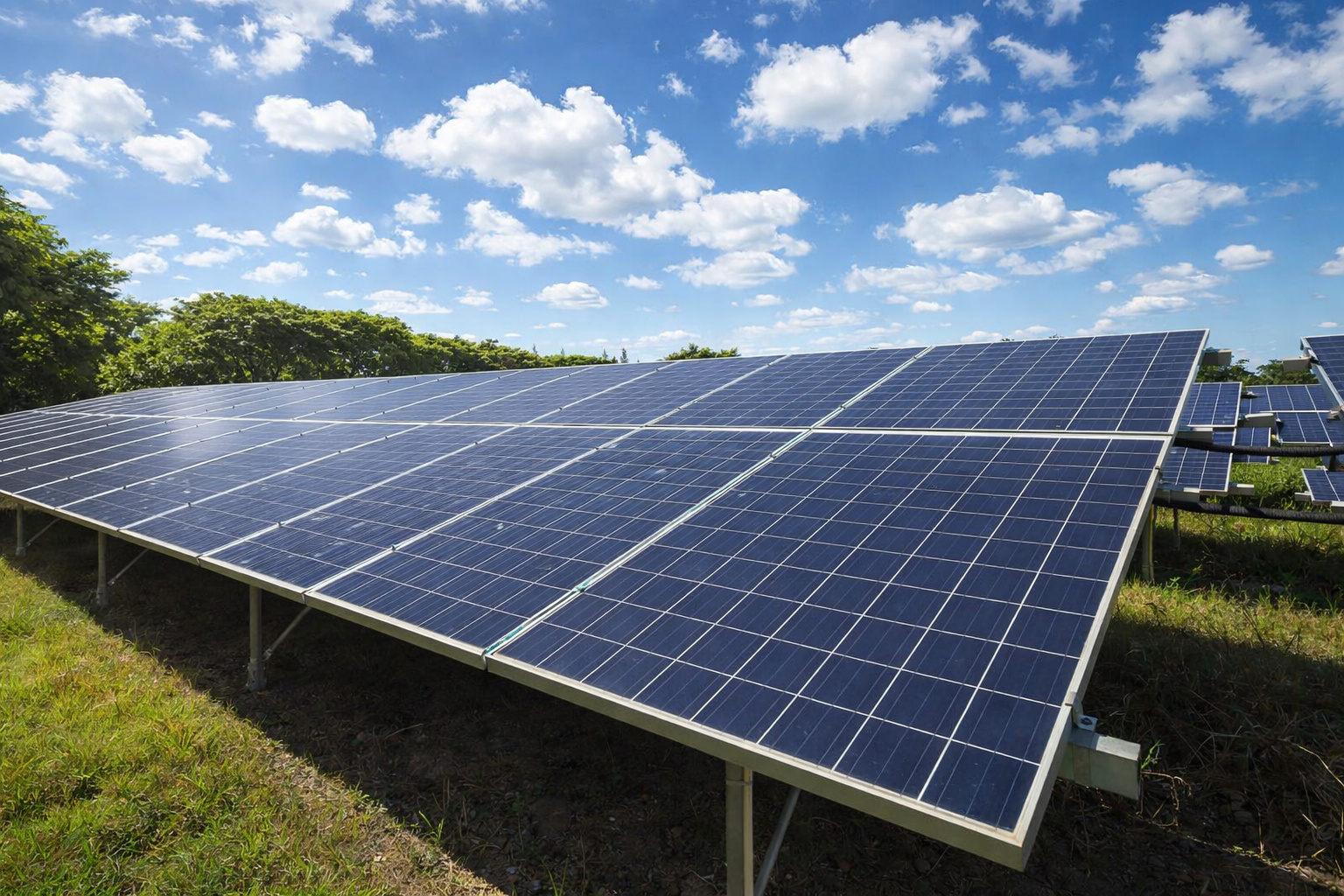

The success of the Khavda Renewable Energy Park is essential for India’s efforts to reduce pollution and meet its climate goals, while also meeting the growing energy needs of the world’s most populous nation and the fastest-growing economy. Located just 12 miles from one of the world’s most dangerous borders separating India and Pakistan, the largest solar and wind power plant in the world will cover more than 200 square miles.
India Sets Ambitious Climate Goals

According to Sagar Adani, CEO of Adani Green Limited (AGEL), in such a large, unobstructed area, with no wildlife, vegetation, or housing, there is no better alternative for the use of this land. The Adani Group’s clean energy pivot comes at a time when India has set some ambitious climate goals. Prime Minister Narendra Modi has pledged that renewable sources such as solar and wind will meet 50% of India’s energy needs by the end of this decade.
The government has set a target of 500 gigawatts of electricity generation capacity from non-fossil fuels by 2030. AGEL aims to provide at least 9% of that value, with nearly 30 GW generated from its Khavda solar and wind power plant in Gujarat.
According to Adani, failing to transition to renewable energy is not an option. There is no other choice for India but to start doing things at a scale and size never imagined before.
India Could Become The Third Largest Economy In The World
India is the third-largest energy consumer in the world, even though its energy use and emissions per capita are less than half the global average, according to data from the International Energy Agency (IEA) based in Paris. This could change rapidly, as, thanks to rising incomes, energy demand has doubled since 2000, with 80% still being met by coal, oil, and solid biomass.
Over the next three decades, the rapidly expanding economy will have the largest growth in energy demand of any country in the world, according to the IEA.
India is comfortably positioned to grow at an annual rate of at least 6% in the coming years, according to experts, and could become the third largest economy in the world before the end of this decade. Certainly, the largest solar and wind power plant will contribute to that.









GW é unidade de POTÊNCIA e potência não se gera. O que a matéria quer dizer é que essa usina tem uma CAPACIDADE INSTALADA de 30 GW. Ou seja, num dia sem nuvens, ao meio-dia, com o vento soprando EXATAMENTE como previsto em projeto, as 16 milhões de residências poderão ligar simultaneamente, por exemplo, um ferro de passar e um forno de micro-ondas cada uma. À medida que o dia avança e o vento muda, a capacidade de geração vai diminuindo. No linguajar técnico, diz-se que esses 30 GW não são ‘firmes’.